How to Avoid Custom Packaging Printing Pitfalls | 7 Expert Tips
1. Select Materials According to Usage Scenarios, Not Only Sample Appearance
Key Measures to Deal With Custom Packaging Printing Pitfalls:
Many buyers only pick packaging based on pictures without considering actual application scenarios, only to receive packaging that is completely unusable for their goods. We have sorted out detailed methods to tackle Custom Packaging Printing Pitfalls.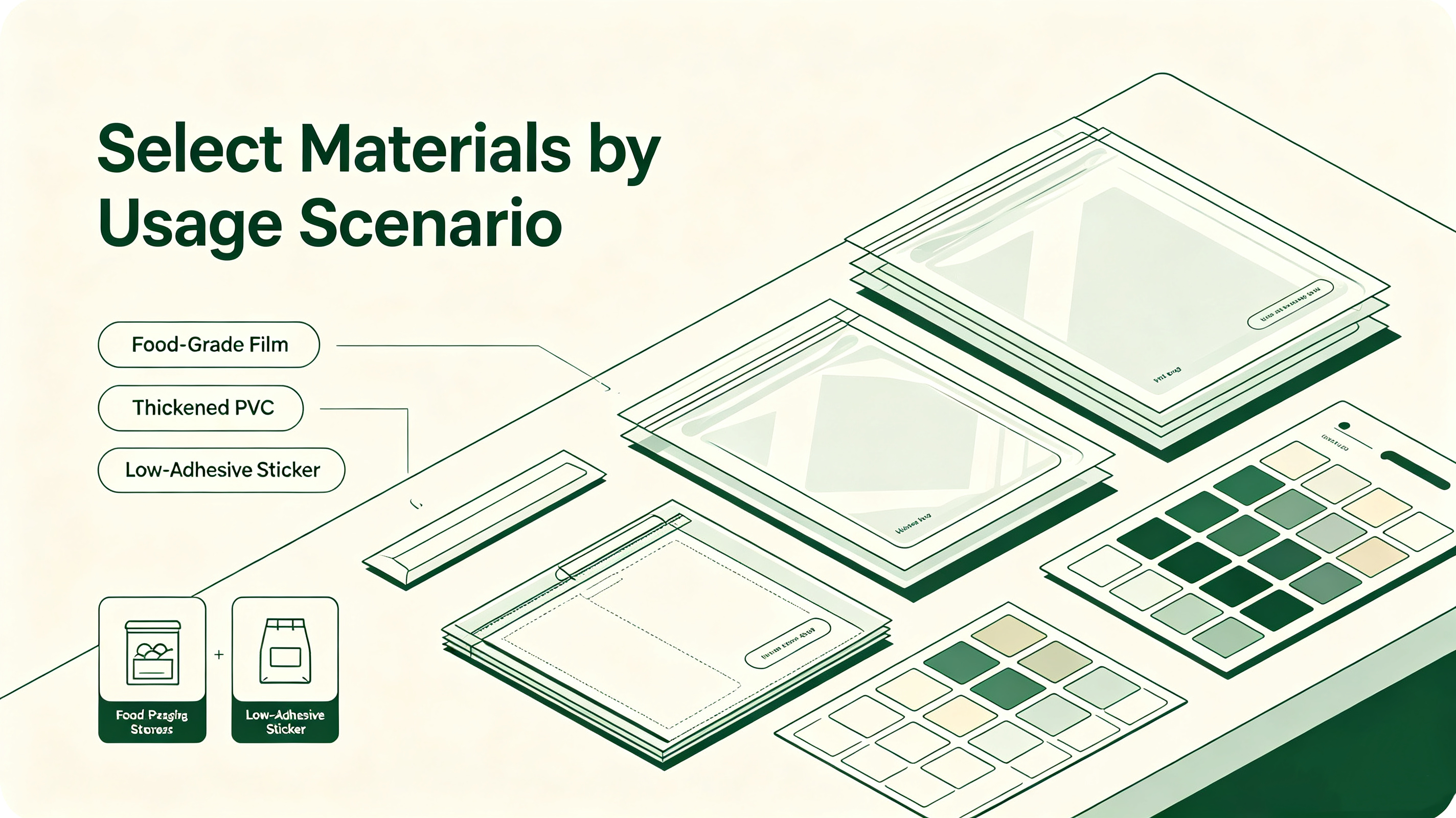
1.Food Packaging (Snacks, Tea, Grains)
Prioritize food-grade composite film snack pouches and reject uncertified ordinary plastic films. Conventional plastic films may release harmful substances and lead to cargo seizure during cross-border shipments. If packing oily snacks, confirm the material comes with an oil-proof coating.
2.Storage Pouches (Luxury Skincare, Cosmetics, Travel Miniatures)
Choose thickened high-transparency PVC and matte waterproof fabric storage bags with tight heat-seal technology. Lotions, creams and toiletries tend to leak; thin films easily bulge, turn opaque, crack and scratch cosmetic products. Never use thin, flimsy recycled transparent films. Opt for eco-friendly, odorless, highly transparent and wear-resistant materials to ensure the packaging looks attractive, sturdy and durable. Such pouches are ideal for cross-border travel sales and supermarket retail.
3.Home Decor Stickers (Felt Cat Paw Stickers, Cartoon Labels)
Avoid high-adhesive stickers for walls with peeling paint or thin latex coatings, as they will strip wall plaster off when removed.
Inform manufacturers of your usage purpose and storage environment before placing orders, so they can match appropriate base materials for you. Do not select materials blindly on your own.
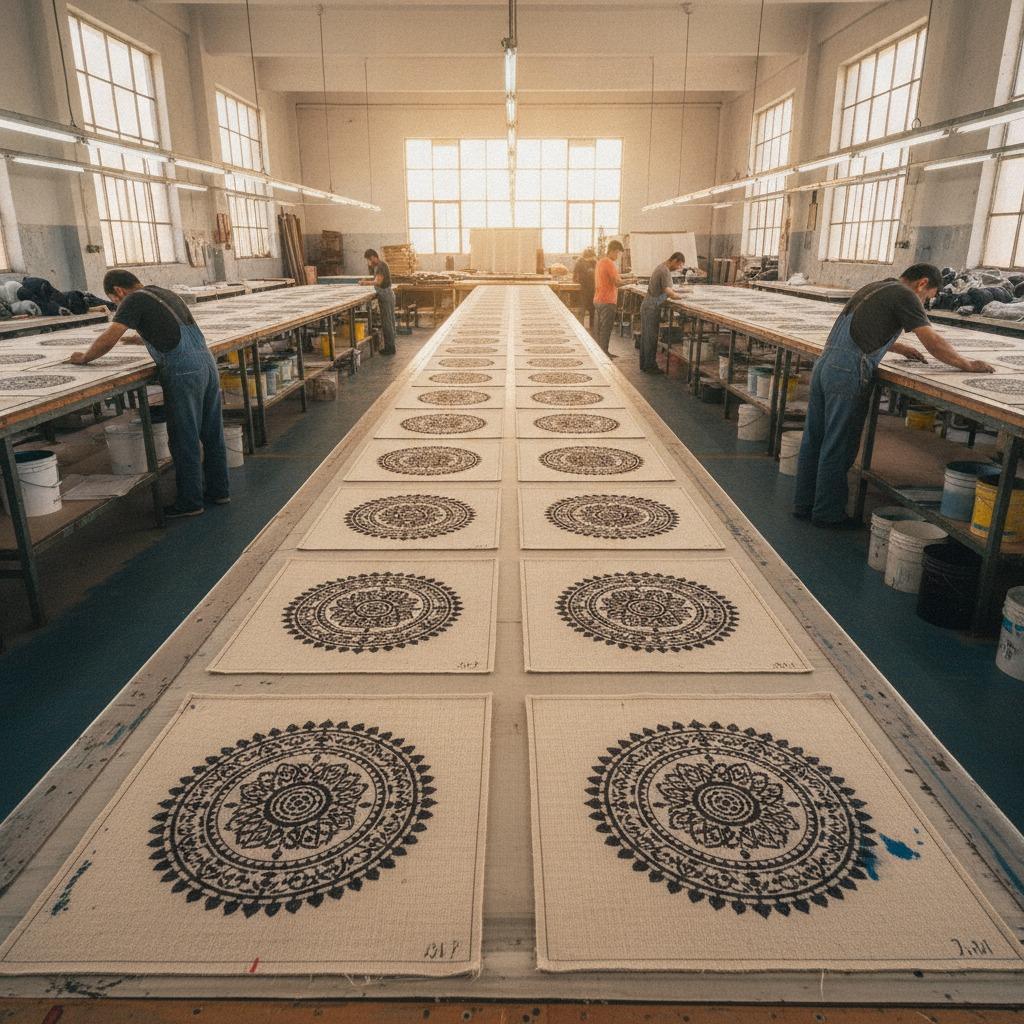
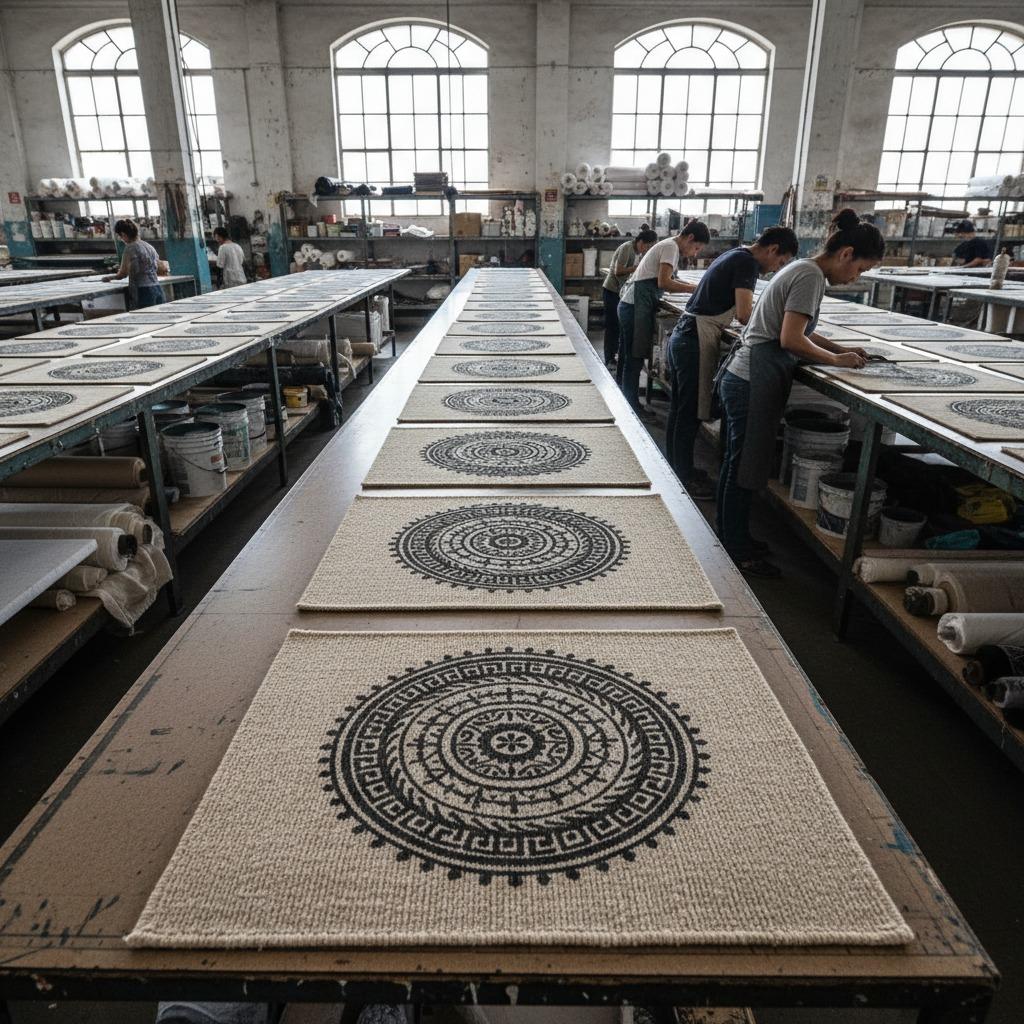
2. Match Printing Crafts with Patterns; Do Not Choose Screen Printing Blindly for Complex Designs
Different printing crafts fit vastly different patterns, and wrong selection will cause blurry prints and severe color deviation on finished products.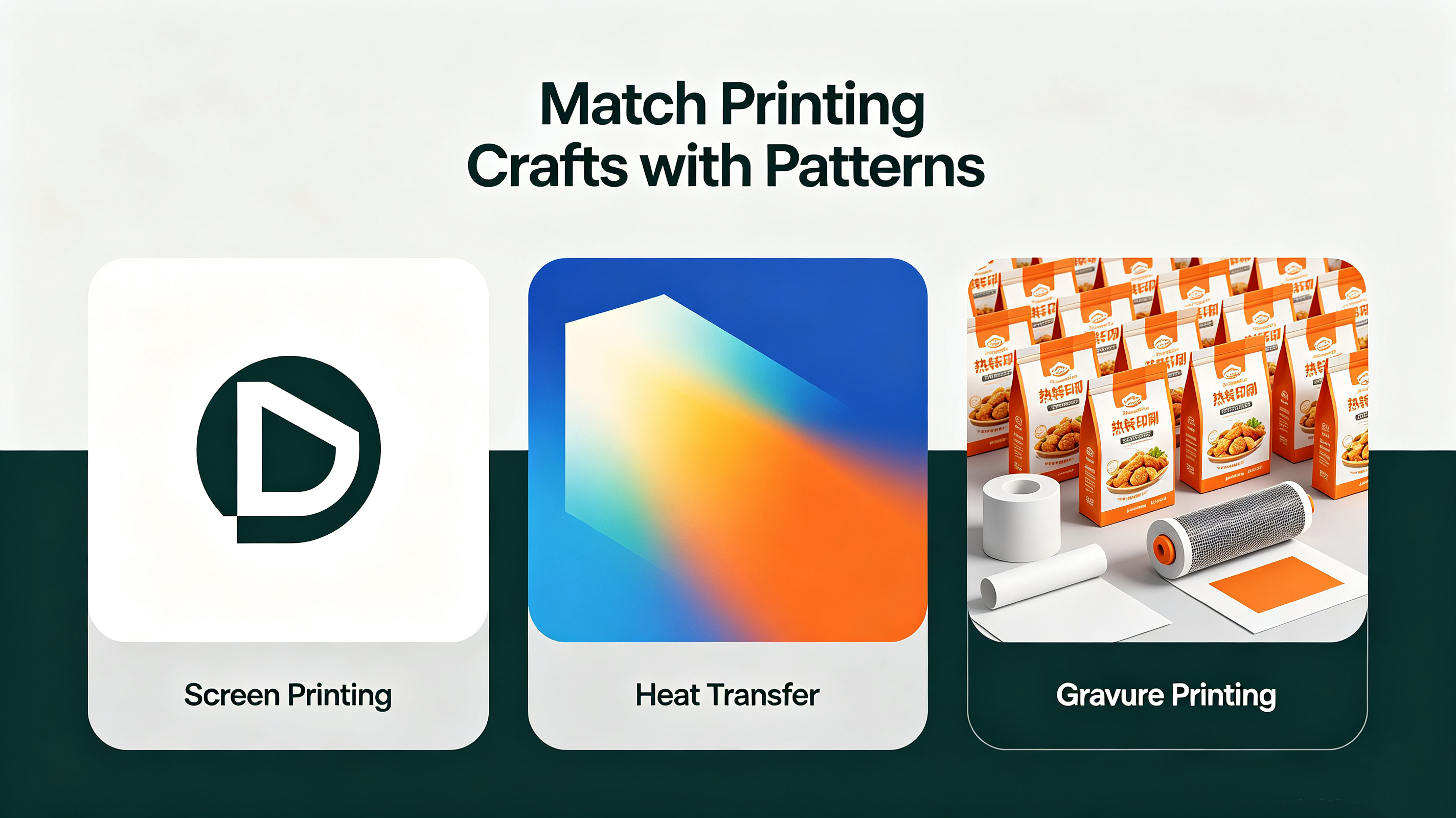
1.Screen Printing: Only suitable for simple single-color logos and bold text with high cost performance. Not recommended for full-page gradients, artistic illustrations and multi-toned portraits, as color block fractures will occur.
2.Heat Transfer / Digital Printing: Delivers outstanding color reproduction for intricate colorful illustrations and gradient patterns. It is the mainstream option for food bags and cultural fabric bags, though slightly more costly than screen printing.
3.Gravure Printing: Exclusively designed for mass-produced food composite bags with rich, vivid colors, yet it requires a high minimum order quantity and is uneconomical for small batches.
Send your design drafts to sales representatives in advance to let manufacturers recommend suitable printing crafts, so you can avoid rework caused by blurry printed patterns.
3. Confirm Three Core Standards During Sampling; Verbal Agreements Carry No Weight
Many merchants skip physical sampling and only view digital renderings, leaving them without recourse when bulk goods suffer color difference or dimensional errors.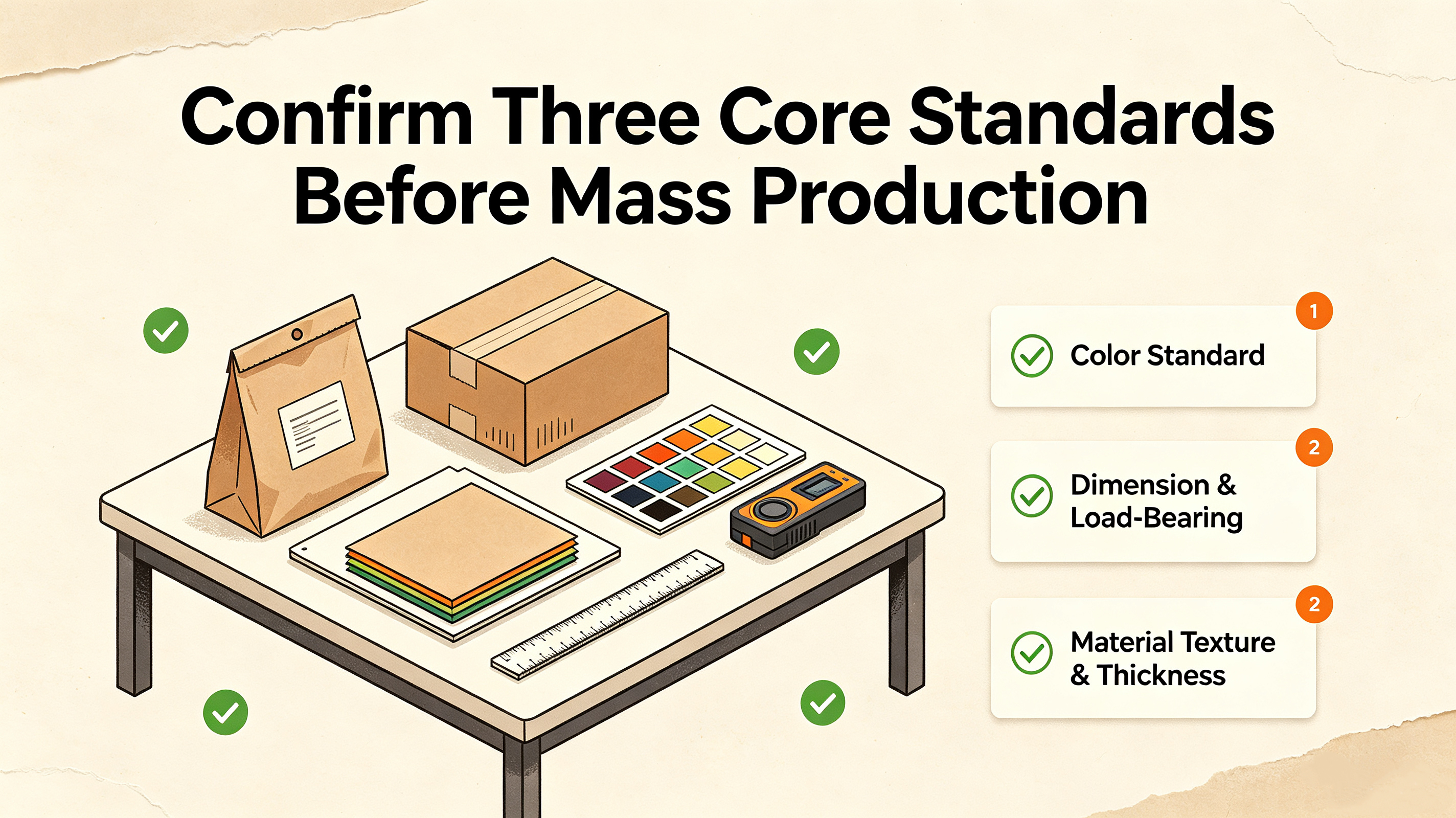
Three items must be double-checked after receiving physical samples:
1.Color: Take Pantone color cards as the uniform standard. Screens produce color distortion; never confirm target hues only through mobile phone displays.
2.Dimension & Load-bearing Capacity: Test the sealing tightness of food pouches, and check if stitching cracks when fabric bags are fully loaded with heavy items.
3.Material Texture & Thickness: Thin plastic snack bags are prone to tearing, while thickened versions cost more. Confirm material thickness via sampling before mass production.
Record all revision requests on the sample confirmation form and keep signed copies, to prevent manufacturers from altering production parameters without consent.
4. Reserve Dimensional Tolerance Space; Do Not Customize Packaging to Exact Product Sizes
Many buyers measure product dimensions precisely and order perfectly fitted packaging, only to find their goods cannot be inserted smoothly.
1.Flexible Packaging Pouches (Stand-up Snack Bags, Drawstring Sacks): Reserve a 1–2 cm margin on both length and width, since pouches will expand once filled with contents.
2.Hard Paper Gift Boxes: Leave buffer space equipped with foam and paper tray liners to prevent collision damage during transportation.
3.Windowed Snack Pouches: Keep transparent windows away from sharp-edged products, to avoid film punctures from internal goods.
If you are unsure about proper margin space, send physical product samples to the factory, and workers will calculate matched dimensions on-site.
5. Clarify Wastage Ratios & Delivery Cycles in Contracts to Guard Against Hidden Charges
Many suppliers attract customers with low initial quotations, yet impose extra fees for plate making, material wastage and rush orders afterwards. Clarify the following terms fully before signing contracts:Plate making fees:
1.Whether plate costs are refundable upon reaching a specific order volume;
2.Wastage ratio: 1%–2% material loss is within the normal range for standard packaging, and any excess wastage shall be borne by the factory;
3.Delivery schedule: Distinguish sampling lead time and mass production lead time, and state compensation standards for delayed delivery in contracts;
4.Freight & packaging fees: Confirm whether packing and logistics costs are included in the quoted price.
6. Confirm Minimum Order Quantities for Special Crafts in Advance; Avoid Blind Selection of Hot Stamping & Lamination for Small Orders
Crafts including hot stamping, UV printing, embossing and partial lamination carry high plate making costs and set strict minimum order thresholds.
Hot stamping greatly upgrades the texture of premium hard paper gift boxes, yet unit prices surge for small gift orders of only dozens of pieces, resulting in low cost efficiency.
Partial lamination hardens fabric bags and ruins their soft original texture, so drawstring sacks used merely as event freebies do not require extra lamination treatment.
If you have a limited budget and small order volume, simplify crafts and only retain core logo printing to control costs.
7. Agree on Pre-shipment Inspection Standards in Advance to Avoid Receiving Defective Goods
Minor flaws are inevitable during mass production. Predefined acceptance standards will greatly streamline goods receiving procedures:
1.Fabric Sacks: Inspect stitching around drawstring holes and reinforced handle sections for skipped stitches and holes;
2.Food Pouches: Conduct batch random inspections for sealing performance, ensuring heat-sealed edges are fully leak-proof and airtight;
3.Printed Products: Verify no typos, misaligned overprinting, and consistent colors matching the approved sample.
Request the factory to provide real photos of bulk finished goods before shipment, and arrange delivery only after sampling inspection passes. Negotiate unified re-delivery of defective items after receipt to minimize economic losses.
Conclusion
The guide helps businesses steer clear of Custom Packaging Printing Pitfalls throughout the whole ordering cycle. The core principle to avoid pitfalls in custom packaging printing is thorough pre-production confirmation written documentation, and material & craft matching aligned with your actual demands. These seven key points cover the full production workflow, ranging from material selection, printing crafts and dimensional design to compliance, contracts and final inspection. You can evade most common issues whether ordering flexible food packaging, fabric storage sacks, cultural stickers or hard paper gift boxes.
If you are preparing custom packaging and uncertain which materials or printing crafts fit your products, leave your product category and usage scenarios in the comments. We can discuss cost-effective custom solutions with fewer risks together.