

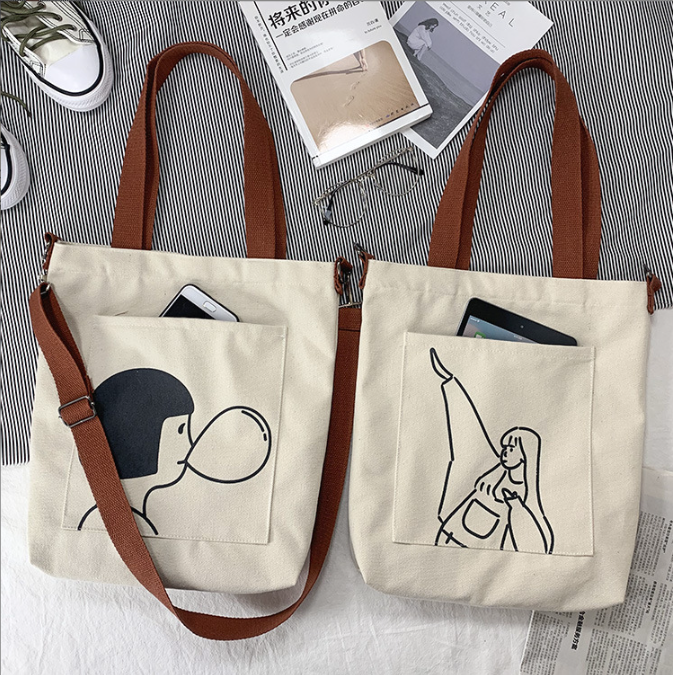
A showroom sample cannot show how a custom tote bag manufacturer China operation controls fabric lots, patterns, cutting bundles, print drift, sewing variation and export packing. PackMK follows the physical production route and asks for records at each handoff.
This is a practical factory-walk structure for buyers. It distinguishes owned capability from outsourced steps, checks the exact tote design rather than general factory scale, and ends with the evidence required for a reliable reorder.
PackMK assigns every final decision an owner, approval date and retained reference before bulk production.
Audit stop 1: order intake
Follow the buyer brief into the internal work order, material codes, artwork revision, quantities and delivery date. A strong answer is visible in current production records and normal operator behavior. PackMK checks whether the factory can repeat the approved result when volume, variants and deadlines create commercial pressure.
Compare the active instruction with the approved quotation and ask how unanswered fields are escalated. The control should prevent sales assumptions becoming production instructions. Record the method, result, approval date and any limitation beside the current product specification so purchasing, production and inspection use the same evidence.
Audit stop 2: fabric receiving
Inspect how rolls are identified by supplier, type, weight, color, coating and lot. A strong answer is visible in current production records and normal operator behavior. PackMK checks whether the factory can repeat the approved result when volume, variants and deadlines create commercial pressure.
Review recent incoming records and the physical segregation of accepted, pending and rejected material. The control should prevent unverified fabric entering cutting. Record the method, result, approval date and any limitation beside the current product specification so purchasing, production and inspection use the same evidence.
Audit stop 3: material verification
Ask which width, weight, shade, weave, shrinkage or coating checks apply to the selected fabric. A strong answer is visible in current production records and normal operator behavior. PackMK checks whether the factory can repeat the approved result when volume, variants and deadlines create commercial pressure.
Trace one result to its roll identity and approved material reference. The control should prevent a generic fabric name hiding lot variation. Record the method, result, approval date and any limitation beside the current product specification so purchasing, production and inspection use the same evidence.
Audit stop 4: conditioning and storage
Check relaxation, moisture, stacking, sunlight and floor protection before cutting or printing. A strong answer is visible in current production records and normal operator behavior. PackMK checks whether the factory can repeat the approved result when volume, variants and deadlines create commercial pressure.
Observe normal storage rather than a prepared display area and inspect stock rotation. The control should prevent material movement or contamination after incoming approval. Record the method, result, approval date and any limitation beside the current product specification so purchasing, production and inspection use the same evidence.
Audit stop 5: pattern control
Verify panel, gusset, seam allowance, handle, pocket, lining and closure files with revision codes. A strong answer is visible in current production records and normal operator behavior. PackMK checks whether the factory can repeat the approved result when volume, variants and deadlines create commercial pressure.
Ask staff to retrieve the current pattern and explain how obsolete versions are blocked. The control should prevent old geometry being used with current artwork. Record the method, result, approval date and any limitation beside the current product specification so purchasing, production and inspection use the same evidence.
Audit stop 6: marker and yield
Review nesting, fabric direction, usable width, print orientation and defect zones. A strong answer is visible in current production records and normal operator behavior. PackMK checks whether the factory can repeat the approved result when volume, variants and deadlines create commercial pressure.
Compare quoted material assumptions with the marker for the exact size and construction. The control should prevent yield savings rotating or weakening components. Record the method, result, approval date and any limitation beside the current product specification so purchasing, production and inspection use the same evidence.
Audit stop 7: cutting
Observe layer alignment, tool condition, notches, piece measurement and bundle identification. A strong answer is visible in current production records and normal operator behavior. PackMK checks whether the factory can repeat the approved result when volume, variants and deadlines create commercial pressure.
Trace components from different stack positions into labeled sewing bundles. The control should prevent mixed sizes and cumulative cutting variation. Record the method, result, approval date and any limitation beside the current product specification so purchasing, production and inspection use the same evidence.
Audit stop 8: print preparation
Identify whether printing is owned or outsourced and how fabric, artwork and proof travel to the process. A strong answer is visible in current production records and normal operator behavior. PackMK checks whether the factory can repeat the approved result when volume, variants and deadlines create commercial pressure.
Check final-size artwork, color reference, position tolerances and return inspection. The control should prevent a subcontract step operating outside revision control. Record the method, result, approval date and any limitation beside the current product specification so purchasing, production and inspection use the same evidence.
Audit stop 9: print production
Observe color, registration, coverage, curing and handling checks at beginning, middle and end. A strong answer is visible in current production records and normal operator behavior. PackMK checks whether the factory can repeat the approved result when volume, variants and deadlines create commercial pressure.
Compare current production with the signed physical reference on the selected fabric. The control should prevent print drift hidden by supplier-selected samples. Record the method, result, approval date and any limitation beside the current product specification so purchasing, production and inspection use the same evidence.
Audit stop 10: trim control
Verify handles, thread, zippers, cords, snaps, labels, linings and reinforcement by code and color. A strong answer is visible in current production records and normal operator behavior. PackMK checks whether the factory can repeat the approved result when volume, variants and deadlines create commercial pressure.
Follow issue quantities into the correct bundles and review substitution authorization. The control should prevent correct fabric combined with wrong trims. Record the method, result, approval date and any limitation beside the current product specification so purchasing, production and inspection use the same evidence.
Audit stop 11: first sewn article
Check finished dimensions, seam type, stitch density, reinforcement, print position, trims and cleanliness. A strong answer is visible in current production records and normal operator behavior. PackMK checks whether the factory can repeat the approved result when volume, variants and deadlines create commercial pressure.
Load and cycle the first acceptable unit before full-line release and retain the approval. The control should prevent quantity produced before construction is stable. Record the method, result, approval date and any limitation beside the current product specification so purchasing, production and inspection use the same evidence.
Audit stop 12: line balance
Identify bottlenecks such as handle attachment, lining, zipper, binding and detailed reinforcement. A strong answer is visible in current production records and normal operator behavior. PackMK checks whether the factory can repeat the approved result when volume, variants and deadlines create commercial pressure.
Compare order quantity and current workload with output for the exact operation route. The control should prevent capacity promises based on simpler products. Record the method, result, approval date and any limitation beside the current product specification so purchasing, production and inspection use the same evidence.
Audit stop 13: in-process quality
Observe measurements, seam checks, version segregation and response to defects during sewing. A strong answer is visible in current production records and normal operator behavior. PackMK checks whether the factory can repeat the approved result when volume, variants and deadlines create commercial pressure.
Review records from normal shifts and trace rework back into accepted quantity. The control should prevent final inspection discovering preventable line-wide defects. Record the method, result, approval date and any limitation beside the current product specification so purchasing, production and inspection use the same evidence.
Audit stop 14: loaded testing
Define product load, carry distance, lifting, set-down and closure cycles for the intended tote. A strong answer is visible in current production records and normal operator behavior. PackMK checks whether the factory can repeat the approved result when volume, variants and deadlines create commercial pressure.
Inspect handles, seams, base, print and shape after a documented production-equivalent test. The control should prevent visual approval without functional evidence. Record the method, result, approval date and any limitation beside the current product specification so purchasing, production and inspection use the same evidence.
Audit stop 15: final inspection
Check sampling across cartons and production periods for material, dimensions, construction, print, function and variants. A strong answer is visible in current production records and normal operator behavior. PackMK checks whether the factory can repeat the approved result when volume, variants and deadlines create commercial pressure.
Review acceptance criteria, defect treatment and how inspectors remain independent of output pressure. The control should prevent top-layer samples representing the complete lot. Record the method, result, approval date and any limitation beside the current product specification so purchasing, production and inspection use the same evidence.
Audit stop 16: packing and retrieval
Inspect folding, individual protection, bundles, carton strength, marks and stored repeat-order records. A strong answer is visible in current production records and normal operator behavior. PackMK checks whether the factory can repeat the approved result when volume, variants and deadlines create commercial pressure.
Ask the team to retrieve material, pattern, artwork, sample, test, inspection and packing for a past item. The control should prevent shipment damage and reorders rebuilt from memory. Record the method, result, approval date and any limitation beside the current product specification so purchasing, production and inspection use the same evidence.
Follow one tote order through the factory
| Stop | Evidence to trace | Strong signal |
|---|---|---|
| Receiving | Fabric lot | Status segregation |
| Cutting | Pattern and bundle | Measured pieces |
| Printing | Artwork and proof | Run comparisons |
| Sewing | First article | Controlled release |
| Packing | Carton and record | Repeat retrieval |
Separate visible capability from commercial evidence
| Claim | Observation | Record | Decision |
|---|---|---|---|
| Own printing | Active equipment | Order route | Capability scope |
| High capacity | Exact bottleneck | Current plan | Realistic date |
| Quality control | Normal checks | Defect records | Acceptance route |
| Repeatability | Stored samples | Version retrieval | Reorder risk |
| Material control | Labeled stock | Incoming results | Substitution risk |
Use textile and quality frameworks as audit context
External resources help frame material and process questions, while the factory's order-specific evidence controls the sourcing decision. Review the Textile Exchange materials resources and ISO quality management principles for useful context. Order acceptance still depends on the actual product, approved sample, destination and documented test conditions.
Audit a custom tote bag manufacturer China by flow
For custom tote bag manufacturer China, record fabric receipt, incoming inspection, pattern control, cutting bundle, printing line, sewing operation, handle reinforcement, loaded test, final inspection, export packing. The controlled file also identifies PackMK, ISO, Textile Exchange, cotton, canvas, Oxford cloth, MOQ, carton. This vocabulary turns a broad sourcing phrase into fields that suppliers can quote and inspectors can verify.
Evaluate a custom tote bag manufacturer China project with PackMK
PackMK can develop custom tote bag manufacturer China from brief and samples through production, quality checks and export packing. Send PackMK the product, intended use, artwork, quantity, variants, destination and required date to request a structured quotation for custom tote bag manufacturer China.
- Explore PackMK tote bag formats
- Review PackMK tote development support
- Request a custom tote bag quotation
Custom tote bag factory-audit questions
What should buyers send before auditing a tote bag factory?
Provide the exact tote specification, materials, artwork, construction, quantity, variants, packing, quality requirements and target delivery date.
How should a custom tote bag manufacturer China be evaluated?
Evaluate a custom tote bag manufacturer China against the actual material, cutting, printing, sewing, testing, inspection, packing and record route required by the order.
Why trace one order through the factory?
A trace shows whether sales promises, material identity, revisions, bundles, inspection and packing remain connected across departments.
How can outsourced printing be controlled?
Use an approved supplier, controlled artwork and fabric, physical proof, outgoing and return identity, process checks and documented incoming acceptance.
What should a first sewn article prove?
It should prove material, dimensions, seams, reinforcement, handles, trims, print position, loaded function, cleanliness and current version identity.
How is tote bag capacity verified?
Review cutting, printing, sewing, finishing and packing output for the exact design, including current workload and manual bottlenecks.
What belongs in a loaded test?
Define contents, load, distance, lift and set-down cycles, closure use and acceptance for handles, seams, base, print and shape.
How should variants be controlled?
Use unique SKU codes on work orders, bundles, line clearance, inner packs, cartons and quantity reconciliation.
What records protect repeat orders?
Keep material and trim references, pattern, artwork, process route, approved sample, loaded test, inspection, deviations and carton specification.
How does PackMK support tote bag sourcing?
PackMK can connect factory capability with the buyer brief, samples, material control, production, inspection, packing and repeat-order records.