

The most expensive print problems often happen between departments. A dieline changes after color approval, a coating alters barcode contrast, or a finished box is packed under an old SKU name. Choosing a packaging and printing manufacturer therefore means evaluating handoffs, not only presses and sample photos.
PackMK uses one production record from buyer brief to shipment. It links artwork, substrate, color target, converting, finishing, inspection and carton identity. Buyers can then see where a decision was made, which evidence supports it and what change would reopen approval.
Direct answer: Assess a packaging and printing manufacturer by following one SKU through artwork release, print setup, converting, finishing, inspection and carton traceability using dated evidence at every handoff.
Begin with the released product definition
Record product dimensions, weight, contact surfaces, opening, protection needs, display orientation, pack count and delivery route. Printing cannot be approved independently from the structure carrying it.
PackMK gives the definition a revision code. That code should appear on the dieline, proof, sample, inspection record and master carton so teams do not reconcile files by memory.
Follow the production record across handoffs
| Handoff | Released input | Evidence | Typical failure |
|---|---|---|---|
| Design to prepress | Artwork and dieline | Preflight report | Wrong bleed or layer |
| Prepress to print | Color and substrate | Approved target | Uncontrolled color |
| Print to converting | Sheet and marks | First-off sample | Cut/print shift |
| Converting to packing | Finished SKU | Packing standard | Mixed version |
| Packing to shipment | Case and count | Inspection record | Receiving mismatch |
PackMK expects the same identity to survive every transfer. A department-level pass is not enough if the next team receives a different revision.
Inspect file discipline before machine capacity
Ask how artwork is named, preflighted, versioned and released. Check who may alter trapping, overprint, fonts, barcodes, varnish masks and technical marks, and how those changes return to the buyer.
PackMK prefers a marked proof with an approval owner and date. A supplier that cannot show which file reached production creates risk regardless of press speed.
Define color as a viewing condition
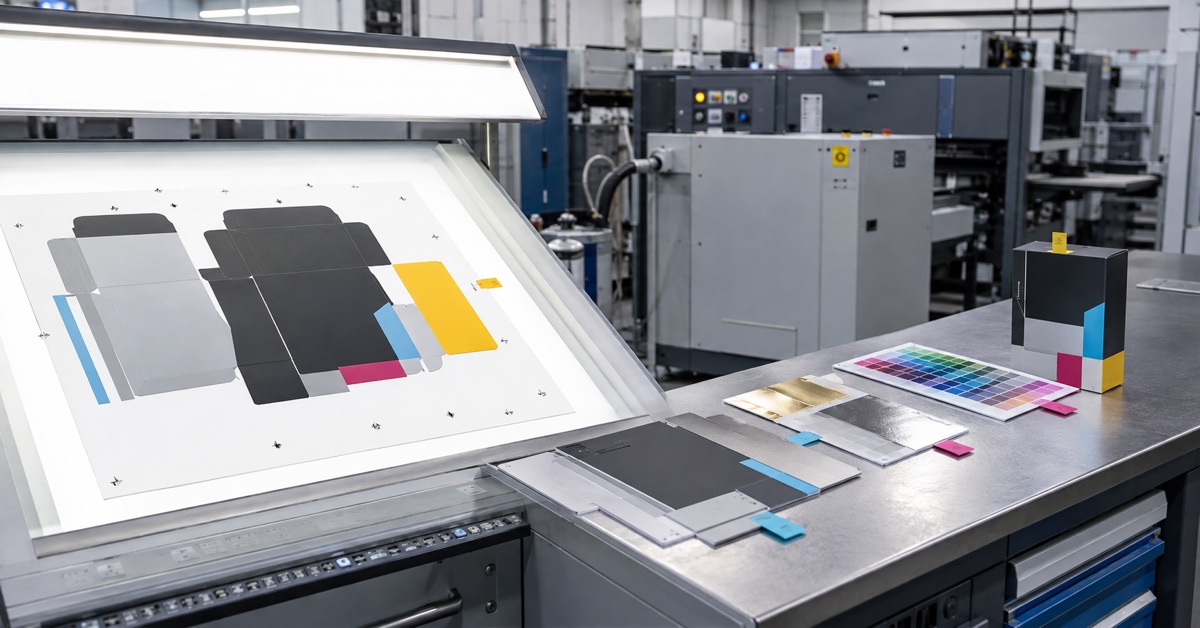
Name the target, substrate, ink or process, finish, lighting and acceptable comparison method. A screen image, coated proof and production sheet can appear different for legitimate physical reasons.
PackMK keeps the target beside retained samples. If exact color is critical, the quotation should state what evidence is included and what variation remains possible.
Ask six questions at the print-to-finish boundary
The boundary deserves its own review:
- Can coating change color or barcode contrast?
- Can lamination or varnish affect folding and glue?
- Can foil, embossing or texture move relative to print?
- What registration evidence is retained?
- Which defect samples define rejection?
- Who releases a setup adjustment?
PackMK uses these answers to turn decorative intent into observable production controls.
Match the substrate to converting, not just appearance
Paper grain, board caliper, film treatment, fabric coating and adhesive surface affect folding, scoring, sealing, gluing, stitching and label application. A visual sample can hide production weakness.
PackMK asks for the substrate code, approved alternative and converting trial. If a material substitution is allowed, the record should show which tests reopen.
Compare supplier arrangements by control need
| Arrangement | Advantage | Watch point | Evidence to request |
|---|---|---|---|
| Integrated site | Fewer transfers | Internal silos still exist | Handoff record |
| Managed partner network | Specialist processes | Transport and version control | Partner scope |
| Printer plus converter | Strong print focus | Structural ownership | Joint sample |
| Converter plus print vendor | Structure focus | Color accountability | Released target |
A single invoice does not prove integrated control. PackMK looks for ownership and evidence across the actual production route.
Use first-off approval for the risky interfaces
Select a first-off sample that shows print position, color, coating, die cut, folds, glue, opening and packed orientation. Mark which observations require immediate stop, adjustment or buyer review.
PackMK connects the first-off decision to in-process checks. A signed sample is useful only when operators know which characteristics it controls.
Build a defect library with boundaries
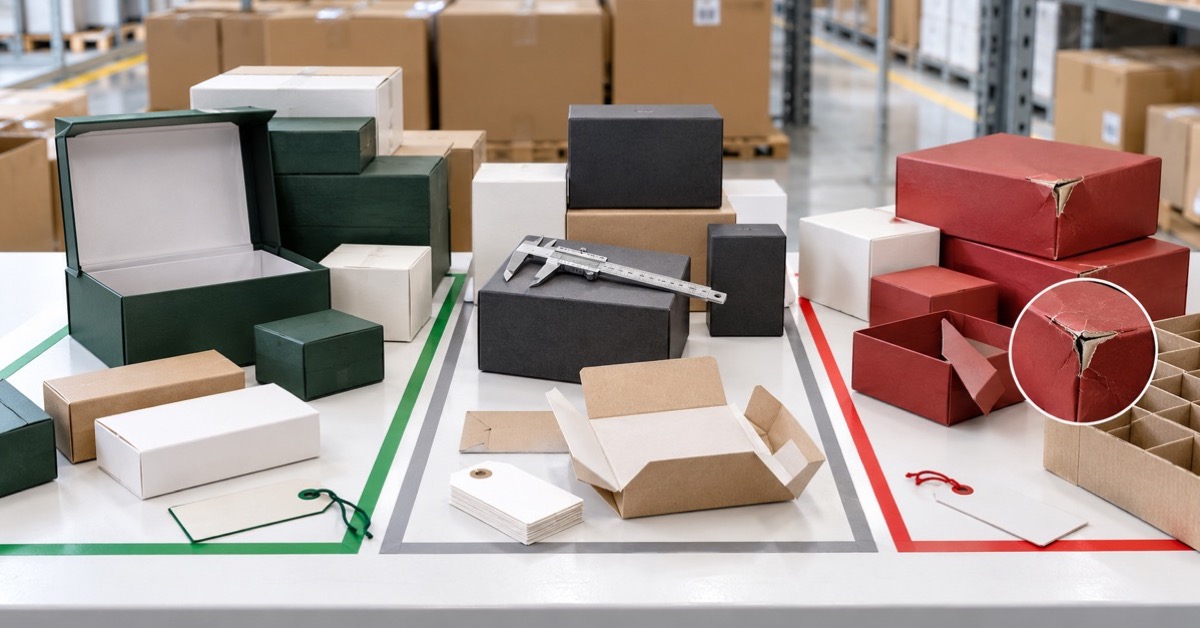
Photograph and label recurring defects such as hickeys, scuffing, color shift, registration movement, cracked scores, glue squeeze, warped cartons and mixed versions. State whether each example is acceptable, conditional or rejectable.
PackMK uses the library during inspection and supplier discussion. It reduces arguments caused by adjectives and helps new inspectors apply the same decision.
Test packing as part of manufacturing
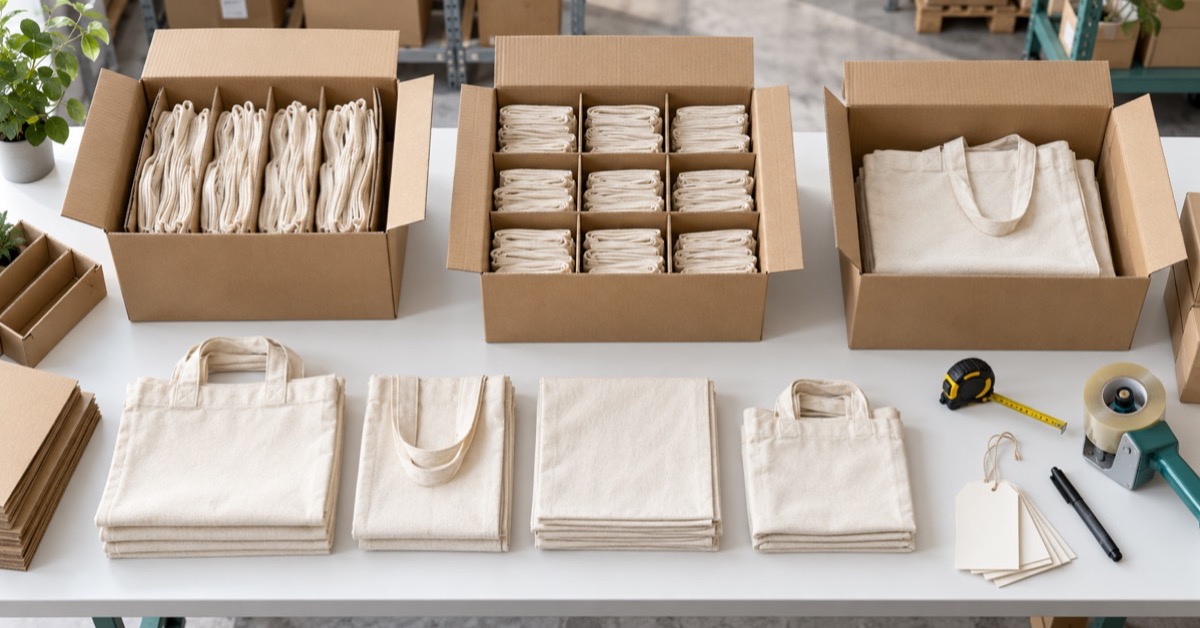
Confirm orientation, count, interleaving, moisture protection, inner marks, master-carton labels and pallet pattern. Finishing can be perfect while unprotected surfaces rub during transit.
PackMK treats the packed case as the final production sample. Receiving needs enough identity to match the case to the released SKU without opening every unit.
Separate capacity from a dated schedule
Machine lists and monthly capacity claims do not show when a specific project can move through prepress, material buying, print, curing, converting, inspection and packing. Request milestone dates and dependencies.
PackMK records the critical approvals that hold the schedule. A late artwork freeze or material substitution should update the plan rather than disappear into a generic lead-time promise.
Reopen only the evidence affected by change
Create triggers for artwork, barcode, substrate, ink, coating, die, glue, supplier location, packing and destination. Link each trigger to the proof, sample or test that must be repeated.
PackMK preserves stable evidence. This makes repeat orders faster without treating a changed construction as an automatic reorder.
Audit one live job instead of the showroom
During supplier assessment, ask to trace one representative job from released file to packed case. Look for matching codes, dated approvals, first-off evidence, inspection records and controlled leftovers.
PackMK values a coherent ordinary record more than a polished sample room. It reveals how the organization behaves when several departments and versions are active.
Close the audit with a reconciliation exercise
Choose a shipped carton and ask the team to reconcile its SKU, quantity, artwork revision, material lot, inspection result and dispatch document. The exercise tests whether records remain usable after production pressure has passed. A capable packaging and printing manufacturer should be able to explain gaps without rebuilding the history from email threads.
PackMK also asks who owns corrective action when the record does not reconcile. That answer matters because a packaging and printing manufacturer may coordinate several specialist processes, yet the buyer still needs one accountable route for containment, evidence and release.
Production example: a folding carton with foil and two languages
A personal-care brand uses one carton structure, metallic foil, two language panels and a batch label. The coating can change the dark barcode zone, and the foil sits close to a score.
PackMK would create a record linking the released language file, color target, foil mask, coating, board code, die revision and label position. A combined first-off sample would test the interfaces together.
Inspection would use a defect library for foil movement, cracked scores, scuffing and mixed panels. Cartons would carry adjacent-face SKU and language marks for receiving.
When the brand changes only one language panel, the artwork and version controls reopen. Stable board, die and packing evidence can remain unless the change affects them.
Standards help frame records, not replace approval
Quality and identification standards are useful for defining traceability and process ownership. For orientation, buyers can consult ISO quality management principles and GS1 barcode standards overview. These references do not approve a specific package, claim or shipment.
Write a packaging and printing manufacturer audit brief
A decision-ready packaging and printing manufacturer brief should define artwork release, dieline revision, substrate code, color target, converting, finishing, first-off approval, defect library, carton identity. It should name PackMK, prepress, printing, die cutting, lamination, barcode, SKU where they affect the decision. PackMK uses those details to organize questions, samples, quotation assumptions and release evidence.
Ask the supplier to separate confirmed facts from assumptions, options and exclusions. Record tooling, minimums, approved alternatives, test conditions, inspection scope, packing, lead-time triggers and the person who can release a change. That record is more useful than a promise built from undefined words such as premium, durable or sustainable.
Performance depends on the real product, files, material, process route, finish, quantity, inspection agreement and destination. PackMK can organize project evidence, but buyers and responsible specialists must approve regulated copy, claims and market-specific requirements.
Trace one real project with PackMK
Share your product, dieline, artwork versions, substrate, finishes, quantity, pack-out and destination. PackMK can map the production record and quotation checkpoints for your packaging and printing manufacturer project.
Packaging and printing manufacturer questions
What should buyers verify first?
Verify the released product definition, dieline and artwork ownership before comparing equipment.
Does one factory guarantee integrated control?
No. Ask how departments exchange revisions, targets and release evidence.
How should color be approved?
Define the target, substrate, process, finish, lighting and comparison method.
Why inspect converting after print?
Cutting, scoring, coating, foil, lamination and glue can change the finished result.
What belongs in a first-off sample?
Include print position, color, finish, cut, fold, glue, opening and packing orientation.
What is a defect library?
It is a set of labeled examples with accept, conditional and reject boundaries.
How should barcodes be controlled?
Check the printed finished construction and keep the result with the released revision.
What capacity evidence is useful?
Request a dated route with material, approval, production, inspection and packing milestones.
When must evidence be reopened?
Reopen affected checks after artwork, material, process, tooling, packing or destination changes.
How can PackMK help?
PackMK can connect the buyer brief, samples, quotation assumptions and production records.