

A minimum order is rarely one mysterious factory number. It is the point where material buying, machine setup, print preparation, packing and commercial risk can be combined into a workable run. A buyer who asks only for the lowest custom packaging MOQ may receive a number that hides mixed-SKU limits, setup charges or leftover stock.
PackMK approaches the question as a quantity ladder. The buyer starts with the number of sellable units by SKU, then separates shared components from version-specific parts. The result is a set of order routes with visible cost, learning and inventory tradeoffs, not a single number detached from the launch plan.
Direct answer: Define the custom packaging MOQ by SKU and component, then compare a sample run, a paid pilot and a production run using the same artwork, material, packing and inspection assumptions.
Start with a three-rung quantity ladder
| Rung | Purpose | What it should prove | Commercial note |
|---|---|---|---|
| Prototype | Fit and appearance | Dimensions, opening, basic artwork | Not a production price |
| Pilot | Route learning | Packing, handling, inspection, SKU control | Setup may dominate |
| Production | Repeatable supply | Stable construction and release evidence | Unit economics improve |
PackMK keeps the rungs separate because a beautiful hand sample does not prove line behavior, and a low pilot quantity does not establish production pricing.
Count SKUs before counting units
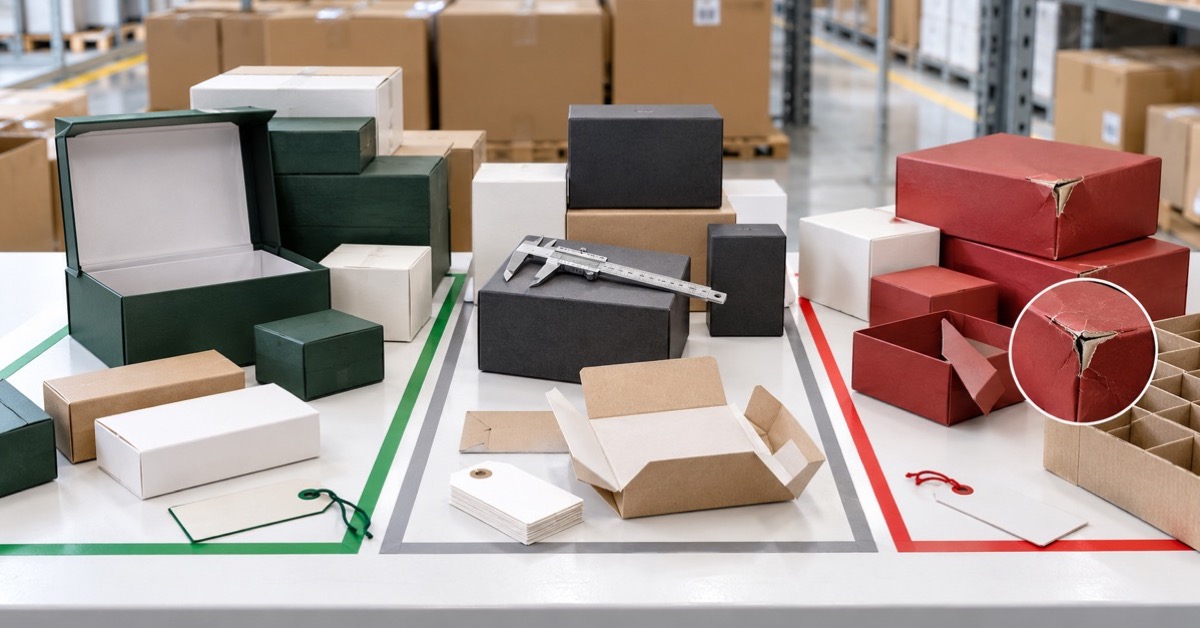
Write every size, color, language, scent, artwork panel and pack count as a SKU. Then mark which dielines, substrates, handles, inserts, labels and cartons are shared. A total order of 5,000 units can still behave like five orders of 1,000 when each version needs its own print setup.
PackMK asks for a SKU matrix early. It exposes where consolidation is real and where it is only arithmetic. This prevents a quotation from using an attractive total volume while production is constrained by smaller version batches.
Find the physical source of the minimum
A minimum can come from a paper mill sheet size, film roll, fabric dye lot, ink mix, plate or cylinder setup, cutting layout, sewing cell, accessory carton or freight unit. The source matters because each constraint has a different workaround.
PackMK records the limiting step beside the number. If printed labels create the threshold, a shared blank bag with later labeling may be worth testing. If material procurement is the limit, changing artwork will not solve it.
Separate four quantities in every quotation
Ask the supplier to state these quantities independently:
- minimum per construction or material;
- minimum per printed artwork or colorway;
- minimum per packed SKU;
- minimum per shipment or destination.
PackMK uses this four-part view to reveal whether the buyer is committing to production, inventory, shipment or all three at once.
Treat tooling and setup as visible line items
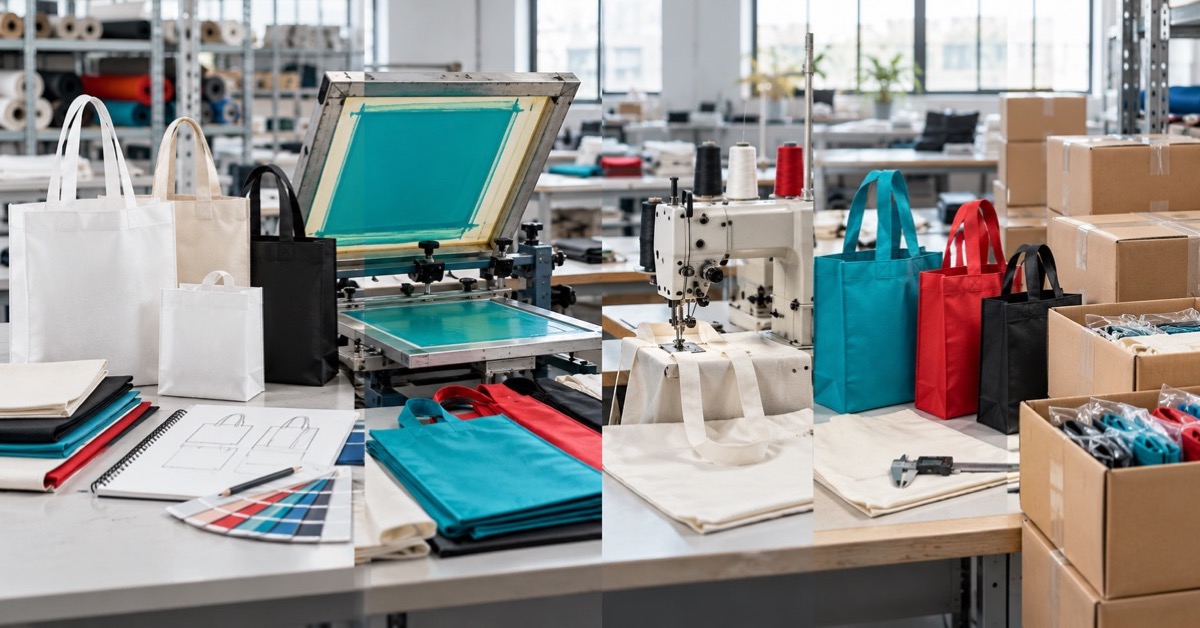
Dielines, plates, screens, cylinders, color matching, cutting dies and machine cleanup can be fixed costs. Ask which charges are one-time, which repeat after artwork changes and which can be credited against a larger run.
PackMK prefers a quotation that exposes those costs. A supplier may accept a lower quantity by charging setup separately; that can be a sensible pilot route when the learning value is higher than the unit-price premium.
Compare quantity routes by total exposure
| Decision | Lower run | Higher run | Question to record |
|---|---|---|---|
| Cash | Less stock commitment | More cash tied up | What is paid when? |
| Unit cost | Setup spread over fewer units | Better setup absorption | Which charges change? |
| Learning | Earlier route feedback | More evidence before reorder | What will be measured? |
| Obsolescence | Fewer leftovers | More version risk | What can change? |
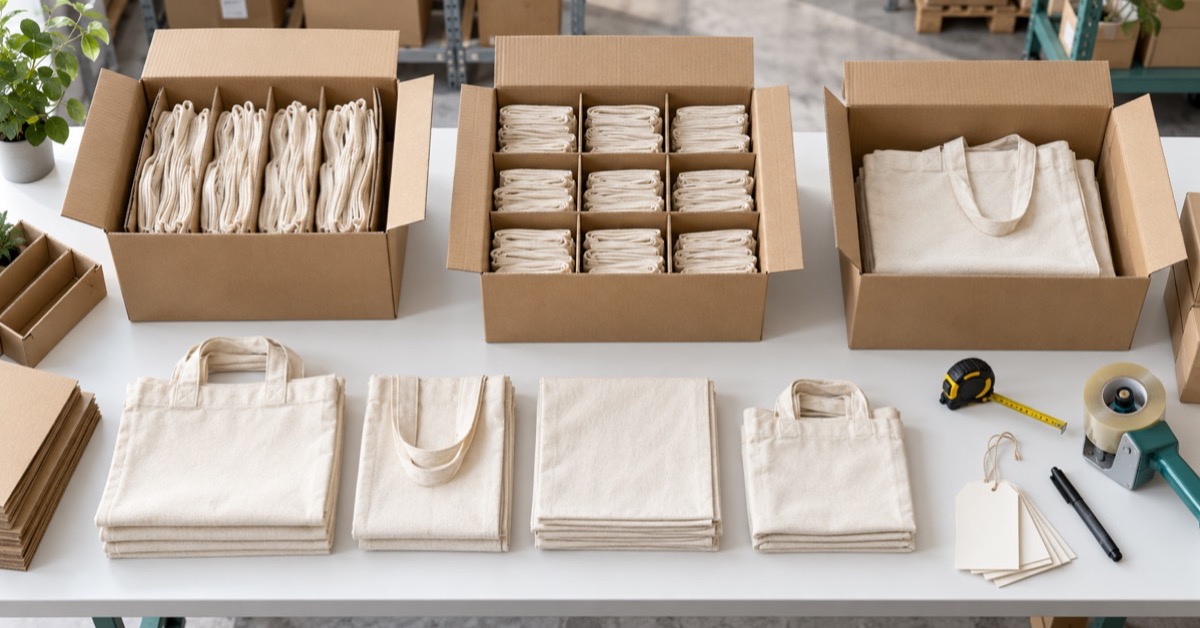
| Freight | May ship inefficiently | May fill cartons better | What is the pack-out? |
The cheapest piece price is not automatically the lowest-risk purchase. PackMK compares cash, learning, leftovers and logistics together.
Use the pilot to answer named questions
A pilot should have a written learning agenda: fit, packing time, barcode scan, seal behavior, shelf presentation, damage, customer use or return handling. Without that list, a low-quantity run becomes expensive inventory rather than evidence.
PackMK links each question to a sample, observation and owner. If the pilot passes, the production release can preserve stable decisions instead of reopening the entire project.
Consolidate components, not buyer clarity
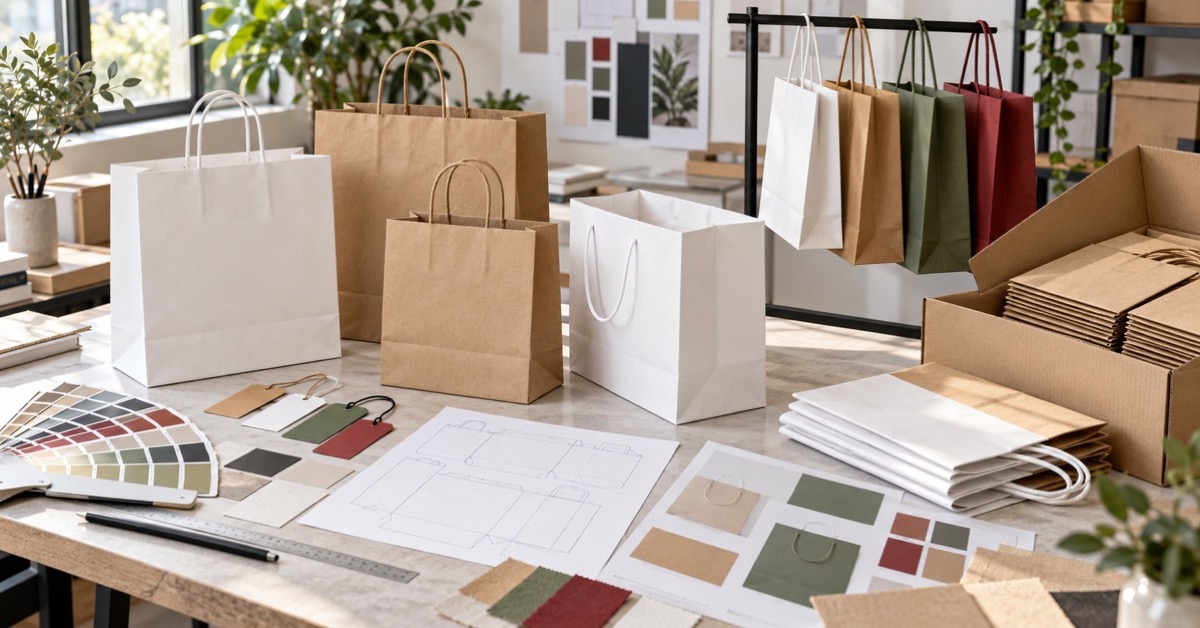
Shared board, common bag bodies, standard handles, one insert family or a late-applied label may reduce version-specific minimums. Consolidation works when it respects the product route and brand system.
PackMK documents which component is generic and which is SKU-controlled. A late label can reduce printed inventory, but it also adds application labor, positioning tolerance and a new inspection point.
Measure the cost of leftovers
Add storage, counting, relabeling, damage, obsolete artwork and disposal to the expected cost of unused packaging. A higher-volume run can appear inexpensive while leaving a costly tail after a formula, regulation or campaign change.
PackMK asks the buyer to name likely change triggers. The right quantity is the one that balances setup efficiency with the realistic life of the approved version.
Build a reorder trigger before placing the first order
Set a stock floor, forecast review date, production lead-time assumption and artwork freeze point. Include the time needed for inspection, export packing and transport rather than treating factory completion as availability.
PackMK turns the trigger into a simple reorder calendar. It is easier to negotiate a stable minimum when the supplier can see the expected cadence and the buyer can see when decisions must reopen.
Negotiate with options the factory can price
Ask for two or three executable routes: different materials, shared components, revised decoration, alternative packing or staged releases. Avoid asking for an undefined exception with every other condition unchanged.
PackMK frames each option with quantity, setup, sample, tolerance and delivery consequences. This keeps the discussion commercial without pretending every minimum is flexible.
Protect quality when quantity falls
Lower runs can require more manual setup or packing. Confirm whether inspection frequency, color control, sealing parameters, carton marking and retained samples change with the run size.
PackMK does not treat a small order as permission for vague acceptance. The evidence can be proportionate, but the release criteria still need to be written and understood.
Know when a low MOQ is the wrong goal
If the product is stable, demand is proven and every reorder repeats fixed setup, a larger run may reduce operational noise. If the product, market or artwork is still moving, a smaller pilot may protect more value than it costs.
PackMK uses the quantity ladder to make that distinction explicit. The custom packaging MOQ becomes one decision inside the launch system rather than the headline promise.
Quantity example: three tea blends entering two retailers
A tea brand needs one carton shape for three blends, with different front artwork and two retailer carton labels. Forecasts are uneven, and ingredient copy may change after the first selling season.
PackMK would separate the common board and dieline from the three print versions and two shipping labels. The quotation would show prototype, pilot and production quantities by component and SKU.
The first pilot would measure packing time, barcode position, shelf fit and mixed-carton receiving. The reorder record would preserve the approved shape while reopening only artwork, quantities and retailer marks.
This route may not produce the lowest first-run unit price. It does make the cost of learning and the risk of obsolete printed stock visible before commitment.
Use quality principles as a decision framework
General quality and traceability references can help teams define ownership, evidence and change control. For orientation, buyers can consult ISO quality management principles and GS1 traceability overview. These references do not approve a specific package, claim or shipment.
Turn custom packaging MOQ into a quotation-ready brief
A decision-ready custom packaging MOQ brief should define SKU count, shared components, setup charges, pilot quantity, production quantity, pack-out, inspection, leftover risk, reorder cadence. It should name PackMK, MOQ, dieline, printing plate, SKU, OEM, carton where they affect the decision. PackMK uses those details to organize questions, samples, quotation assumptions and release evidence.
Ask the supplier to separate confirmed facts from assumptions, options and exclusions. Record tooling, minimums, approved alternatives, test conditions, inspection scope, packing, lead-time triggers and the person who can release a change. That record is more useful than a promise built from undefined words such as premium, durable or sustainable.
Custom packaging MOQ depends on the actual construction, process, material source, decoration, number of versions, packing route and supplier schedule. PackMK can organize and quote a defined project, but no general article can promise a universal minimum or final price.
Ask PackMK for quantity options, not one unexplained number
Send PackMK the product dimensions, target materials, artwork versions, quantity by SKU, destination and required date. We can structure prototype, pilot and production options for a custom packaging MOQ discussion.
Custom packaging MOQ questions
What does MOQ mean in custom packaging?
It is the minimum workable order under a defined material, process, artwork, packing and schedule.
Is MOQ calculated per SKU?
Often yes. Ask whether the minimum applies per construction, artwork, packed SKU or shipment.
Can several colors share one minimum?
Only when the supplier confirms which components and setups are genuinely shared.
Why is a sample price different from production?
A sample may use manual work or different setup and does not represent production efficiency.
Can tooling be paid separately?
Sometimes. Ask which tooling or setup charges are one-time, repeating or refundable.
Does a lower MOQ always reduce risk?
No. It may increase unit cost, manual variation or freight inefficiency.
What should a pilot run prove?
Name route questions such as fit, packing, scan, sealing, damage and receiving before the run.
How can leftover packaging be valued?
Include storage, handling, relabeling, obsolete artwork, damage and disposal.
When should MOQ be renegotiated?
Reopen it after material, artwork, SKU, packing, forecast or delivery changes.
What should I send PackMK?
Send specifications, artwork versions, quantities by SKU, pack-out, destination and timing.