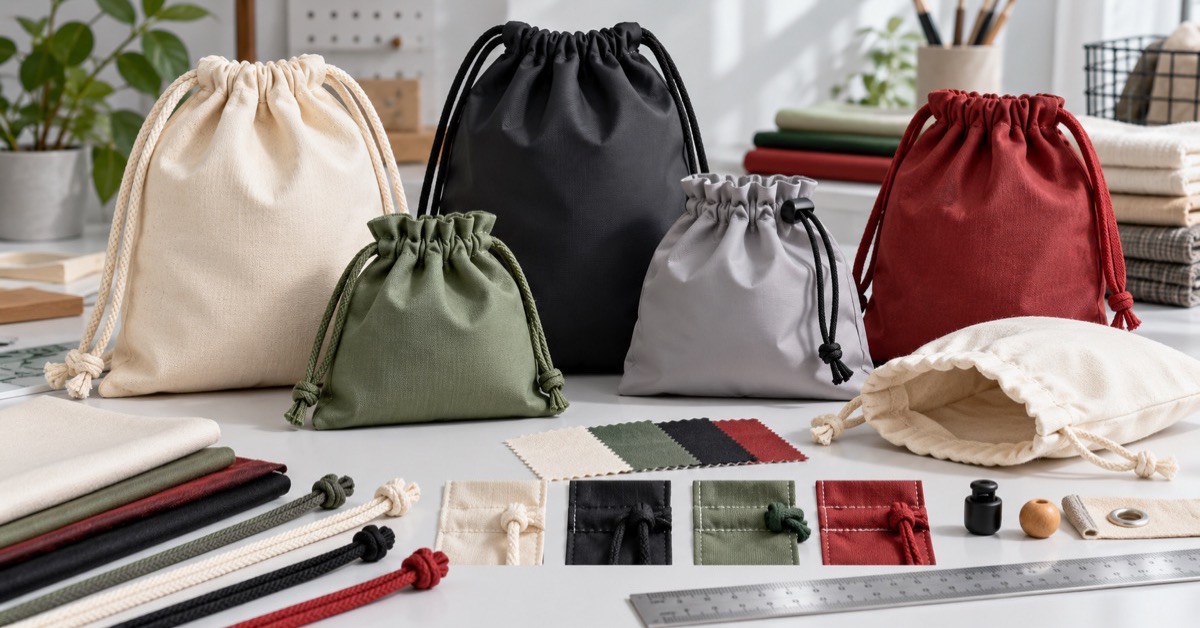


A startup rarely knows everything its first packaging order appears to demand. Product dimensions may still move, sales channels are unproven, copy is under review and the forecast contains more hope than evidence. Custom packaging for startups should therefore be managed as staged investment, not one irreversible design event.
PackMK separates decisions into fund now, prove next and delay until evidence exists. The goal is not the cheapest first unit. It is a launchable format that protects the product, communicates clearly and leaves controlled options for learning.
Direct answer: Fund the structural and operational decisions needed for a credible launch, prove the highest-risk interfaces with physical samples and a pilot, and delay decorative complexity, broad SKU expansion and inventory commitments until sales and receiving evidence justify them.
Sort decisions into three investment buckets
| Bucket | Typical decision | Release rule |
|---|---|---|
| Fund now | Product fit and protection | Physical sample accepted |
| Fund now | Required copy and identity | Owner approval |
| Prove next | Print and finish route | Pilot evidence |
| Prove next | Pack-out and delivery | Carton trial |
| Delay | Extra SKUs or embellishment | Demand evidence |
PackMK makes delayed decisions explicit so they do not reappear as rushed changes immediately before production.
Gate one defines the launch job
Write the product, condition, dimensions, channel, customer handoff, destination, quantities, required date and failure consequences on one page. Mark which inputs are measured and which remain assumptions.
PackMK uses this launch job to filter ideas. A design feature that does not protect, identify, present, pack or support the first channel may not deserve first-order cash.
Gate two chooses a minimum viable format
Compare existing structures, modest adaptations and fully custom tooling against product fit, assembly, visual need, quantity and schedule. Include labels, sleeves or inserts as possible ways to control versions.
PackMK does not treat minimum viable as visually careless. It means the smallest controlled system that performs the launch job and produces useful evidence.
Build a proof ladder around irreversible spend
A startup proof ladder can move through:
- measured product and pack brief;
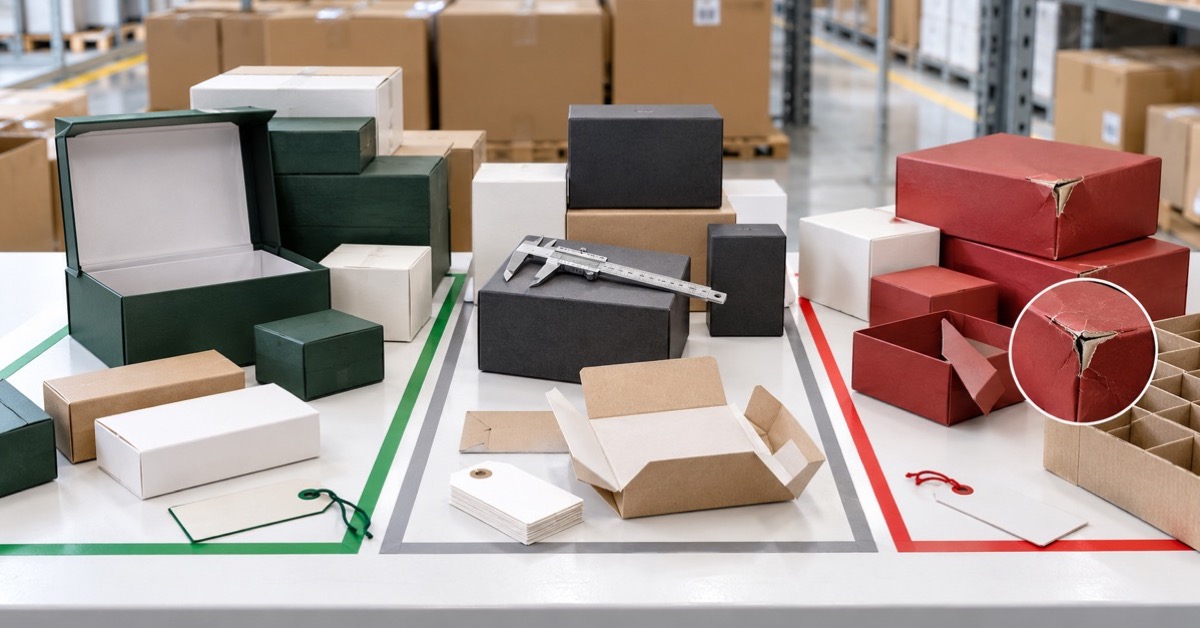
- plain structural mockup;
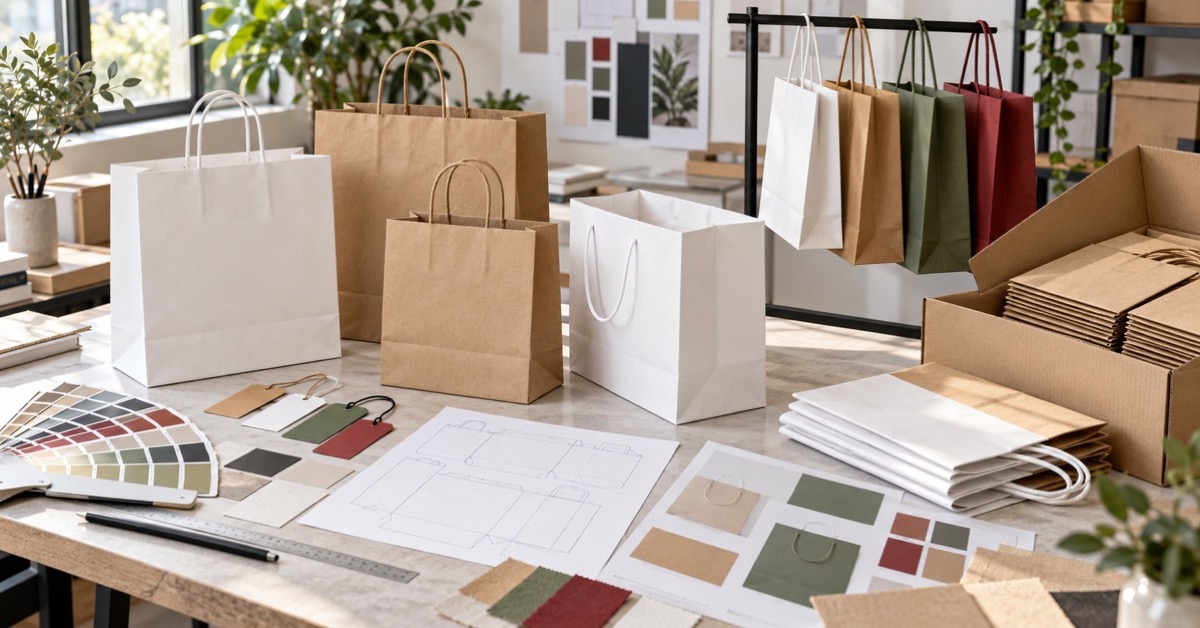
- material and color references;
- printed prototype;
- loaded shipping or handling trial;
- production-equivalent first article.
PackMK places more evidence before tooling, material commitment and large inventory exposure.
Gate three freezes only the copy that must be true
Separate required product identity and destination-specific content from optional campaign language. Name responsible reviewers and set a version deadline tied to production dependencies.
PackMK controls artwork comments in one log. Late copy changes can affect plates, codes, materials, schedule and obsolete inventory, so their cost must be visible.
Gate four treats MOQ as an allocation problem
Ask what creates the minimum: material, tooling, print setup, conversion, packing or supplier policy. Then test how the quantity allocates across sizes, designs, languages and delivery waves.
PackMK compares the minimum with realistic sell-through and storage. A low unit price can be expensive when it creates the wrong variant mix or excessive cash exposure.
Use a cash-exposure board before the purchase order
| Commitment | Recoverable? | Decision evidence |
|---|---|---|
| Design work | Partly | Approved brief |
| Tooling | Usually limited | Frozen structure |
| Custom material | Order-specific | Construction sample |
| Production | Inventory risk | Pilot acceptance |
| Freight and duty | Route-specific | Landed-cost basis |
PackMK separates deposits and timing from unit price so founders can see what becomes irreversible at each gate.
Gate five validates the pack-out, not only the retail face
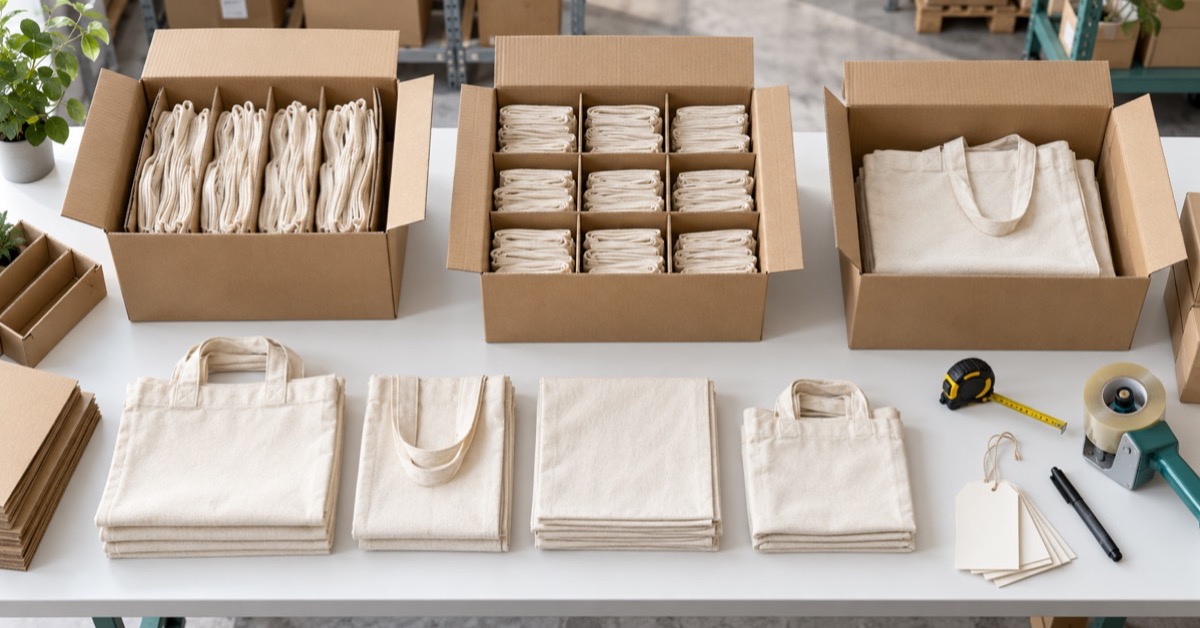
Assemble the product, insert, primary pack, label, shipper and any ecommerce protection in the intended sequence. Record labor, damage, movement, presentation and carton utilization.
PackMK tests the system at its actual handoffs. A polished retail box may still create slow assembly, dimensional shipping cost or receiving confusion.
Gate six releases a pilot with learning questions
Define what the pilot must answer: fit consistency, assembly time, print appearance, customer handling, damage, returns, code scanning, carton counts or supplier communication.
PackMK gives every question an owner and evidence source. A pilot that merely looks like a smaller production run can miss the chance to reduce the next commitment.
Gate seven reads launch evidence without overreacting
Collect receiving notes, pack-line observations, damage, customer feedback, returns and inventory movement. Separate one-off incidents from repeated patterns and identify the affected packaging decision.
PackMK keeps a defect and change log linked to samples. The next revision can then target a real interface instead of redesigning the entire brand system.
Delay SKU multiplication until operations can support it
New scents, sizes, languages and channel bundles multiply artwork, proofs, components, inventory and picking risk. Model the shared and unique parts before approving each variant.
PackMK favors a stable platform with controlled variable elements where appropriate. The approach protects brand distinction while reducing accidental complexity.
Scale by reopening named gates
A higher volume, retailer requirement, new destination, automation step or supplier change may alter tooling, materials, inspection and cartonization. Reopen the gates affected by the new condition.
PackMK does not assume the launch pack is the final pack. It preserves the evidence that still applies and upgrades the system deliberately.
Measure custom packaging for startups by learning quality
Track not only unit cost but also decision lead time, sample rounds, assembly time, damage, obsolete inventory, stockouts and the clarity of reorder records.
PackMK treats learning as an asset when it is documented. Each order should reduce uncertainty rather than restarting the same debate.
Stage-gate example: a two-SKU skincare launch
A founder plans two jar products for ecommerce and small retail tests. Product dimensions are stable, but final claims, forecast and retailer demand are still moving.
PackMK would fund one shared structural platform, plain fit samples and a controlled identity area first. The two SKUs could use common board and cartons while variable labels or print elements stay separately versioned.
A printed pilot would test assembly, jar protection, code scanning, parcel packing and customer presentation. The cash board would show tooling, custom material, finished inventory and delivery commitments by date.
Launch evidence would decide whether premium finishing improves the next order or whether protection, assembly or carton utilization deserves investment first. A third SKU would enter the platform map before artwork begins.
The startup retains a brief, approved samples, production references and change log. Scaling becomes a gate review rather than a complete packaging reset.
Use startup and quality resources to strengthen decision ownership
Market-planning and quality principles can help founders structure questions, while order facts still need physical and commercial evidence. Review U.S. SBA market research guidance and ISO quality management principles as general context. PackMK still releases an order only against the buyer brief, approved samples, production evidence and destination-specific decisions.
Write custom packaging for startups as a stage-gate brief
A decision-ready custom packaging for startups brief should define minimum viable format, stage gate, cash exposure, structural sample, artwork freeze, pilot quantity, unit economics, launch inventory, change trigger, scale plan. It should also identify PackMK, custom packaging for startups, founder, SKU, OEM, ODM, MOQ, purchase order. PackMK converts those fields into a quotation basis, approval route and evidence list that purchasing, quality, operations and receiving teams can read consistently.
Ask the supplier to state assumptions, exclusions, approved alternatives, tooling, minimums, inspection scope, packing and lead-time conditions. For custom packaging for startups, every broad promise should become a physical sample question, measurable tolerance, priced option or release gate before the purchase order is confirmed.
The right sequence depends on product risk, destination, channel, cash position, forecast, supplier capability and required date. This framework does not provide financial, legal or regulatory advice and does not guarantee market performance.
Effective custom packaging for startups protects both the product and the next decision. PackMK helps founders spend against evidence instead of locking every ambition into the first order.
Before approval, PackMK recommends a one-page decision record naming the selected route, rejected alternatives, evidence reviewed, open limitations, quantity basis, owner and review date. After delivery, add receiving observations, defects, user feedback, supplier response and retained references. This learning record prevents the next reorder from relying on memory or an unidentified old sample.
Build a startup packaging gate plan with PackMK
PackMK can support custom packaging for startups from buyer brief and physical samples through production checks and export packing. Send the product or application, artwork, quantities, variants, destination and required date to request a structured quotation for custom packaging for startups.
- Explore PackMK custom packaging formats
- Review PackMK OEM and ODM support
- Request a staged startup packaging quotation
Startup packaging planning questions
What should a startup fund first?
Fund product fit, protection, required identity, pack-out and the evidence needed to release a credible launch.
What is a minimum viable packaging format?
It is the smallest controlled system that performs the launch job and supports useful learning.
Should startups order the lowest unit price?
Not automatically; compare cash exposure, variant allocation, storage, obsolescence and landed cost.
How many samples are necessary?
Use enough sample stages to address structural, material, print, loaded and production-equivalent risks.
Can artwork be finished before structure?
Drafting can overlap, but final layout should reference the approved structure and production dieline.
How should MOQ be evaluated?
Identify what creates the minimum and model how it allocates across SKUs, versions and deliveries.
What should a pilot run prove?
Define questions about fit, assembly, print, handling, damage, codes, cartons and supplier control.
When should more SKUs be added?
Add them when demand and operations justify the extra artwork, inventory, picking and reorder complexity.
Does PackMK guarantee launch success?
No. PackMK supports packaging decisions and production evidence, while market outcomes depend on many factors.
What records should a startup retain?
Keep the brief, quotations, approvals, samples, specifications, inspection evidence, receiving notes and change log.