

The question how to order custom packaging sounds like a checkout instruction, but the difficult work happens before a purchase order. Buyers need to describe the product, choose a construction, compare supplier assumptions, approve a sample and preserve the decision trail for production and reorders.
PackMK uses a decision path with deliberate handoffs. It is practical for a new buyer or a team moving from ad hoc messages to a repeatable process. It does not replace legal, regulatory, commercial or payment advice; it makes the packaging decisions easier to see and verify.
Direct answer: Prepare a product-and-route brief, request comparable quotations, approve a physical sample, release artwork and inspection criteria together, then place the order with traceable packing and change instructions.
Begin with the product handoff
Write what the package holds, how it is packed, where it travels, who handles it and what the recipient should notice. Include dimensions, orientation, weight, fragility, channel, destination and required date.
PackMK uses the handoff to prevent decorative choices from outrunning protection, fit or shipping needs. A supplier can quote more accurately when the use route is visible.
The order path from idea to reorder
| Step | Buyer output | Supplier response |
|---|---|---|
| Brief | Product and route | Clarifying questions |
| Scope | Structure and decoration | Option set |
| RFQ | Comparable quantities | Priced assumptions |
| Sample | Approved reference | Production path |
| Release | Artwork and inspection | Order confirmation |
| Receive | Count and defects | Corrective response |
| Reorder | Change triggers | Controlled update |
PackMK keeps the same vocabulary from first inquiry to reorder, so a low price cannot hide an unpriced assumption.
Put these facts in the first RFQ
A concise first message should contain:
- product dimensions and packed orientation;
- packaging type and desired opening;
- material or finish preferences with alternatives;
- initial, repeat and variant quantities;
- sales channel, destination and date;
- artwork status and variable fields;
- sample question and acceptance owner.
PackMK turns those facts into comparable supplier questions instead of a long catalog request.
Decide what is fixed and what is flexible
Mark non-negotiables such as fit, code zone, brand color, food or product contact boundary, pack-out and delivery date. Mark flexible items such as board grade, handle, insert, finish or quantity split.
PackMK asks suppliers to price flexible choices separately. The buyer can then trade cost, lead time and performance without reopening settled requirements.
Compare quotations on assumptions
Read tooling, setup, materials, minimums, print coverage, finishing, inspection, packing, freight basis and lead time. Check whether quantities are per SKU, per artwork or total.
PackMK uses a comparison sheet with one row per assumption. A supplier that answers every line is easier to manage than one that sends only a unit price.
Choose the right sample route
Decide whether you need a white mockup, digital proof, printed sample, production-equivalent piece or a loaded shipping trial. State what each sample proves.
PackMK avoids asking a single sample to prove every risk. The sample route should match the decisions that could still change.
Release artwork as a controlled file
Use a file name, version, date, dieline, bleed, copy owner, variable fields, finish mask and approval note. Keep one released file and a short comment log.
PackMK treats final or latest as insufficient when several teams exchange files. The purchase order should point to the exact approved version.
A purchase order should name the evidence
| Line | Name it | Why |
|---|---|---|
| Construction | Material and code | Reproducibility |
| Artwork | Version and date | Identity |
| Sample | Accepted reference | Release |
| Inspection | Feature and tolerance | Decision |
| Packing | Carton marks and count | Receiving |
| Change | Reopen triggers | Control |
PackMK makes the order readable to purchasing, production, quality and receiving instead of leaving key decisions in chat history.
Set inspection before production
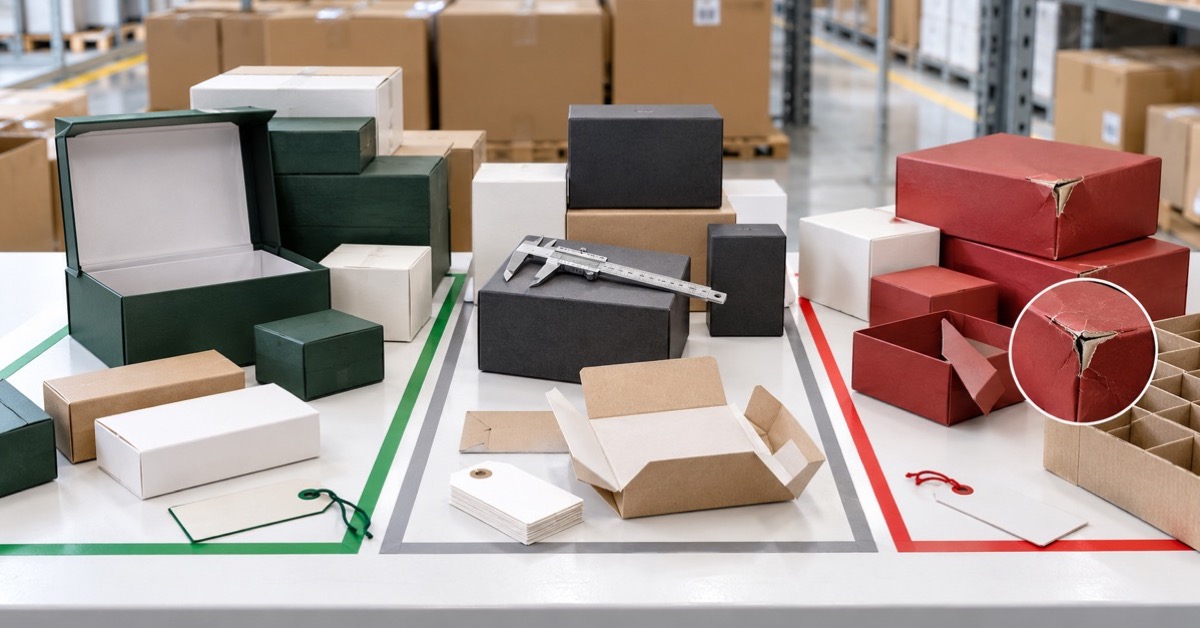
List identity, dimensions, print, finish, fit, closure, variable fields, quantity, carton marks and sample positions. State who can accept, hold or reject the order.
PackMK keeps inspection proportionate to the risk. A simple label order and a complex rigid box do not need the same checklist, but both need an agreed release point.
Make packing part of the product
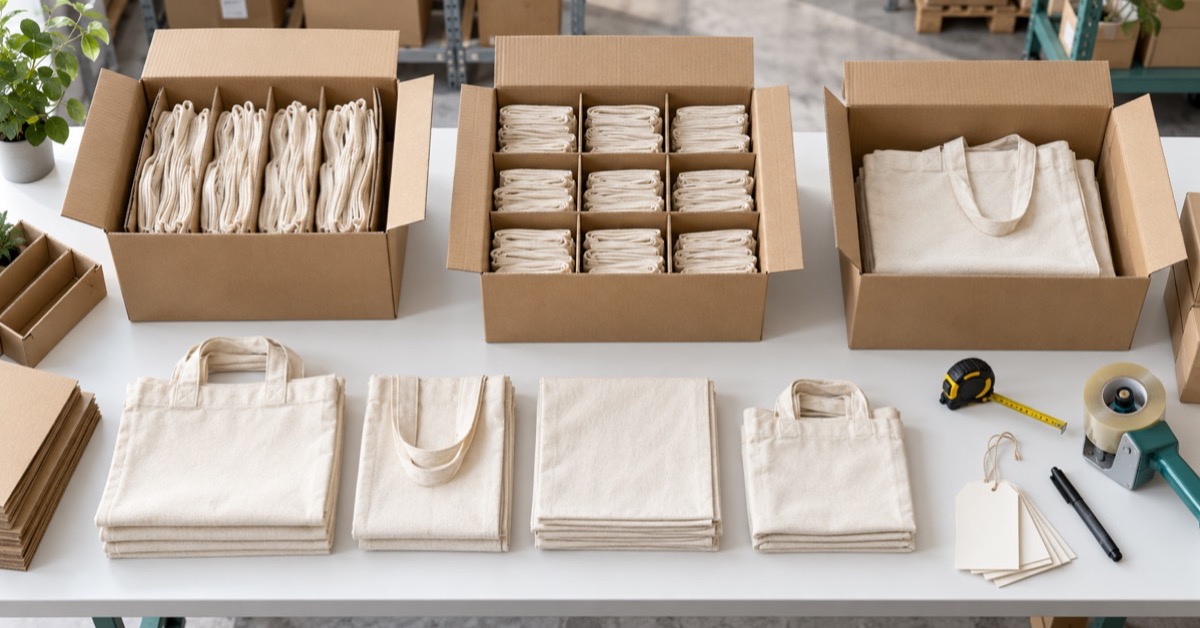
Specify inner protection, bundle count, orientation, carton size, carton range, moisture control, pallet or parcel needs and documents. Include a receiving photo or sample when helpful.
PackMK tests the packed route where damage or mix-ups occur. A package that leaves the line correctly can still arrive unidentifiable or scuffed.
Handle changes with a written gate
Log new copy, product, material, quantity, finish, destination, code, carton or date. Ask which sample, tool, price or lead-time line reopens.
PackMK preserves the approved baseline beside the change. That prevents a seemingly small shortcut from changing the package without an owner.
Receive against the same brief
Check carton marks, SKU, quantity, visible defects, construction, sample match and storage condition. Photograph exceptions and isolate mixed or unclear cartons.
PackMK closes the loop with a receiving record. The record is evidence for a correction and a useful input for the next order.
Turn the first order into a platform
Retain approved samples, artwork, construction code, supplier contacts, inspection, carton marks, quote assumptions and change triggers. Note what can be shared across variants.
PackMK makes the next order faster without blindly repeating old choices. Stable components stay stable; changed constraints reopen deliberately.
Know when to stop comparing
A shortlist is useful until the remaining suppliers meet the required evidence, route, date and commercial boundaries. More quotes do not fix an unclear brief.
PackMK recommends a decision note naming the selected supplier, rejected alternatives, open risks and review date. The goal is an accountable order, not endless browsing.
Review supplier performance fairly
Compare quote accuracy, sample usefulness, response time, production consistency, packing, receiving condition and change handling against the agreed scope.
PackMK records facts rather than broad labels such as reliable. The next RFQ can then reward the controls that actually mattered.
Order example: a launch kit with three pack sizes
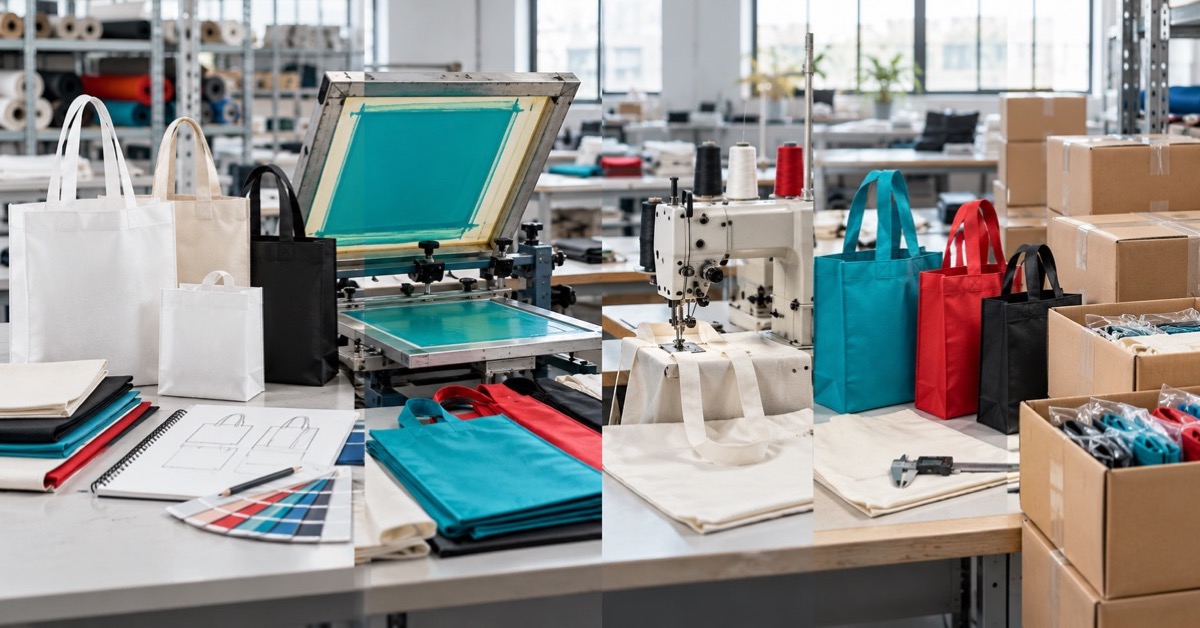
A software company needs a mailer, a small carton and a reusable tote for a partner launch. The artwork is approved, but pack-out and shipping quantities differ by region.
PackMK would issue one brief with three linked components, a shared brand system and separate protection questions. Suppliers would quote the components and quantity splits against the same assumptions.
A mockup would settle fit and insertion, while a packed parcel trial would check the mailer and carton route. The tote would receive its own loaded-handle test rather than inheriting a paper-package assumption.
The purchase order would name each construction, artwork version, sample, inspection and carton mark. A later regional quantity change would reopen the packing and freight lines without rewriting the approved artwork.
Use procurement references as context
Procurement guidance can help teams discuss scope and supplier communication, but packaging performance still depends on physical samples and order-specific evidence. For general context, review CIPS supplier relationship guidance and ISO quality management principles. PackMK still bases a quotation on the buyer brief, samples, process evidence and destination requirements.
Turn how to order custom packaging into an RFQ brief
A decision-ready how to order custom packaging brief should define product brief, packaging scope, supplier shortlist, sample approval, quotation comparison, artwork release, inspection plan, packing marks, purchase order, reorder control. It should also identify PackMK, how to order custom packaging, supplier, sample, RFQ, OEM, ODM, MOQ. PackMK turns those details into a quotation basis, approval path and evidence list shared by purchasing, quality, operations and receiving.
Ask the supplier to state assumptions, exclusions, approved alternatives, tooling, minimums, inspection scope, packing and lead-time conditions. For how to order custom packaging, broad adjectives should become a sample question, tolerance, priced option or release gate before the order is confirmed.
Ordering outcomes depend on product, route, supplier capability, quantities, materials, tooling, artwork, inspection, packing, destination and commercial terms. This guide is not legal, financial or payment advice.
The practical answer to how to order custom packaging is a traceable decision path. PackMK helps buyers carry the same facts from RFQ to sample, purchase order, receiving and reorder.
Keep a one-page decision record with the selected route, rejected alternatives, evidence reviewed, open limitations, quantity basis, owner and review date. After delivery, add receiving observations, defects, user feedback, supplier response and retained references so a reorder reopens only changed decisions.
Build a controlled custom packaging order with PackMK
PackMK can support how to order custom packaging from buyer brief and samples through production checks and export packing. Send the product or application, artwork, quantities, variants, destination and required date to request a structured quotation for how to order custom packaging.
- Explore PackMK custom packaging options
- Review PackMK OEM and ODM support
- Request a decision-ready custom packaging quotation
How to order custom packaging questions
What belongs in the first inquiry?
Include product, dimensions, route, packaging scope, quantities, variants, artwork, destination and date.
How should quotes be compared?
Compare assumptions for tooling, material, setup, finishing, inspection, packing, freight and lead time.
Do I need a physical sample?
Use one whenever fit, load, opening, print, finish or route behavior could change the decision.
How should artwork be released?
Use one named version with dieline, date, owner, variable fields and approval note.
What should the purchase order include?
Name construction, artwork, sample, inspection, packing marks, quantity and change triggers.
Who owns inspection?
Name the person or team who can accept, hold or reject against the agreed criteria.
What if a quantity changes?
Ask which setup, packing, freight, minimum or lead-time lines reopen.
How should receiving be documented?
Check identity, quantity, visible defects, sample match, cartons and storage condition.
When should a reorder use a new RFQ?
Reopen affected decisions when product, route, material, supplier, quantity or destination changes.
How does PackMK support ordering?
PackMK structures the brief, options, samples, inspection, packing and reorder evidence.