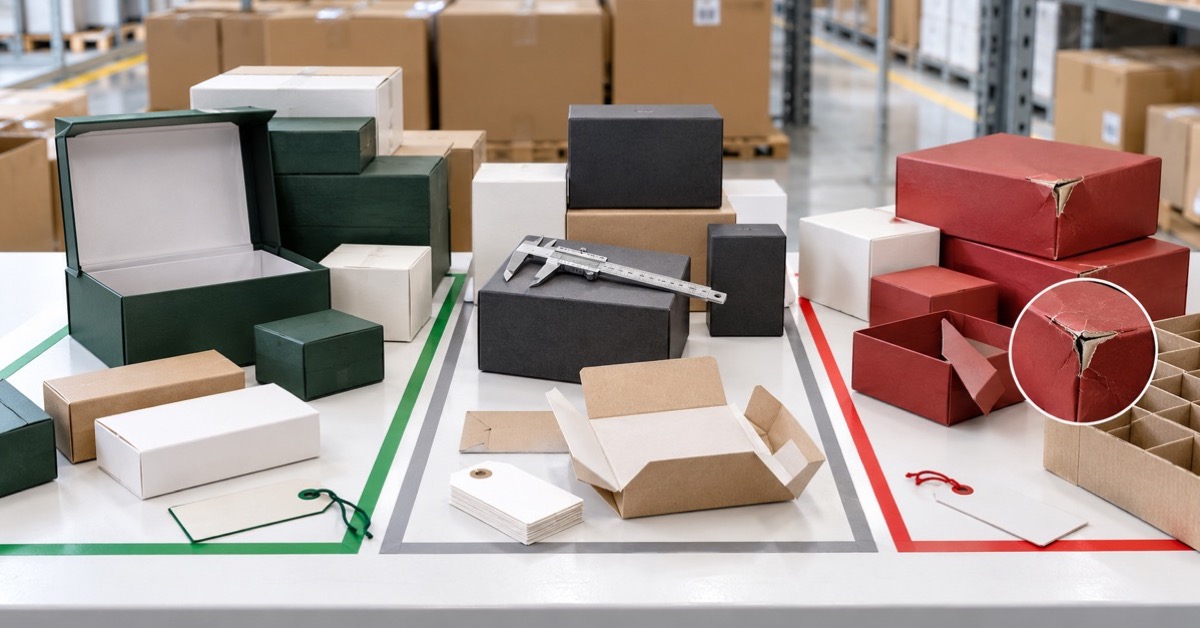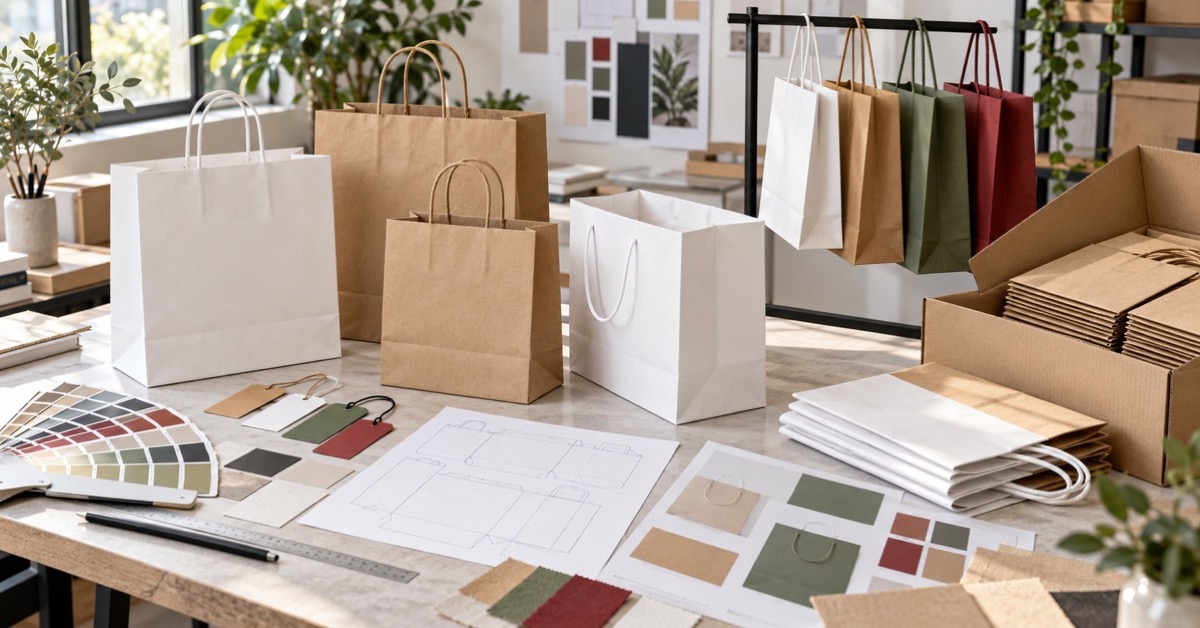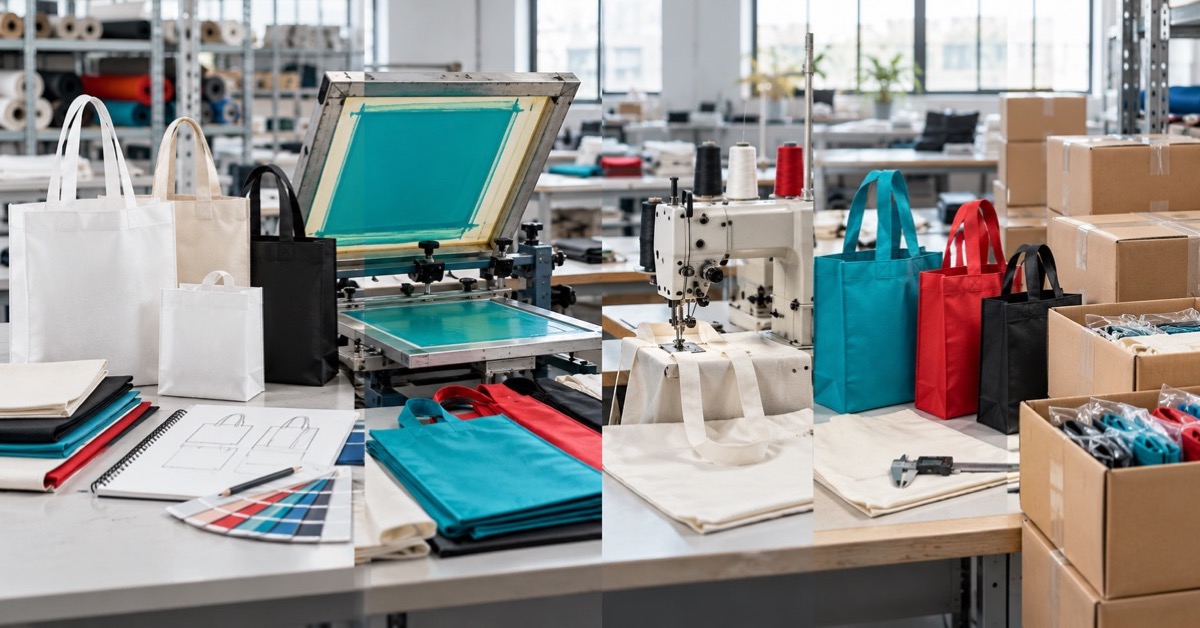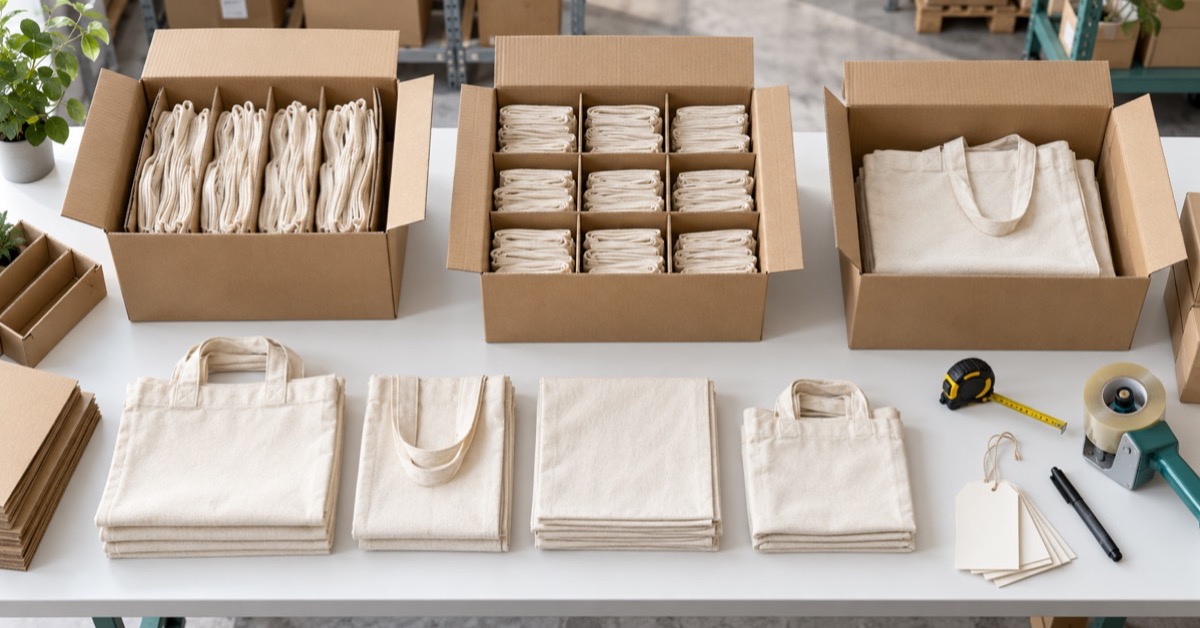


A low unit price can hide tooling, setup, assembly, packing and freight assumptions. Sourcing factory direct paper boxes works best when each cost is connected to a specification decision. PackMK traces the quote from board purchase through conversion and delivery.
The objective is not to remove every cost. It is to see which costs protect product fit, presentation and repeatability, which arise from complexity, and which have simply moved outside the supplier's unit price.
PackMK assigns every final decision an owner, approval date and retained reference before bulk production.
Cost path 1: normalize the quote scope
Place dimensions, quantity, materials, printing, finishes, inserts, assembly, inspection and packing on one comparison sheet. The cost should be traced to a material, operation, tolerance or service that creates buyer value. PackMK separates necessary specification cost from avoidable complexity before comparing supplier quotations.
Require suppliers to mark exclusions, assumptions, taxes and delivery terms instead of leaving blank cells. The control should prevent a cheaper quote covering a smaller product. Record the method, result, approval date and any limitation beside the current product specification so purchasing, production and inspection use the same evidence.
Cost path 2: measure usable dimensions
Confirm whether quoted dimensions are internal or external and how board thickness changes fit. The cost should be traced to a material, operation, tolerance or service that creates buyer value. PackMK separates necessary specification cost from avoidable complexity before comparing supplier quotations.
Use a blank sample with representative product tolerances before pricing a larger safety allowance. The control should prevent paying for material and freight because fit was estimated. Record the method, result, approval date and any limitation beside the current product specification so purchasing, production and inspection use the same evidence.
Cost path 3: select structure by function
Compare folding carton, corrugated mailer, rigid setup, drawer and sleeve formats against the actual route. The cost should be traced to a material, operation, tolerance or service that creates buyer value. PackMK separates necessary specification cost from avoidable complexity before comparing supplier quotations.
Time forming, loading, closing and opening with the intended product and packing location. The control should prevent choosing an expensive architecture for appearance alone. Record the method, result, approval date and any limitation beside the current product specification so purchasing, production and inspection use the same evidence.
Cost path 4: name the board
Record grade, thickness or caliper, stiffness, flute where relevant, color, liner and coating. The cost should be traced to a material, operation, tolerance or service that creates buyer value. PackMK separates necessary specification cost from avoidable complexity before comparing supplier quotations.
Approve a production-equivalent reference and write how substitutions are requested and evaluated. The control should prevent quotes using the same board name for different inputs. Record the method, result, approval date and any limitation beside the current product specification so purchasing, production and inspection use the same evidence.
Cost path 5: calculate sheet yield
Review dieline nesting, grain direction, print sheet and necessary process margins. The cost should be traced to a material, operation, tolerance or service that creates buyer value. PackMK separates necessary specification cost from avoidable complexity before comparing supplier quotations.
Ask how dimension changes affect yield before accepting a small size increase. The control should prevent one extra millimeter moving the layout to a worse yield. Record the method, result, approval date and any limitation beside the current product specification so purchasing, production and inspection use the same evidence.
Cost path 6: separate print setup
Identify plate, make-ready, color matching and minimum run effects separately from running quantity. The cost should be traced to a material, operation, tolerance or service that creates buyer value. PackMK separates necessary specification cost from avoidable complexity before comparing supplier quotations.
Compare artwork versions and combine only those that genuinely share process settings and material. The control should prevent assuming all additional versions have only a unit cost. Record the method, result, approval date and any limitation beside the current product specification so purchasing, production and inspection use the same evidence.
Cost path 7: price ink and coverage
Distinguish spot colors, process print, white ink, inside print and heavy solid coverage. The cost should be traced to a material, operation, tolerance or service that creates buyer value. PackMK separates necessary specification cost from avoidable complexity before comparing supplier quotations.
Approve color on final board and inspect whether coverage needs extra passes or surface preparation. The control should prevent screen artwork hiding production coverage requirements. Record the method, result, approval date and any limitation beside the current product specification so purchasing, production and inspection use the same evidence.
Cost path 8: expose finish operations
List lamination, varnish, foil, embossing, debossing, windows and local coatings as separate process steps. The cost should be traced to a material, operation, tolerance or service that creates buyer value. PackMK separates necessary specification cost from avoidable complexity before comparing supplier quotations.
Ask for tooling, setup, position tolerance, waste and manual handling associated with each finish. The control should prevent a small decorative detail controlling the schedule and cost. Record the method, result, approval date and any limitation beside the current product specification so purchasing, production and inspection use the same evidence.
Cost path 9: identify tooling ownership
Separate dies, plates, foil blocks, embossing tools and jigs with storage and reuse terms. The cost should be traced to a material, operation, tolerance or service that creates buyer value. PackMK separates necessary specification cost from avoidable complexity before comparing supplier quotations.
Tie every tool identifier to the active dieline or artwork revision and record expected repeat charges. The control should prevent paying again or reusing obsolete tooling. Record the method, result, approval date and any limitation beside the current product specification so purchasing, production and inspection use the same evidence.
Cost path 10: count insert complexity
Evaluate insert material, number of components, assembly, product loading and tolerance. The cost should be traced to a material, operation, tolerance or service that creates buyer value. PackMK separates necessary specification cost from avoidable complexity before comparing supplier quotations.
Test whether a simpler folded insert or shared component performs the same retention and presentation role. The control should prevent an insert costing more in labor than material. Record the method, result, approval date and any limitation beside the current product specification so purchasing, production and inspection use the same evidence.
Cost path 11: locate manual assembly
Map wrapping, gluing, folding, ribbon, magnet, cleaning and product-loading operations. The cost should be traced to a material, operation, tolerance or service that creates buyer value. PackMK separates necessary specification cost from avoidable complexity before comparing supplier quotations.
Time production-equivalent work and identify jigs or design changes that reduce variation and labor. The control should prevent manual work hidden behind a machine-made appearance. Record the method, result, approval date and any limitation beside the current product specification so purchasing, production and inspection use the same evidence.
Cost path 12: price quality evidence
Define incoming checks, first article, in-process control, final inspection and any third-party attendance. The cost should be traced to a material, operation, tolerance or service that creates buyer value. PackMK separates necessary specification cost from avoidable complexity before comparing supplier quotations.
Connect each check to a material, dimension, appearance or functional risk with clear acceptance. The control should prevent removing inspection cost while leaving quality expectations unchanged. Record the method, result, approval date and any limitation beside the current product specification so purchasing, production and inspection use the same evidence.
Cost path 13: model packing cube
Compare flat, nested and assembled packing with individual protection and pieces per carton. The cost should be traced to a material, operation, tolerance or service that creates buyer value. PackMK separates necessary specification cost from avoidable complexity before comparing supplier quotations.
Use actual carton dimensions and gross weight to calculate storage and freight consequences. The control should prevent saving box labor while multiplying logistics volume. Record the method, result, approval date and any limitation beside the current product specification so purchasing, production and inspection use the same evidence.
Cost path 14: include buyer-side labor
Count forming, loading, closing, labeling, inspection and waste handling moved to the warehouse or co-packer. The cost should be traced to a material, operation, tolerance or service that creates buyer value. PackMK separates necessary specification cost from avoidable complexity before comparing supplier quotations.
Run a timed trial and combine supplier price with buyer labor for a landed operating comparison. The control should prevent a low factory price increasing total fulfillment cost. Record the method, result, approval date and any limitation beside the current product specification so purchasing, production and inspection use the same evidence.
Cost path 15: calculate variant fragmentation
Review quantities by size, language, color, artwork and insert rather than total order quantity. The cost should be traced to a material, operation, tolerance or service that creates buyer value. PackMK separates necessary specification cost from avoidable complexity before comparing supplier quotations.
Identify shared components and controlled late-stage customization without mixing SKU identity. The control should prevent an apparent MOQ hiding many inefficient micro-runs. Record the method, result, approval date and any limitation beside the current product specification so purchasing, production and inspection use the same evidence.
Cost path 16: protect reorder economics
Store board, dieline, artwork, tools, sample, inspection and packing as the approved baseline. The cost should be traced to a material, operation, tolerance or service that creates buyer value. PackMK separates necessary specification cost from avoidable complexity before comparing supplier quotations.
State which costs should not recur when nothing changes and how raw-material changes will be approved. The control should prevent a repeat order being quoted as a new development project. Record the method, result, approval date and any limitation beside the current product specification so purchasing, production and inspection use the same evidence.
Follow paper-box cost from input to delivery
| Cost block | Primary driver | Evidence |
|---|---|---|
| Board | Grade and yield | Named reference |
| Printing | Colors and coverage | Physical proof |
| Finishing | Operations and tools | Process list |
| Assembly | Manual time | Timed trial |
| Logistics | Carton cube | Packed carton |
Test whether a saving changes total cost
| Proposed saving | Factory effect | Buyer effect | Check |
|---|---|---|---|
| Flat pack | Less volume | More forming | Timed setup |
| Thinner board | Lower material | More damage risk | Route trial |
| Remove finish | Fewer steps | Changed appearance | Physical proof |
| Larger MOQ | Lower unit cost | More inventory | Demand plan |
| Shared box | Better volume | More insert work | Loaded sample |
Verify paper sourcing and process assumptions
Sourcing and quality frameworks support due diligence, while the quotation must still identify order-specific materials and operations. Review the FSC chain-of-custody information and ISO quality management principles for useful context. Order acceptance still depends on the actual product, approved sample, destination and documented test conditions.
Compare factory direct paper boxes on equal scope
For factory direct paper boxes, record board specification, box structure, print coverage, special finish, tooling charge, setup waste, manual assembly, quality inspection, carton cube, reorder baseline. The controlled file also identifies PackMK, FSC, ISO, paperboard, corrugated board, dieline, MOQ, carton. This vocabulary turns a broad sourcing phrase into fields that suppliers can quote and inspectors can verify.
Source factory direct paper boxes with PackMK
PackMK can develop factory direct paper boxes from brief and samples through production, quality checks and export packing. Send PackMK the product, intended use, artwork, quantity, variants, destination and required date to request a structured quotation for factory direct paper boxes.
Factory-direct paper box cost questions
What is needed to quote factory direct paper boxes?
For factory direct paper boxes, provide product dimensions and tolerance, structure, board, artwork, finishes, inserts, quantity by variant, assembly, packing and destination.
Why can two paper box quotes differ greatly?
They may use different dimensions, board, print coverage, finishes, tooling, assembly, inspection, packing, delivery terms or variant assumptions.
How does box size affect price?
Dimensions change material area, sheet yield, insert design, pieces per carton, gross weight and freight volume, sometimes in non-linear steps.
Which tooling charges may apply?
Depending on design, charges can include dies, plates, foil blocks, embossing tools, jigs and setup, each with ownership and reuse terms.
Does flat packing always reduce total cost?
It can reduce transport and storage cube but transfers forming labor and quality responsibility to the buyer or co-packer.
How do special finishes affect cost?
Finishes add materials, tooling, setup, position tolerance, waste, handling and schedule dependencies beyond their visible area.
Why should variant quantities be listed separately?
Each size, language, artwork or insert can create its own setup and minimum-efficient run even when the total order is large.
What quality costs should be included?
Include incoming material checks, first article, in-process controls, final inspection, testing and any third-party inspection required by the buyer.
What should not recur on an unchanged reorder?
Approved development and usable tooling may not need to repeat, but current material, production, inspection and packing still require confirmation.
How does PackMK prepare comparable paper-box quotes?
PackMK can normalize structure, materials, artwork, operations, tooling, variants, quality evidence, packing and delivery assumptions before quotation.