

Non-Woven Insulated Food Delivery Bag Overview
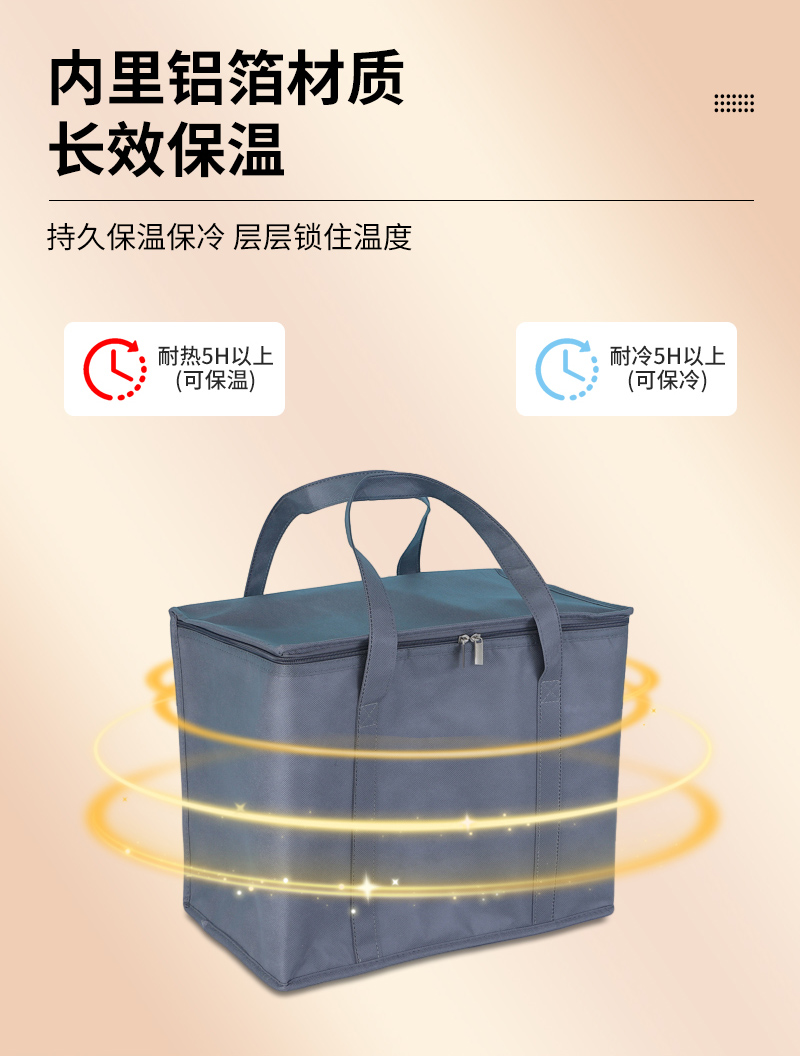
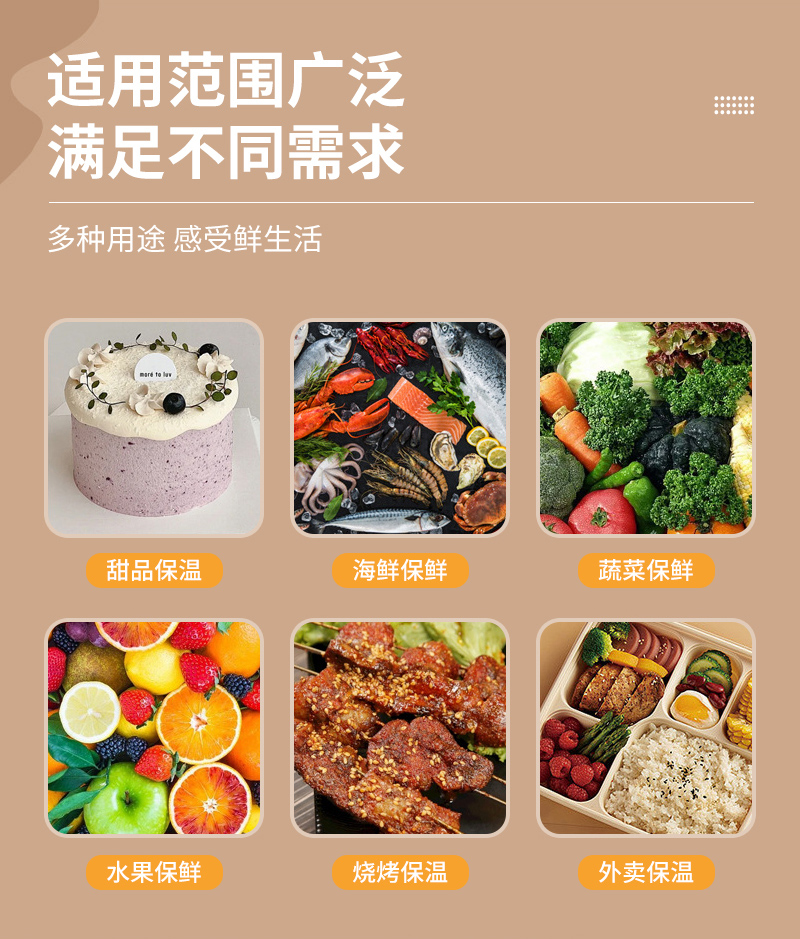
 The non-woven insulated food delivery bag is designed to solve a practical transport problem: keeping meals, cakes, drinks, and takeaway items in a more stable condition while they move from kitchen to customer or from home to destination. For restaurants, bakeries, and delivery teams, temperature loss and messy transport are common issues. This type of bag helps create a protected interior space for food handling, while the non-woven outer structure supports everyday carrying and repeated use.
Based on the provided product information, this category includes box-style tote bags for cakes and takeaway, as well as thermal liner constructions with aluminum foil and cushioning layers. The visible structures suggest a focus on insulation, freshness retention, and easier cleaning for food transport scenarios.
Product Structure and Core Features
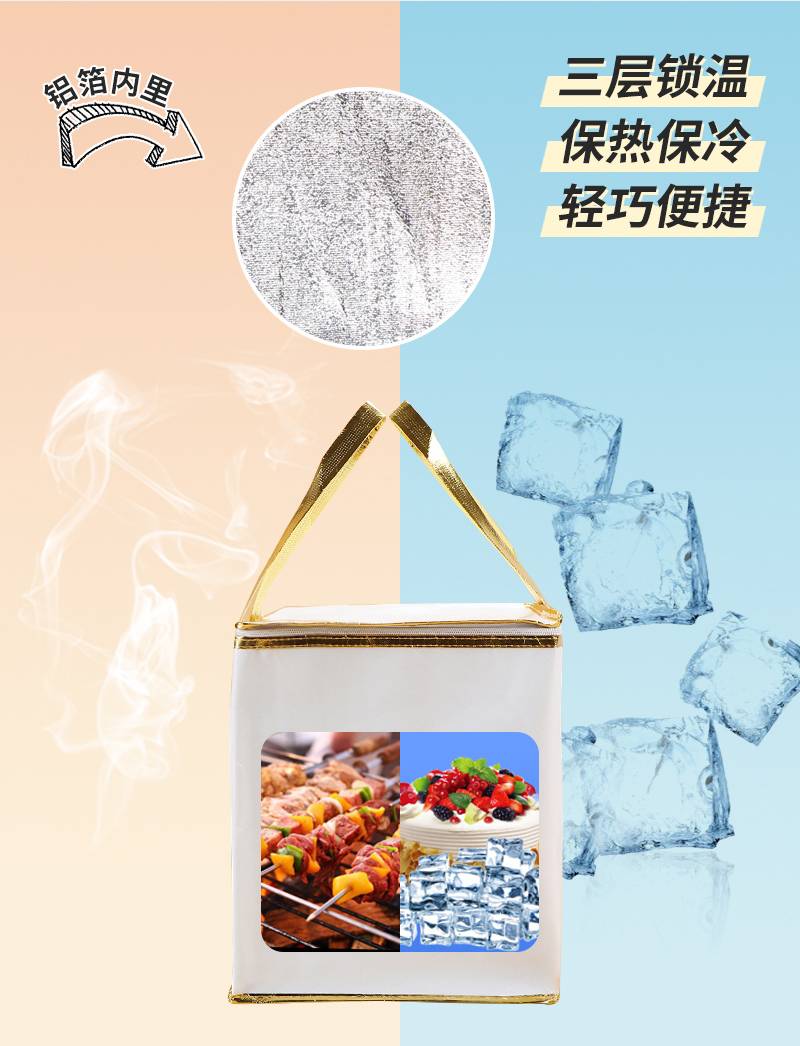
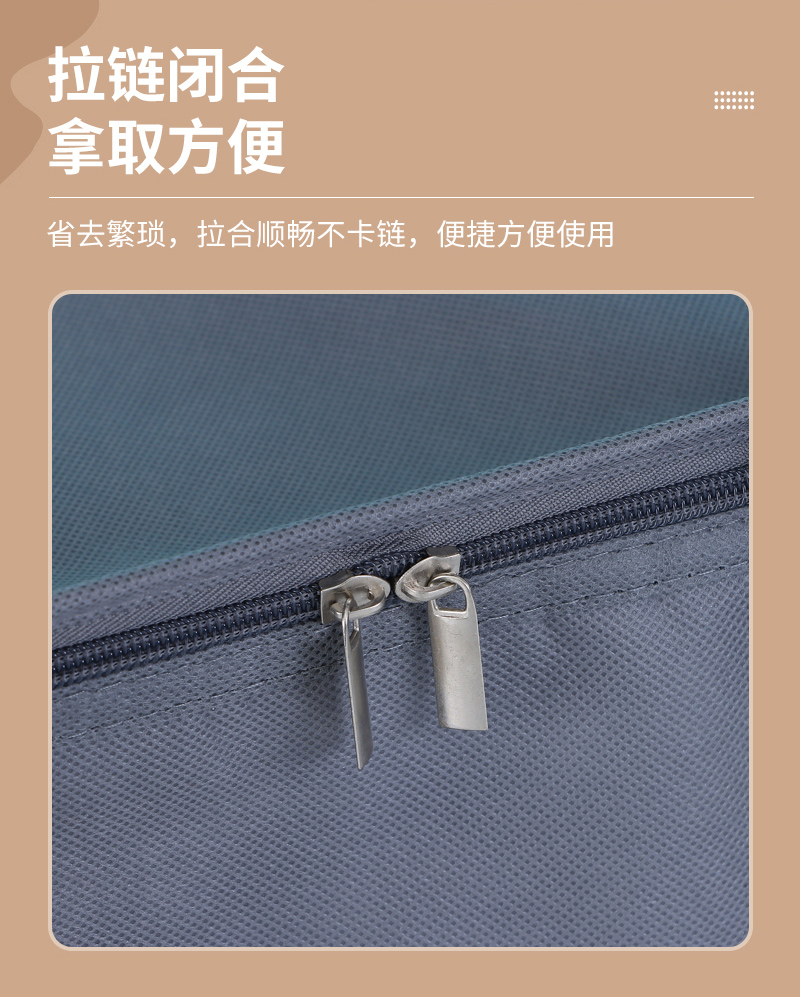
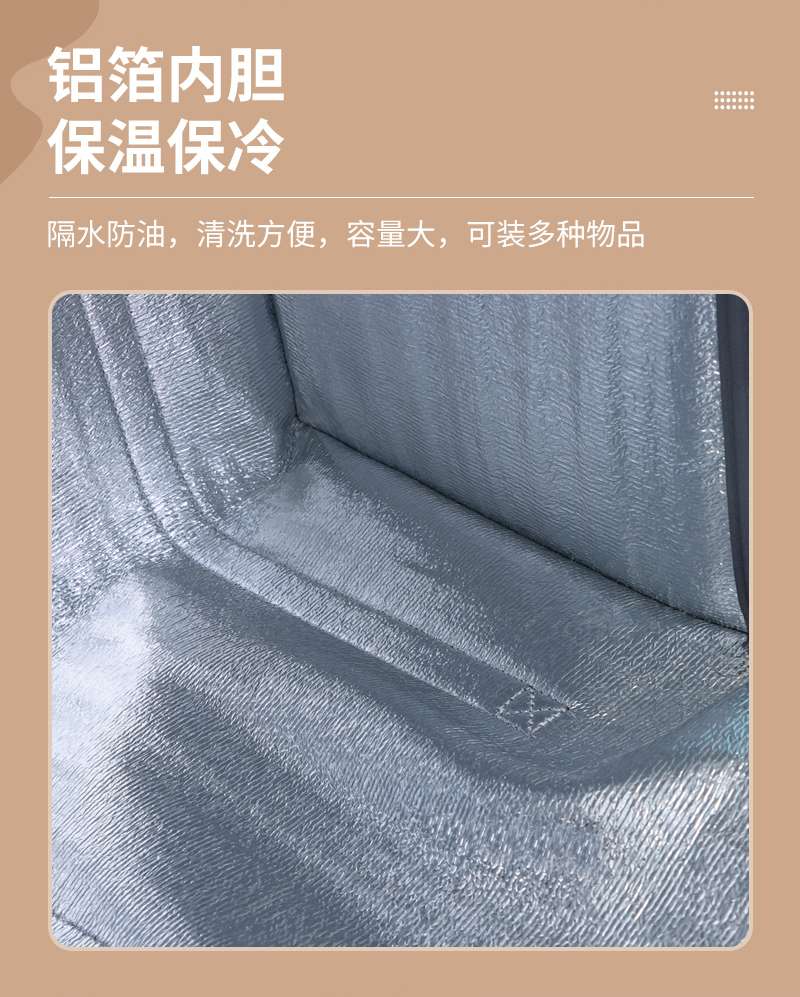
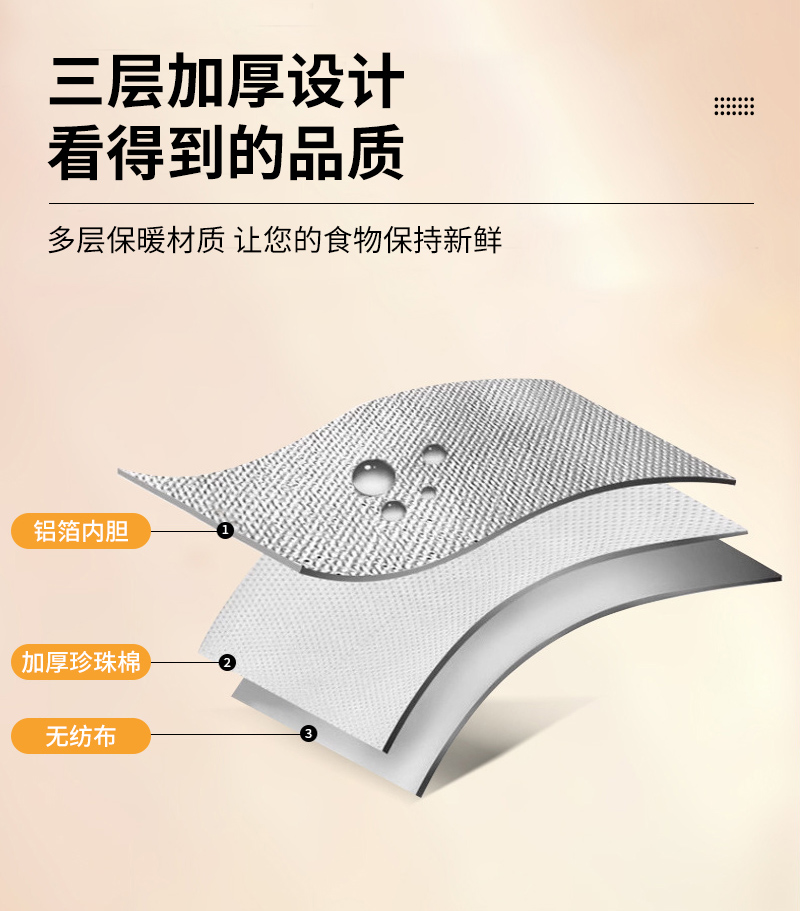
The product family shown here uses layered or laminated construction concepts. One version features a three-layer insulated sheet structure: an aluminum foil inner liner, a thickened pearl cotton or EPE foam middle layer, and a nonwoven backing layer. Another version is a sewn non-woven fabric bag with a zipper opening, gusseted sides, and a flat base for upright placement. A foil-lined insulated insert is also shown as a box-shaped interior with reinforced seams.
These structures are aimed at keeping food in a more controlled environment during transport. The aluminum foil surface can help with thermal reflection, while the foam layer adds insulation and cushioning. The non-woven fabric outer layer contributes to the bag's light weight and practical handling.
Visible Specifications and Capabilities
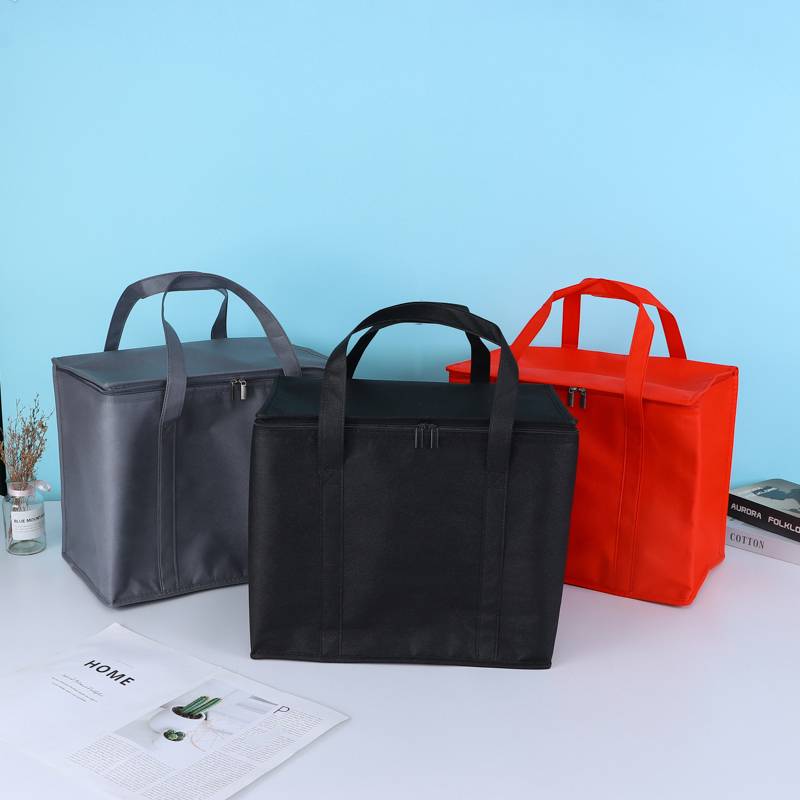
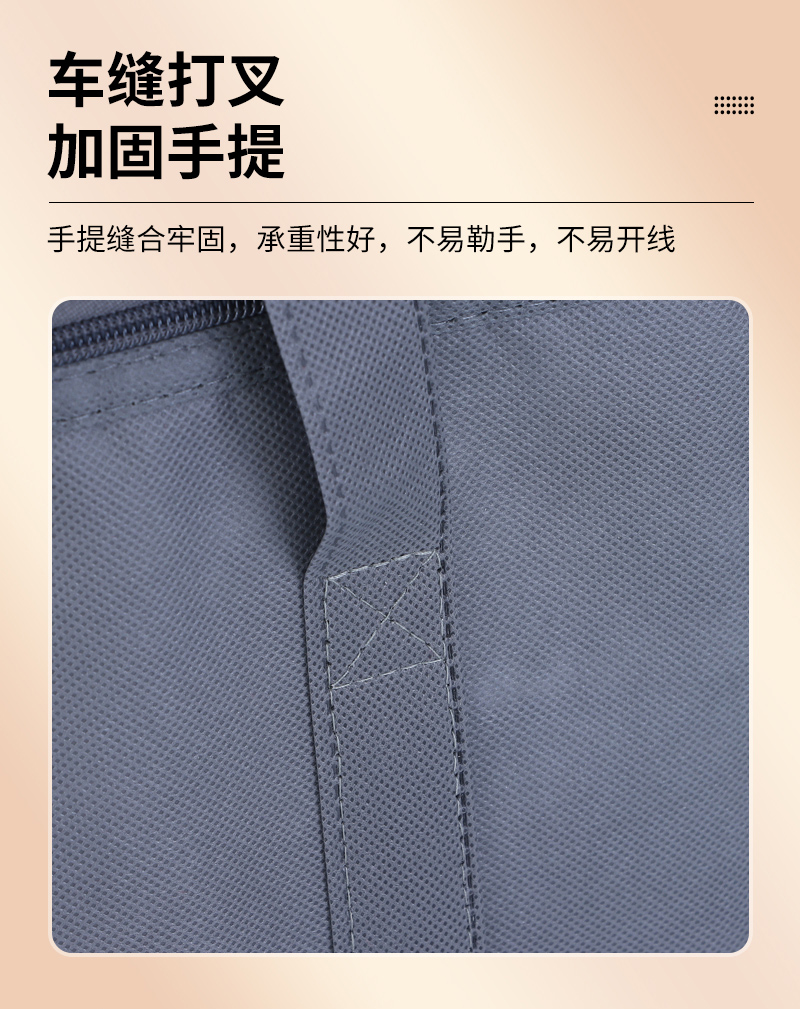
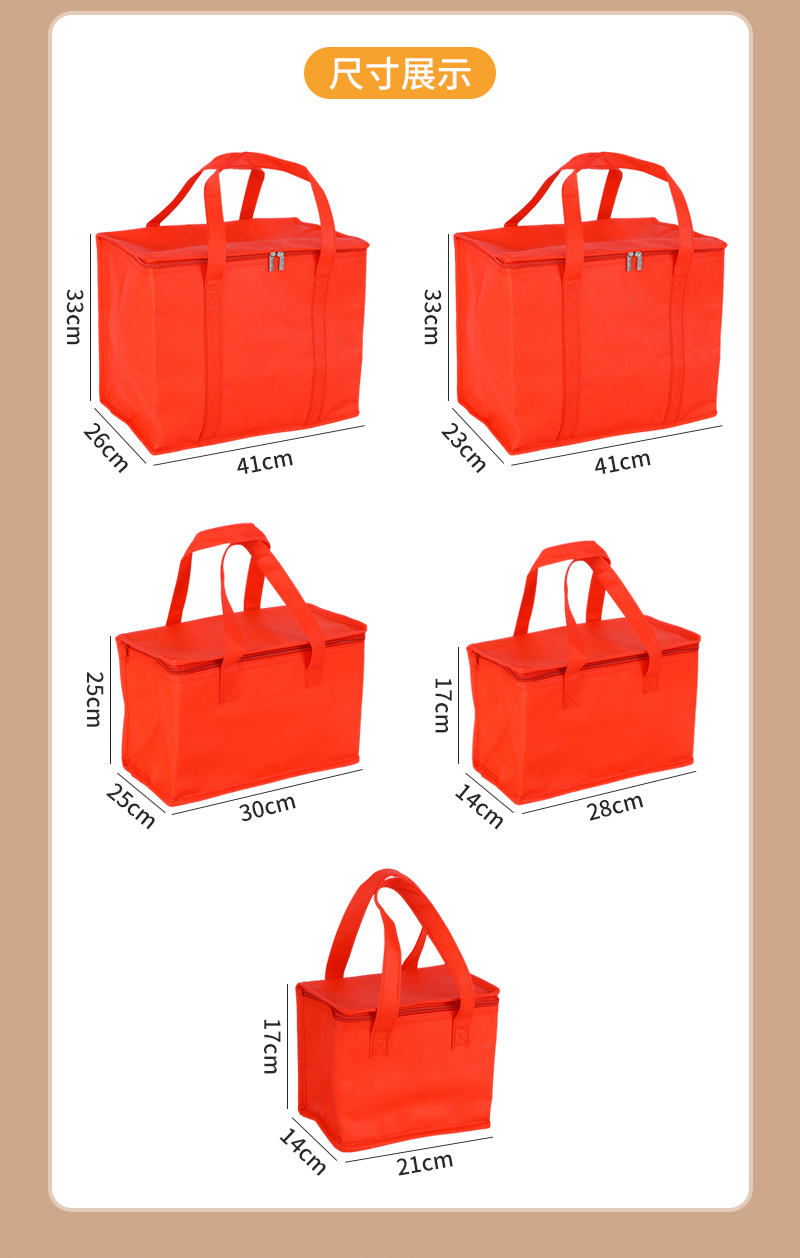
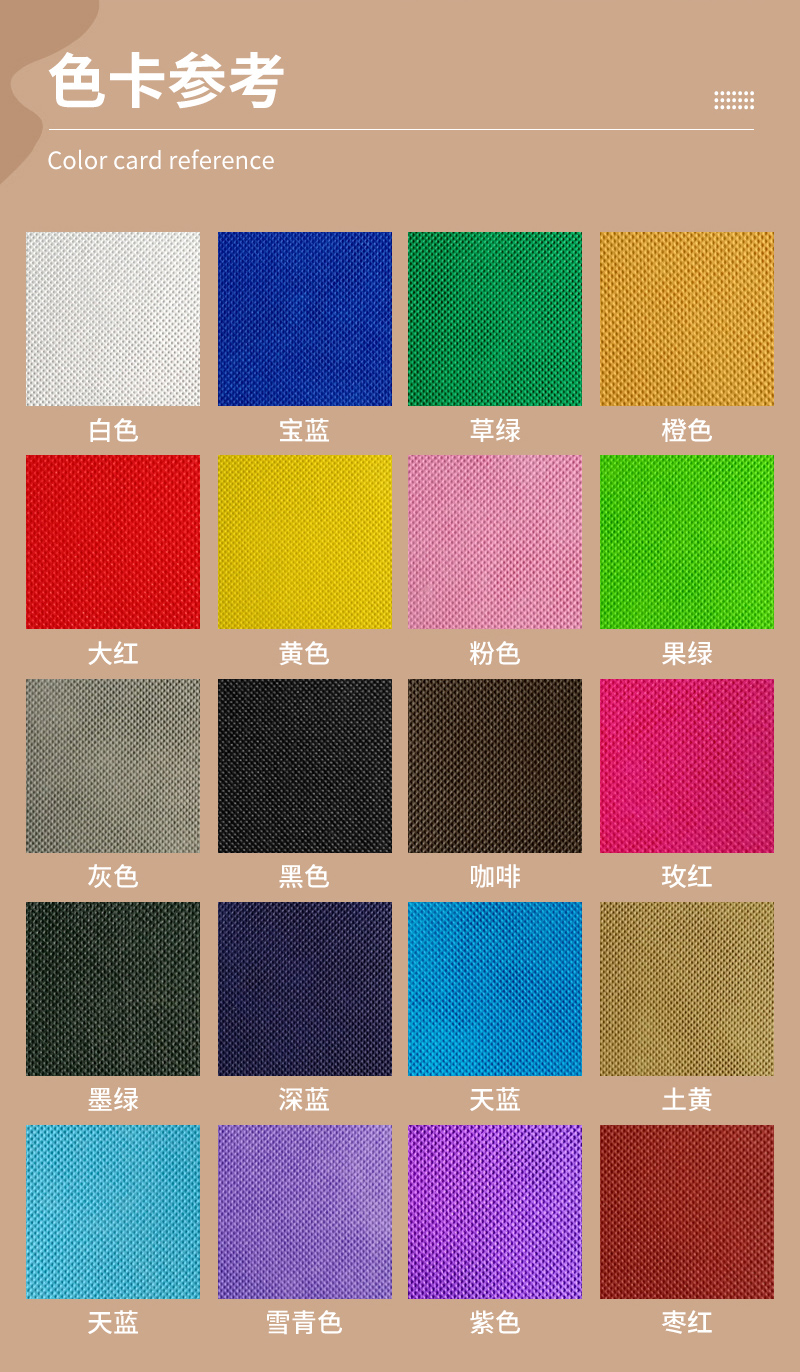
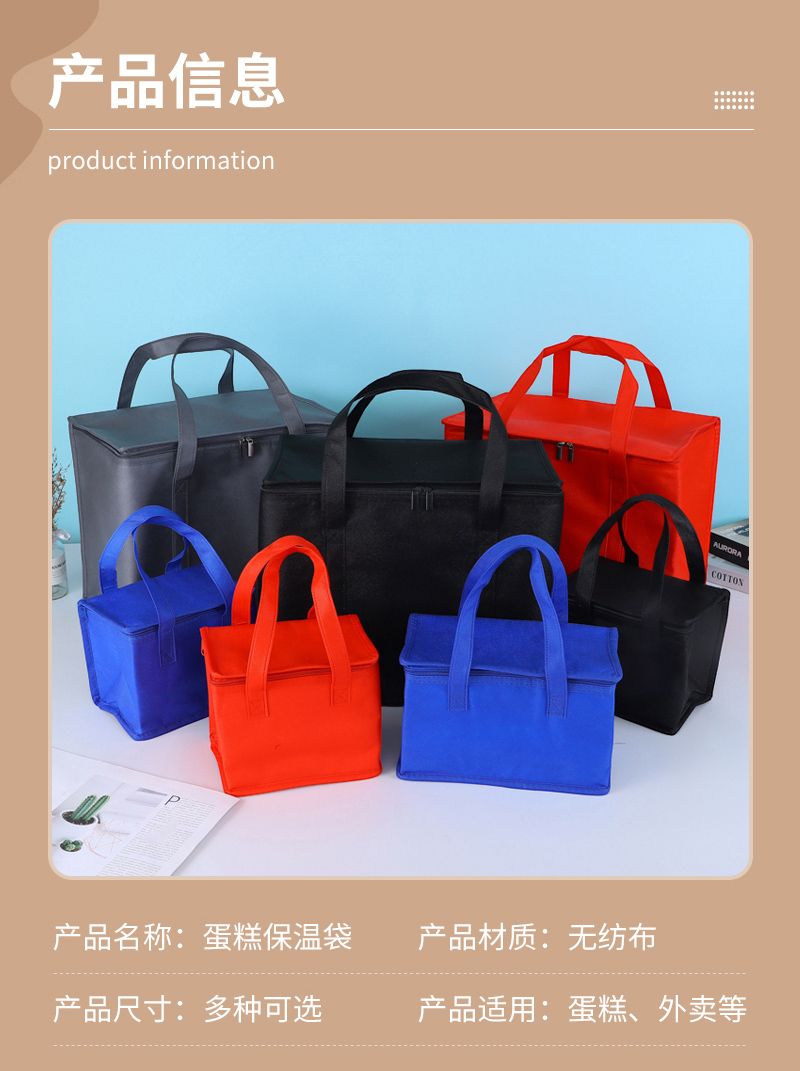
The available information indicates multiple size options for the cake insulation bag style, and multiple colors such as black, gray, red, and blue. The bag shape is boxy and structured, which can help it stand upright on counters, delivery bikes, or in car storage spaces. The zipper closure visible in the image supports enclosed transport, while stitched handles make hand-carrying more convenient.
For the foil-liner style, the visible selling points include heat retention, cold preservation, waterproof and oil-proof performance, easy cleaning, and a large-capacity interior.
Materials and Finish Options
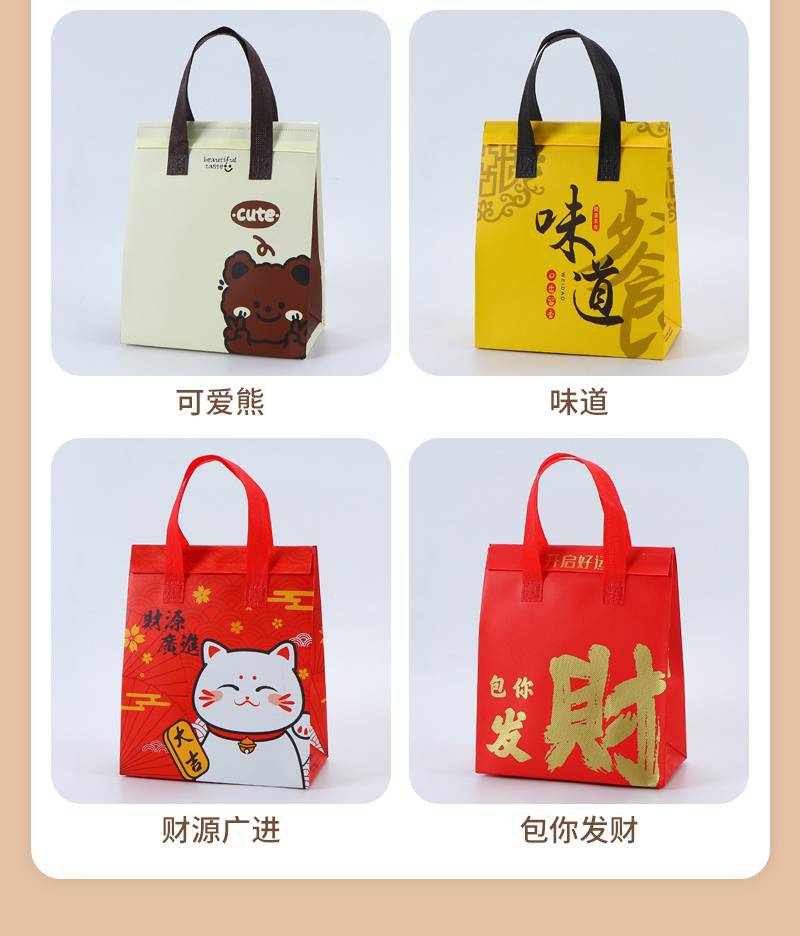
The outer bag version is labeled as non-woven fabric, a common choice for lightweight packaging and delivery bags. Non-woven surfaces typically offer a clean matte look and are easy to cut, stitch, and customize. The foil-based liner version uses a reflective aluminum foil face, a foam or pearl cotton insulating layer, and a nonwoven backing. This combination balances structure, thermal buffering, and basic surface protection.
From a buyer's perspective, material selection depends on the use case. A bakery or catering brand may prefer the sewn non-woven tote style for presentation and carrying convenience. A food service operation needing a simple inner thermal layer may choose the foil-laminate insert or wrap style instead.
Manufacturing and Assembly
The non-woven insulated food delivery bag appears to be made through textile-style cutting and sewing, followed by handle attachment and zipper installation. The thermal liner styles likely use laminated composite assembly, where foil, foam, and nonwoven layers are bonded together by heat-lamination or similar joining methods. That process is inferred from the visible layered structure and seam lines, not directly confirmed.
This manufacturing approach is suitable for OEM insulated food delivery bag projects where appearance, bag shape, logo placement, and internal configuration may need to be adapted to a brand's packaging standard.
Typical Application Scenarios
This product category fits a wide range of food transport uses. Common scenarios include cake shop delivery, bakery takeaway, catering service, lunch transport, meal delivery, picnic storage, and general food preservation packaging. The foil-lined insert may also be useful inside cooler bags, lunch bags, or delivery containers when a simple insulated layer is needed.
For businesses, a food delivery thermal bag can support service quality by reducing the chance of temperature-related complaints during short-distance transport. For consumers, it offers a more organized way to carry prepared meals or bakery items without relying on disposable packaging alone.
Quality Control and Buyer Decision Factors
When choosing between a non-woven thermal bag, a foil liner, or a sewn insulated tote, buyers usually focus on several factors: bag size, closure style, internal capacity, ease of cleaning, handle strength, and whether the product is intended for single-item delivery or broader daily use. If the bag is used for cake transport, shape retention becomes especially important. If it is used for takeout and meal delivery, access speed and portability may matter more.
Customization Guidance
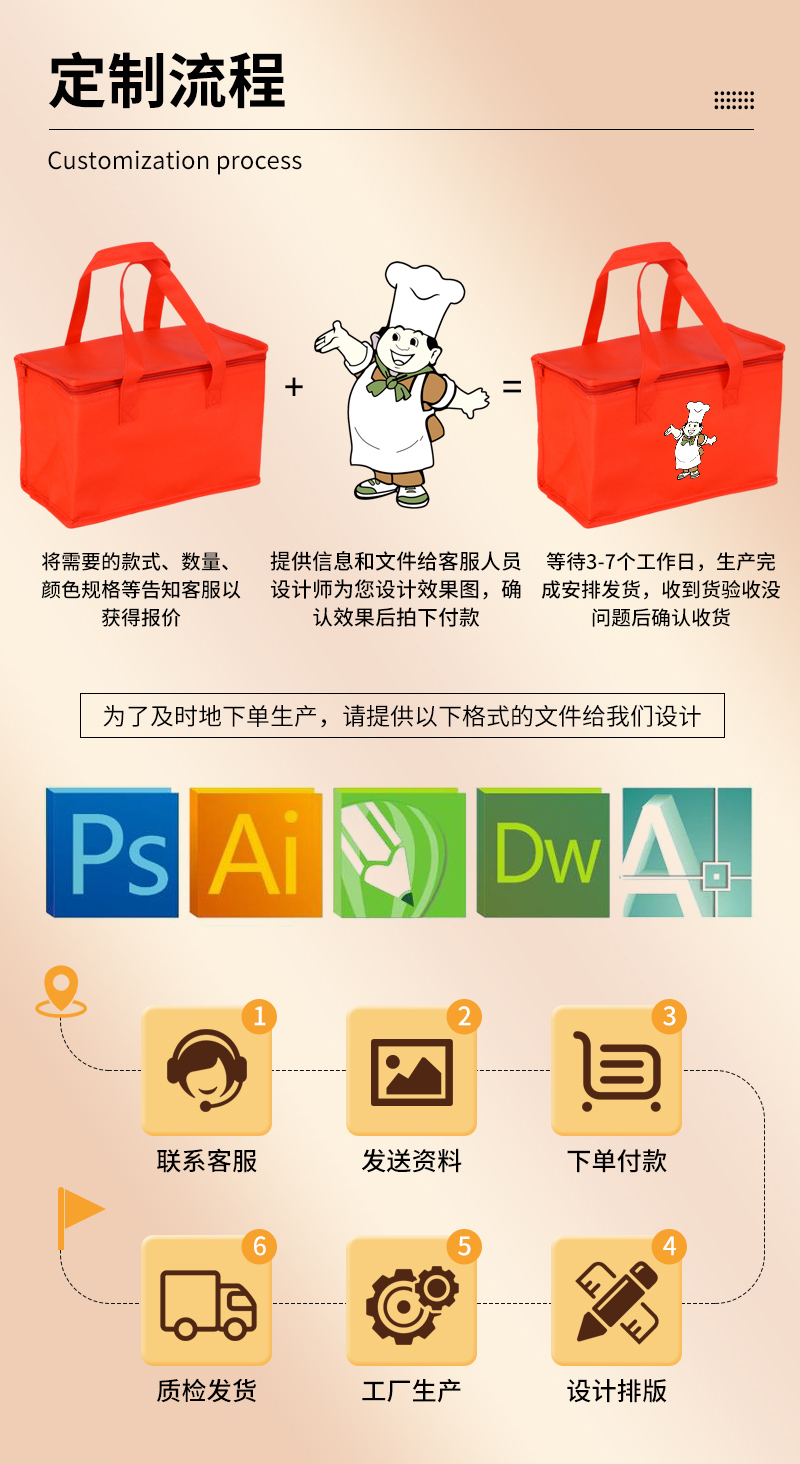
An ODM insulated thermal bag project can typically be adjusted in size, color, logo placement, handle style, zipper type, and outer fabric appearance. For the laminated liner format, customization may involve dimensions, layer combination, seam design, and shape matching for a target container. If the product will be used as a branded delivery tool, clear requirements for capacity and closure should be provided at the quotation stage.
Helpful purchase details include the intended food type, expected container size, whether the bag must stand upright, and whether the user needs a reusable carry bag or an internal thermal insert.
Request Samples or OEM Support
If you are sourcing a non-woven insulated food delivery bag for bakery delivery, takeaway service, or thermal food packaging, share your size requirements, logo artwork, and usage scenario. A clear brief helps match the right structure, material, and construction method to your application. Contact us to discuss OEM or ODM options for food transport packaging.