

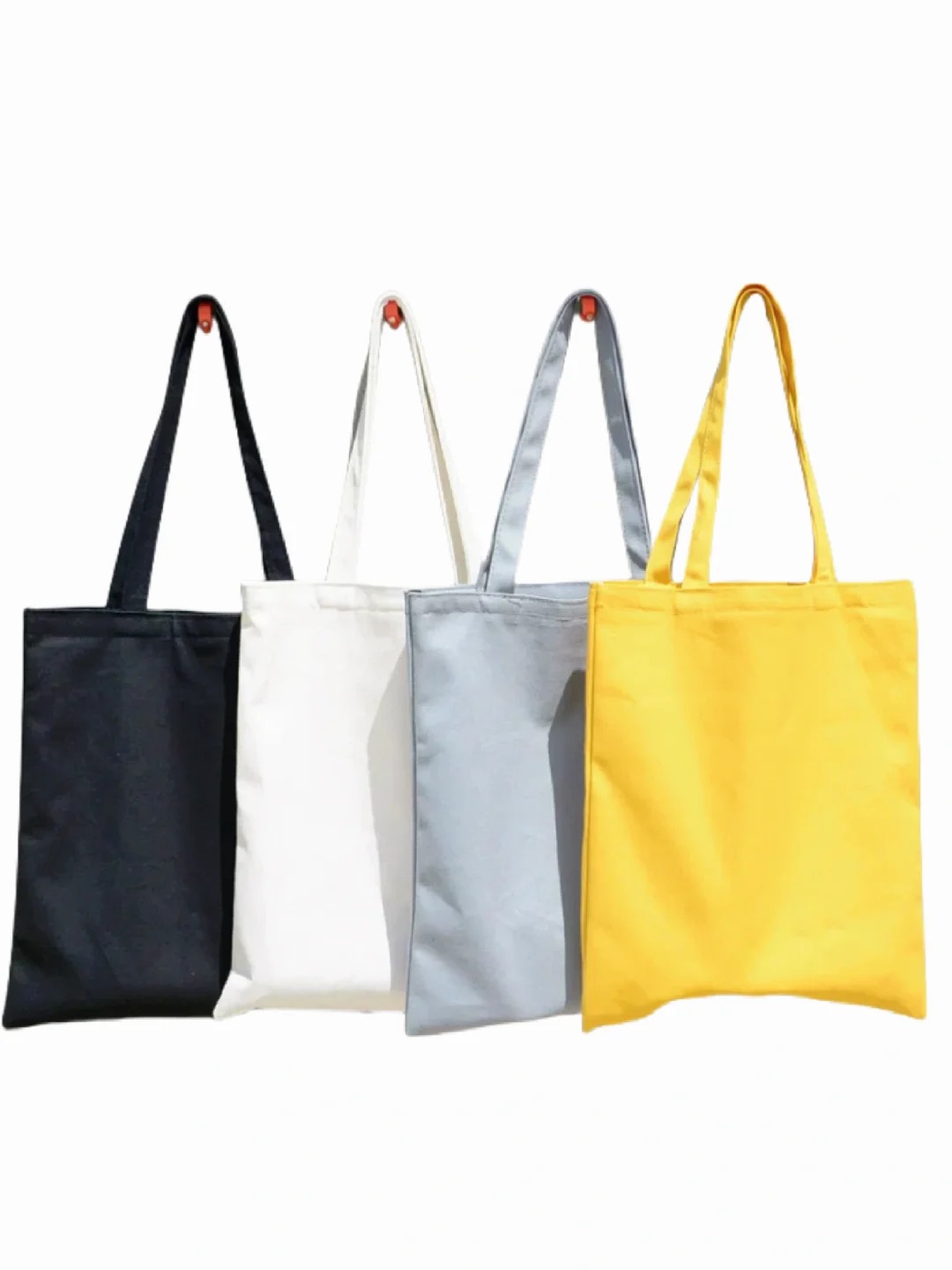
A bag that looks good in a product photo can still slow down a busy booth. It may arrive in oversized cartons, hide the logo when carried or feel uncomfortable after brochures and samples are added. Effective trade show tote bags are planned around the attendee journey, from the first handoff to the flight home.
Before the show: decide what the bag must carry
Lay out the brochure, samples, water bottle and giveaways that will go inside. Measure the widest item and weigh the complete set. The bag should hold the intended kit without stretching the handles or hiding small items at the bottom.
At receiving: make cartons easy to identify
Show freight may be handled by a venue, contractor or hotel before it reaches the booth. Put the event name, booth number, carton count and contact details on the shipping marks. Keep bag cartons separate from display equipment so staff can open the right materials first.
| Event moment | Bag requirement | Planning check |
|---|---|---|
| Booth setup | Compact cartons and fast unpacking | Confirm units per carton and storage footprint |
| Visitor handoff | Bag opens quickly and handles are accessible | Run a timed packing rehearsal |
| Show-floor use | Comfortable with brochures and samples | Carry the complete kit for several minutes |
| Brand visibility | Logo faces outward during normal carrying | Approve print size on a filled bag |
| Return journey | Bag tolerates folding and repeated handling | Fold, refill and inspect seams and print |
During handoff: remove unnecessary motions
Staff should not need to untie bundles, unfold every bag or search for handles while a queue forms. Pack bags in booth-ready groups. If collateral is preloaded, test whether the bundle remains neat after transport.
On the aisle: design for the carried view
A logo centered on a flat mockup may sit too low once the bag is filled. Print the design on the proposed material, load the bag and photograph it at walking height. Strong contrast and a clear reading distance often matter more than fine decorative detail.
At the hotel: give the bag a second purpose
Attendees may use the bag for documents, shopping or travel items after leaving the hall. A useful size and comfortable handle can extend exposure beyond the booth. This does not require an unnecessarily heavy material; it requires a specification that suits the expected load.
After the event: count use, not only leftovers
Record how many bags were delivered, distributed, damaged and returned. Ask staff whether the packing method worked. That information is more useful for the next order than simply repeating the same quantity.
If textile testing is part of the material brief, review the OEKO-TEX Standard 100 overview and confirm which evidence applies to the proposed fabric.
Use a show-day run sheet
- Confirm delivery contact and carton marks.
- Reserve hidden booth storage for the first day's quantity.
- Rehearse bag opening and collateral packing.
- Set a replenishment point before stock runs low.
- Record remaining cartons and damage after the show.
- Explore PackMK printed event bags
- Review PackMK custom bag development
- Request an event tote quotation
Well-planned trade show tote bags support booth speed, carrying comfort and visible branding without creating unnecessary freight or storage problems.
Trade show bag questions
What size should trade show tote bags be?
Size the bag around the largest brochure or sample kit, then test the filled shape and handle comfort.
How many event bags should be ordered?
Estimate qualified visitor handoffs by day, add staff and contingency quantities, and avoid treating total event attendance as expected booth traffic.
Which artwork works best on event tote bags?
Clear, high-contrast artwork that remains visible on a filled and carried bag is usually more practical than very fine detail.
Should bags be packed individually?
Individual packing may protect premium bags but can slow booth setup and add waste. Choose packing around the event workflow.