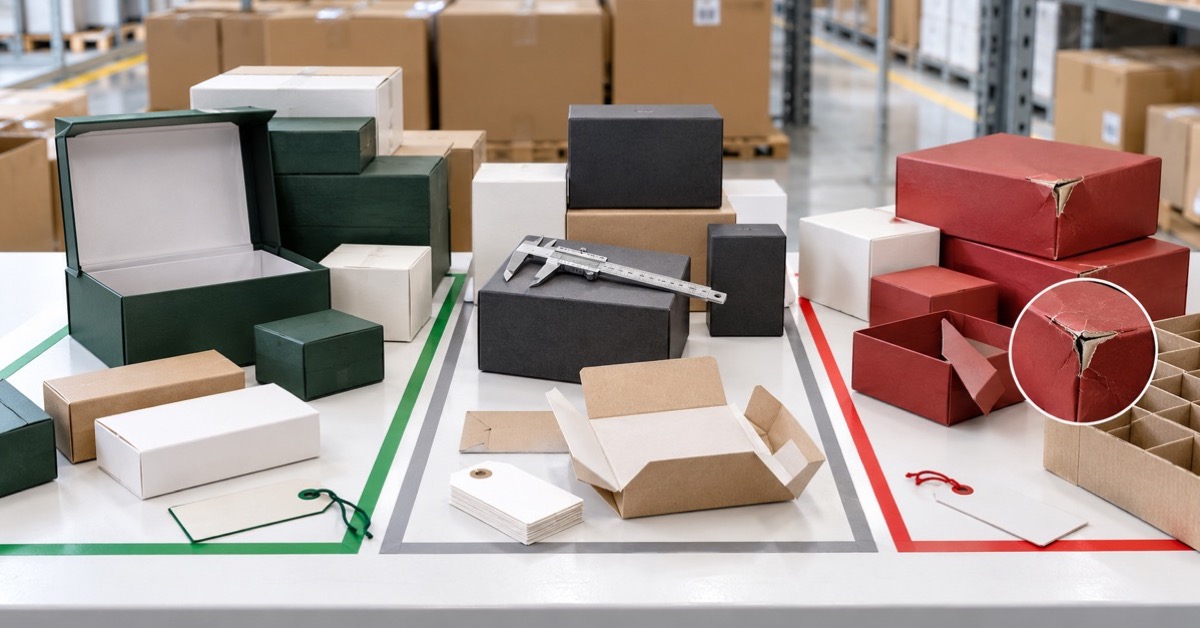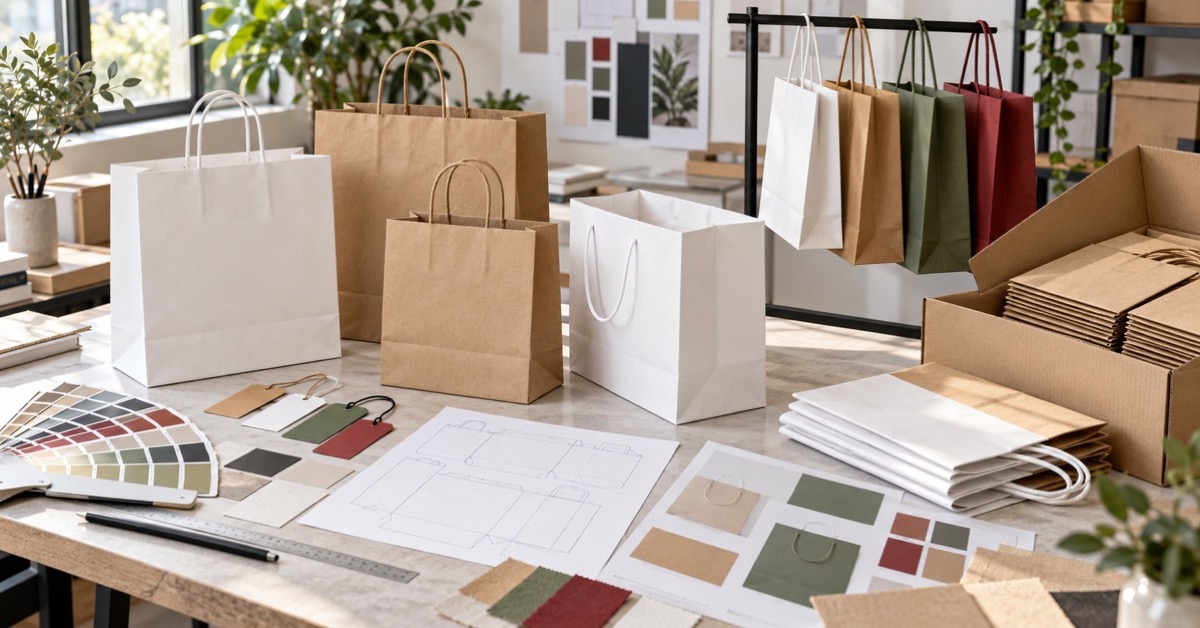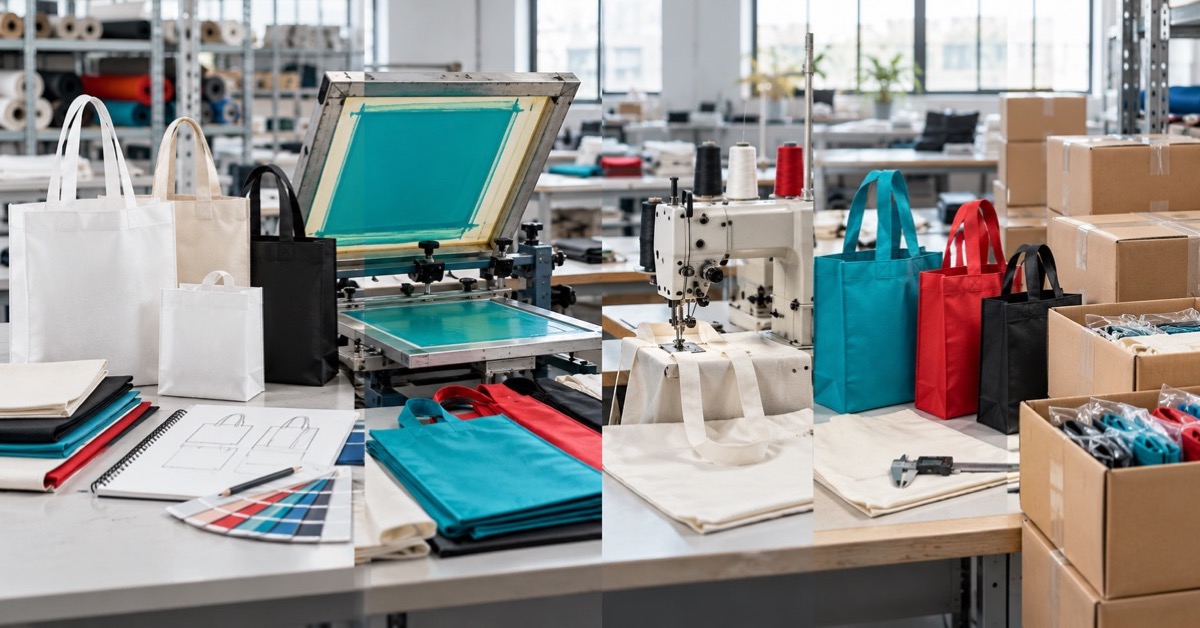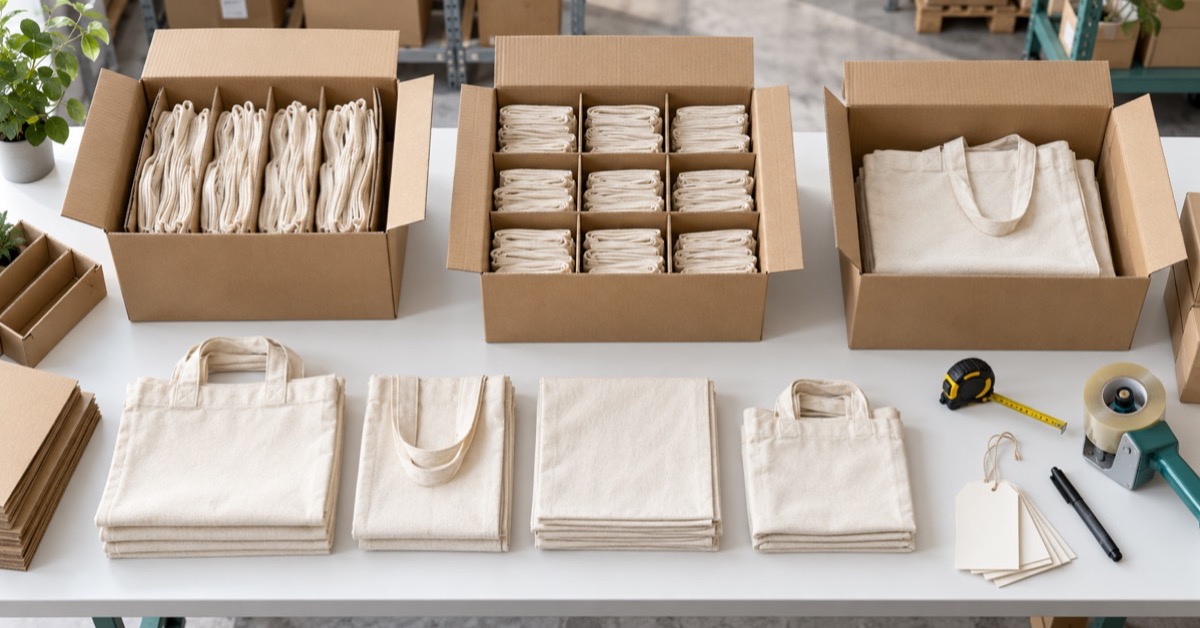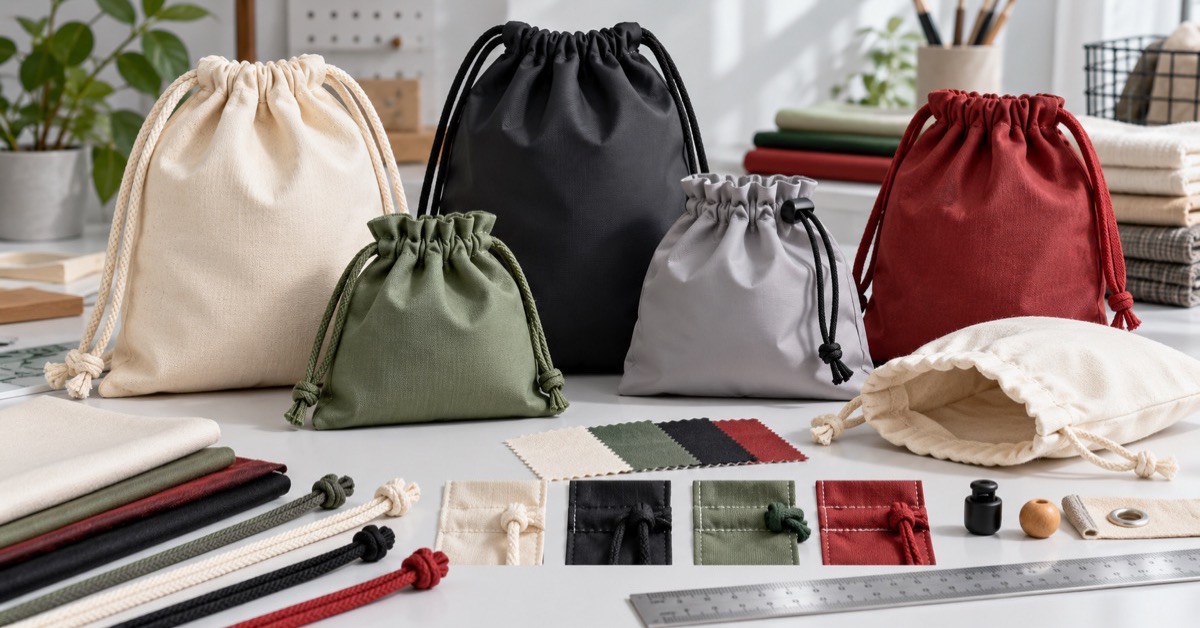


Tailor-made packaging is often the difference between a product that looks finished and one that simply gets shipped

When buyers search for tailor-made packaging, they are usually not looking for a box alone. They are looking for a packaging decision that fits the product, the channel, and the brand story without creating headaches on the production floor. For a tarot card deck, a retail box must protect the cards, present the artwork cleanly, and survive handling by customers who may open and close it many times. For an insulated thermal bag, the brief is different: hold shape, carry weight, support branding, and keep food or drinks practical to move.
That gap between “something that contains the product” and “packaging that works in the market” is exactly why tailor-made boxes and custom box packaging matter. The right format can reduce damage, improve shelf appeal, and make a product easier to sell through retail, gift, or delivery channels. The wrong one can make a nice product feel cheap or awkward, and that is a cost buyers notice quickly.
Two very different products, one common lesson
The tarot card set in the supplied product information shows a standard rectangular deck with rounded corners, a matching retail-style carton, and a printed surface described as having a mesh-like texture treatment. The notes also mention features such as easy grip, easy cleaning, and a smooth feel that is not sticky or harsh on the hand. For this kind of product, packaging is part of the experience. A collector, a gift buyer, or a spiritual-use customer often judges the deck before they ever shuffle it.
The insulated thermal bag is a more utilitarian case. It uses a boxy structure, top zipper closure, twin carry handles, and a wipe-clean exterior appearance. The text supplied with the image points to factory supply, custom sizing, logo printing, and multiple specifications. That tells you the buyer expectation is not only thermal utility but also flexibility for catering, delivery, or branded takeaway operations.
What custom packaging needs to do well
At a basic level, custom box packaging should answer four questions: does it fit, does it protect, does it present well, and does it make fulfillment easier? If one of those answers is weak, the whole packaging program becomes harder to manage.
For card products, fit is especially sensitive. Too much internal space and the deck rattles. Too little and the box becomes frustrating to open or close. Surface finish also matters because the customer is handling the cards directly; a smooth but grippy print surface is usually more practical than a slick one. The supplied notes suggest the deck surface is intended to be easy to grip and easy to wash or clean, which is useful for frequent use, though buyers should still confirm the actual finish with samples.
For insulated bags, the challenge is more structural. Soft-sided bags can look tidy in photos, but if the walls collapse too easily, loading becomes messy. Zipper quality, edge binding, handle attachment, and the way the bag holds its rectangular form all influence daily use. A bag that looks good empty but sags once filled will disappoint operators, even if the artwork is strong.
When bespoke gift packaging makes business sense
Bespoke gift packaging is worth the extra work when the package is part of the product’s value. That is true for tarot decks, novelty sets, premium retail items, and gift-shop inventory. A well-matched carton can support premium pricing better than a generic sleeve or plain mailer.
It also matters when the sales environment is crowded. On a shelf or online listing, the package is often the first visible proof that the item is worth attention. In that sense, packaging is not decoration. It is merchandising.
For practical buyers, the real question is whether the packaging program can be repeated at scale. A one-off prototype is easy. A stable run with consistent printing, accurate die cutting, and manageable assembly is the harder task.
Selection criteria buyers should not skip
For tailor-made packaging, start with product dimensions, handling conditions, and display goals. Then check material behavior. A card deck box needs the right internal clearance and board strength. A thermal bag needs the right body structure, binding, and closure arrangement.
Ask for samples before you commit. That may sound obvious, but many packaging mistakes come from approving artwork while ignoring the feel of the finished piece. A carton can look excellent on screen and still open too loosely. A thermal bag can photograph well and still be awkward to pack or carry.
Also watch for hidden complexity. Fancy finishes, awkward insert structures, or over-designed closures can slow assembly and raise rejection risk. Sometimes a cleaner structure is the smarter commercial choice.
Common mistakes that cause avoidable cost
One common mistake is designing packaging from the outside in, with too much attention on graphics and not enough on the product’s shape. Another is assuming all custom box packaging can be treated the same way. A tarot box and a food-delivery bag live in very different use environments, even if both are branded containers.
Another practical issue is overpromising performance. The thermal bag notes mention insulation use, but no exact retention duration or waterproof rating is supplied, so buyers should avoid assumptions and request specification confirmation. The same caution applies to the card deck: the surface treatment is described in marketing language, but the exact paper weight or coating is not provided.
Buyer advice before ordering
If you are sourcing tailor-made packaging, prepare three things before you ask for quotations: finished product size, intended use scenario, and brand priority. That will narrow the supplier’s options quickly.
If the item is a collectible or gift, prioritize appearance, tactile finish, and presentation. If it is operational packaging, such as an insulated delivery bag, prioritize durability, ease of cleaning, and load-friendly construction. If you need both, expect to balance cost against finish.
It is also worth confirming whether the supplier can handle logo printing, small or large order flexibility, and sample review before mass production. Those points matter more in practice than a long list of broad claims.
FAQ
Is tailor-made packaging only for premium products?
No. It is useful anywhere fit, protection, branding, or handling matters. Premium products just make the benefit easier to see.
Should I choose custom box packaging or a standard carton?
Choose custom when the product needs a specific fit, stronger shelf presence, or a better unboxing experience. Use standard packaging when speed and simplicity matter more than branding.
What should I request from a supplier first?
Ask for structure options, material suggestions, print method confirmation, sample availability, and any limits on order quantity or customization.
If you are planning a card set, a gift item, or a branded insulated bag program, the next step is simple: define the product conditions first, then build the packaging around them. That sequence saves time, and usually saves money too.