

Why tailor-made packaging matters in real buying decisions
Tailor-made packaging is not just a branding exercise. For most sourcing teams, it is the point where product protection, shelf impact, and shipping efficiency all have to work together. A box or bag that looks good but fails in transit is expensive in a very ordinary way: returns, damage claims, slower packing, and a poorer customer impression. A package that is technically sound but visually bland can also miss the mark if the product is meant to be gifted, displayed, or photographed.
That is why buyers increasingly ask for tailor-made packaging instead of default stock formats. The question is rarely “Can we print a logo?” It is more often “Which structure fits this product, how much customization do we really need, and where is the point where design starts to add cost without improving function?”
Two product examples make that clear. A custom cake thermal bag has a very different job from bespoke gift packaging for a tarot set. One needs practical thermal transport, secure handles, and a box-like form that keeps desserts upright. The other needs visual storytelling, card protection, and a presentation style that supports display or gifting. Both sit under the same broad packaging conversation, but the buying logic is not the same.

Quick takeaways for sourcing teams
If you are comparing tailor-made boxes, custom box packaging, and soft insulated bags, start with the product’s actual use environment. Shelf display, courier transit, short-haul food delivery, and premium gifting each place a different burden on the package.
For food delivery, the cake thermal bag shown here appears to use a rectangular box-style body, zipper top opening, reinforced handles, and a clean white outer finish with gold-toned binding. The selling points mentioned include factory direct supply, small-batch customization, logo printing, multiple specifications, and ready stock for faster shipment. Those are practical buyer signals, but they still do not tell you everything you need to know about insulation performance or load-bearing capacity, so it is worth asking for those details directly.
For tarot products, the packaging and presentation matter in a different way. A tarot deck or set with a display base or themed desktop backdrop benefits from packaging that protects the cards while reinforcing the ritual or gift experience. The material notes suggest a paper or cardstock card set, with a surface treatment described as mesh-like, easy to grip, easy to clean, and less likely to scratch hands. That description sounds more like the mat or display layer than the cards themselves, so buyers should separate card stock from accessory surface finish when discussing the package.
When custom packaging earns its keep
1. Shape control
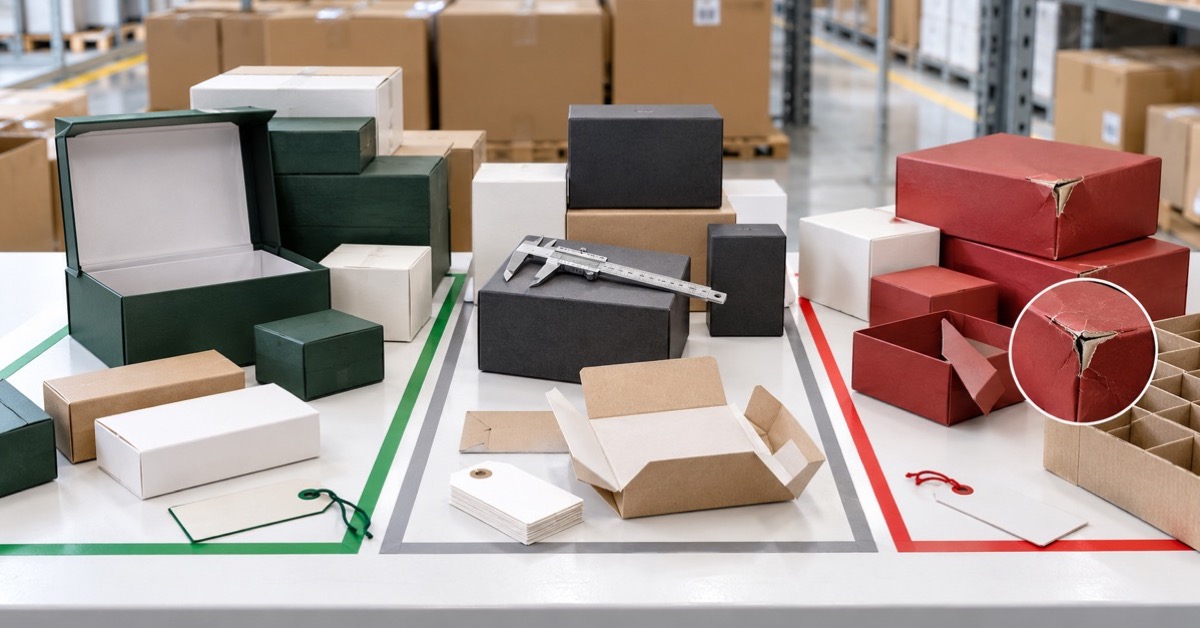
Standard cartons work well when the product is straightforward. Once you are packing cakes, card decks, gift sets, or shaped accessories, the wrong internal space can cause movement, corner damage, or a sloppy presentation. Tailor-made packaging lets you tune the geometry to the product instead of forcing the product to fit the box.
2. Brand consistency
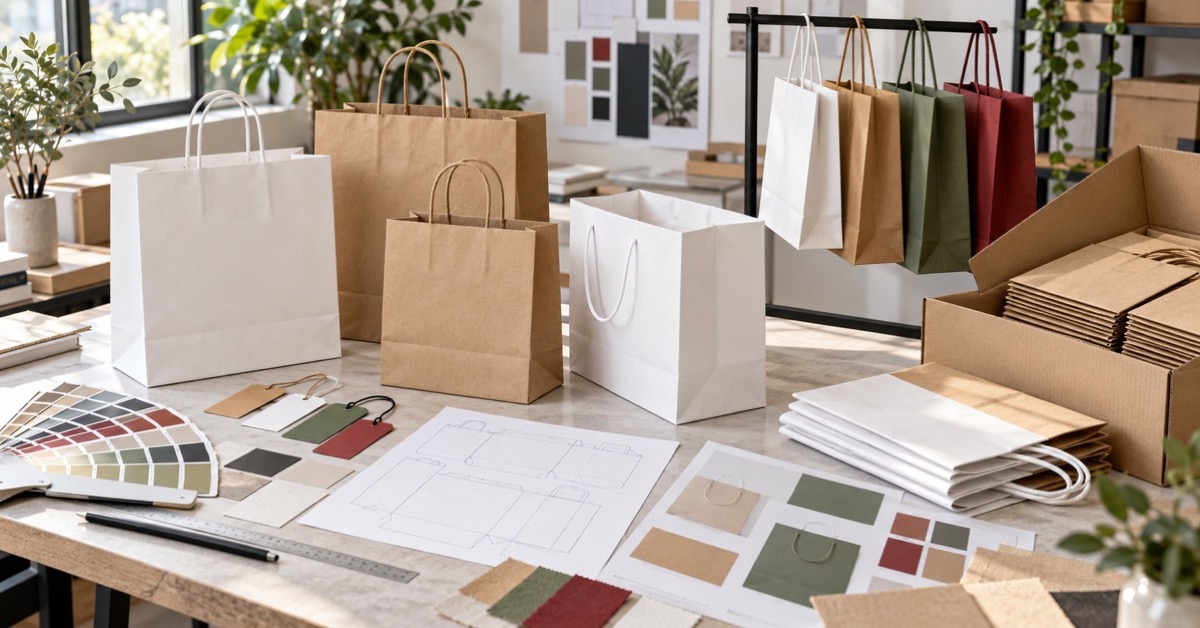
Custom box packaging can carry the brand language through color, print, trim, inserts, and opening style. That matters most in retail and gifting, where the unboxing moment is part of the product. Bespoke gift packaging often succeeds because it feels intentional, not because it is expensive.
3. Handling efficiency
A good package is easy to pack, lift, stack, and carry. The cake thermal bag example is useful here: box-style sides, a top zipper, and arched handles make it easier to move baked goods without tilting. For operations teams, that can be more valuable than decorative complexity.
How to choose between boxes, bags, and display-oriented packaging
Start by sorting the package into one of three jobs: protection, presentation, or transport. Some formats do all three, but one usually dominates.
Tailor-made boxes are often the best choice for rigid products, gift sets, and items that need stacking strength. They offer better print surfaces and can support internal trays or inserts. They are usually the first option for premium retail packaging because they signal order and structure.
Custom box packaging is broader and may include folding cartons, rigid boxes, drawer-style formats, or shaped cartons. This is where buyers should be precise about board type, closure style, lining, and whether any special coating or finish is needed. Loose language tends to create expensive sampling rounds.
Tailor-made packaging in soft bag form makes sense for carry items, especially food transport. The cake thermal bag shown in the source material seems designed for bakery takeaway and short-term insulation, not long-duration cold-chain transport. That distinction matters. A bag can be excellent for a 30-minute delivery route and still be the wrong tool for a more demanding logistics chain.
Practical buyer cautions
Do not assume that a visible finish tells you the whole construction story. In the tarot example, the “mesh surface treatment” appears to describe the backdrop or display layer, not the cards. If you need durability, ask which layer is coated, laminated, or treated. In packaging projects, mixed terminology causes confusion quickly.
Likewise, do not treat phrases like “fast shipping” or “small-batch customization” as substitutes for technical clarification. Those are commercial advantages, not specifications. Ask for dimensions, sample structure, printing method, closure details, and any packaging assembly limits that might affect your launch schedule.
One small but important caution: if the product will touch food directly, or sit close enough to food to matter, confirm food-safety requirements separately. Nothing in the provided material confirms certification, so that should be checked before purchase.
What a good supplier discussion should cover
A useful packaging conversation usually covers five things: use scenario, structure, materials, decoration, and order flexibility. For a cake thermal bag, that means confirming the size range, handle reinforcement, zipper quality, and whether the insulation layer can be adapted for different transport needs. For tarot or gift packaging, it means discussing card protection, insert design, surface finish, and how the package supports the visual theme.
If you are ordering for a bakery, ask whether the bag can support multiple cake box sizes and whether the opening is wide enough for clean loading. If you are sourcing tarot-related packaging, ask whether the box or outer set can accommodate both the deck and any display backdrop, because presentation sets often fail at the storage stage.
FAQ
Is tailor-made packaging only for premium brands?
No. It is often used by practical operators who need better fit, fewer damages, or faster packing. Premium appearance is only one part of the value.
Are tailor-made boxes always more expensive?
Not always. If the custom format reduces product damage, packing waste, or returns, the total cost can be better than buying a cheaper stock option.
Can a custom thermal bag replace a rigid box?
Sometimes, but only when the product and route allow it. For cakes and similar items, the bag may be ideal for transport, while the box still does the product-level protection.
Next step for buyers
If you are comparing tailor-made packaging options for bakery delivery, gift sets, or themed product presentation, start with the product’s actual handling risk. Then request a sample that matches the intended size, opening style, print area, and closure method. A package should make the product easier to move, easier to present, and harder to damage. If it only does one of those things, it is not finished yet.