

Why tailor-made packaging matters in card products and insulated carriers
Tailor-made packaging is not just a branding exercise. For a tarot deck, oracle-style card set, or even a food delivery bag, packaging is part of the product’s working life. It protects the contents, shapes first impressions, and tells the buyer what kind of handling to expect. For sourcing teams, that means the box or bag is not an afterthought; it is a material choice, a production choice, and sometimes a sales argument all at once.
That matters especially when the item has to feel premium, survive repeated handling, and still remain practical. A themed card deck needs a package that looks collectible and opens cleanly. An insulated tote needs a body that holds shape, carries weight, and can be printed or labeled without looking improvised. In both cases, buyers are usually deciding between speed, appearance, and functional durability.

Two common examples: presentation packaging and utility packaging
The supplied product information points to two very different but equally packaging-driven categories. One is a tarot or oracle-style card set with a rectangular cardstock format, a matte brown/tan look, and a patterned back. The other is a box-style insulated tote, shown in several sizes with a zipper top and metallic gold handles. They solve different problems, but both depend on tailored construction.
In the card set, the surface treatment is described as “易抓易洗” and “表面采用网布处理,” which suggests a grippier, easier-to-clean finish. The wording also notes that it feels smooth, not sticky, and less likely to scratch the hand. For readers who shuffle often, that is not a cosmetic detail. Grip and surface feel affect how the deck handles in use.
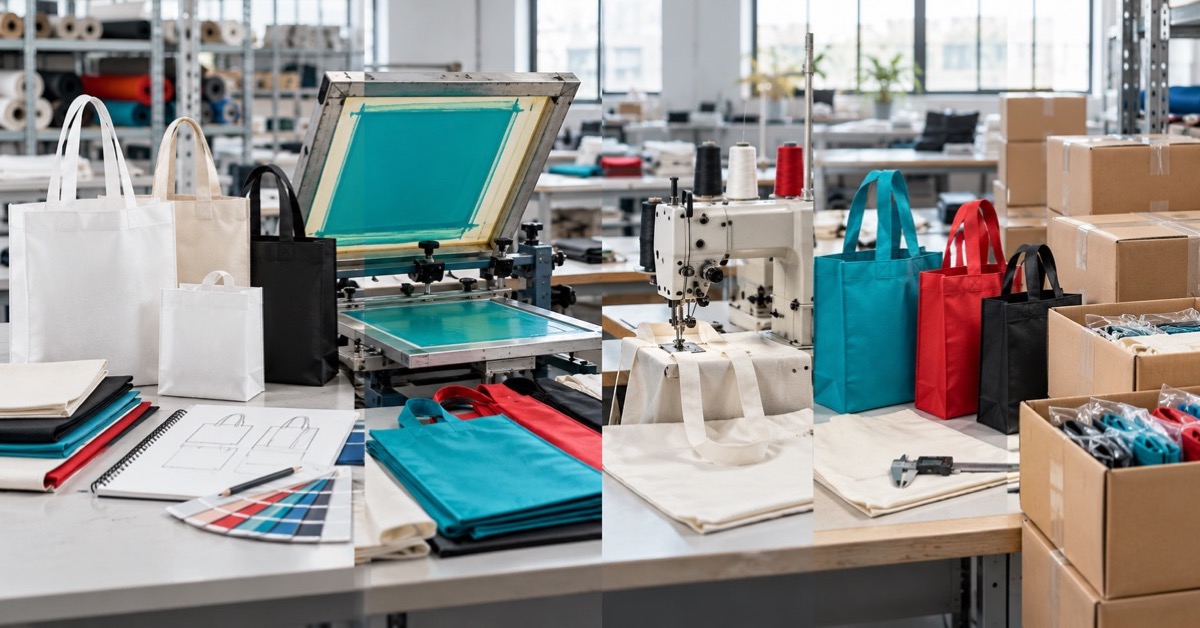
For the insulated bag, the selling points are more operational: factory direct supply, small-order customization, logo printing, multiple specifications, and stock available for quick shipment. Those phrases are familiar to procurement teams because they often mark the difference between a one-off promo item and a repeatable supply item that can be reordered with minimal friction.
What buyers should look for in tailor-made boxes and bags
Fit first, decoration second
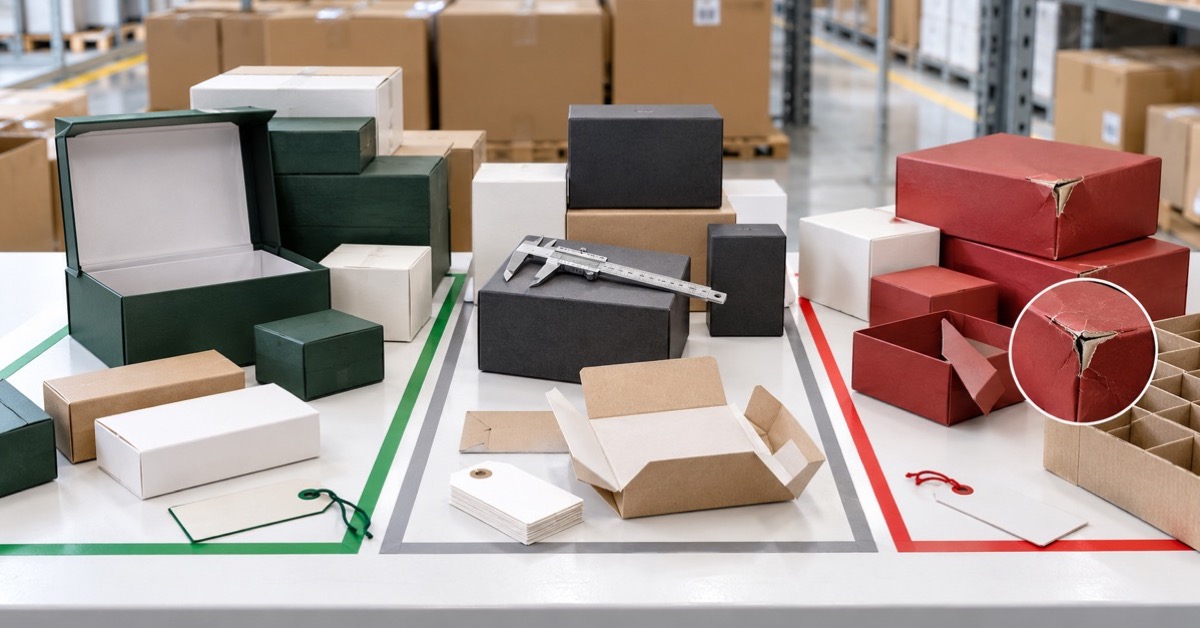
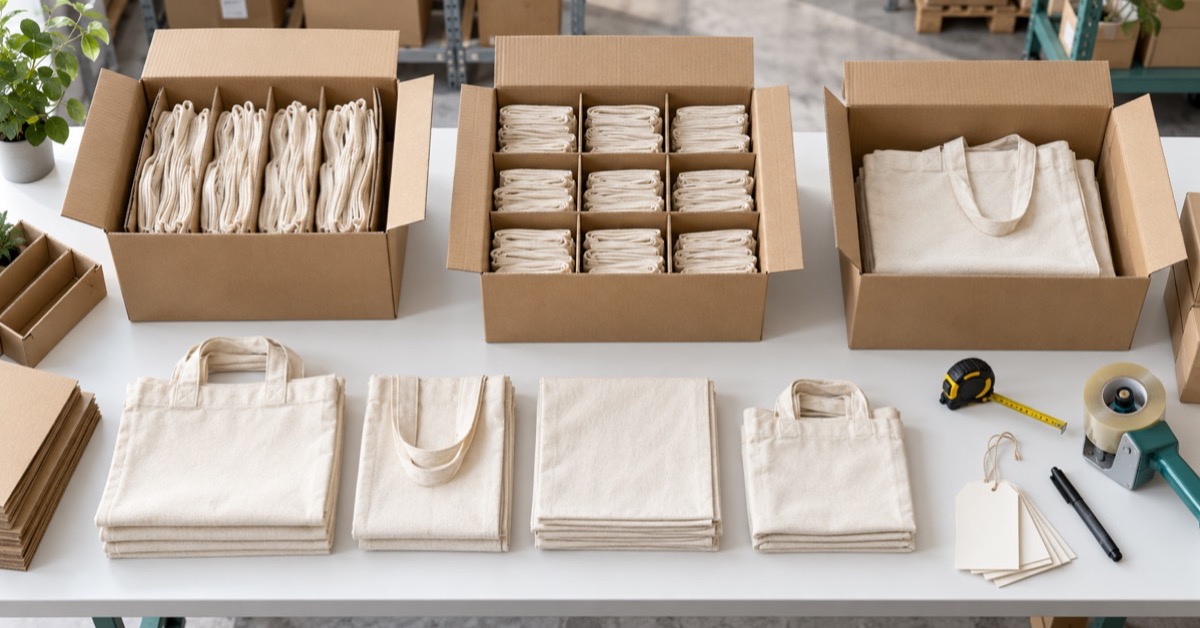
Custom box packaging should start with dimensions, closure behavior, and how the item sits inside the package. A deck box that is too loose looks cheap and wears quickly. A thermal tote that is too shallow loses usefulness at the loading dock or in the lunchroom. The sample images suggest a boxy, structured tote with straight sides and a top zipper, which is a sensible format when the customer needs stacking and stable carry.
Surface treatment and hand feel
With card products, the surface finish changes how the deck feels in the hand and how well it survives repeated shuffling. A mesh-like or textured finish can improve grip, though the exact process is not identified here. Buyers should ask what the finish actually is before approving artwork. “Matte” and “textured” can mean several things in print production, and the difference shows up in cost, appearance, and wear.
Print area and branding discipline
Bespoke gift packaging works best when the artwork has a clear purpose. Tarot and oracle decks often benefit from restrained graphics, because the box is part of the collectible experience. By contrast, insulated bags are often used for logo printing and straightforward brand recognition. Too much decoration can become visual noise, especially on small retail items.
Common sourcing mistakes
The first mistake is assuming the packaging material is obvious from appearance alone. A white insulated tote can be nonwoven, coated fabric, laminated material, or another build entirely. The visible finish is not enough to confirm thermal performance.
The second mistake is over-specifying one feature while ignoring the rest. A beautiful tarot box that scuffs easily will disappoint retailers. A sturdy cooler bag with awkward handles will frustrate delivery staff. Tailor-made packaging should be judged as a system: structure, finish, print, usability, and storage behavior.
The third mistake is forgetting the end user. Collectors notice print fidelity and surface texture. Food-service buyers notice carry comfort, cleaning ease, and whether the bag stands up during transport. Different channels, different priorities.
When small-order customization makes sense
Small-order customization is useful when a buyer is testing a new design, launching a seasonal campaign, or serving a niche audience. That is true for bespoke gift packaging and for utility items like branded insulated totes. It reduces the risk of holding too much inventory before demand is proven. The trade-off, naturally, is that the buyer may have less freedom on dimensions or finish options than with a larger run.
For a card deck, small runs are especially practical for limited editions, spiritual shops, and artist collaborations. For insulated bags, they make sense for local food brands, event catering, and promotional gifting. If a supplier also offers stock-ready units, that can be a helpful bridge between test orders and larger production.
Practical buyer advice before placing an order
Ask for a sample or at least a clear specification sheet. Confirm the material structure, print method, closure type, and any surface treatment claims. Do not rely on a single product photo, especially if the product is supposed to handle daily use or repeated opening and closing. If the supplier says the item is easy to clean or easy to grip, ask what that means in production terms.
For packaging tied to retail display, request artwork mockups in the actual format, not a generic template. A box that looks sharp on a screen may still fail when folded, stacked, or shipped. That is one of those small cautions buyers learn the hard way.
Quick checklist for sourcing teams
Use tailor-made packaging when you need brand identity, product protection, or a better user experience than standard stock packaging can offer.
Choose tailor-made boxes for collectible, presentation-led, or premium retail products.
Choose custom box packaging or insulated tote formats when practicality, transport, and repeat use matter more than shelf appearance.
Ask about materials, finish, print compatibility, and order flexibility before you approve artwork.
What to do next
If you are comparing packaging options for a card product or a transport bag, start with the job the package has to do. A good supplier should be able to match structure, surface, and branding to that job without overcomplicating the build. For buyers, that is the real value of tailor-made packaging: not novelty, but control.
When you have the basic format, size range, and branding direction, ask for a prototype or sample plan. That step usually saves more time than it costs.