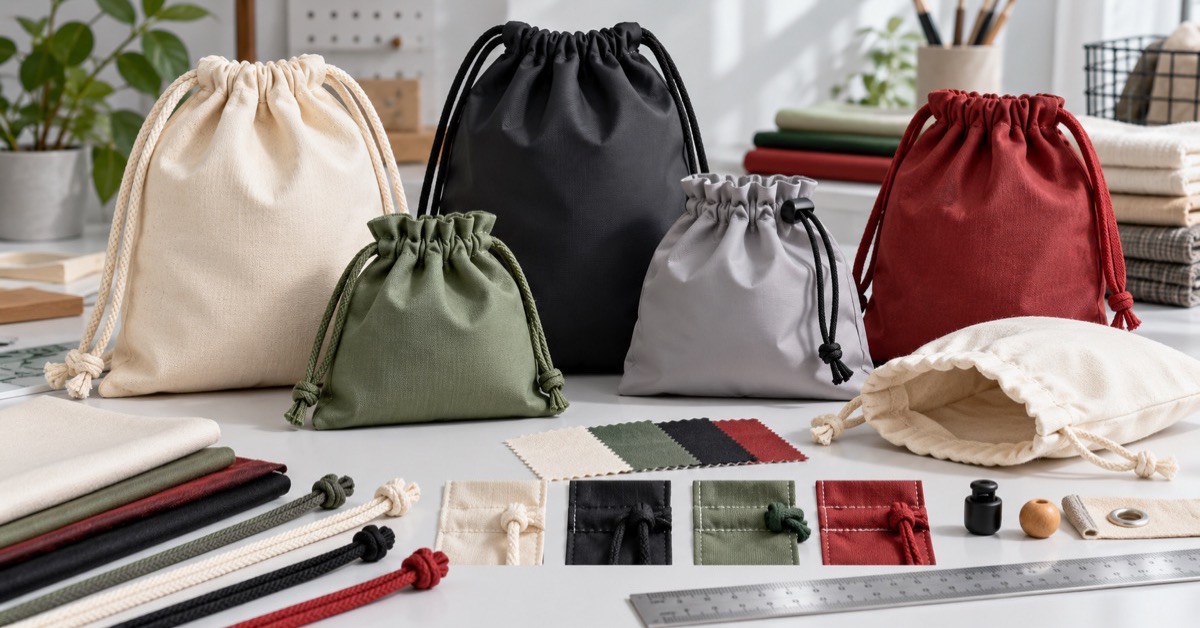


Tailor-made packaging is doing more than holding a product
For many buyers, tailor-made packaging is no longer a finishing touch. It is part of the product itself, especially when the item has to travel, be displayed, or carry a brand story on first contact. That is easy to see in two very different categories: a tarot card deck with a textured printed finish, and an insulated cake bag designed for food delivery. One is about presentation and handling; the other is about protection and transport. Both show why packaging decisions now sit at the intersection of brand, function, and repeat use.

If you are sourcing for a gift line, a retail brand, a bakery, or a promotional campaign, the real question is not simply whether the package looks good. It is whether the structure, surface, and printing method support the way the customer will use it. A box that opens neatly, a bag that keeps its shape, a surface that resists fingerprints or is easy to wipe clean — these are the small details that often determine whether the buyer sees quality or inconvenience.
Two product types, two packaging jobs
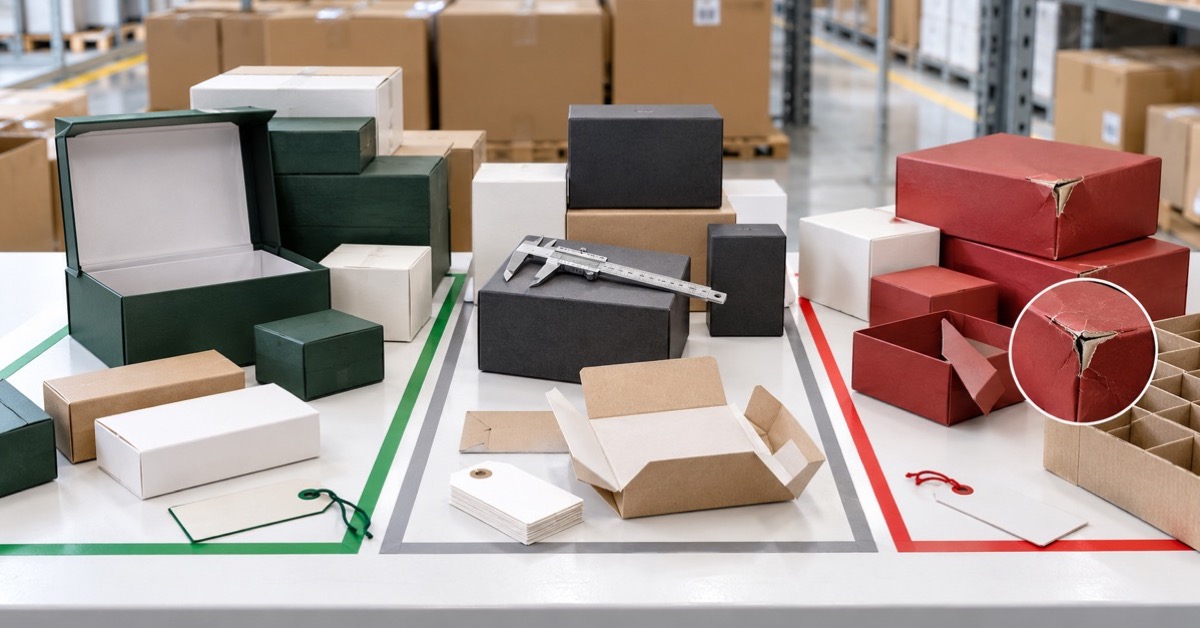
The tarot deck example is a good reminder that custom box packaging is not only for shipping. For divination cards, the package helps protect the deck, organize the set, and create a visual identity that matches the theme of the cards. The supplied description points to a printed cardstock deck with a brown or kraft-toned surface and a textured treatment described as “mesh fabric.” That may refer to a surface effect rather than true woven fabric, so it is safer to treat it as a texture or anti-slip finish unless the supplier confirms otherwise.
The cake insulation bag sits on the other end of the spectrum. Here, the package is a working container. It has a rectangular, box-shaped body, zipper closure, reinforced edges, and dual handles. The visible selling points are practical: direct factory supply, small-order customization, logo printing, multiple specifications, and ready stock. For bakers and food delivery teams, those details matter because the bag must survive repeated handling, not just look good in a listing photo.
What buyers should look for in tailor-made boxes and bags
When sourcing tailor-made boxes or soft-sided thermal packaging, start with the product journey. Ask where the item is handled, stacked, opened, wiped down, or carried. That simple exercise often reveals whether you need structure, surface protection, insulation, or premium print presentation.
For printed decks and gift items
With tarot decks, collectors and retail buyers usually care about print clarity, card feel, and the box experience. A surface that is smooth, non-sticky, and easy to clean can improve handling, especially for repeated shuffling or tabletop use. But there is a caution here: a decorative finish may look impressive in photos and still disappoint if it scuffs too easily or if the coating changes the card feel in a way that users dislike. If the deck is meant for regular reading, ask for a sample and test the shuffle before placing a larger order.
For insulated food bags
For cake insulation bags, structure matters as much as insulation. A box-like form helps the bag stand upright, which is useful when placing pastries or layered cakes inside. Reinforced corners, sturdy handles, and a reliable zipper reduce the chance of deformation during transport. Buyers should also clarify what “insulated” means in practice. Thermal performance depends on material layers, closure quality, ambient temperature, and trip length. It is better to request real usage conditions than to rely on vague claims.
Where custom branding creates the most value
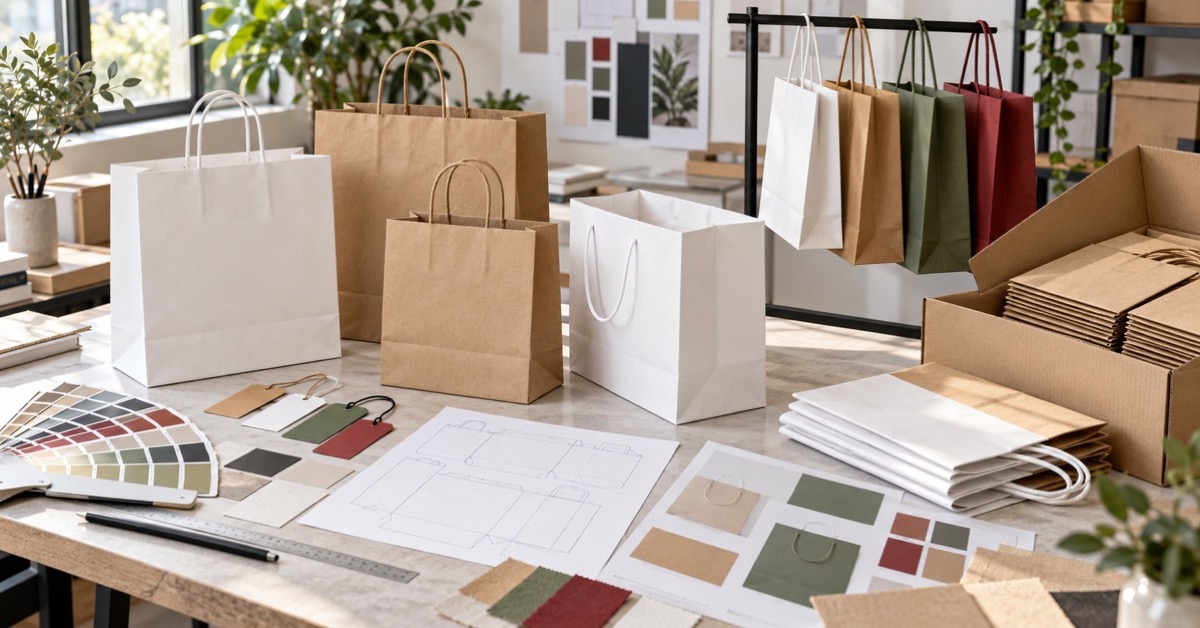
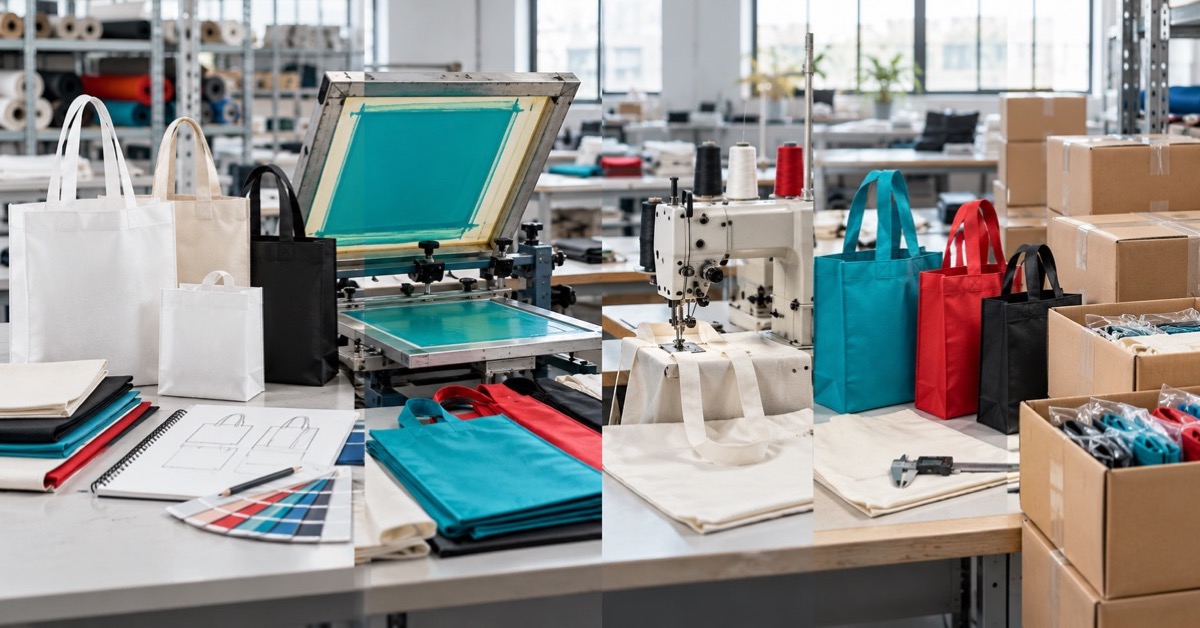
In both categories, branding can do more than add a logo. On tarot packaging, custom graphics can establish a collector feel and make the set more giftable. On cake bags, logo printing turns a transport item into a moving brand sign. That matters for bakeries, catering businesses, and takeaway operations, where every delivery becomes a customer touchpoint.
Bespoke gift packaging is especially useful when the item is bought as a present rather than as a commodity. A buyer may forgive a plain shipping carton, but not a weak unboxing moment on a premium gift line. Likewise, a food business may tolerate a generic carry bag for a while, then discover that branded packaging lifts the perception of freshness and professionalism. It is not magic; it is just consistent presentation.
Common sourcing mistakes
The most common mistake is treating all packaging as if it were a graphic design exercise. It is not. A beautiful print on a tarot box does not help if the deck rattles loose inside. A clean-looking insulated bag is not enough if the zipper jams or the handles feel flimsy. Another frequent error is over-specifying the look and under-specifying the function. Buyers approve a color, a logo, and a photo, then discover too late that the dimensions do not suit the product.
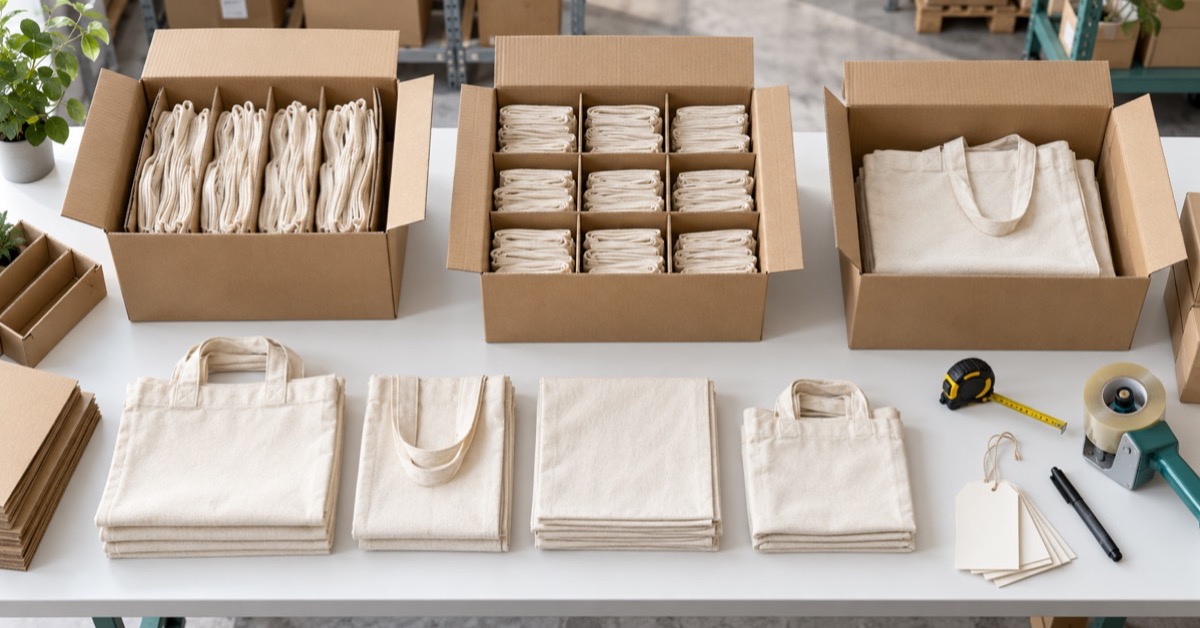
There is also a packaging habit that causes trouble in both gift and food categories: assuming stock options will “probably work.” Sometimes they do. Often they fit almost well enough, which is usually not enough in production. If the item is a card set, gift bundle, or cake carrier, the fit should be checked against the actual product, not a rough estimate.
Practical buyer advice before you place an order
Ask suppliers for the things that cannot be guessed from a render or listing photo. For printed card products, confirm card count, size, box style, and whether the finish is a surface texture, coating, or something else. For thermal bags, confirm dimensions, closure type, material build, print method, and whether the bag is intended for hot, cold, or mixed use.
If your order is small, make sure the supplier really supports small-order customization rather than treating it as an exception. If you need repeat replenishment, ask how stable the print and material supply is across production runs. A one-off sample can look excellent, while the next batch shifts slightly in color or rigidity. That is the sort of detail sourcing teams notice immediately, and customers notice eventually.
FAQ for sourcing teams and brand owners
Is tailor-made packaging only for premium products?
No. It is useful for premium products, but also for everyday items that need better protection, better handling, or a stronger brand presence.
Should I prioritize appearance or function?
Function first, then appearance. The best packaging does both, but the order matters. A beautiful failure is still a failure.
When should I choose custom box packaging over a soft bag?
Choose a box when structure, presentation, and product protection are central. Choose a soft thermal bag when portability and repeated handling matter more.
What to do next
Start with the end use. If the product is a tarot deck, a gift item, or a branded set, ask how the packaging supports the unboxing and the user’s handling experience. If the product is a cake or chilled food item, test whether the bag’s structure and closure suit actual delivery routes. That is how tailor-made packaging earns its place: not by being custom for its own sake, but by making the product easier to sell, easier to use, and harder to forget.