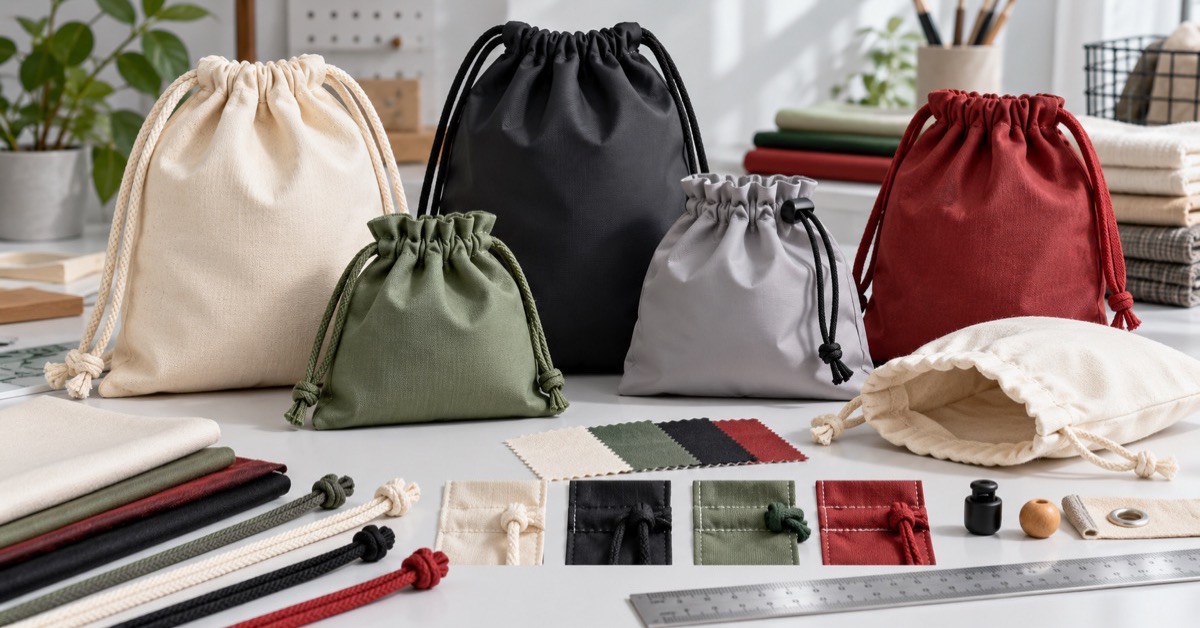


When packaging has to do more than hold the product

Tailor-made packaging is often treated like a finishing touch, but for many products it is part of the product experience itself. That is especially true when the item is fragile, gift-worthy, or sold in a category where first impressions carry weight. A tarot deck in a retail box, for example, is not just a stack of printed cards; it is something customers may collect, display, carry to readings, or give as a present. A cake carrier is not just a bag, either. It has to protect the dessert, support transport, and still look clean enough for a bakery counter or delivery handoff.
For sourcing teams and product managers, the question is rarely “Can we make custom packaging?” The real question is which packaging structure fits the use case without overcomplicating the supply chain. That is where tailor-made boxes, custom box packaging, and other bespoke formats earn their place. Good packaging solves a practical problem, but it also quietly shapes how buyers judge the product inside.
Two products, one lesson: packaging should follow the use case
The tarot card set and the insulated cake storage bag sit in very different markets, yet they point to the same basic rule. Packaging has to match the handling conditions.
A card deck needs a box that protects printed cardstock, keeps the set together, and presents the artwork well. The visible product description suggests a matte to semi-matte surface with a textured or mesh-like treatment, plus printed graphics on both sides. Buyers in this category usually care about handling feel, easy cleaning, and whether the cards slide smoothly without feeling sticky or rough. A tuck box or display box has to support that premium impression.
A cake insulated bag, by contrast, is built for transport rather than display. The visible construction shows a box-shaped soft carrier with a flat base, zippered top, handles, and gold-colored trim. The selling point here is function: small-batch customization, logo printing, multiple sizes, and stock shipping. For bakeries and dessert brands, the bag is part packaging, part logistics tool.
What to look for in tailor-made packaging
The right specification depends on what you are shipping, how often it moves, and who handles it.
For printed retail items such as card decks, the main priorities are:
Surface finish and print clarity. A textured or coated surface can improve feel, but it should not interfere with readability or durability.
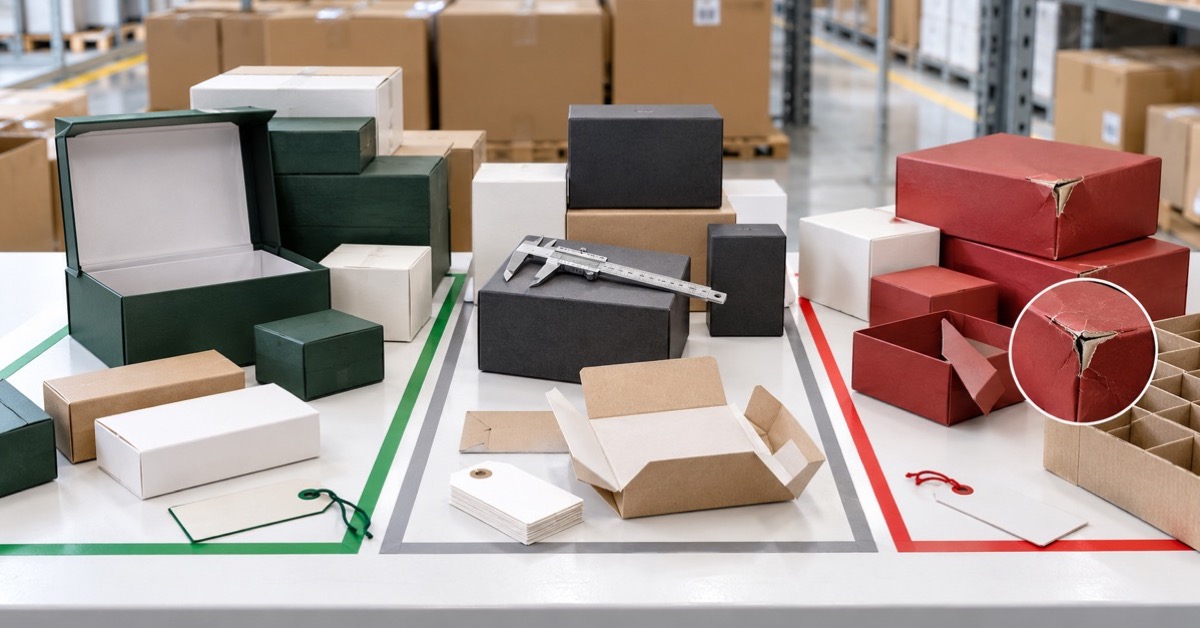
Box strength. Tailor-made boxes should protect edges and corners, especially if the item is handled repeatedly in shops or during shipping.
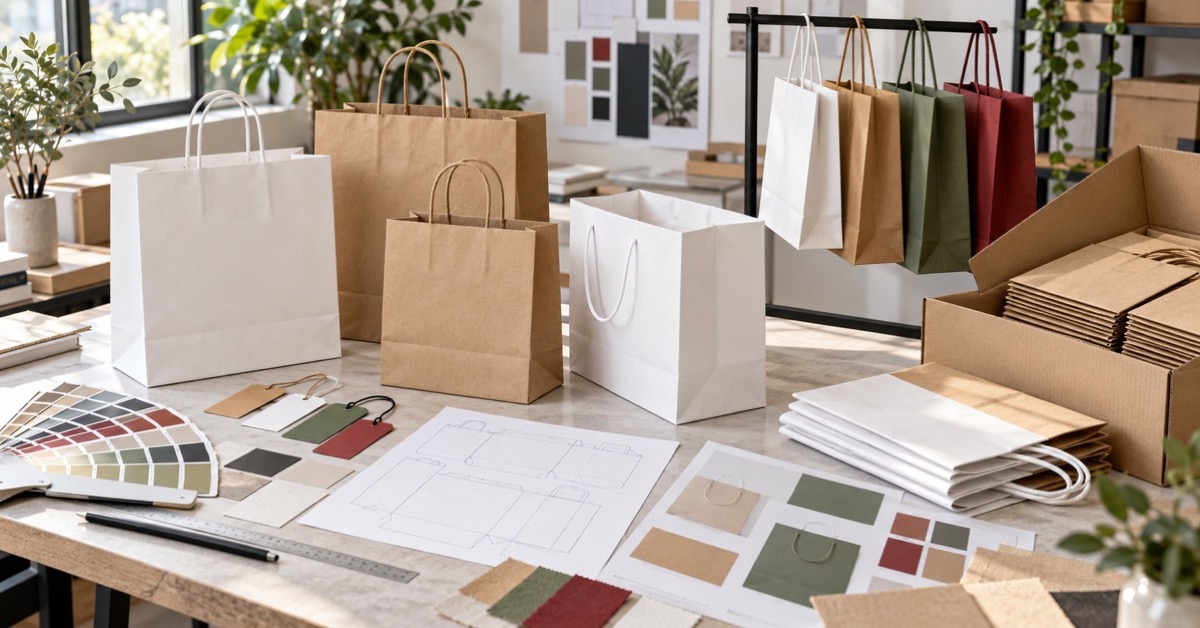
Presentation value. In gift and collectible markets, the box often has to do the selling before the customer even opens it.
For insulated carriers such as cake bags, the key considerations shift:
Shape retention. A soft-sided carrier still needs enough structure to keep cakes from being crushed.
Closure quality. Zippers and seams matter more than decorative touches when temperature-sensitive goods are on the move.
Branding space. Logo printing and custom colors can help a bakery turn a utility item into visible brand presence.
Common mistakes buyers make
One of the most common errors is over-specifying packaging because it sounds safer. More layers, heavier material, or a fancier print process do not automatically make a better outcome. They may add cost, slow packing, or create a box that looks nice but ships poorly.
Another mistake is assuming the same packaging logic works for retail and food transport. It does not. Bespoke gift packaging can prioritize visual impact and shelf appeal. A thermal carrier has to survive handling, stacking, and repeated opening. That difference sounds obvious until someone tries to reuse a gift-box standard for a delivery workflow.
There is also a practical caution worth keeping in mind: if a supplier says a surface is “easy to clean” or “not easy to scratch hands,” ask what that means in daily use. Those are useful selling points, but they are not substitutes for proper material review and sample testing.
How to choose a supplier specification
Start with the product, not the packaging trend.
If you are sourcing for a card game, ask how the box supports printing, storage, and retail display. Check whether the surface finish suits the artwork and whether the box protects the deck during shipment.
If you are buying for a bakery or dessert brand, ask for size options, logo printing methods, and whether the bag structure fits your typical cake dimensions. “Ready to ship” stock can be useful for urgent needs, while small-batch customization makes more sense for branded programs or seasonal launches.
Where possible, request samples and check them in the real workflow: packing bench, delivery bag, shelf display, or customer handoff. Packaging that looks fine in a catalog can behave very differently once it meets a busy counter.
Quick buyer takeaway
Tailor-made packaging should do one of three things well: protect, present, or carry. The best versions do all three without making the product harder to use.
For collectible cards, that means a box that supports the deck’s visual identity and keeps the cards in good condition. For cake transport, it means a sturdy insulated carrier with the right size, closure, and branding options. In both cases, the buyer wins when packaging is chosen as part of the product design, not after the fact.
FAQ
Is custom packaging only for premium products?
No. It is also useful for products that need better protection, faster handling, or stronger brand recognition.
Should I choose stock packaging or custom packaging?
Stock packaging works when speed matters. Custom packaging is better when fit, branding, or product presentation is central to the sale.
What should I ask for first?
Start with dimensions, intended use, and branding requirements. Those three points usually determine the rest of the specification.
Next step for sourcing teams
Before issuing a quote request, define the product’s handling path. Is it opening on a retail shelf, moving through a gift channel, or traveling by courier? Once that is clear, tailor-made packaging becomes much easier to specify, compare, and buy with fewer surprises later on.