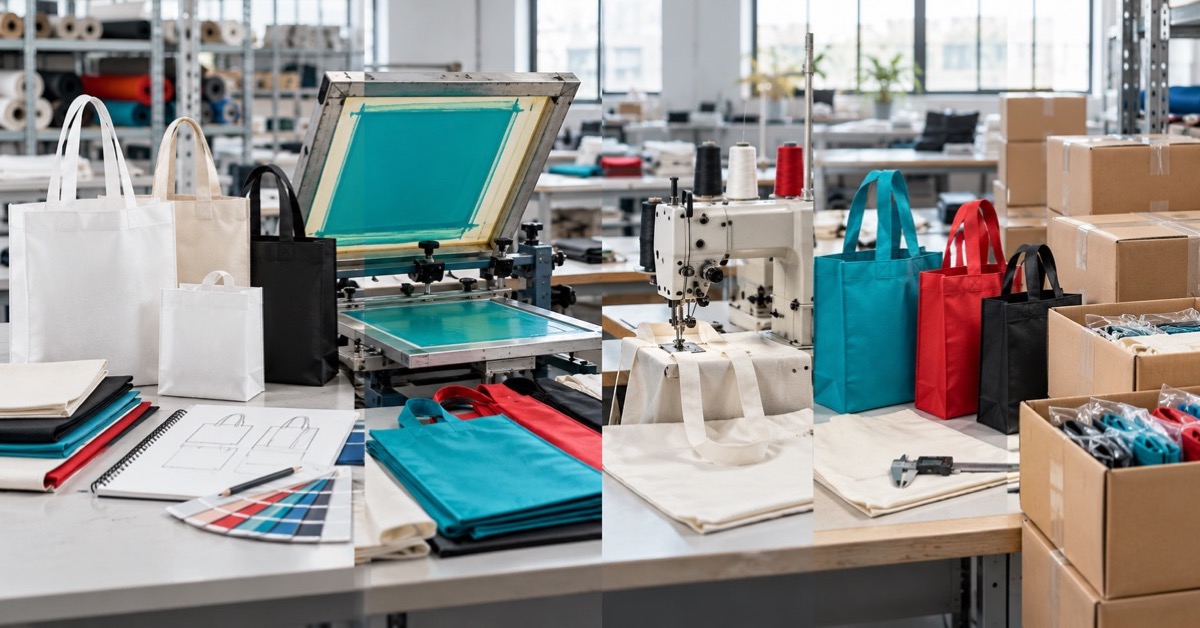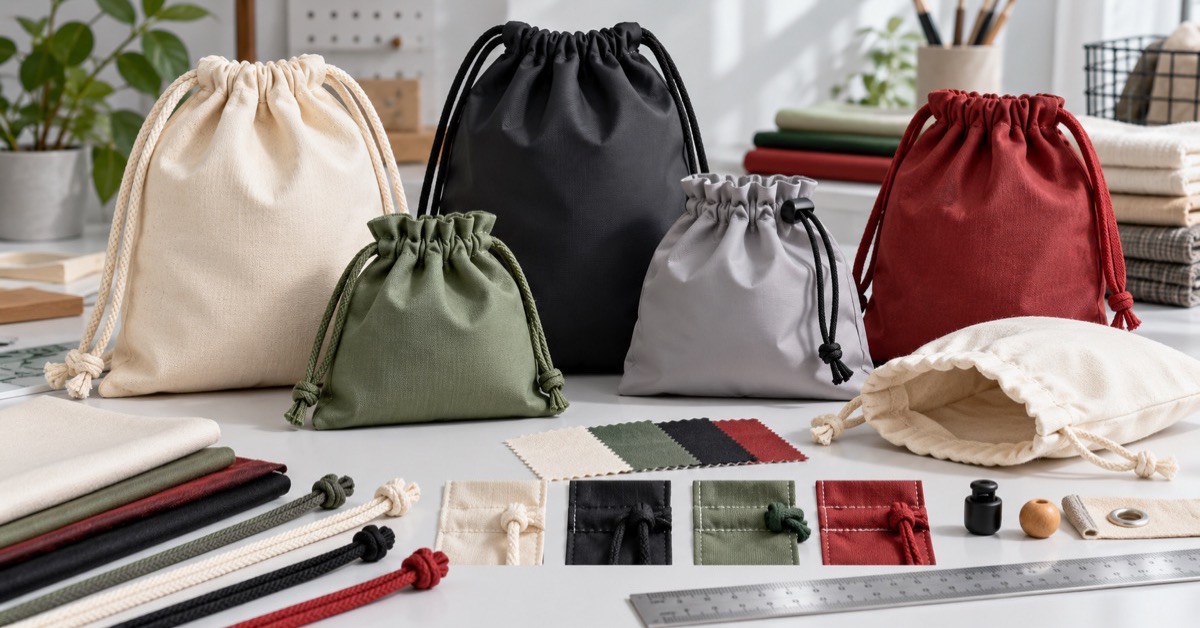


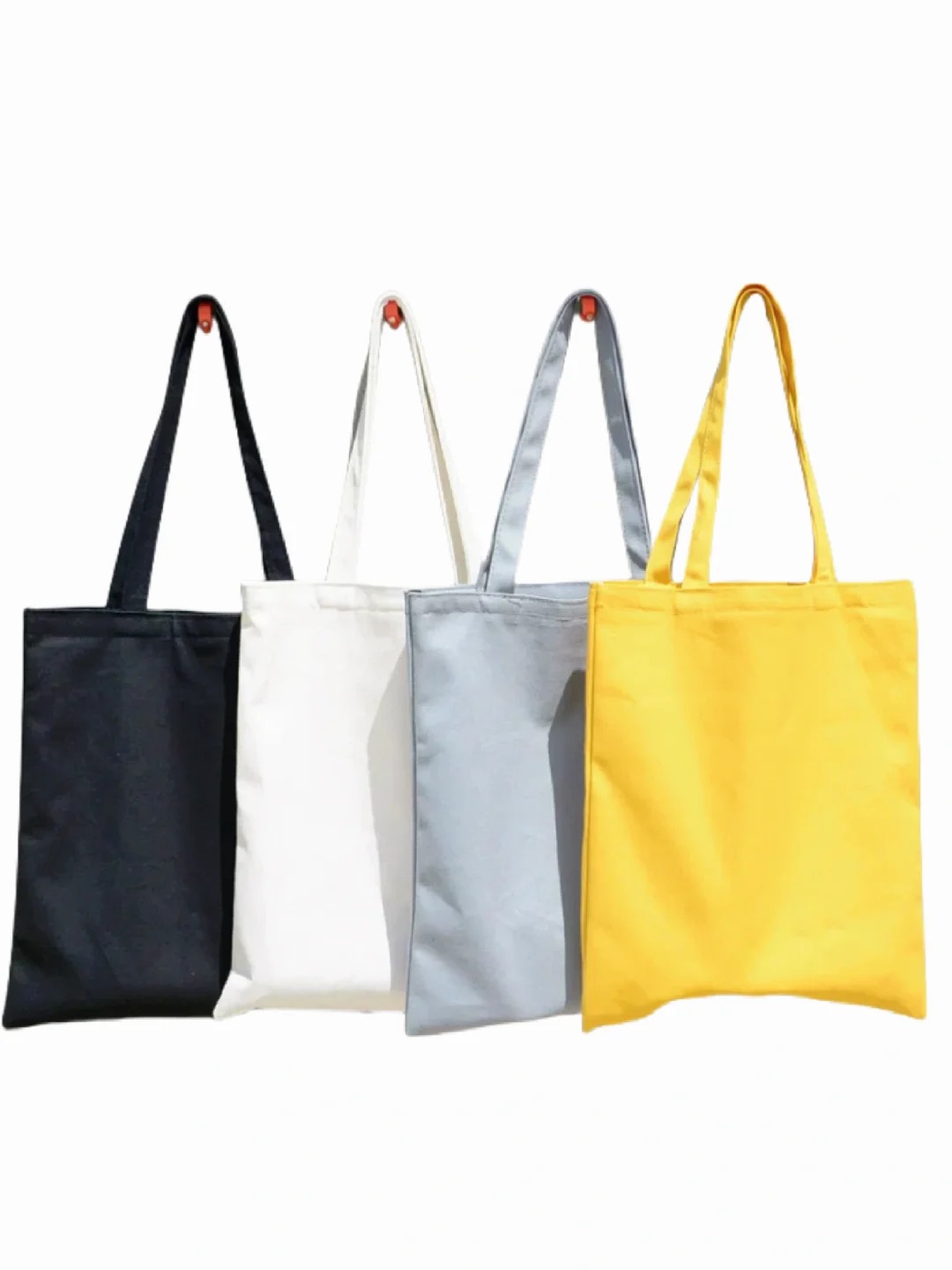
A one-color event logo and a photographic retail design should not automatically use the same printing method. In the screen printing vs heat transfer bags decision, the artwork, fabric, quantity and desired surface feel matter more than choosing one technique as universally better.
The 30-second comparison
Screen printing often suits bold colors, repeated designs and practical fabric bags. Heat transfer can reproduce gradients, small details and multi-color artwork without preparing a separate screen for every color. The final choice still depends on the supplier's equipment and the exact bag material.
| Decision point | Screen printing | Heat transfer |
|---|---|---|
| Artwork style | Strong for solid colors and simple shapes. | Useful for gradients, photos and fine detail. |
| Setup | Separate screen preparation may be needed. | Transfer preparation varies by process. |
| Surface feel | Ink feel depends on deposit and fabric. | A transfer layer may be more noticeable. |
| Fabric behavior | Works best when ink and surface are compatible. | Heat and pressure must suit the material. |
| Order planning | Can be efficient for repeated artwork. | Can suit detailed designs and smaller variations. |
Screen printing earns its place with clear, repeatable artwork
A simple logo can remain visually strong even when the fabric has texture. Screen printing also allows the production team to control ink coverage for the chosen material. Buyers should still check registration, opacity and the way the print bends when the bag is folded.
Heat transfer helps when the image carries the detail
If the design depends on tonal changes, a complex illustration or multiple colors, heat transfer may reproduce the artwork more directly. The sample should be folded, rubbed and handled because the edge, stretch and surface feel of the transfer affect the finished impression.
The same design can behave differently on another fabric
Cotton, canvas, non-woven fabric and synthetic textiles accept ink and heat differently. Color can shift against a dark background, and heat-sensitive material can distort. For textile safety and certification context, buyers can review the OEKO-TEX Standard 100 overview while confirming the materials used in their order.
Order two real samples when the choice is close
A digital mockup cannot show ink texture, transfer edges or fabric movement. For a screen printing vs heat transfer bags comparison, ask for samples using the intended bag and artwork. Judge them under normal light, fold them as they will be packed and let someone carry the filled bag.
Match the method to the campaign, not a slogan
- View PackMK printed non-woven bag options
- Review PackMK printing capabilities
- Send artwork for a bag printing review
The useful conclusion in screen printing vs heat transfer bags is conditional: choose the method that reproduces the important part of the artwork on the actual fabric at the required quantity.
Bag printing comparison questions
Which method is better in screen printing vs heat transfer bags?
Neither is always better. Simple solid artwork may favor screen printing, while detailed multi-color images may favor heat transfer.
Can both methods be used on canvas bags?
They can be possible, but the fabric texture, coating, heat tolerance and desired finish must be tested.
Why should buyers approve a printed bag sample?
A sample reveals color, opacity, texture, transfer edges, alignment and behavior when the bag is folded or loaded.
What should be sent for a print recommendation?
Send vector or high-resolution artwork, bag material, print size, colors, quantity and intended use.