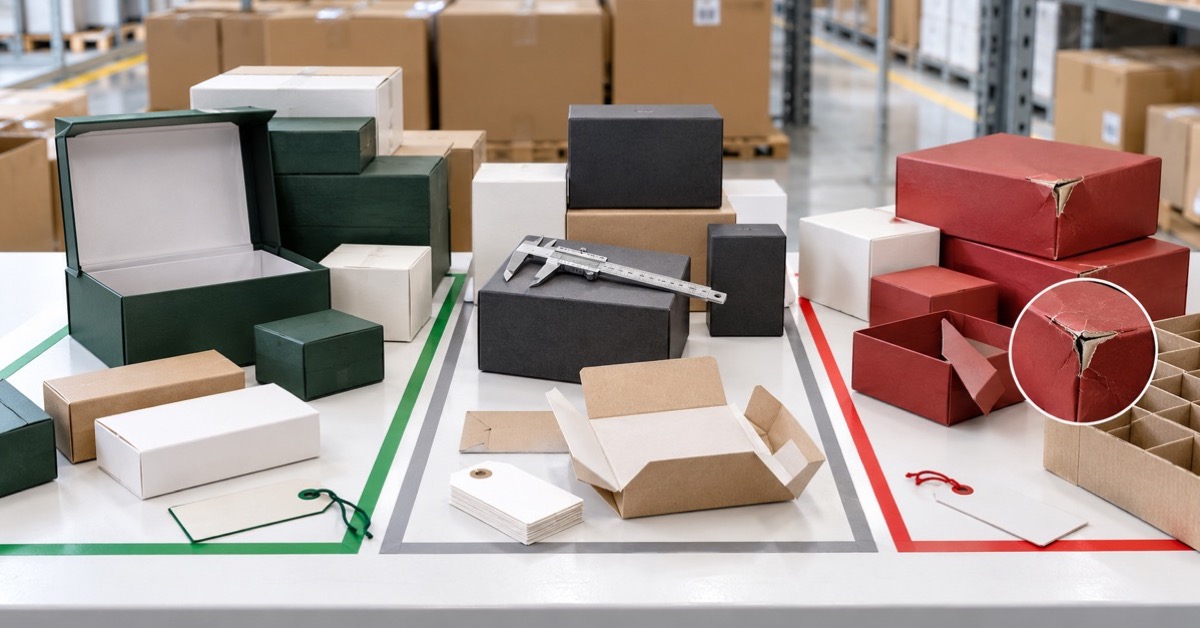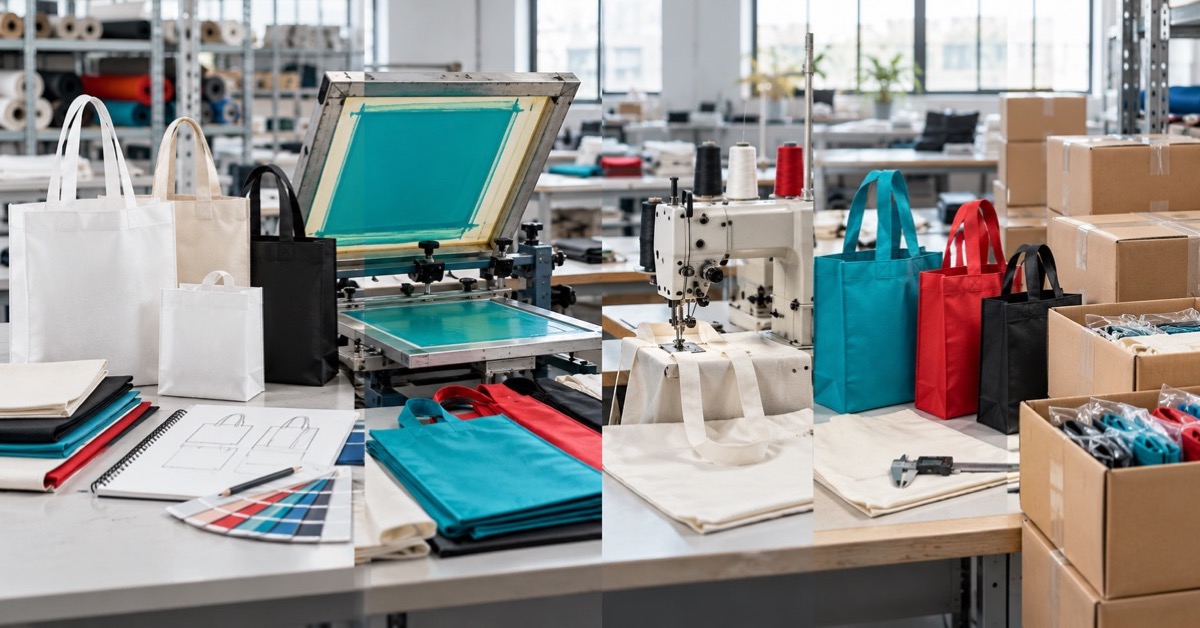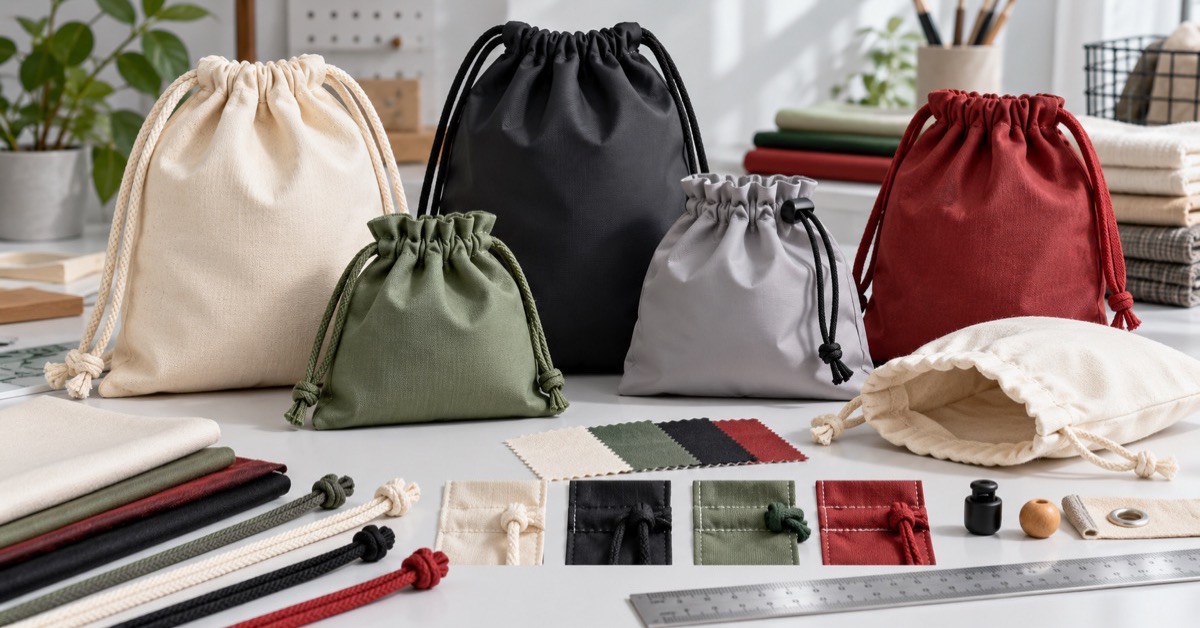


A private-label range can lose margin in packaging long before the unit price looks expensive. Too many structures, finishes, insert styles and carton sizes create tooling, waste, assembly, storage and fulfillment costs that are hard to see in a simple box quote. Private label paper boxes should therefore be planned as an assortment architecture.
PackMK starts with the commercial role of each SKU. Some packs must protect a premium item, some must support shelf comparison, and others must minimize fulfillment effort or parcel cube. The right question is not how to make every box cheaper; it is where packaging complexity earns its place and where shared components improve the portfolio.
Direct answer: Assign every box an assortment role, measure the full cost created by structure and finish, then standardize components that do not improve protection, conversion, fulfillment or brand hierarchy.
Give each box a commercial job
| Assortment role | Packaging priority | Margin question |
|---|---|---|
| Entry | Efficiency and clarity | Can complexity be removed? |
| Core | Repeatability and recognition | Can components be shared? |
| Premium | Experience and protection | Does finish earn value? |
| Gift | Presentation and pack-out | Is assembly manageable? |
A role-based map prevents every SKU from receiving premium complexity simply because it is available.
Start with the product and channel economics
Record product dimensions, fragility, weight, retail price, channel, expected order mix, storage, parcel route and return risk. The same box may perform differently on a shelf, in a master carton and in direct-to-consumer shipping.
PackMK uses these inputs to define the package job. A retail folding carton may still need secondary transit protection, while a rigid presentation box may create avoidable parcel cube for a low-margin online SKU.
Create a hierarchy buyers can read
Decide which visual and structural signals distinguish entry, core and premium products. Use color, size, opening method, print coverage and finish deliberately rather than adding every option to every pack.
The hierarchy should remain recognizable when products sit together. PackMK tests the assortment as a group because an isolated premium sample cannot show whether the range still makes sense.
List every cost triggered by a box decision
A useful commercial comparison includes more than the converted box price:
- structural design and tooling;
- paperboard, print and finishing;
- inserts, windows, magnets or closures;
- assembly and product loading;
- inner packs, master cartons and pallet cube;
- storage, damage, rework and reorder minimums.
PackMK separates recurring unit economics from one-time development so the buyer can see which decisions compound over the life of the range.
Choose structure before decorative finish
Confirm product fit, opening, retention, compression, stacking, assembly and transit behavior before approving foil, lamination, texture or special coatings. Decoration cannot repair a weak structural route.
PackMK uses white samples and loaded mockups early. This lets the team change dimensions, tabs, inserts or board without wasting time perfecting artwork on an unstable dieline.
Share dimensions where the portfolio allows
Look for product families that can use a common outer footprint, insert platform or master carton. Small dimension changes may reduce tool count, simplify storage and improve pallet or parcel use.
Standardization is not free if it creates excessive empty space or weak protection. PackMK compares the saving against insert complexity, presentation and shipping consequences before combining formats.
Read the margin effect across the whole route
| Decision | Possible benefit | Hidden cost to test |
|---|---|---|
| Heavier board | Rigidity | Weight and forming |
| Special finish | Shelf impact | Setup and reject risk |
| Shared size | Fewer tools | Empty space |
| Flat delivery | Lower cube | Assembly labor |
| Premium insert | Presentation | Loading time |
The best route is the one whose total tradeoff supports the intended price point and channel, not the one with the lowest single line item.
Model flat-packed versus assembled supply
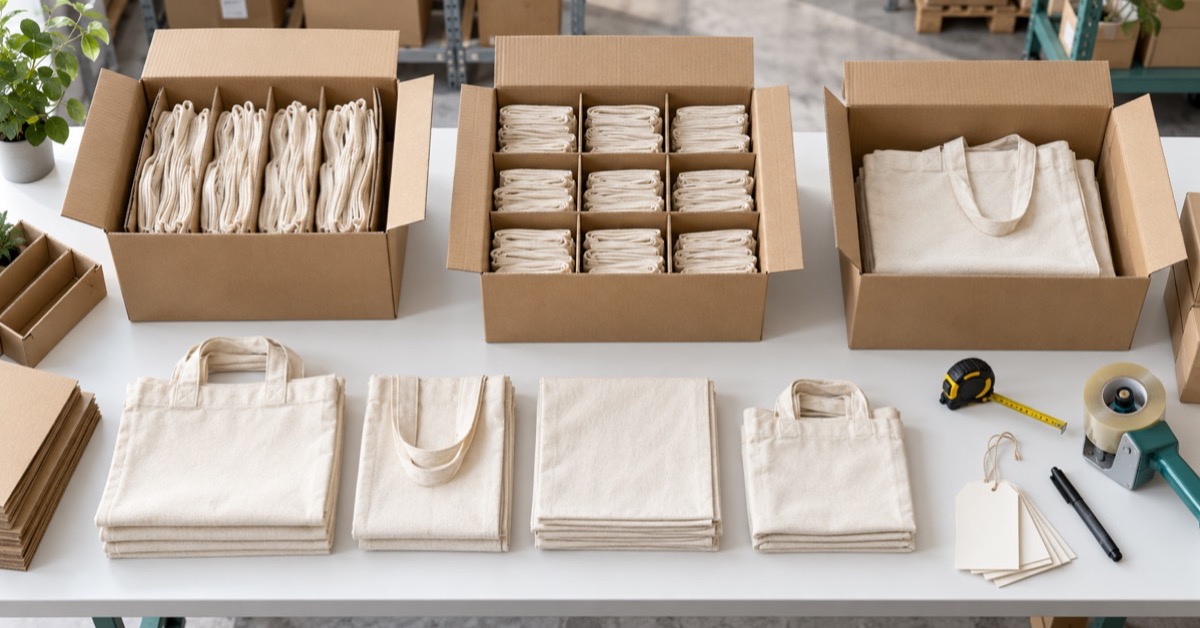
Flat cartons can reduce inbound cube but move erection and loading work to the buyer or fulfillment partner. Assembled packs may protect presentation but consume storage and freight space.
PackMK maps who performs each step, expected rate, training, fixtures, rejection and peak-volume capacity. Labor that is absent from the supplier quote still belongs in the packaging decision.
Use samples to validate pack-out time
Ask actual operators to erect, load, close, label and case-pack representative samples. Record cycle time, awkward movements, damage, confusion and the effect of product variation.
A box can feel elegant during a slow design review yet become difficult at hundreds of units per hour. PackMK treats pack-out evidence as part of commercial validation.
Control artwork as an assortment system
Set shared brand zones, information hierarchy, color rules, mandatory content and SKU-variable fields. Connect every artwork file to the approved dieline and product identity.
PackMK uses a portfolio proof review to catch inconsistent panels, misplaced copy and version drift. It also shows whether premium cues remain distinct without breaking the brand family.
Compare board and finish on the finished construction
Paperboard references, caliper and finish data are useful inputs, but scoring, folding, lamination, ink coverage and storage can change the final behavior. Review the converted box after representative conditioning and handling.
PackMK records approved references and allowed alternatives. If a material or mill source changes, the team knows which structural, print or appearance checks must reopen.
Set quality limits around the customer experience
Define critical defects such as wrong identity, product damage or unusable closure, and major defects such as poor fit, visible scuffing, print shift or assembly failure. Add measurable dimensions and appearance references where practical.
PackMK aligns inspection with the package role. A premium gift box may require tighter visible finish control, while a core carton may prioritize forming, code accuracy and line performance.
Design master cartons around the assortment mix
Decide whether orders ship as single-SKU cases, mixed retail assortments or fulfillment-ready kits. Record case quantities, separators, orientation, compression needs, labels and receiving sequence.
PackMK checks product-box-master-carton fit together. Improving the retail box while creating inefficient or fragile outer packing simply moves cost to another stage.
Use launch waves to protect working capital
Separate proven core SKUs from uncertain extensions. A launch wave can validate pack-out, damage, customer response and replenishment before the full range consumes tooling and inventory.
PackMK keeps shared specifications ready so later SKUs can join the architecture without repeating every decision. The wave plan should still state minimums, setup consequences and realistic replenishment time.
Review margin after the first replenishment
Compare planned and actual assembly time, damage, storage, cube, returns, supplier variance and leftover stock. Identify which premium features created value and which complexity remained invisible to the customer.
PackMK uses the review to simplify the next order or strengthen the controls that matter. Margin architecture becomes useful only when real operational evidence feeds back into the box family.
Assortment example: one brand, four price points
A personal-care brand plans eight SKUs across entry, core, premium and gift tiers. The initial concepts use seven structures and five finish combinations, creating separate tools, manual instructions and master cartons.
PackMK would group products by footprint and protection need, test a shared folding-carton platform for entry and core items, and reserve the complex opening and insert for premium and gift roles. Artwork would create hierarchy without forcing structural variation into every SKU.
The comparison would include unit conversion, tooling, assembly, storage, master-carton cube and replenishment minimums. Management could then approve complexity where it supports price and experience, while preserving margin elsewhere in the range.
Use quality and responsible-claim resources as context
Quality principles and marketing guidance can improve supplier questions and help teams avoid unsupported material or performance statements. Use ISO quality management principles and FTC advertising and marketing guidance as question-building context. PackMK still releases an order against the approved buyer brief, physical evidence, production records and destination-specific review.
Brief private label paper boxes by assortment and margin
A decision-ready private label paper boxes brief should define assortment role, pack architecture, paperboard, structural sample, print coverage, tooling, cube efficiency, fulfillment labor, landed cost, reorder strategy. It should also identify PackMK, private label paper boxes, paperboard, folding carton, corrugated, FSC, OEM, MOQ. PackMK turns those fields into a quotation scope, approval route and evidence list that purchasing, quality, logistics and receiving teams can read in the same way.
Ask the supplier to state assumptions, exclusions, approved alternatives, tooling, minimums, inspection scope, packing method and lead-time conditions. For private label paper boxes, a broad promise should become a sample question, a priced option, a measurable tolerance or a release condition before the purchase order is confirmed.
Board performance, environmental claims, transit needs, product requirements and total landed cost vary by design, market and route. Confirm relevant technical, legal and commercial assumptions with qualified owners.
A coherent box family earns complexity where it protects the product or supports the offer. PackMK helps buyers make that tradeoff visible before tooling and inventory make it expensive to change.
Before approval, PackMK recommends a one-page decision record naming the selected route, rejected alternatives, evidence reviewed, open limitations, quantity basis, owner and review date. After delivery, add receiving results, user feedback, defects, supplier response and retained references. This keeps the next order from restarting as an unstructured search and lets the team reopen only the decisions affected by a new SKU, market, material, pack-out or delivery route.
Map a paper-box assortment with PackMK
PackMK can support private label paper boxes from buyer brief and samples through production checks and export packing. Send the application, artwork, quantities, variants, destination and required date to request a structured quotation for private label paper boxes.
- Explore PackMK paper box and packaging formats
- Review PackMK OEM and ODM support
- Request a private label paper box quotation
Margin and assortment questions for paper boxes
What should be defined before requesting a box quote?
Send product dimensions, weight, fragility, channel, price role, quantities, artwork, packing route and required date.
Why assign assortment roles?
Roles show where premium structure or finish supports value and where efficiency should lead.
Can different SKUs share one box size?
Yes when fit, protection, empty space, presentation and shipping consequences remain acceptable.
What does a white sample prove?
It proves dimensions, fit, opening, retention, folding and assembly before decorative work is approved.
How should flat and assembled supply be compared?
Include inbound cube, storage, erection labor, loading rate, damage, training and peak capacity.
Which costs are often missed?
Tooling, assembly, inserts, master cartons, storage, rework, damage and reorder minimums are often missed.
How are premium finishes evaluated?
Review their visible value together with setup, reject risk, forming, durability and repeatability.
What should paper-box inspection cover?
Check identity, dimensions, board, print, finish, scoring, folding, closure, fit, count and packing.
Why use launch waves?
They test operating and market assumptions before every SKU consumes tools, inventory and working capital.
How does PackMK support private-label ranges?
PackMK coordinates architecture, structural samples, artwork, quotes, pack-out trials, quality and replenishment review.