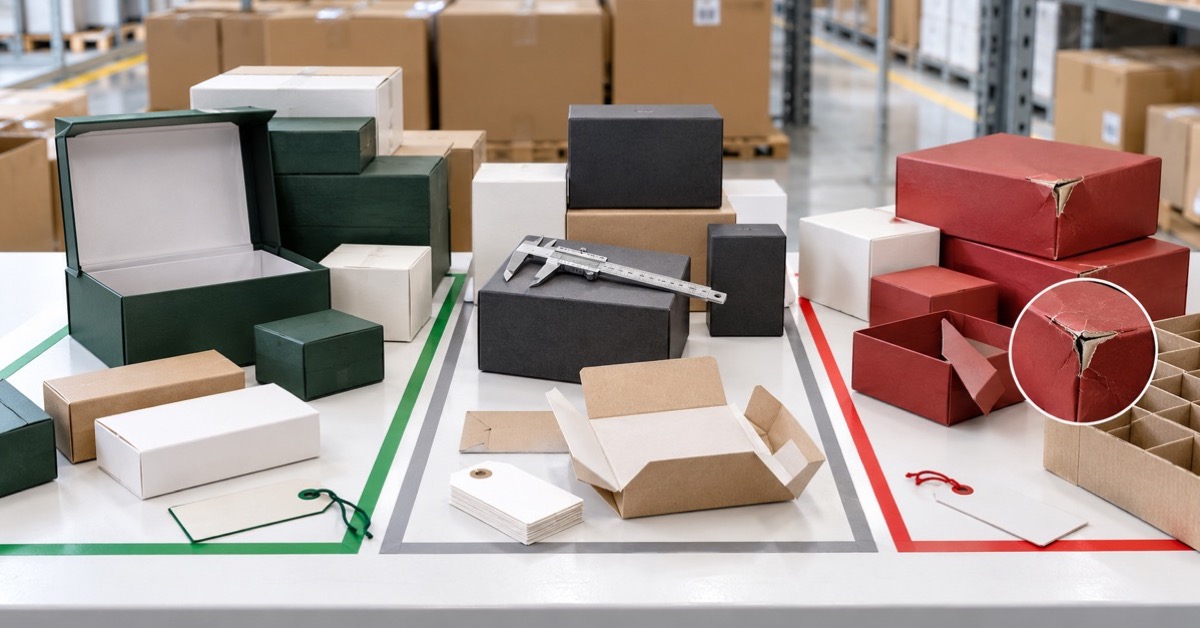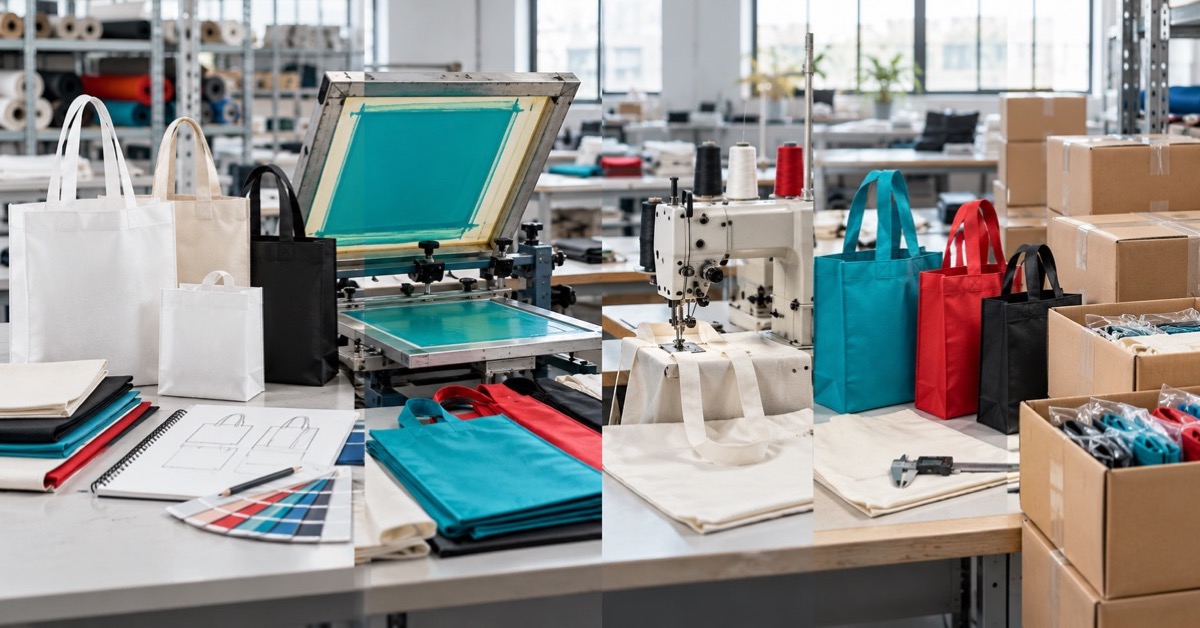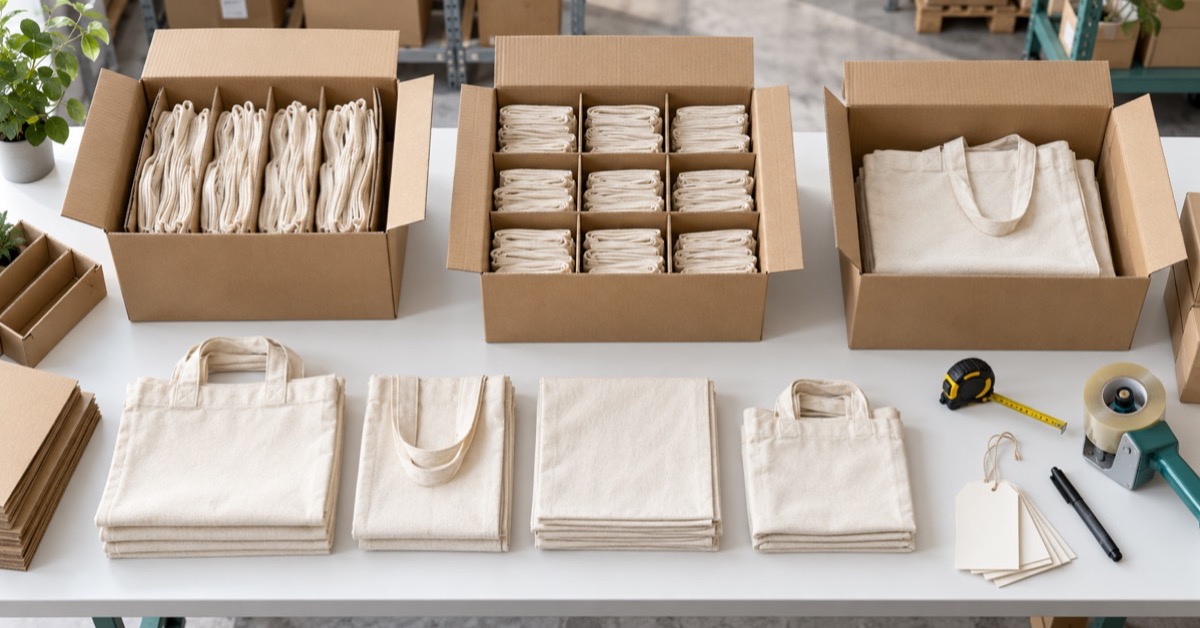


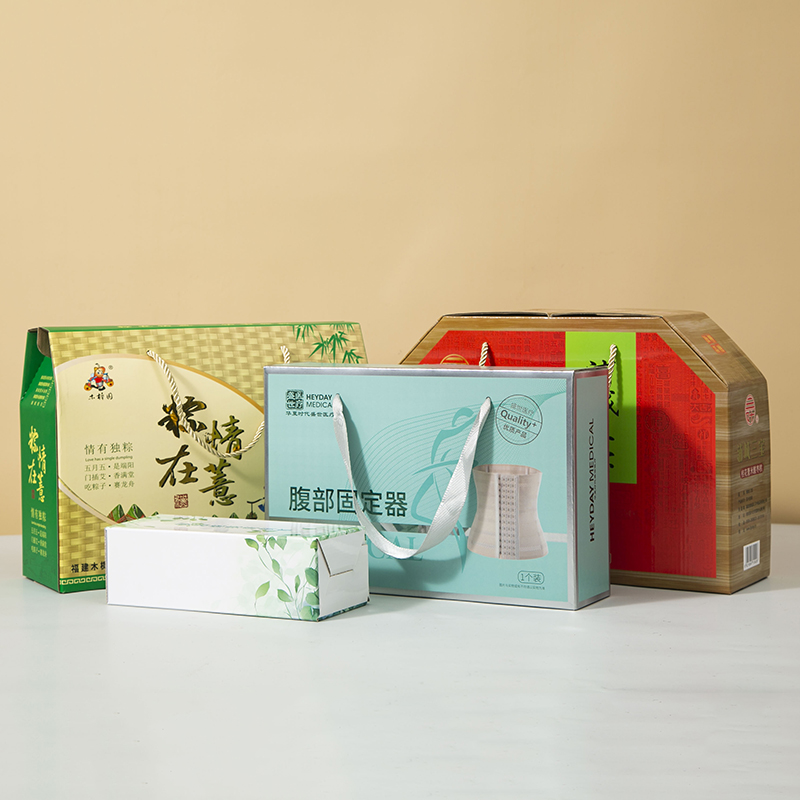
An offset press can produce beautiful packaging, but a press name does not prove that a manufacturer can control the complete order. Artwork versions, plates, paperboard, register, drying, finishing, die cutting, inspection and carton identity all sit between a PDF and a released package. An offset printing packaging manufacturer should show that whole control dossier.
PackMK uses a qualification dossier that follows the job from prepress to packed cartons. The dossier is not a certification shortcut and does not guarantee a future run. It gives the buyer a structured way to compare evidence, assumptions, process ownership, minimums and change control before selecting a supplier.
Direct answer: Qualify the manufacturer across prepress, color, substrate, press setup, finishing, conversion, inspection, packing and change records, then release production only against an approved first article and traceable carton identity.
Request the nine-part control dossier
| Dossier part | Buyer question | Evidence |
|---|---|---|
| Prepress | Which file is released? | Version ledger |
| Color | What is the reference? | Proof and standard |
| Plate | What setup is fixed? | Plate record |
| Substrate | What stock is booked? | Material code |
| Press | How is register controlled? | Run sheet |
| Finish | What passes follow printing? | Sample |
| Release | Who accepts first article? | Signed record |
| Packing | How are cartons identified? | Carton label |
| Change | What reopens the job? | Change log |
PackMK compares complete control routes. A supplier that can show a press but not a version ledger has not shown the whole manufacturing interface.
Audit prepress before discussing color
Confirm dieline, bleed, trapping, overprint, image resolution, barcode zone, language versions, varnish masks, knockout rules and approval owner. Lock a naming convention and date.
PackMK wants one released file and one comment log. Words such as final or latest are not sufficient when several teams exchange artwork.
Define color with a physical reference
State process or spot colors, substrate, proof method, viewing light, tolerance approach and whether special finishes alter appearance. Review the production stock, not a screen alone.
PackMK keeps a signed proof and first article. Color judgment should not overrule missing text, code or register approvals, and it should remain within the agreed process boundary.
Ask how the press setup is controlled
The manufacturer should explain:
- plate creation and file release;
- paper loading and conditioning;
- ink, fountain and drying controls;
- register and make-ready checks;
- waste and reprint disposition;
- operator and shift handoff.
PackMK converts answers into evidence requests. A general machine specification cannot explain this order's control route.
Qualify the substrate before the run
Record paperboard grade, caliper or weight, grain, color, surface, coating, moisture condition and approved alternatives. Confirm availability and storage conditions for the order quantity.
PackMK treats stock as part of the printed construction. A change in board can alter color, fold behavior, die cutting, stiffness, scuffing and carton weight.
Inspect register where the package will be folded
Review critical alignment at panels, seams, windows, handles, folds, codes, spot effects and die-cut edges. Use a flat sheet and assembled sample where both views matter.
PackMK records the accepted tolerance by feature. A sheet can look aligned on a press table while a fold exposes a meaningful shift.
Separate print defects from conversion defects
| Stage | Typical observation | Record |
|---|---|---|
| Prepress | Wrong version or mask | File ledger |
| Press | Color or register drift | Run sample |
| Drying | Setoff or rub | Conditioned check |
| Finish | Foil or varnish miss | Effect sample |
| Die cut | Edge or window error | Converted sample |
| Packing | Mixed cartons | Reconciliation |
PackMK uses stage-specific defect language so corrective action reaches the right owner.
Treat finishing as a second production route
Lamination, varnish, foil, embossing, spot effects and specialty coatings can add passes, queue time, tooling, drying, rub and inspection points. Identify the sequence and handoff.
PackMK approves the final decorated and converted piece. A finish name in the quotation does not prove its registration, adhesion or appearance on the selected stock.
Release a first article before the full run
The first article should show substrate, print, finish, die cut, fold, fit, variable data and pack-out at production-equivalent conditions. Name who can accept or reject it.
PackMK retains the accepted reference and links it to the purchase order. A press sheet without conversion evidence cannot release a folding carton or rigid box program.
Sample across press time and shifts
Inspect beginning, middle and end positions, multiple stacks or cartons and relevant press periods. Check color, register, setoff, scuff, cuts, finish, count and identity.
PackMK reconciles accepted, rejected, reworked and packed quantities. Sampling should reveal drift rather than confirm only the first good sheet.
Make carton traceability part of qualification
Mark purchase order, SKU, artwork version, substrate code, finish, quantity, carton range and handling needs. Separate similar versions in the warehouse and during loading.
PackMK traces a carton backward to the first article and forward to receiving. This protects reorders when several packaging versions share a press schedule.
Review capacity and minimums as process facts
Ask what creates the minimum: plate setup, board purchase, press run, finishing, die, packing or supplier policy. Confirm how quantity and version splits affect changeovers.
PackMK compares minimums with the actual artwork and delivery waves. An offset printing packaging manufacturer should explain the assumptions behind the quoted quantity, not only its unit price.
Use a change record after approval
Log new copy, image, board, color, finish, die, quantity, carton or destination changes. Identify which evidence, tooling, lead time and price lines reopen.
PackMK keeps the approved baseline and revised record together. This protects the next run from silently inheriting an obsolete file or construction.
Dossier example: a folding carton with four language versions
A brand needs a folding carton in four languages with a matte finish, small code area and one spot color. The total quantity is high, but each language has a separate artwork file.
PackMK would review prepress version ownership, color reference, substrate, plate setup, language allocation and carton marks before press booking. The first article would include fold, die cut, finish, code zone and pack-out.
Press samples would be checked across run positions, while cartons would separate language versions by labeled range. A change to one language would reopen only its file, plate and quantity allocation if the shared construction remains unchanged.
The qualification dossier would distinguish print, finishing, conversion and packing defects. A missed foil or wrong-language carton would not be hidden under one generic print acceptance.
The reorder baseline would retain the accepted carton, version ledger, substrate code, finish sequence and change triggers. A new market edition could be added without losing the common controls.
Use quality and barcode resources to frame controls
Quality and barcode guidance help buyers describe traceability and process ownership, but they do not certify a particular offset supplier or packaging order. Review ISO quality management principles and GS1 barcode standards overview as general context. PackMK still releases an order against the buyer brief, approved samples, production evidence and destination-specific decisions.
Turn the dossier into an offset printing packaging manufacturer brief
A decision-ready offset printing packaging manufacturer brief should define prepress control, color reference, plate setup, substrate, register, finishing pass, first article, inspection plan, carton traceability, change record. It should also identify PackMK, offset printing packaging manufacturer, offset press, paperboard, CMYK, Pantone, OEM, MOQ. PackMK turns these fields into a quotation basis, approval route and evidence list that purchasing, quality, operations and receiving teams can interpret consistently.
Ask the supplier to state assumptions, exclusions, approved alternatives, tooling, minimums, inspection scope, packing and lead-time conditions. For offset printing packaging manufacturer, each broad promise should become a physical sample question, measurable tolerance, priced option or release gate before the purchase order is confirmed.
Print and conversion outcomes vary with artwork, plates, substrate, press, ink, drying, finishing, die, operator, quantity, inspection and packing. Color, barcode, structural and regulatory acceptance require order- and market-specific criteria.
A credible offset printing packaging manufacturer shows control beyond the press. PackMK connects files, materials, finishing, inspection, carton traceability and change decisions into one qualification dossier.
Before approval, PackMK recommends a one-page decision record naming the selected route, rejected alternatives, evidence reviewed, open limitations, quantity basis, owner and review date. After delivery, add receiving observations, defects, user feedback, supplier response and retained references so the next order can reopen only changed decisions.
Qualify an offset packaging print route with PackMK
PackMK can support offset printing packaging manufacturer from buyer brief and physical samples through production checks and export packing. Send the product or application, artwork, quantities, variants, destination and required date to request a structured quotation for offset printing packaging manufacturer.
- Explore PackMK printed packaging and boxes
- Review PackMK OEM and ODM support
- Request an offset packaging qualification quotation
Offset printing packaging manufacturer questions
What should be qualified first?
Start with prepress ownership, released files, substrate, color reference and the complete process sequence.
Can a press specification prove quality?
No. It does not show artwork control, finishing, conversion, inspection or carton traceability for your order.
How should color be approved?
Use a physical proof or first article on the intended substrate with a defined viewing and tolerance approach.
Why inspect folded samples?
Folds, die cuts and panels can expose register or finish issues hidden on a flat sheet.
What does a first article include?
Include production-equivalent stock, print, finish, conversion, variable fields, fit and pack-out.
How are four language versions controlled?
Use a version ledger, separate quantity allocation, proof approval and carton segregation.
What creates offset setup cost?
Plates, make-ready, spot colors, artwork versions, finishing, dies and changeovers can all contribute.
How should inspection sample the run?
Sample multiple positions, stacks, cartons and relevant press or shift periods.
When does a change reopen the job?
Reopen when copy, file, stock, finish, die, quantity, carton or destination changes the approved baseline.
How does PackMK support qualification?
PackMK structures the dossier, samples the route, aligns inspection and links approved references to reorders.