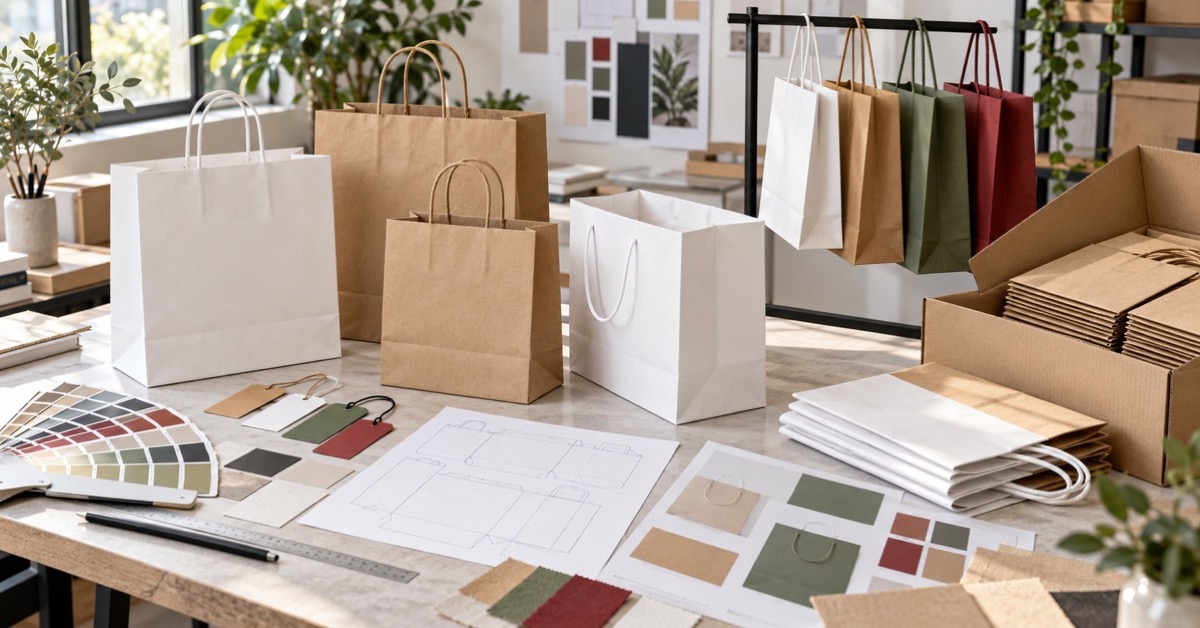


Kraft paper can feel reassuringly strong, but a finished bag fails at its weakest connection. OEM kraft paper bags should therefore be approved as a load chain that includes paper, grain, gussets, bottom folds, adhesive seams, handles and reinforcement.
PackMK starts with the real contents and carry route. This lets a buyer distinguish a paper-grade question from a forming, handle or packing question and produces evidence that can be repeated on the next order.
PackMK begins with the buyer's operating question and records the active brief, approver, physical reference and open risks before bulk release.
Link 1: define the filled load
Record product dimensions, total weight, sharp corners, moisture, carry distance and reuse expectation before selecting paper. PackMK follows the force from the contents through the base, side seams, top edge, handles and the hand. A material claim is not accepted as proof of the finished bag.
Pack the common and maximum combinations and observe balance, opening, bulging and product clearance. This prevents paper being approved for an undefined job. Keep the evidence with the live specification so quoting, sampling, production, inspection and repeat orders use the same basis.
Link 2: name the kraft paper
Specify virgin or recycled content, grade, weight, color, finish, certification requirement and allowed variation. PackMK follows the force from the contents through the base, side seams, top edge, handles and the hand. A material claim is not accepted as proof of the finished bag.
Compare production-equivalent sheets for stiffness, tear, opacity, print surface and fold behavior. This prevents different papers sharing the same kraft label. Keep the evidence with the live specification so quoting, sampling, production, inspection and repeat orders use the same basis.
Link 3: control grain direction
Set grain relative to folds, gussets and the dominant carry force. PackMK follows the force from the contents through the base, side seams, top edge, handles and the hand. A material claim is not accepted as proof of the finished bag.
Fold and load blanks in the intended direction and inspect cracking, stiffness and shape recovery. This prevents a strong sheet folding poorly in the bag. Keep the evidence with the live specification so quoting, sampling, production, inspection and repeat orders use the same basis.
Link 4: freeze finished dimensions
Define width, height, gusset, opening and usable space with measuring conditions and tolerances. PackMK follows the force from the contents through the base, side seams, top edge, handles and the hand. A material claim is not accepted as proof of the finished bag.
Measure empty and filled samples and check the actual product clears seams and handles. This prevents flat dimensions passing while contents do not fit. Keep the evidence with the live specification so quoting, sampling, production, inspection and repeat orders use the same basis.
Link 5: prove the side seam
Name adhesive area, overlap, curing and visual limits for the paper and finish. PackMK follows the force from the contents through the base, side seams, top edge, handles and the hand. A material claim is not accepted as proof of the finished bag.
Open selected samples after loading and inspect continuity, peel and surrounding paper damage. This prevents a clean seam hiding incomplete bonding. Keep the evidence with the live specification so quoting, sampling, production, inspection and repeat orders use the same basis.
Link 6: inspect gusset formation
Define crease position, symmetry, opening behavior and acceptable wrinkles. PackMK follows the force from the contents through the base, side seams, top edge, handles and the hand. A material claim is not accepted as proof of the finished bag.
Cycle opening and flattening with the product and inspect whether the gusset guides the load correctly. This prevents poor folds concentrating stress at one corner. Keep the evidence with the live specification so quoting, sampling, production, inspection and repeat orders use the same basis.
Link 7: follow the bottom construction
Specify bottom geometry, folds, adhesive zones and reinforcement for the planned contents. PackMK follows the force from the contents through the base, side seams, top edge, handles and the hand. A material claim is not accepted as proof of the finished bag.
Run static holds and repeated lifts, then inspect separation, tearing and loss of square shape. This prevents the base releasing before the paper reaches its limit. Keep the evidence with the live specification so quoting, sampling, production, inspection and repeat orders use the same basis.
Link 8: engineer handles and patches
Set handle type, length, diameter, position, patch material and adhesive or attachment method. PackMK follows the force from the contents through the base, side seams, top edge, handles and the hand. A material claim is not accepted as proof of the finished bag.
Carry the intended load and inspect comfort, pull direction, patch lift and surrounding paper. This prevents a strong handle tearing the bag wall. Keep the evidence with the live specification so quoting, sampling, production, inspection and repeat orders use the same basis.
Link 9: approve print after forming
Define color, artwork size, safe areas, ink, registration and finish on the selected paper. PackMK follows the force from the contents through the base, side seams, top edge, handles and the hand. A material claim is not accepted as proof of the finished bag.
Compare formed bags after rubbing, folding and stacking against a signed physical reference. This prevents a flat proof hiding fold and scuff behavior. Keep the evidence with the live specification so quoting, sampling, production, inspection and repeat orders use the same basis.
Link 10: condition realistic samples
Identify humidity, storage, rain splash or product moisture that is credible for the route. PackMK follows the force from the contents through the base, side seams, top edge, handles and the hand. A material claim is not accepted as proof of the finished bag.
Condition bags within stated limits and repeat the loaded check on seams, base and handles. This prevents dry-room performance being assumed in a humid route. Keep the evidence with the live specification so quoting, sampling, production, inspection and repeat orders use the same basis.
Link 11: release a coded master
Approve paper, dimensions, seams, gussets, bottom, handles, print, loaded behavior and packing on one sample. PackMK follows the force from the contents through the base, side seams, top edge, handles and the hand. A material claim is not accepted as proof of the finished bag.
Record the date, approver, photos and accepted tolerances. This prevents different teams using different standards. Keep the evidence with the live specification so quoting, sampling, production, inspection and repeat orders use the same basis.
Link 12: inspect across production
Check incoming paper, first articles and periodic output across machines, shifts and variants. PackMK follows the force from the contents through the base, side seams, top edge, handles and the hand. A material claim is not accepted as proof of the finished bag.
Use defect categories and a stop rule for critical load or handle failures. This prevents early good bags hiding later drift. Keep the evidence with the live specification so quoting, sampling, production, inspection and repeat orders use the same basis.
Link 13: protect bags in cartons
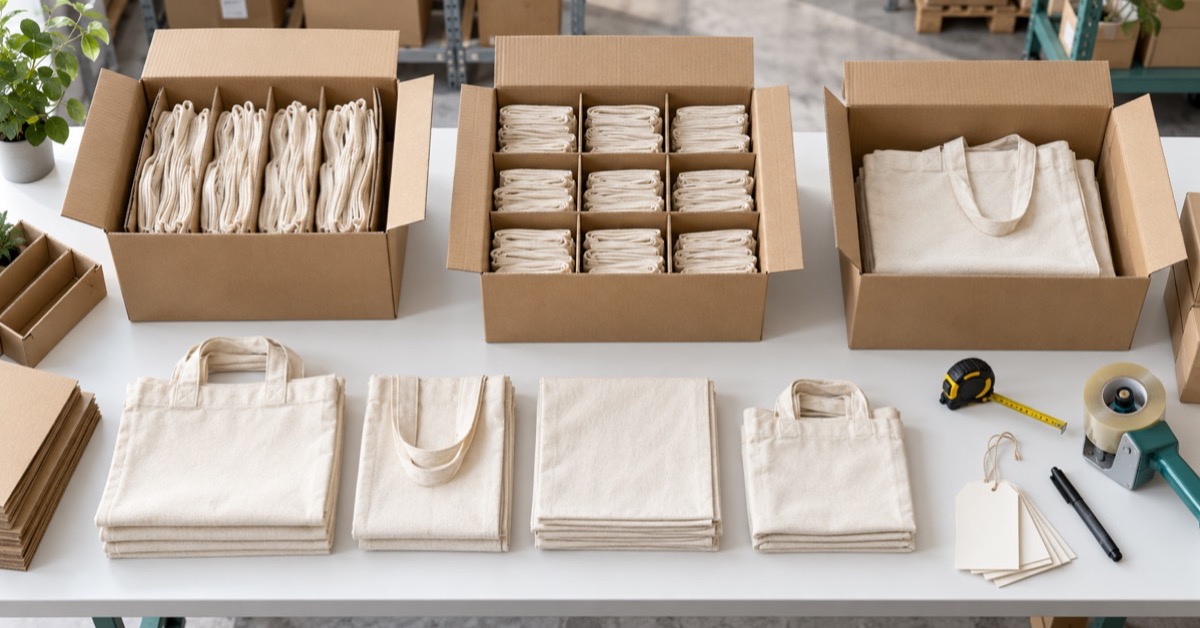
Set fold, bundle count, moisture protection, carton strength, marks and pallet orientation. PackMK follows the force from the contents through the base, side seams, top edge, handles and the hand. A material claim is not accepted as proof of the finished bag.
Open a production carton and rehearse counting, storage and bag recovery. This prevents good bags arriving creased, damp or mixed. Keep the evidence with the live specification so quoting, sampling, production, inspection and repeat orders use the same basis.
Link 14: preserve the reorder chain
Store paper reference, artwork, master bag, load record, deviations, inspection and carton plan. PackMK follows the force from the contents through the base, side seams, top edge, handles and the hand. A material claim is not accepted as proof of the finished bag.
Compare receiving feedback with the baseline before changing one component. This prevents a repeat order being rebuilt from memory. Keep the evidence with the live specification so quoting, sampling, production, inspection and repeat orders use the same basis.
Trace strength through five critical connections
| Connection | Risk | Evidence |
|---|---|---|
| Paper to fold | Cracking | Formed blank |
| Side seam | Peel | Opened sample |
| Base | Separation | Loaded hold |
| Handle patch | Tear | Carry cycles |
| Bag to carton | Crease | Receiving trial |
Separate paper claims from bag proof
| Claim | Useful definition | Finished proof |
|---|---|---|
| Heavy paper | Grade and weight | Loaded bag |
| Strong handle | Material and patch | Repeated carry |
| Water resistant | Condition and limit | Exposure trial |
| Premium print | Reference and tolerance | Formed sample |
Use forestry and quality references carefully
Responsible sourcing and quality principles improve the brief, but the complete bag must pass the buyer's actual load and route. Review FSC responsible forestry information and ISO quality management principles as context. The signed sample, actual route and documented conditions still control PackMK acceptance.
Specify OEM kraft paper bags by load evidence
For OEM kraft paper bags, record kraft paper, paper weight, grain direction, gusset, bottom fold, adhesive seam, handle patch, loaded carry test, print proof, carton packing. The controlled file also identifies PackMK, OEM, kraft paper, FSC, ISO, MOQ, paper bag, carton. These terms turn a search phrase into fields that suppliers can quote and inspectors can verify.
Ask each supplier to return assumptions and exclusions in writing. A tolerance, substitution, minimum, lead-time condition or omitted service should become a sample question, cost option or release condition instead of remaining an informal promise.
Evidence must match the intended quantity, version mix and delivery route. A small sample may prove fit or appearance, but it cannot automatically prove run consistency, carton protection or receiving speed. Assign a later check for every risk the sample cannot close.
After receiving the first shipment, compare the outcome with the approved sample and inspection record. Note which check predicted the result, what surprised the team and which field needs revision. PackMK places that learning in the next brief rather than leaving it in an isolated message.
This buyer-question method keeps OEM kraft paper bags practical across sourcing, quality, sales and operations. Each major choice has an owner, evidence, a visible tradeoff and a recovery path when material, artwork, quantity or timing changes.
Develop OEM kraft paper bags with PackMK
PackMK can develop OEM kraft paper bags from brief and sampling through production checks and export packing. Send PackMK the product, intended use, artwork, quantity, variants, destination and required date to request a structured quotation for OEM kraft paper bags.
- Explore PackMK kraft paper bag formats
- Review PackMK OEM and ODM support
- Request an OEM kraft paper bag quotation
OEM kraft paper bag questions
What is needed to quote OEM kraft paper bags?
Provide size, contents, filled weight, paper grade, handles, artwork, quantity, packing, destination and required date.
Does heavier kraft paper always make a stronger bag?
No. Grain, folds, adhesive seams, bottom geometry, handles, patches and load distribution also control performance.
Why does grain direction matter?
It changes stiffness, folding, cracking and how force moves through gussets and the bag wall.
How should handles be tested?
Carry the intended filled load through repeated cycles and inspect comfort, patch lift, attachment and surrounding paper.
What should a bottom test include?
Use realistic contents, static holding and repeated lifting, then inspect folds, adhesive and shape recovery.
Can recycled kraft paper be specified?
Yes, with a defined grade, content claim, physical reference, performance requirement and approved variation.
How is print approved?
Approve the physical formed bag after relevant rubbing, folding, stacking and finishing, not only a screen image.
What belongs in final inspection?
Paper, dimensions, seams, gussets, bottom, handles, print, loaded function, quantity, bundles and cartons.
What protects a repeat order?
Keep the paper reference, artwork, coded sample, load record, inspection, deviations and packing specification.
How does PackMK support OEM kraft paper bags?
PackMK coordinates the brief, material evidence, samples, production checks, export packing and repeat-order file.