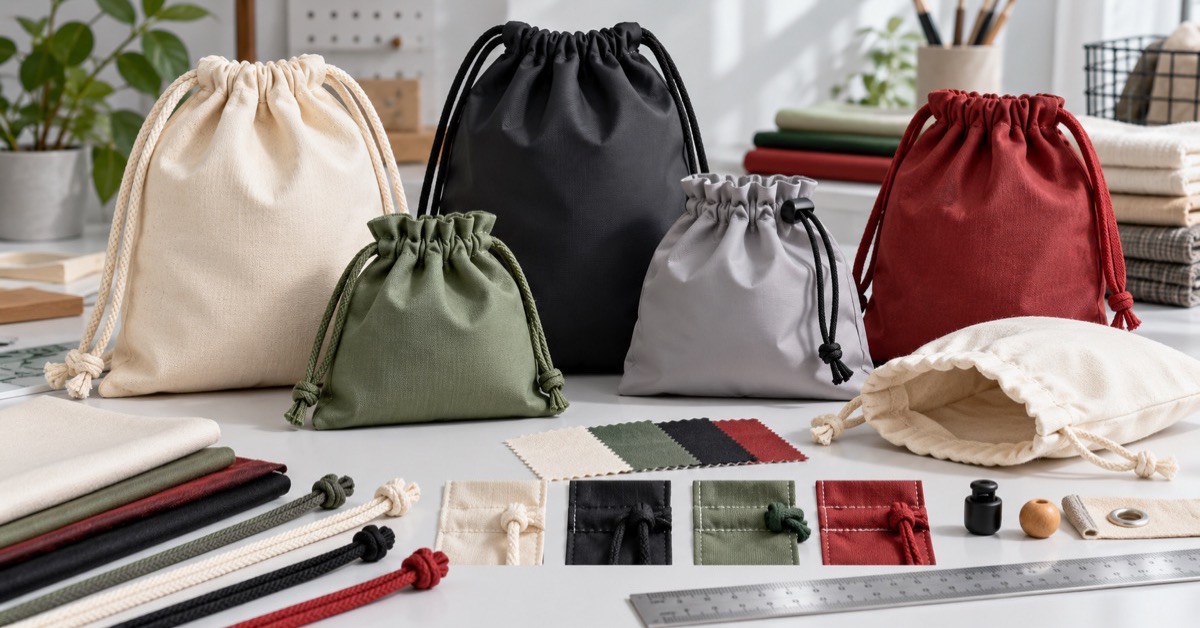


A campaign brief may describe reach, message and date, but OEM advertising bags need physical decisions about contents, load, material, size, handles, printing, packing and distribution. PackMK translates the marketing plan into production evidence without weakening the creative intent.
The conversion begins at the handoff moment and works backward through audience behavior, storage, assembly, artwork and quality. Each section below closes one gap between campaign language and a manufacturable bag.
PackMK assigns every final decision an owner, approval date and retained reference.
Campaign translation 1: define the action after handoff
Decide whether the recipient carries purchases, brochures, samples, gifts or personal items and for how long. The choice should follow the campaign handoff and audience behavior rather than a generic bag catalog. PackMK connects the decision to distribution speed, visibility and what must happen after the event.
Run a short observation or simulation at the real distribution point and note how recipients grip, fill and keep the bag. The main failure to prevent is a bag that looks correct in a mockup but fails the actual handoff. The approved response is stored with the current specification so production and reorders use the same evidence.
Campaign translation 2: describe the audience without stereotypes
Record useful physical and operational facts such as likely clothing, walking distance, setting and whether both hands are available. The choice should follow the campaign handoff and audience behavior rather than a generic bag catalog. PackMK connects the decision to distribution speed, visibility and what must happen after the event.
Test handle drop and opening with representative users and realistic contents instead of making assumptions from demographics. The main failure to prevent is uncomfortable carrying or an inaccessible opening. The approved response is stored with the current specification so production and reorders use the same evidence.
Campaign translation 3: list every campaign component
Build the complete set of products, flyers, cards, tissue, coupons and protective pieces before choosing dimensions. The choice should follow the campaign handoff and audience behavior rather than a generic bag catalog. PackMK connects the decision to distribution speed, visibility and what must happen after the event.
Photograph the arranged contents and weigh the heaviest realistic combination, including items added at the last minute. The main failure to prevent is missing components or a distorted filled shape. The approved response is stored with the current specification so production and reorders use the same evidence.
Campaign translation 4: map the distribution point
Identify whether bags are handed out at a booth, checkout, conference desk, street team or delivered kit. The choice should follow the campaign handoff and audience behavior rather than a generic bag catalog. PackMK connects the decision to distribution speed, visibility and what must happen after the event.
Measure available storage, setup time, staffing and the number of bags that must be open and ready at once. The main failure to prevent is slow distribution caused by collapsed bags or tangled handles. The approved response is stored with the current specification so production and reorders use the same evidence.
Campaign translation 5: choose a size for visibility and fit
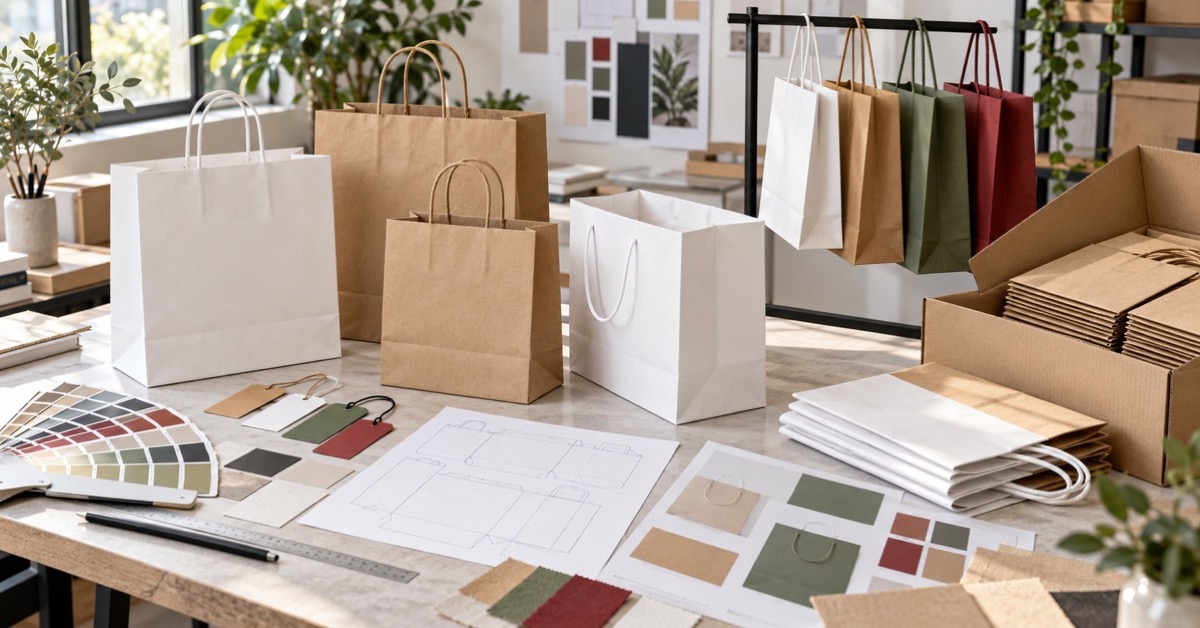
Size the bag around occupied product dimensions and loading clearance, then check how artwork appears when filled. The choice should follow the campaign handoff and audience behavior rather than a generic bag catalog. PackMK connects the decision to distribution speed, visibility and what must happen after the event.
Create a blank sample and load the smallest and largest intended campaign sets before approving one common size. The main failure to prevent is excess material, poor presentation or products that cannot be loaded quickly. The approved response is stored with the current specification so production and reorders use the same evidence.
Campaign translation 6: select material by campaign conditions
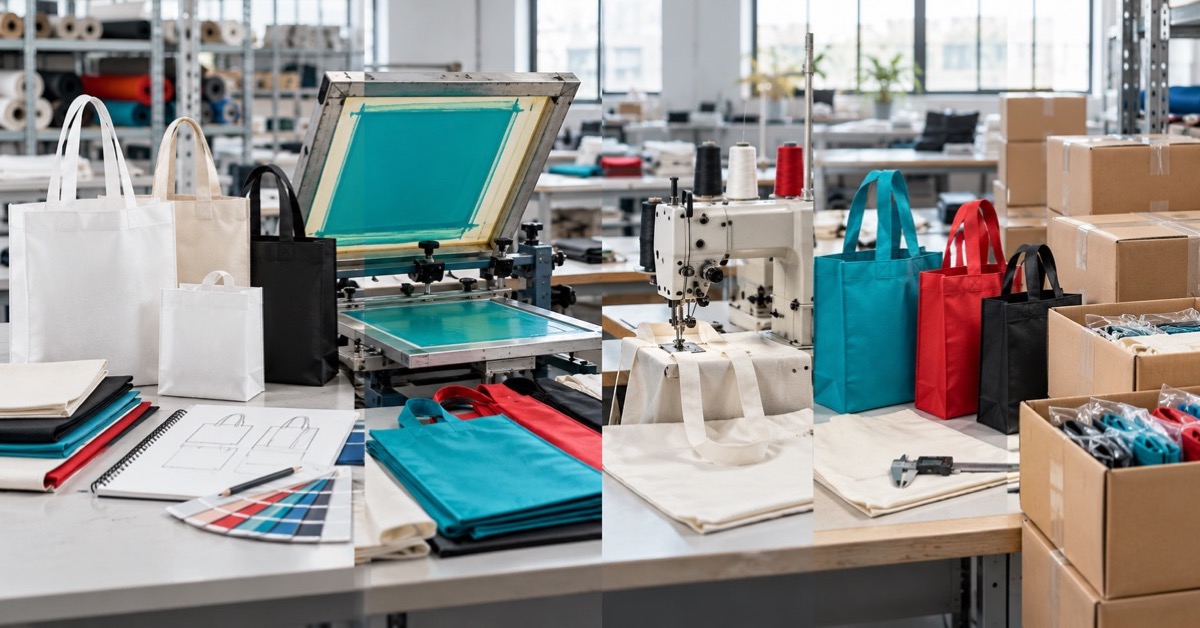
Compare paper, cotton, non-woven and protective flexible formats against load, weather exposure, desired feel and storage. The choice should follow the campaign handoff and audience behavior rather than a generic bag catalog. PackMK connects the decision to distribution speed, visibility and what must happen after the event.
Approve a named material specification with weight or thickness, color, construction and any relevant sourcing evidence. The main failure to prevent is a vague material description that changes between sample and production. The approved response is stored with the current specification so production and reorders use the same evidence.
Campaign translation 7: make handle comfort measurable
Specify hand or shoulder carry, handle width, drop, attachment and reinforcement according to filled weight and distance. The choice should follow the campaign handoff and audience behavior rather than a generic bag catalog. PackMK connects the decision to distribution speed, visibility and what must happen after the event.
Repeat carrying, setting down and opening cycles with a production-equivalent sample and record user feedback. The main failure to prevent is handle discomfort or tearing at the attachment zone. The approved response is stored with the current specification so production and reorders use the same evidence.
Campaign translation 8: place artwork for moving viewers
Prioritize the message that should remain legible from normal carrying distance and keep it away from seams, folds and hands. The choice should follow the campaign handoff and audience behavior rather than a generic bag catalog. PackMK connects the decision to distribution speed, visibility and what must happen after the event.
Review artwork at actual size on a filled bag under the expected lighting and movement. The main failure to prevent is critical branding that disappears once the bag is used. The approved response is stored with the current specification so production and reorders use the same evidence.
Campaign translation 9: separate creative versions
Assign unique codes to every language, region, partner logo, date and offer rather than relying on similar file names. The choice should follow the campaign handoff and audience behavior rather than a generic bag catalog. PackMK connects the decision to distribution speed, visibility and what must happen after the event.
Show each code on proofs, inner bundles, cartons and the campaign allocation plan. The main failure to prevent is mixed artwork versions at the distribution site. The approved response is stored with the current specification so production and reorders use the same evidence.
Campaign translation 10: forecast handoffs, not attendance
Estimate bags issued per day or location using qualified interactions and distribution rules rather than total footfall. The choice should follow the campaign handoff and audience behavior rather than a generic bag catalog. PackMK connects the decision to distribution speed, visibility and what must happen after the event.
Create low, expected and high scenarios, then add a named reserve for replacements or unexpected demand. The main failure to prevent is excess campaign stock or a mid-event shortage. The approved response is stored with the current specification so production and reorders use the same evidence.
Campaign translation 11: rehearse the packing station
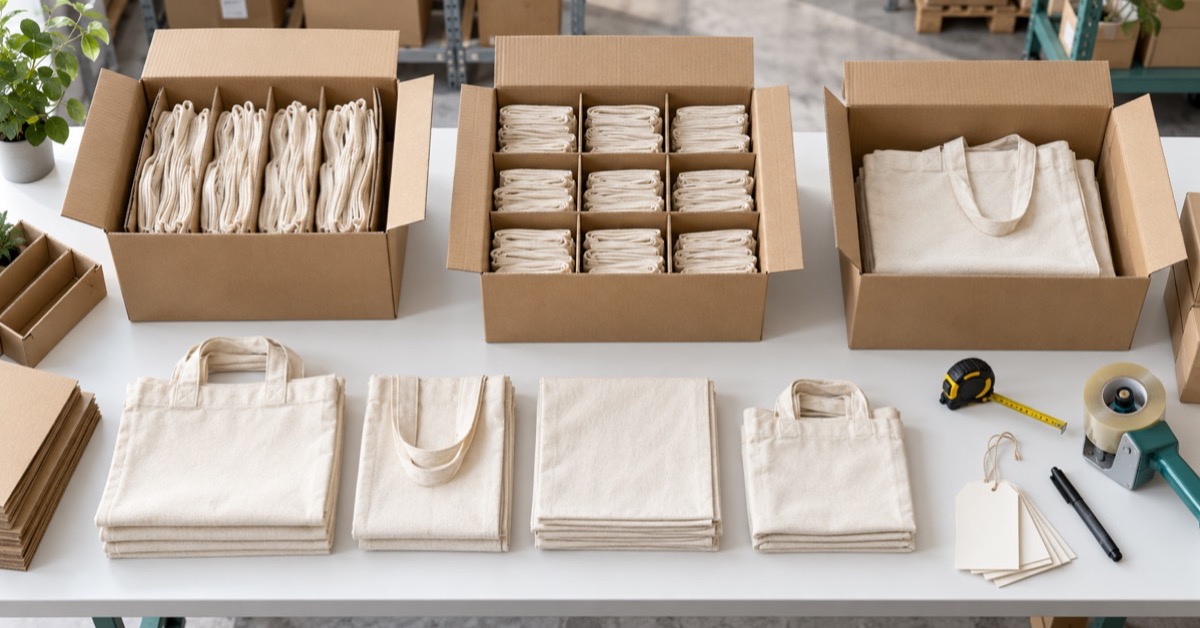
Set up products, inserts, labels and bags in the actual sequence used by staff or a co-packer. The choice should follow the campaign handoff and audience behavior rather than a generic bag catalog. PackMK connects the decision to distribution speed, visibility and what must happen after the event.
Time multiple complete packs, observe errors and document the preferred order with photographs. The main failure to prevent is labor overruns, missing items or inconsistent presentation. The approved response is stored with the current specification so production and reorders use the same evidence.
Campaign translation 12: plan carton opening order
Label cartons by date, location, version and sequence so teams can access the right bags without sorting onsite. The choice should follow the campaign handoff and audience behavior rather than a generic bag catalog. PackMK connects the decision to distribution speed, visibility and what must happen after the event.
Use a carton map and test whether bags recover their intended shape after the approved folding method. The main failure to prevent is setup delays or version mistakes hidden inside identical cartons. The approved response is stored with the current specification so production and reorders use the same evidence.
Campaign translation 13: set a proof deadline
Work backward from distribution through delivery, inspection, production, sample and artwork approval with named owners. The choice should follow the campaign handoff and audience behavior rather than a generic bag catalog. PackMK connects the decision to distribution speed, visibility and what must happen after the event.
Record the last safe dates for structure and artwork changes and show the effect of late approvals. The main failure to prevent is a campaign date that stays fixed while production time disappears. The approved response is stored with the current specification so production and reorders use the same evidence.
Campaign translation 14: inspect campaign-critical features
Prioritize material, dimensions, construction, print, handles, loaded behavior, version identity, counts and packing. The choice should follow the campaign handoff and audience behavior rather than a generic bag catalog. PackMK connects the decision to distribution speed, visibility and what must happen after the event.
Sample multiple cartons and production periods, then load representative bags rather than reviewing only flat appearance. The main failure to prevent is a visually acceptable shipment that fails during distribution. The approved response is stored with the current specification so production and reorders use the same evidence.
Campaign translation 15: create an exception kit
Prepare generic replacements, spare cards, tape, labels and a clear escalation contact for damaged or missing components. The choice should follow the campaign handoff and audience behavior rather than a generic bag catalog. PackMK connects the decision to distribution speed, visibility and what must happen after the event.
Assign who may substitute a bag or message and how the exception is recorded after the event. The main failure to prevent is uncontrolled fixes that damage brand consistency. The approved response is stored with the current specification so production and reorders use the same evidence.
Campaign translation 16: close with field evidence
Collect remaining quantity, staff observations, recipient behavior, damaged units and actual distribution rate after the campaign. The choice should follow the campaign handoff and audience behavior rather than a generic bag catalog. PackMK connects the decision to distribution speed, visibility and what must happen after the event.
Compare results with the forecast and specification, then update the next campaign brief. The main failure to prevent is repeating avoidable mistakes because event knowledge was never recorded. The approved response is stored with the current specification so production and reorders use the same evidence.
Campaign translation 17: control leftover inventory
Identify whether dated, partner-specific or regional artwork limits future use and create a use-down decision before storage. The choice should follow the campaign handoff and audience behavior rather than a generic bag catalog. PackMK connects the decision to distribution speed, visibility and what must happen after the event.
Count stock by version, inspect its condition and record the next valid use date or disposal decision. The main failure to prevent is obsolete inventory that appears available but cannot support another campaign. The approved response is stored with the current specification so production and reorders use the same evidence.
Campaign translation 18: preserve the reusable base
Separate stable bag dimensions and construction from changeable campaign artwork wherever the experience allows. The choice should follow the campaign handoff and audience behavior rather than a generic bag catalog. PackMK connects the decision to distribution speed, visibility and what must happen after the event.
Retain the approved blank structure, material, loaded test and packing method beside each artwork release. The main failure to prevent is redesigning proven physical features for every new message. The approved response is stored with the current specification so production and reorders use the same evidence.
Turn campaign language into production fields
| Campaign phrase | Production field | Approval evidence |
|---|---|---|
| High visibility | Print size and position | Filled-bag review |
| Premium | Material and construction | Physical sample |
| Large audience | Quantity by location | Allocation plan |
| Easy handoff | Opening and packing | Timed rehearsal |
| On-brand | Artwork version | Signed proof |
Choose the campaign control by failure cost
| Failure | Early signal | Control | Owner |
|---|---|---|---|
| Shortage | Forecast below lead-time use | Reserve plan | Campaign lead |
| Slow distribution | Long pack time | Station trial | Operations |
| Wrong artwork | Similar versions | SKU codes | Brand |
| Handle failure | Load movement | Cycle test | Quality |
| Late cartons | Missed approval | Critical path | Procurement |
Use evidence that supports campaign execution
Material and quality references should support precise order claims without replacing the loaded sample and distribution rehearsal. Review the Textile Exchange materials resources and ISO quality management principles for process and sourcing context. Project acceptance still depends on the actual product, order and destination.
Write OEM advertising bags as a production specification
For OEM advertising bags, record campaign objective, audience profile, distribution point, product load, bag size, material choice, handle comfort, print visibility, quantity plan, delivery sequence. The controlled file also identifies PackMK, ISO, Textile Exchange, OEM, cotton, non-woven, MOQ, carton. These terms turn a broad search phrase into a specification that suppliers can quote and inspectors can verify.
Launch OEM advertising bags with PackMK
PackMK can develop OEM advertising bags from the initial brief through samples, production, quality checks and export packing. Send PackMK the product, intended use, artwork, quantity, variants, destination and required date to request a structured quotation for OEM advertising bags.
- Explore PackMK advertising bag formats
- Review PackMK OEM campaign support
- Request an advertising bag quotation
OEM advertising bag campaign questions
What information is needed to quote OEM advertising bags?
To quote OEM advertising bags, provide the campaign objective, audience and distribution point, complete contents and load, bag size, material, handles, artwork versions, quantity by location, packing and deadline.
How should an advertising bag size be selected?
Arrange every campaign component, measure the occupied volume and loading route, then test artwork and carrying on a filled production-equivalent sample.
Which material works for advertising bags?
The answer depends on load, event conditions, desired feel, printing, storage, packing volume, budget and any evidence required for material claims.
How should event bag quantities be forecast?
Estimate actual handoffs by day and location, build low, expected and high scenarios, and add only a named reserve for uncertainty.
Can several campaign designs share one order?
Possibly, but every design needs controlled artwork, quantities, proof approval, version coding, inner-pack identification and carton allocation.
How is print visibility tested?
Review artwork at final size on a filled and carried bag under the expected distance, lighting and movement, with hands and folds in normal positions.
What should an event packing rehearsal cover?
Measure bag opening, loading time, item order, missing-component risk, finished appearance, workstation space and carton replenishment under realistic staffing.
How are advertising bags inspected?
Inspect material, dimensions, construction, color, print, handles, loaded function, quantity, version separation, inner packs and cartons against approved evidence.
What should happen to leftover campaign bags?
Count and inspect stock by version, determine whether dates or partners limit future use, and record a use-down, storage or disposal decision.
How does PackMK support campaign bag projects?
PackMK can coordinate the campaign brief, structure, materials, artwork, samples, testing, production, inspection, packing and location-specific delivery records.