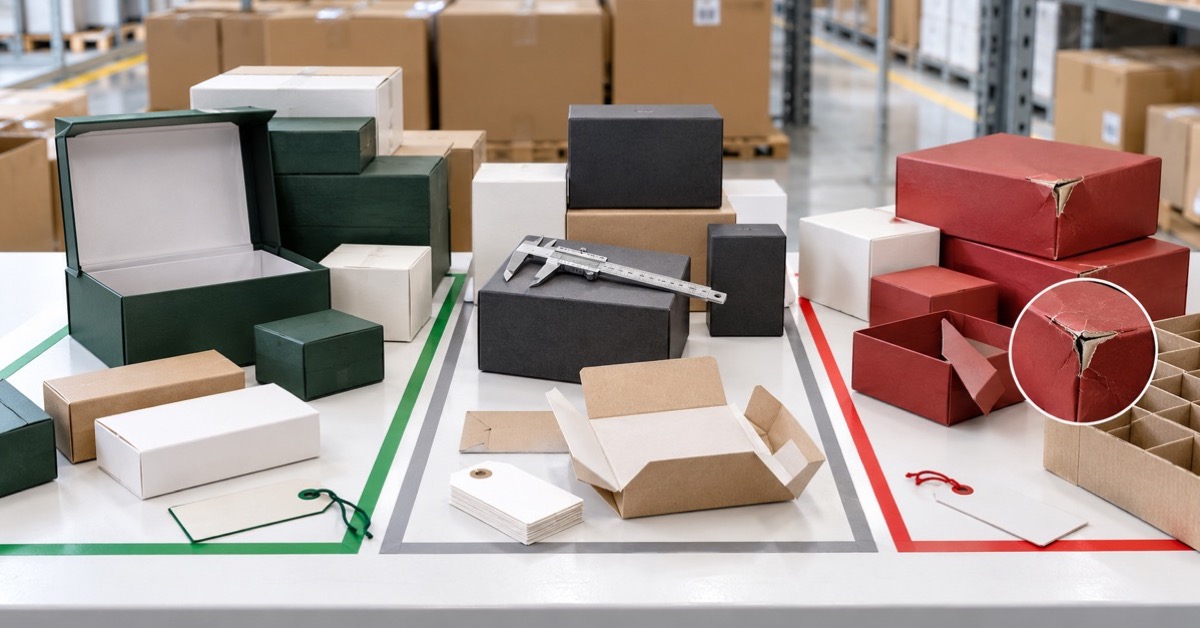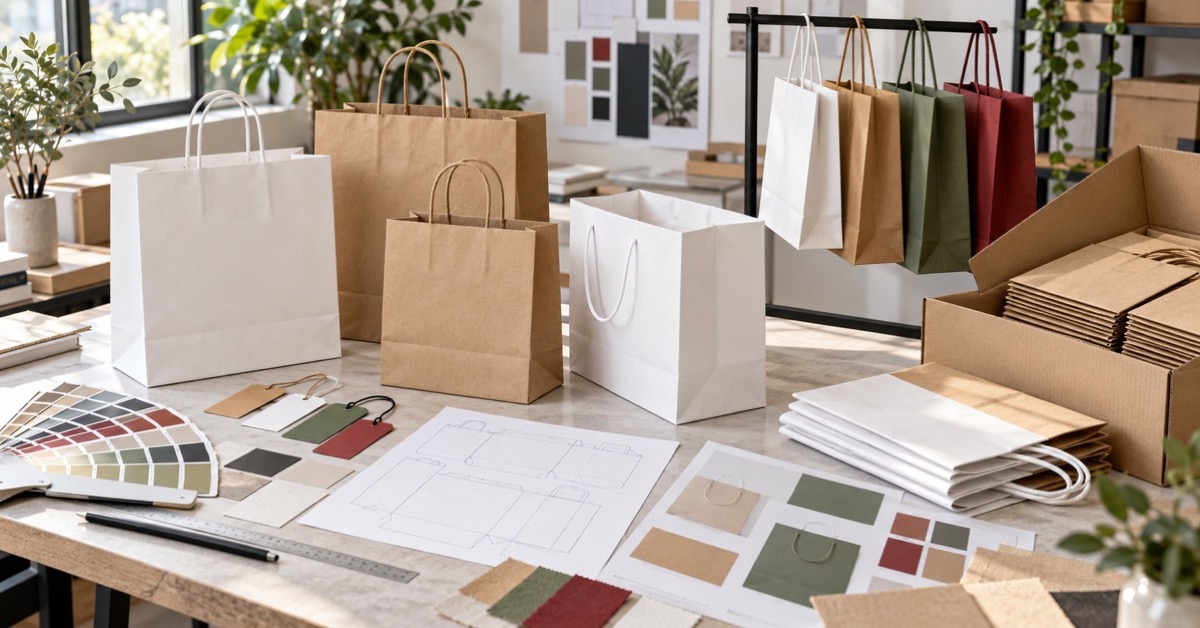


An ODM project is more than choosing a color and adding a logo. ODM paper boxes must turn a product, a selling moment and a production route into one stable structure. PackMK uses staged decisions so concept, fit, board, artwork, finishes and tooling mature in the right order.
The workflow gives creative teams room to explore while giving operations a clear point at which structure, cost, quality and packing are ready to release. Each gate produces a record that the next team can actually use.
PackMK records the active brief, approved reference, decision owner and change history before any bulk release.
Gate 1: measure the product system
Record product dimensions, tolerance, weight, accessories, vulnerable surfaces, presentation order and removal needs before sketching the box. PackMK keeps the development gate visible: each change has an owner, evidence and a stop condition. This protects the schedule by resolving structural questions before decoration and tooling become expensive.
Photograph and measure representative units so the concept responds to the real product rather than an ideal sample. This prevents a beautiful concept built around incomplete data. Keep the result beside the live specification so quoting, sampling, production, inspection and repeat orders use the same evidence.
Gate 2: write the opening experience
Define audience, channel, price position, reveal sequence, reuse expectation, storage and the feeling the box should support. PackMK keeps the development gate visible: each change has an owner, evidence and a stop condition. This protects the schedule by resolving structural questions before decoration and tooling become expensive.
Separate must-have outcomes from visual preferences and rank them against cost, cube and assembly time. This prevents subjective adjectives producing incompatible proposals. Keep the result beside the live specification so quoting, sampling, production, inspection and repeat orders use the same evidence.
Gate 3: state commercial constraints
Set target cost, quantity, dimensions, logistics route, assembly location, launch date and acceptable alternatives. PackMK keeps the development gate visible: each change has an owner, evidence and a stop condition. This protects the schedule by resolving structural questions before decoration and tooling become expensive.
Show which constraints are fixed and how a change in one affects the others before choosing a structure. This prevents a premium idea that cannot meet the business case. Keep the result beside the live specification so quoting, sampling, production, inspection and repeat orders use the same evidence.
Gate 4: compare box architectures
Review folding carton, drawer, book style, lid-and-base, magnetic, rigid and collapsible options against the brief. PackMK keeps the development gate visible: each change has an owner, evidence and a stop condition. This protects the schedule by resolving structural questions before decoration and tooling become expensive.
Score blanks for fit, opening, assembly, cube, shipping, recovery and cost before decorative design begins. This prevents selecting structure from a rendered image alone. Keep the result beside the live specification so quoting, sampling, production, inspection and repeat orders use the same evidence.
Gate 5: develop the insert
Choose molded, paperboard, pulp, foam or textile retention around product protection, presentation order and removal. PackMK keeps the development gate visible: each change has an owner, evidence and a stop condition. This protects the schedule by resolving structural questions before decoration and tooling become expensive.
Load tolerance extremes and run movement, abrasion, pack and unpack trials on a production-equivalent blank. This prevents an insert that looks good but packs slowly. Keep the result beside the live specification so quoting, sampling, production, inspection and repeat orders use the same evidence.
Gate 6: qualify paperboard and wrap
Name grade, thickness, caliper, stiffness, grain direction, wrap, liner, color and approved substitutions. PackMK keeps the development gate visible: each change has an owner, evidence and a stop condition. This protects the schedule by resolving structural questions before decoration and tooling become expensive.
Compare physical swatches and formed samples because paper behavior changes after creasing, wrapping and finishing. This prevents a premium adjective replacing a material specification. Keep the result beside the live specification so quoting, sampling, production, inspection and repeat orders use the same evidence.
Gate 7: freeze the dieline
Issue coded dimensions, cuts, creases, glue zones, magnets, components, grain and assembly notes. PackMK keeps the development gate visible: each change has an owner, evidence and a stop condition. This protects the schedule by resolving structural questions before decoration and tooling become expensive.
Approve a blank sample and remove obsolete geometry from the active artwork and tooling route. This prevents artwork starting on a moving structure. Keep the result beside the live specification so quoting, sampling, production, inspection and repeat orders use the same evidence.
Gate 8: build the artwork system
Place brand, product, legal, variant and language content within safe areas and the opening sequence. PackMK keeps the development gate visible: each change has an owner, evidence and a stop condition. This protects the schedule by resolving structural questions before decoration and tooling become expensive.
Link every SKU and language to the correct dieline and keep the master file versioned. This prevents graphics approved without structural control. Keep the result beside the live specification so quoting, sampling, production, inspection and repeat orders use the same evidence.
Gate 9: prove print and finishes
Test color, lamination, foil, embossing, varnish, texture and windows on intended board after forming. PackMK keeps the development gate visible: each change has an owner, evidence and a stop condition. This protects the schedule by resolving structural questions before decoration and tooling become expensive.
Define registration tolerance, edge behavior, cracking risk and the physical reference that controls acceptance. This prevents a digital rendering hiding production limits. Keep the result beside the live specification so quoting, sampling, production, inspection and repeat orders use the same evidence.
Gate 10: run repeated function trials
Cycle opening, closing, lifting, insert removal, product repacking and any expected reuse. PackMK keeps the development gate visible: each change has an owner, evidence and a stop condition. This protects the schedule by resolving structural questions before decoration and tooling become expensive.
Record method, cycles, observations and acceptance on production-equivalent samples instead of one perfect unboxing. This prevents a single hero sample standing in for real use. Keep the result beside the live specification so quoting, sampling, production, inspection and repeat orders use the same evidence.
Gate 11: normalize the cost
Separate board, printing, finishes, tools, assembly, inspection, packing, freight and variant changeovers. PackMK keeps the development gate visible: each change has an owner, evidence and a stop condition. This protects the schedule by resolving structural questions before decoration and tooling become expensive.
Compare alternatives at equal quantity, scope and delivery terms so a saving is not hiding a removed function. This prevents cost reduction silently changing the approved concept. Keep the result beside the live specification so quoting, sampling, production, inspection and repeat orders use the same evidence.
Gate 12: release tools conditionally
Identify dies, foil blocks, embossing tools, magnets and jigs with ownership, revision and storage rules. PackMK keeps the development gate visible: each change has an owner, evidence and a stop condition. This protects the schedule by resolving structural questions before decoration and tooling become expensive.
Release only after structure and artwork signatures, and record which change would invalidate each tool. This prevents irreversible spend before stable inputs. Keep the result beside the live specification so quoting, sampling, production, inspection and repeat orders use the same evidence.
Gate 13: approve the first article
Compare initial production with the signed blank, board, artwork, finish, insert, function and packing references. PackMK keeps the development gate visible: each change has an owner, evidence and a stop condition. This protects the schedule by resolving structural questions before decoration and tooling become expensive.
Stop or correct the line before the complete run continues when a critical mismatch appears. This prevents sample-room quality failing to transfer to production. Keep the result beside the live specification so quoting, sampling, production, inspection and repeat orders use the same evidence.
Gate 14: close the development file
Store the brief, concepts, decisions, dieline, artwork, sample, tests, cost, tooling and carton plan. PackMK keeps the development gate visible: each change has an owner, evidence and a stop condition. This protects the schedule by resolving structural questions before decoration and tooling become expensive.
Record deviations and receiving feedback before marking the project ready for a repeat order. This prevents the next project reconstructing intent from email threads. Keep the result beside the live specification so quoting, sampling, production, inspection and repeat orders use the same evidence.
Close each ODM box gate with a deliverable
| Gate | Deliverable | Stop condition |
|---|---|---|
| Discovery | Measured product set | Data provisional |
| Concept | Selected architecture | Experience unclear |
| Structure | Approved blank | Fit unresolved |
| Artwork | Coded proof | Dieline mismatch |
| Release | First article | Bulk mismatch |
Compare paper-box formats without losing the brief
| Format | Experience | Operations | Main check |
|---|---|---|---|
| Folding carton | Efficient | Fast pack | Board and crease |
| Drawer | Staged reveal | Sleeve friction | Tolerance |
| Rigid setup | Premium | High cube | Assembly and freight |
| Book style | Large display | Manual build | Closure |
| Collapsible | Storage efficient | More setup | Recovery and fit |
Anchor paper and quality claims in evidence
Sourcing and quality resources can improve development questions, while the released box needs order-specific proof. Review FSC chain-of-custody information and ISO quality management principles as useful context. Acceptance still depends on the actual product, material, route and documented conditions.
Develop ODM paper boxes through visible gates
For ODM paper boxes, record product fit, experience brief, box architecture, board grade, insert design, dieline revision, print proof, surface finish, tooling release, first article. The controlled file also identifies PackMK, ODM, FSC, ISO, paperboard, dieline, rigid box, MOQ. This vocabulary turns the search phrase into fields that suppliers can quote and inspectors can verify.
Create ODM paper boxes with PackMK
PackMK can develop ODM paper boxes from brief and samples through production, quality checks and export packing. Send PackMK the intended use, product, artwork, quantity, variants, destination and required date to request a structured quotation for ODM paper boxes.
ODM paper box workflow questions
What is needed to start ODM paper boxes?
For ODM paper boxes, provide the product, dimensions and tolerances, audience, channel, experience goals, target cost, quantity, route and launch date.
Why approve a blank before artwork?
The blank proves fit, folds, closure, insert and assembly before changes become expensive in print and finishing.
What should an insert prototype prove?
It should prove retention, protection, presentation order, packing speed, product removal and fit across representative tolerances.
How are board substitutions controlled?
Name the reference and tolerance, compare a physical sample and approve the impact before the alternative enters production.
When should finishes be tested?
Test finishes on the intended board after forming because foil, embossing, lamination and varnish can change with conversion.
What does a first article check?
Compare structure, material, print, finishes, insert, function, quantity, variant identity and packing with the signed references.
How should ODM cost be compared?
Separate one-time tools and development from recurring board, printing, finishing, assembly, inspection, packing and freight.
Can several sizes share one visual system?
Yes, when each size has its own controlled dieline, safe areas, color reference and finish limits.
What protects a repeat box order?
Keep the brief, dieline, artwork, board, finish, insert, signed sample, tools, test and carton records.
How does PackMK support ODM paper boxes?
PackMK can coordinate concept, structure, samples, artwork, finishes, production, inspection, packing and repeat-order control.