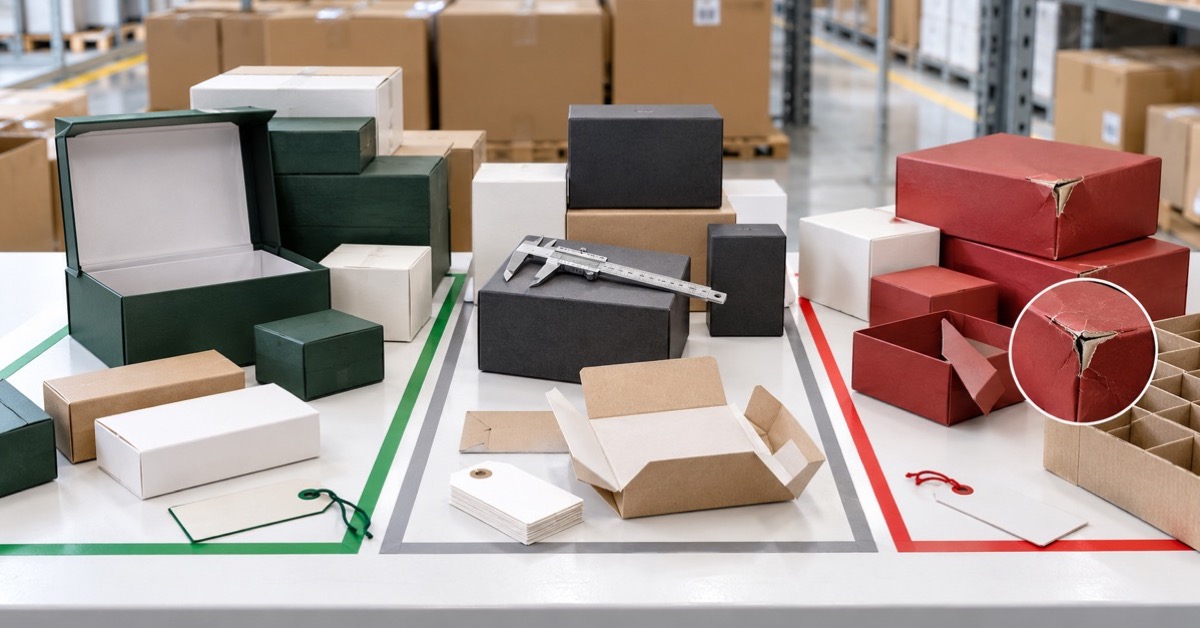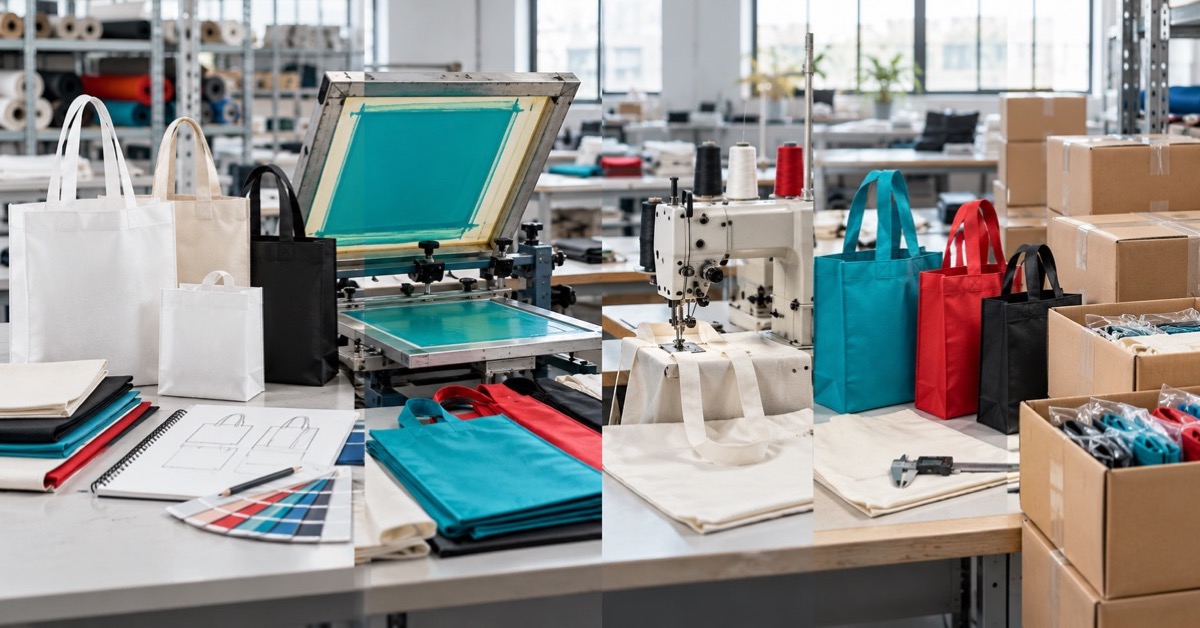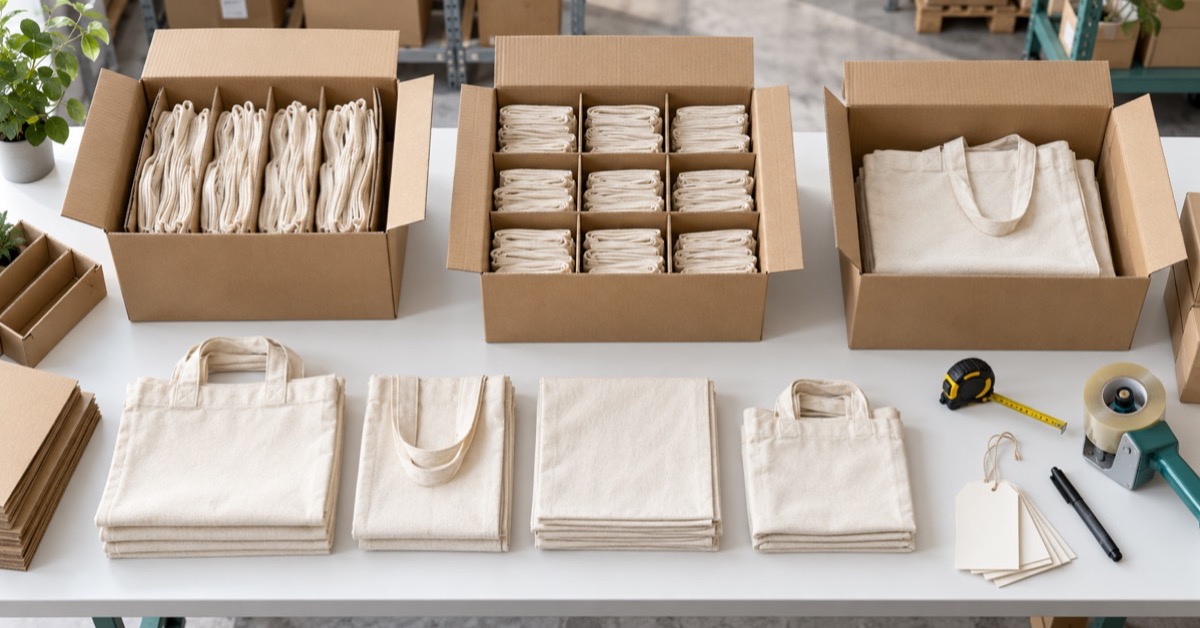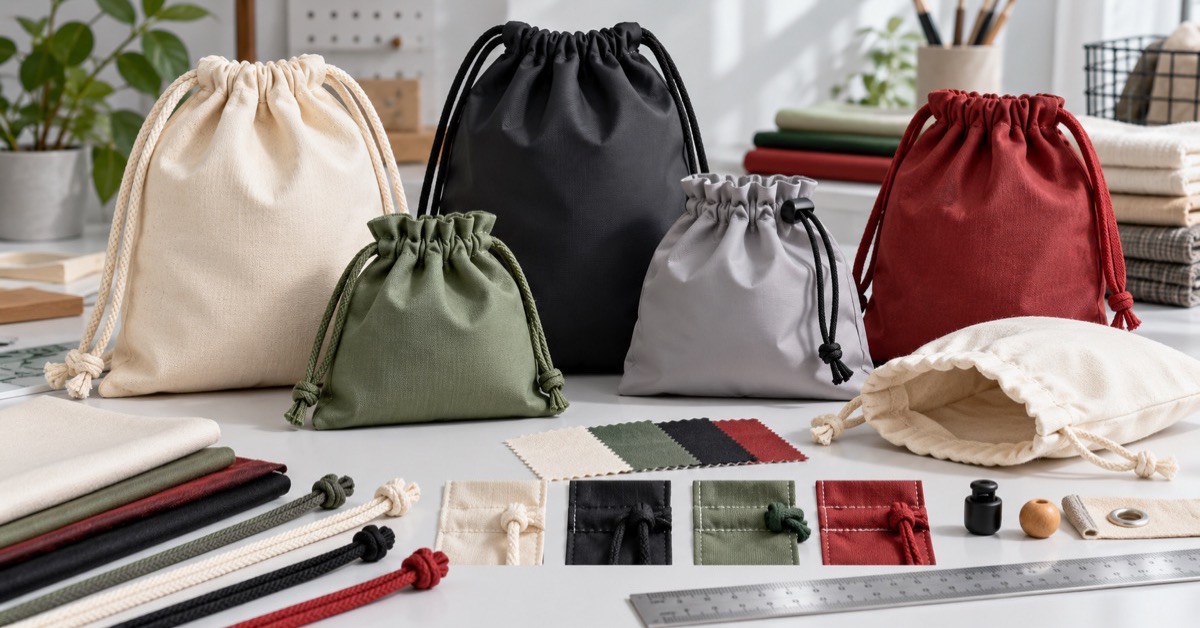


A material sample can look excellent on a desk and behave badly once it is filled, stacked or exposed to moisture. Buyers asking how to choose packaging material should begin with what the package must survive. Appearance matters, but it comes after product protection and the way the package will be used.
Five practical questions can narrow the choice without requiring the buyer to become a paper, film or textile engineer.
Question 1: what can damage the product?
List the risks before naming a material. A glass bottle needs impact protection. A powder needs control of moisture and leakage. A heavy retail item needs handles and seams that tolerate the filled load. A delicate printed surface may need separation from other products in the carton.
Question 2: how will the package be filled and handled?
Manual filling, automatic packing, retail display and courier delivery place different demands on the same package. Ask staff to demonstrate the real process. A beautiful closure that slows every packing cycle may not be a useful improvement.
| Material family | Often useful when | Buyer should check |
|---|---|---|
| Paper and paperboard | Printing, folding and retail presentation are important. | Strength, coating, folds and exposure to moisture. |
| Fabric and non-woven material | The package will be carried or reused. | Weight, weave, seams, handles and print method. |
| Flexible plastic film | Low weight, sealing or product visibility is needed. | Barrier, closure, clarity and recycling claims. |
| Rigid plastic or acrylic | Structure, display or repeated opening is important. | Scratch resistance, joints and shipping protection. |
Question 3: which surface supports the artwork?
Fine text, large solid colors and metallic finishes do not behave the same on every surface. Uncoated paper absorbs ink differently from film, while textured fabric can break up small details. When deciding how to choose packaging material, test the smallest important text and the most demanding color area, not only the logo.
Question 4: which environmental claims can the brand support?
Words such as sustainable, recyclable or biodegradable require context. The material, coating, adhesive, local collection system and certification may all affect the claim. Buyers using forest-based materials can review the FSC chain-of-custody certification overview and confirm which evidence is available for the actual order.
Question 5: what happens after the package is finished?
Consider flat packing, carton volume, warehouse humidity, pallet stacking and final delivery. A rigid format can improve presentation and increase freight volume. A lightweight material can reduce shipping weight and require more protection. The package must work as part of the distribution system.
Use a short decision sequence before sampling
- Write down product and distribution risks.
- Remove materials that cannot meet the functional need.
- Compare print and finishing on the remaining options.
- Verify any environmental or performance claim.
- Test the preferred material in a complete package sample.
- Compare PackMK packaging material categories
- Review the PackMK development process
- Send PackMK a material selection brief
The best answer to how to choose packaging material is not a universal material ranking. It is a documented choice that fits the product, process, customer and delivery route.
Packaging material questions
What information is needed to decide how to choose packaging material?
Share the product dimensions, weight, risks, filling process, sales channel, print needs, quantity and shipping conditions.
Is thicker packaging material always stronger?
No. Structure, fiber or film type, seams, folds and load direction can matter as much as thickness.
Should buyers approve a physical material sample?
Yes. The sample should use the proposed printing and finish and should be tested with the real product.
Can one material work for every product in a range?
Sometimes, but each product still needs a fit, protection and handling review before the specification is shared.