

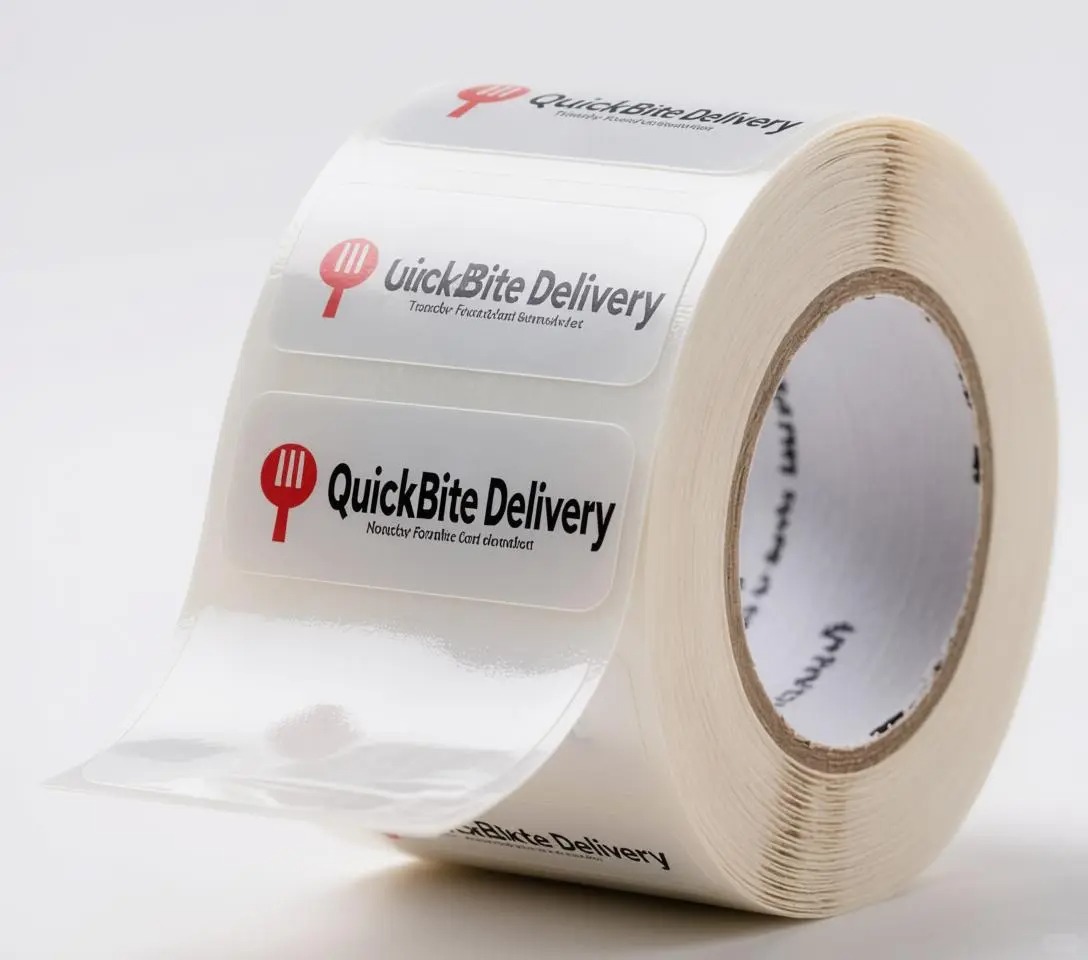
The same artwork can require different factory direct product labels on glass, paperboard and plastic. PackMK begins with the package surface, curvature, application process and exposure, then tests the face material, adhesive, printing, cutting and dispensing as one system.
This three-surface trial shows why a successful label is not a graphic file with glue. It is a converted component designed for one physical application and operating workflow.
PackMK records every final decision with an owner, approval date and retained evidence.
Surface trial A: inspect the glass container
Record whether the glass is smooth, frosted, coated, curved, cold, wet or cleaned before labeling. Small-diameter containers create edge stress. Transparent surfaces also reveal bubbles and adhesive appearance.
Apply samples using the actual pressure and temperature, then observe them after an appropriate dwell period and expected handling.
Surface trial A: choose clarity and opacity
Clear labels can create a no-label look but may show adhesive or package contents. White paper or film increases opacity. White ink beneath graphics can control color on transparent stock.
Approve the label on the filled package because background color and reflections change the visual result.
Surface trial A: test moisture and condensation
If refrigeration or cold filling is expected, apply labels under the real process and expose them to condensation cycles. Inspect lifting, tunneling, cloudiness, ink and scuffing.
Do not describe a label as waterproof without a defined construction, exposure and acceptance method.
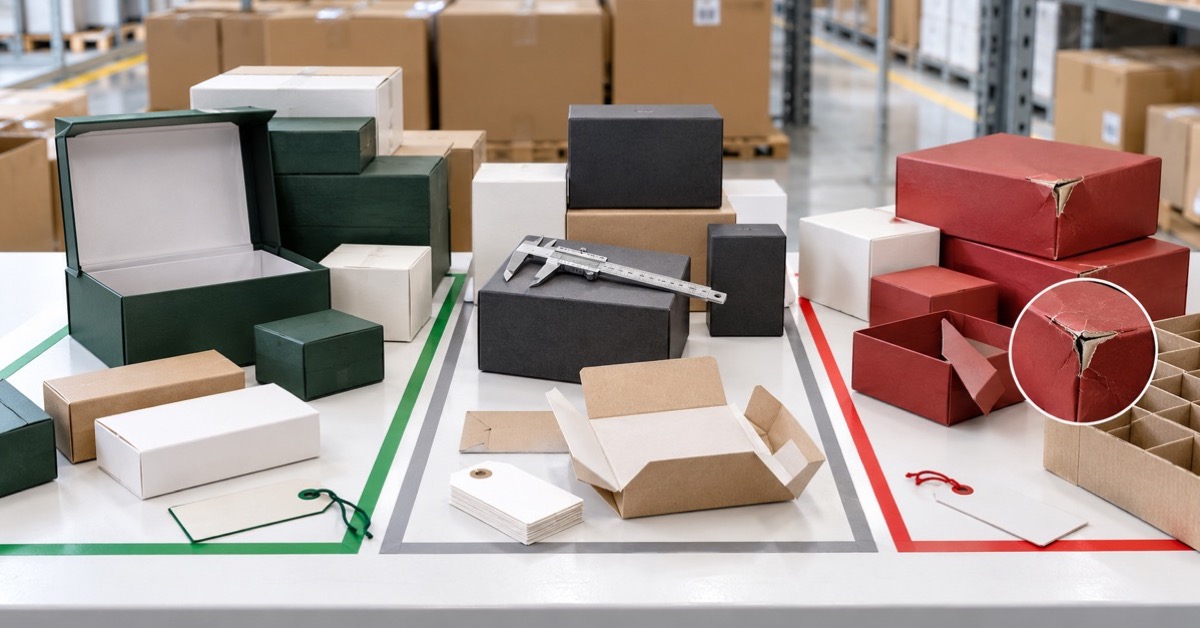
Surface trial B: inspect the paperboard carton
Check coating, varnish, recycled texture, folds and dust. Adhesive behavior can differ between uncoated kraft and smooth laminated board. Avoid placing labels across moving folds unless the construction is tested.
Apply to production-equivalent printed cartons, not only blank paperboard swatches.
Surface trial B: consider fiber tear and removal
Permanent labels may tear the board during removal, while removable labels may lift too easily from textured paper. Define whether removal, repositioning or tamper evidence matters.
Test the complete customer action rather than evaluating peel strength without the use case.
Compare the three surface trials
| Surface | Primary variable | Visual concern | Functional test | Common failure |
|---|---|---|---|---|
| Glass | Curvature and cleanliness | Bubbles | Cold or wet exposure | Edge lift |
| Paperboard | Coating and texture | Fiber show | Removal or fold test | Tear or lift |
| Plastic | Surface energy and flex | Distortion | Dwell and squeeze | Adhesive loss |
| All | Artwork version | Color | Applied proof | Wrong design |
| Roll process | Orientation | Dispensing | Machine trial | Line stop |
Surface trial C: identify the plastic
Different plastics, coatings and molding conditions present different bonding challenges. Record the actual package material when known, surface texture, curvature and whether it flexes or squeezes.
Test labels from the production package lot because additives, contamination or surface treatment can affect adhesion.
Surface trial C: follow deformation
A label on a flexible bottle or pouch must move without wrinkling, cracking or lifting. Squeeze, bend and reopen representative packages. Check whether corners or stiff face materials concentrate stress.
Adjust label shape, material or adhesive based on observed movement rather than simply increasing tack.
Select face stock after the surface trial
Paper, film, clear, metallic and textured materials differ in flexibility, opacity, print behavior and resistance. Record face stock and finish precisely. The visible material must remain compatible with adhesive and converting.
Retain applied samples on each approved package type.
Select adhesive with application conditions
Consider application temperature, service temperature, moisture, oils, cleaning, curvature, expected life and permanent or removable behavior. Define surface preparation and dwell before testing.
The FINAT test methods overview can support technical discussion, but project tests must match actual use.
Release artwork as controlled versions
Prepare editable files, outlined fonts, linked images, finished dimensions, bleed and a cut path. Give each SKU and language a revision code. Mark white ink, varnish or special finishes on named layers.
Check small text and required information at actual size on the package.
Approve color on each visible construction
Glass contents, paperboard shade, plastic color, clear stock and white ink change appearance. A single digital proof cannot represent every construction. Approve critical results physically.
Compare several labels across the web to check registration and color consistency, not only one selected piece.
Verify codes after final application
Scan barcodes and QR codes after printing, finishing, cutting and application. Curvature, reflections and squeezing can affect readability. Use the actual scanning workflow when possible.
GS1's barcode standards resources provide system context for code design and verification.
Control die cutting and liner condition
Confirm finished size, shape, corner radius, gap, border alignment and cut depth. Labels should dispense cleanly without a damaged liner. Tight borders require realistic tolerance expectations.
Inspect several positions on rolls or sheets for movement and matrix fragments.
Match roll direction to the line
Specify core, web width, maximum roll diameter, label orientation, winding direction, quantity per roll and splice rules. Confirm with equipment operators or a diagram.
A suitable applied label can still disrupt production when roll geometry is wrong.
Inspect by surface and version
Check material, adhesive construction, artwork, color, dimensions, cutting, codes, roll build, quantity and packing. Apply production samples to glass, paperboard and plastic packages as approved.
Separate versions and reconcile counts before cartons are sealed.
Retain a three-surface reorder set
Save application surface records, face stock, adhesive selection, artwork version, color proof, barcode verification, die cutting, roll direction, quality inspection and reorder control. Keep glass, paperboard, plastic and MOQ references.
This evidence protects repeat factory direct product labels.
Make the package part of the purchase specification
List the exact package reference or surface description beside the label construction. If the bottle, carton coating or plastic changes, trigger a label review before the reorder.
This prevents factory direct product labels from being approved in isolation from the item they must label.
Test product labels with PackMK
PackMK can coordinate factory direct product labels across surface assessment, artwork, materials, proofs, converting, application tests, inspection and packing.
Send PackMK the package samples, exposure, artwork, size, quantity, application method and destination to request a quotation for factory direct product labels.
Approve factory direct product labels by package family
Group packages only when their surface, coating, curvature, application process and exposure are genuinely comparable. Assign the approved label construction to each package code, and list any bottle, carton or plastic variant that still requires its own trial.
This family map prevents a successful result on smooth glass from being generalized to textured paperboard or flexible plastic. It also tells purchasing when one common factory direct product labels specification is justified and when separate constructions are safer.
Run a short packing-line pilot before full release
Load a controlled roll onto the intended equipment or give sheets to actual operators. Observe web tracking, peeling, placement, bubbles, wrinkles, scan rate and waste. Record speed, stoppages and rejected units by package type.
Inspect applied products after a realistic dwell and handling period. A pilot joins laboratory adhesion with operating performance, and it may expose roll geometry, static, liner release or package presentation problems that individual hand-applied samples cannot demonstrate. Retain labeled products from the start, middle and end of the pilot for later comparison.
Close the trial with a decision sheet
| Decision | Glass | Paperboard | Plastic | Record |
|---|---|---|---|---|
| Face material | Clear or opaque | Paper or film | Flexible film | Construction code |
| Adhesive | Curvature and cold | Texture and removal | Surface and flex | Applied sample |
| Artwork | Background effect | Board color | Package color | Physical proof |
| Test | Condensation | Fiber or fold | Squeeze | Result photo |
| Packing | Roll geometry | Roll geometry | Roll geometry | Specification |
- View PackMK custom adhesive labels
- Explore PackMK printed product labels
- Request a product label surface trial quotation
Product label surface questions
What details are needed for a product label quote?
Provide artwork, size and cut path, actual package surface, curvature, application and service temperatures, exposure, quantity, roll or sheet format and application method.
Can one label work on glass, paperboard and plastic?
Possibly, but every surface and package construction should be tested because texture, curvature, coatings, flexibility and surface properties differ.
How should labels be tested on glass?
Apply to production-equivalent glass using the actual cleaning, temperature and pressure, then test curvature, condensation, moisture, handling and appearance after dwell.
What affects labels on paperboard?
Board texture, coating, dust, folds, recycled fiber, varnish and removal expectations can all change adhesion and visible appearance.
Why are plastic labels difficult?
Plastic type, additives, treatment, texture, curvature and squeezing can affect bonding and cause wrinkling, lifting or distortion.
How is label adhesive selected?
Match it to the actual surface, application temperature, service conditions, moisture, curvature, expected life and permanent or removable requirement.
Why test barcodes after application?
Curvature, reflection, background color, clear materials and package deformation can alter code readability after the label is applied.
What roll details should be specified?
Define core, web width, maximum diameter, winding direction, orientation, label gap, quantity per roll, splice rules and roll identification.
How are product labels inspected?
Inspect construction, artwork version, color, dimensions, cut, adhesive, codes, applied function, roll build, counts, version separation and packing.
What protects a repeat product label order?
Keep package references, applied samples, material and adhesive construction, artwork and color proof, code result, roll setup, inspection and packing records.