

A factory-direct quote can look attractive when insulation is described in one line. Yet an insulated bag performs as a system: outer fabric, insulation, liner, closure, seams, capacity, fill temperature and handling all affect the result. Factory direct insulated bags should be approved against a defined use condition, not a vague promise.
PackMK uses a validation protocol that keeps the physical construction and the thermal question together. The factory route can shorten communication and improve cost visibility, while the buyer still defines the test boundary and what the result does not prove.
Direct answer: Validate factory direct insulated bags by fixing the use case, measuring the insulation stack and closure, running a controlled thermal trial, then checking production consistency and packing conditions.
Define the thermal question in plain language
Before asking for a sample, write down:
- what goes inside;
- starting temperature and fill condition;
- target holding period;
- ambient temperature and exposure;
- opening frequency;
- orientation and carry route;
- whether the goal is cooling, warming or short-term buffering.
These conditions are part of the claim. A result from one route should not be copied to a different product, fill weight or climate.
Inspect the bag as a layered system
| Layer | Record | Risk if unclear |
|---|---|---|
| Outer | Fabric, coating, print | Abrasion or leakage |
| Insulation | Material and thickness | Heat transfer |
| Liner | Film, seams, cleanability | Moisture or odor |
| Closure | Zip, flap, hook-and-loop | Air exchange |
| Carry | Handle and load path | Strain or tipping |
PackMK asks the supplier to identify approved alternatives because a construction name alone may allow a material change.
Measure capacity from the filled product
Record the product dimensions, count, ice pack or insert, clearance and the way the bag is loaded. Flexible bags can lose useful capacity when the insulation, zipper curve or bottom seam consumes space.
PackMK checks empty and filled geometry, balance, handle comfort and the risk that the product presses against the closure. Capacity should be usable, not merely calculated from flat dimensions.
Check the closure before running a thermal trial
A zipper, flap, drawcord or hook-and-loop closure changes how the bag opens, seals and is handled. Inspect alignment, end stops, corner turning, pull force and the chance of a gap when loaded.
The closure also affects packing speed. PackMK records whether an operator can close the filled bag consistently and whether repeated opening changes the seal or stresses the seam.
Use a controlled thermal trial
Use a stated fill, starting condition, ambient condition, measurement method, time points and acceptance boundary. Keep the bag orientation and opening schedule consistent.
PackMK treats the trial as evidence for the tested condition only. It does not convert one result into a universal shelf-life, food-safety or regulatory promise.
A practical validation record
| Checkpoint | Record | Decision |
|---|---|---|
| Before fill | Bag, liner, closure | Sample accepted |
| Start | Fill and temperature | Trial begins |
| During | Time points and openings | Trend reviewed |
| After | Condensation, odor, damage | Risk logged |
| Production | Lot sample and packing | Release or hold |
The record lets procurement, quality and customer teams use the same evidence and limitations.
Watch condensation and cleanability
Cooling can create moisture inside or outside the bag. Note where condensation appears, whether seams or print are affected and whether the liner can be cleaned under the intended routine.
A bag that holds temperature but becomes difficult to clean may fail the actual use case. PackMK includes handling and post-trial condition in the approval record.
Connect factory-direct pricing to construction
Normalize outer material, insulation, liner, closure, pockets, printing, size, accessories, packing and delivery. Ask which price changes when thickness, finish or quantity changes.
Factory-direct does not mean every component is made in one process. PackMK asks the supplier to identify purchased materials, outsourced operations and controls for each critical layer.
Run a loaded carry and abuse check
Thermal performance can be undermined by a torn handle, a punctured liner or a bottom seam that spreads when the bag is carried. Use the intended filled weight and route.
Check lifting, setting down, stacking, rubbing, zipper cycling and contact with sharp packaging. Record visible damage and whether the bag remains usable after the trial.
Set inspection for production consistency
Inspect dimensions, insulation placement, liner seams, closure, handles, print, odor, cleanliness, quantity and packing. Sample the features most likely to drift between lots.
PackMK keeps a reference sample and measurement method so a second inspector can repeat the check. If a component changes, reopen the affected thermal or physical trial.
Plan shipping and storage around the material
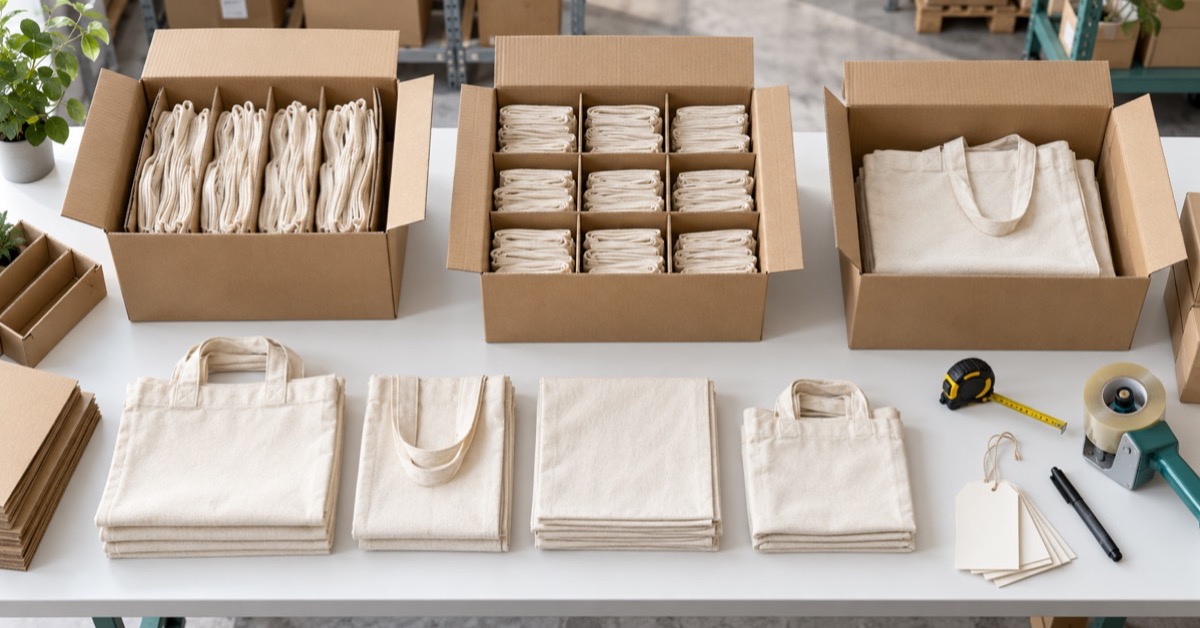
State folding, compression, carton count, moisture protection, odor control and recovery time after unpacking. Insulated structures can arrive compressed or creased if the carton is too tight.
Receiving should know how to inspect and store the bags before use. PackMK includes the packed condition in the release file rather than treating logistics as a separate topic.
Write limitations beside the claim
State the tested period, temperatures, fill, opening schedule and measurement method. Note what remains unknown, such as long-term durability, food contact, sterilization or a different climate.
Clear limitations improve sales and procurement language. PackMK helps the buyer make a useful claim without promising more than the sample proves.
Protect the reorder with a thermal reference
Retain construction, supplier material references, closure, filled dimensions, test method, sample photos, inspection, packing and accepted deviations.
When the buyer changes size, liner, insulation or closure, the team can identify which evidence must be repeated. This is faster and safer than starting from a generic product description.
Scenario: the bag passes in the lab but fails in delivery
A sample keeps a load within the target range for a short test. During parcel delivery, however, the bag is compressed, opened by a picker and carried by one handle. The liner creases and the zipper corner begins to gap.
PackMK would separate the thermal result from the route result, then run a filled handling and packaging trial that matches the intended operation. The thermal method is not discarded; it is placed inside a broader acceptance plan.
This distinction keeps a factory-direct decision honest. The buyer can choose a stronger closure or carton, adjust the claim, or accept the limitation with a clear owner rather than discovering it through a customer complaint.
Use quality principles as context
Quality-management guidance can improve the evidence loop, while the defined thermal trial and production-equivalent samples control acceptance. Review ISO quality management principles and CPSC business education resources as context. PackMK still bases release on the actual brief, samples, production route and buyer-approved conditions.
Specify factory direct insulated bags by tested condition
A useful factory direct insulated bags brief defines use condition, insulation stack, liner, closure, capacity, thermal trial, condensation, seam, packing, reorder. It also identifies PackMK, factory direct, insulated bag, foil, PEVA, EPE, zipper, MOQ. PackMK turns those fields into evidence that sourcing, quality and operations can verify.
Ask suppliers to state assumptions, exclusions, approved alternatives, tooling, minimums, inspection scope, packing and lead-time conditions. For factory direct insulated bags, an unclear promise should become a sample question, a priced option or a release condition before the purchase order is confirmed.
Thermal, food-contact, hygiene and transport requirements vary by product and market. This framework supports sourcing and validation; qualified teams must confirm applicable obligations.
Reliable factory direct insulated bags are approved through a defined use condition, a measured construction and a realistic handling route. PackMK helps buyers connect those pieces before a volume order.
Before approval, PackMK recommends a short decision memo stating the chosen route, rejected alternatives, evidence reviewed, open limitations, quantity assumption, responsible owner and review date. This keeps the work useful beyond the first quote. If the product, market, material, packing or delivery route changes, the buyer can reopen only the affected decision instead of repeating a broad search. After delivery, record what worked, what failed, how the supplier responded and which evidence should be retained. This creates a practical learning loop for sourcing, quality and operations.
The decision should also name what is not being promised. A sample, certificate, supplier statement or past shipment can support a question, but it cannot automatically prove every future condition. PackMK keeps limitations beside the approval record so sales, procurement and quality teams use the same language.
Validate factory direct insulated bags with PackMK
PackMK can support factory direct insulated bags from buyer brief and samples through production checks and export packing. Send PackMK the product or application, artwork, quantities, variants, destination and required date to request a structured quotation for factory direct insulated bags.
- Explore PackMK insulated bag constructions
- Review PackMK OEM and ODM support
- Request a factory direct insulated bags quotation
Factory direct insulated bags questions
What should I provide before sampling?
Send product type, fill, starting condition, holding period, ambient route, opening frequency, size and delivery date.
Which layers should be specified?
Outer, insulation, liner, closure, seams, handles, pockets, print and packing should be identified.
Does insulation thickness prove performance?
No. Capacity, closure, seams, fill, ambient conditions and handling also affect the result.
How should a thermal trial be recorded?
State fill, start, ambient, time points, opening schedule, measurement method and acceptance boundary.
Can a lab result be used for every market?
No. It applies to the tested condition and does not automatically prove legal, food-contact or hygiene compliance.
How do I compare factory-direct quotes?
Normalize construction, size, closure, print, accessories, packing, delivery and component assumptions.
What handling checks matter?
Use filled lifting, setting down, stacking, zipper cycling, rubbing and route-specific packaging checks.
What belongs in final inspection?
Check dimensions, insulation placement, liner, closure, seams, handles, print, odor, quantity and cartons.
What protects a reorder?
Retain construction, test method, sample, inspection, packing and accepted deviations, and reopen tests for critical changes.
How does PackMK support insulated bags?
PackMK coordinates use-case definition, samples, thermal trials, production checks, packing and reorder control.