

Cotton bags are often described with one word—natural, reusable or premium—when buyers actually need several tradeoffs resolved. Factory direct cotton bags should be compared by fabric, shrinkage, handles, print, load, packing and landed risk together.
PackMK uses a tradeoff map instead of declaring one construction universally best. Buyers can decide which compromises fit their channel and which must be tested before release.
Direct answer: Evaluate factory direct cotton bags by mapping fabric identity, shrinkage, load, handle comfort, print durability, packing cube, minimums and delivered cost against the intended use.
Make the tradeoffs visible
| Priority | May improve | May increase |
|---|---|---|
| Heavier fabric | Structure and feel | Cost and cube |
| Longer handle | Carry comfort | Material and sewing |
| More print coverage | Brand visibility | Setup and rub risk |
| Pre-washing | Dimensional stability | Water, labor and cost |
| Flat packing | Freight efficiency | Warehouse assembly |
Tradeoff 1: hand feel versus material efficiency
Define construction, weight, weave, finish, color and physical reference. Then compare the feel and structure with the bag's load and display purpose.
A heavier fabric can support a premium impression but may increase material, sewing, packing and freight. PackMK keeps those effects visible rather than treating weight as a quality score alone.
Tradeoff 2: softness versus dimensional stability
Record shrinkage, washing or conditioning needs, humidity exposure and the tolerance for finished-size change.
Test the finished bag after the intended process. A soft construction may be desirable for folding, but the buyer still needs a usable size and stable print placement.
Tradeoff 3: handle comfort versus sewing time
Set drop, width, material, fold, reinforcement, attachment and filled weight. Test common and worst-case loads.
A comfortable handle can add fabric, patch or sewing operations. PackMK compares the user benefit with the load path and production evidence.
Tradeoff 4: coverage versus print durability
Define screen, transfer, digital or other print route, colors, coverage, curing, rubbing and folding exposure.
Approve a formed and loaded bag. Large artwork can look strong on a flat panel but crack, shift or rub at folds and handles.
Ask a factory-direct quote to show its assumptions
A comparable quote should state:
- fabric construction and weight;
- finished dimensions and tolerance;
- handle and reinforcement route;
- print method, colors and coverage;
- shrinkage or conditioning process;
- inspection and loaded-test scope;
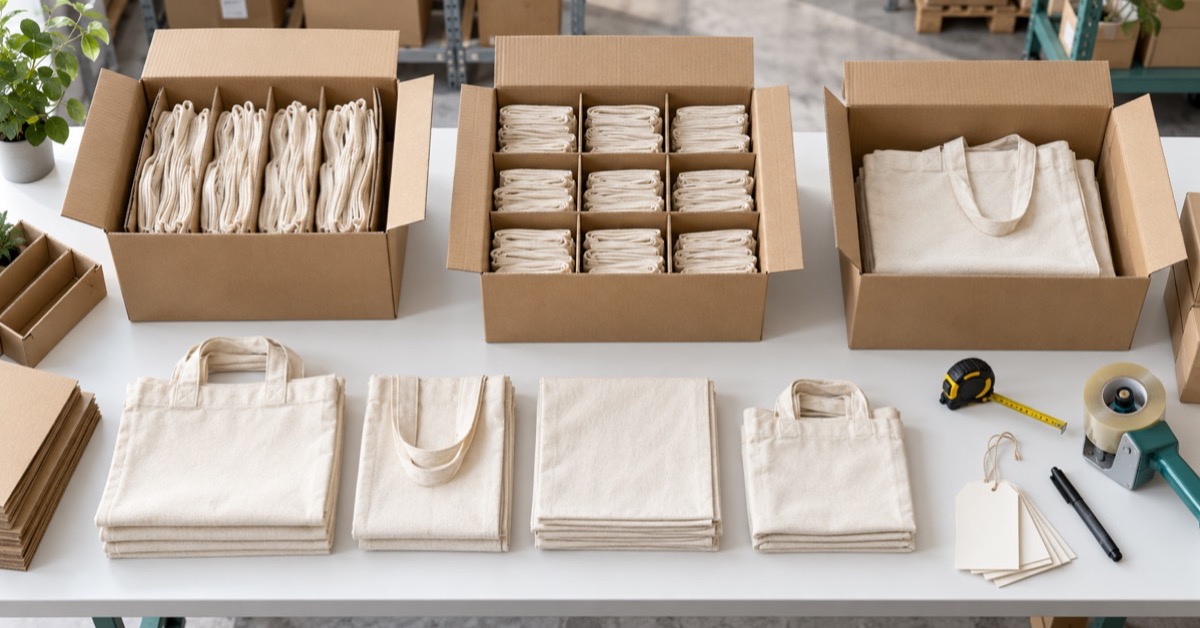
- folding, bundles, cartons and delivery terms.
PackMK separates included scope from options and omissions so direct communication creates clarity instead of hidden work.
Tradeoff 5: lower minimums versus unit economics
Ask whether minimums apply to fabric, color, artwork, size or the full order. Model actual variant mix and the risk of leftover stock.
A lower minimum may help a small launch but increase setup or material cost. A larger run may reduce price while creating inventory exposure. The right answer depends on demand and reorder confidence.
Use evidence that matches the buyer's priority
| Buyer priority | Evidence | Limit |
|---|---|---|
| Comfort | Loaded carry trial | User-specific |
| Durability | Repeated load and rub | Route-specific |
| Appearance | Finished sample | Light-dependent |
| Size | Empty and filled measure | Construction changes |
| Cost | Normalized quote | Volume assumption |
Check what factory direct really includes
Clarify design assistance, sample, fabric sourcing, print setup, testing, inspection, packing, export documents and change control. The direct route is valuable only when scope is visible.
PackMK asks the factory to connect each line to a physical action, named owner and evidence. This makes supplier comparisons defensible.
Create a reorder anchor
Retain fabric, color, dimensions, handle, artwork, print method, test, inspection, packing and accepted deviations in one controlled file.
A direct factory relationship can still drift if the second order is quoted from memory. PackMK keeps the approved reference beside the commercial record.
Choose the tradeoff your channel can explain
A promotional event may value cost and quick distribution. A lifestyle retailer may value hand feel and repeat use. A subscription shipment may value folding and cube.
The article's tradeoff map is useful because it makes the choice explicit. The buyer can explain why one compromise was accepted and another was tested or rejected.
Scenario: why a heavier cotton bag may lose on delivered value
A buyer compares a 6-ounce and 10-ounce cotton construction. The heavier option feels more premium and may carry more load, but it also adds material, sewing effort, carton weight and freight cube. If the bag is intended for a one-day event, the extra performance may not justify the landed cost.
PackMK would load both constructions with the same contents, run the same carry and rubbing checks, and normalize the quote with the same artwork, packing and delivery basis. The decision then reflects the channel rather than a generic belief that heavier is always better.
If the heavier option creates a meaningful reduction in returns or improves repeat use, the buyer may still choose it. The important point is that the benefit is stated and tested. If no user or operational benefit appears, the added cost remains visible instead of being hidden inside a premium adjective.
The same reasoning applies to pre-washing, thicker handles and full-coverage print. Each can be valuable, but each should be connected to a buyer outcome, a production step and a measurable limitation.
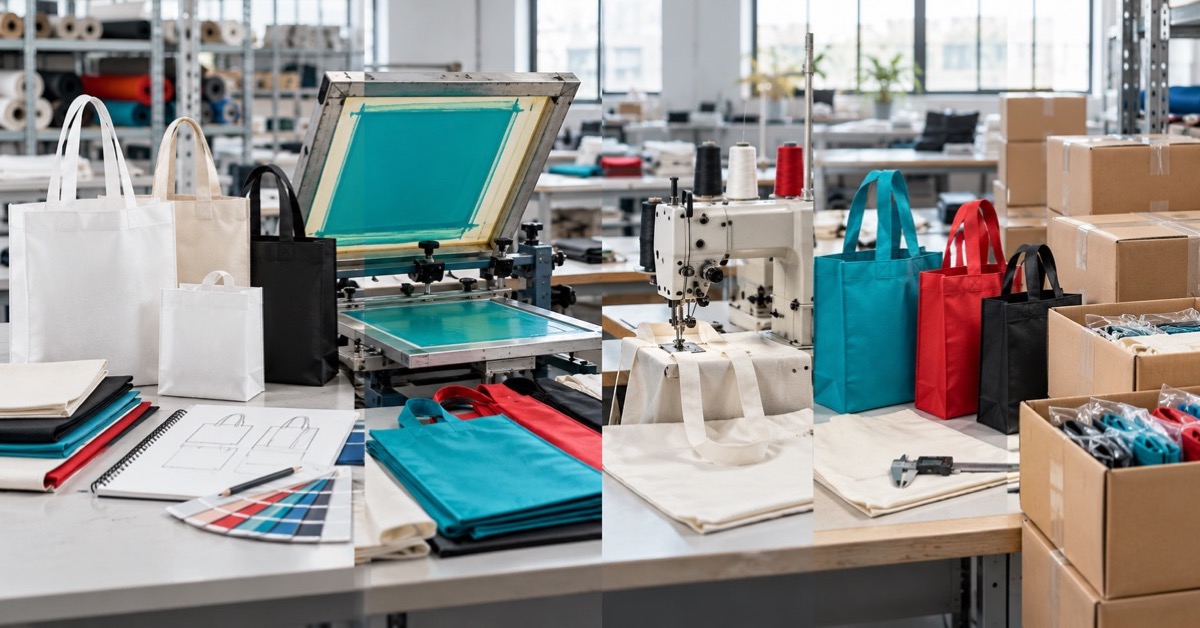
Buyers should also compare how the selected cotton construction behaves across colors and artwork versions. Dark fabric, light print, heavy coverage or a different finish can change setup, appearance and rub performance. A tradeoff map is strongest when it includes the full assortment rather than one easy sample.
At reorder, the buyer can use the retained comparison to decide whether demand justifies a material upgrade, whether a lighter option is acceptable for a different channel, and which tests should be repeated before the next shipment.
Use textile and quality resources as context
Textile standards and quality principles can support material questions, while the exact cotton construction, load and print route decide acceptance. Review Textile Exchange standards overview and ISO quality management principles as context. PackMK still bases release on the actual brief, samples, production route and buyer-approved conditions.
Compare factory direct cotton bags by tradeoff
A useful factory direct cotton bags brief defines cotton construction, fabric weight, shrinkage, handle comfort, seam strength, print method, wash or rub, packing cube, minimum order, landed risk. It also identifies PackMK, factory direct, cotton bag, canvas, screen printing, OEM, MOQ, carton. PackMK turns those fields into evidence that sourcing, quality and operations can verify.
Ask suppliers to state assumptions, exclusions, approved alternatives, tooling, minimums, inspection scope, packing and lead-time conditions. For factory direct cotton bags, an unclear promise should become a sample question, a priced option or a release condition before the purchase order is confirmed.
Cotton performance varies by construction, treatment, moisture, use and care. Any recycled, organic, washable or durability claim needs buyer-approved scope and evidence for the actual product.
Good factory direct cotton bags buying is not a search for one perfect fabric. It is a transparent choice among hand feel, load, print, cost, packing and repeat-order risk, supported by PackMK evidence.
Before approval, PackMK recommends a short decision memo stating the chosen route, rejected alternatives, evidence reviewed, open limitations, quantity assumption, responsible owner and review date. This keeps the work useful beyond the first quote. If the product, market, material, packing or delivery route changes, the buyer can reopen only the affected decision instead of repeating a broad search. After delivery, record what worked, what failed, how the supplier responded and which evidence should be retained. This creates a practical learning loop for sourcing, quality and operations and prevents a good first sample from becoming an uncontrolled second order.
The decision should also name what is not being promised. A sample, certificate, supplier statement or past shipment can support a question, but it cannot automatically prove every future condition. PackMK keeps limitations beside the approval record so sales, procurement and quality teams use the same language. That protects trust and makes the next comparison more efficient when quantity, customer, surface or delivery route changes.
Compare factory direct cotton bags with PackMK
PackMK can support factory direct cotton bags from buyer brief and samples through production checks and export packing. Send PackMK the product or application, artwork, quantities, variants, destination and required date to request a structured quotation for factory direct cotton bags.
- Explore PackMK cotton bag formats
- Review PackMK OEM and ODM support
- Request a factory-direct cotton bag quotation
Factory-direct cotton-bag questions
What should I provide for a cotton-bag quote?
Provide use case, contents, load, size, fabric, handles, print, quantity, versions, packing, destination and date.
Does heavier fabric always mean a better bag?
No. It may improve structure or feel while increasing cost, sewing, packing cube and freight.
How is shrinkage checked?
Define conditioning or washing, measure before and after, and approve finished tolerances for the intended use.
What should a handle test include?
Use the real filled load and repeated lifting or carrying, then inspect comfort, attachment, reinforcement and surrounding fabric.
How is print durability evaluated?
Test finished bags after folding, rubbing, handling and any specified cleaning or service conditions.
What do factory-direct minimums mean?
Clarify whether they apply to fabric, color, size, artwork, tooling or the full order and version mix.
What belongs in final inspection?
Check fabric, size, shrinkage, seams, handles, print, loaded function, quantity, bundles and cartons.
What protects a repeat order?
Retain fabric and color references, artwork, construction, tests, inspection, deviations and packing standards.
How should direct quotes be compared?
Normalize material, construction, print, quality, packing, delivery terms, minimums and change scope.
How does PackMK support cotton-bag sourcing?
PackMK connects tradeoff mapping with samples, production checks, inspection, export packing and reorder control.