

At 9:00 on event day, staff need the right kits at the right doors; the printing schedule no longer matters. Event promotional bags should therefore be planned backward from distribution, volunteer setup and venue access. PackMK puts every approval and handoff on that fixed timeline.
The plan below uses time gates rather than a generic product checklist. Adjust the week numbers to the complexity, destination and transport route, but never remove the owner, evidence or recovery decision attached to each gate.
PackMK records the active brief, approved reference, decision owner and change history before bulk release.
T minus 12 weeks: define the event moment
Record date, doors-open time, venues, participant journey, distribution point, security rules and what people should do with the bag afterward. PackMK puts this milestone on one backward schedule with an owner, input, approval deadline and recovery option. Event dates do not move, so uncertainty must be closed while alternatives still exist.
Observe the proposed handoff space or map table widths, queues, staffing and storage before choosing the format. This prevents a suitable bag creating an unsuitable distribution process. Keep the result beside the live specification so quoting, sampling, production, inspection and repeat orders use the same evidence.
T minus 11 weeks: freeze the kit universe
List confirmed, optional and late-arriving items with dimensions, weights, fragility, access priority and owner. PackMK puts this milestone on one backward schedule with an owner, input, approval deadline and recovery option. Event dates do not move, so uncertainty must be closed while alternatives still exist.
Build low and high kit configurations so the bag is not designed around an incomplete optimistic list. This prevents sponsor additions overfilling the final bag. Keep the result beside the live specification so quoting, sampling, production, inspection and repeat orders use the same evidence.
T minus 10 weeks: forecast participants
Create registered, expected, walk-in, staff, media, speaker, damaged and contingency quantities by venue and group. PackMK puts this milestone on one backward schedule with an owner, input, approval deadline and recovery option. Event dates do not move, so uncertainty must be closed while alternatives still exist.
Name who owns forecast updates and the last date that changes can affect production rather than reserve stock. This prevents one attendance number hiding operational demand. Keep the result beside the live specification so quoting, sampling, production, inspection and repeat orders use the same evidence.
T minus 9 weeks: choose the bag architecture
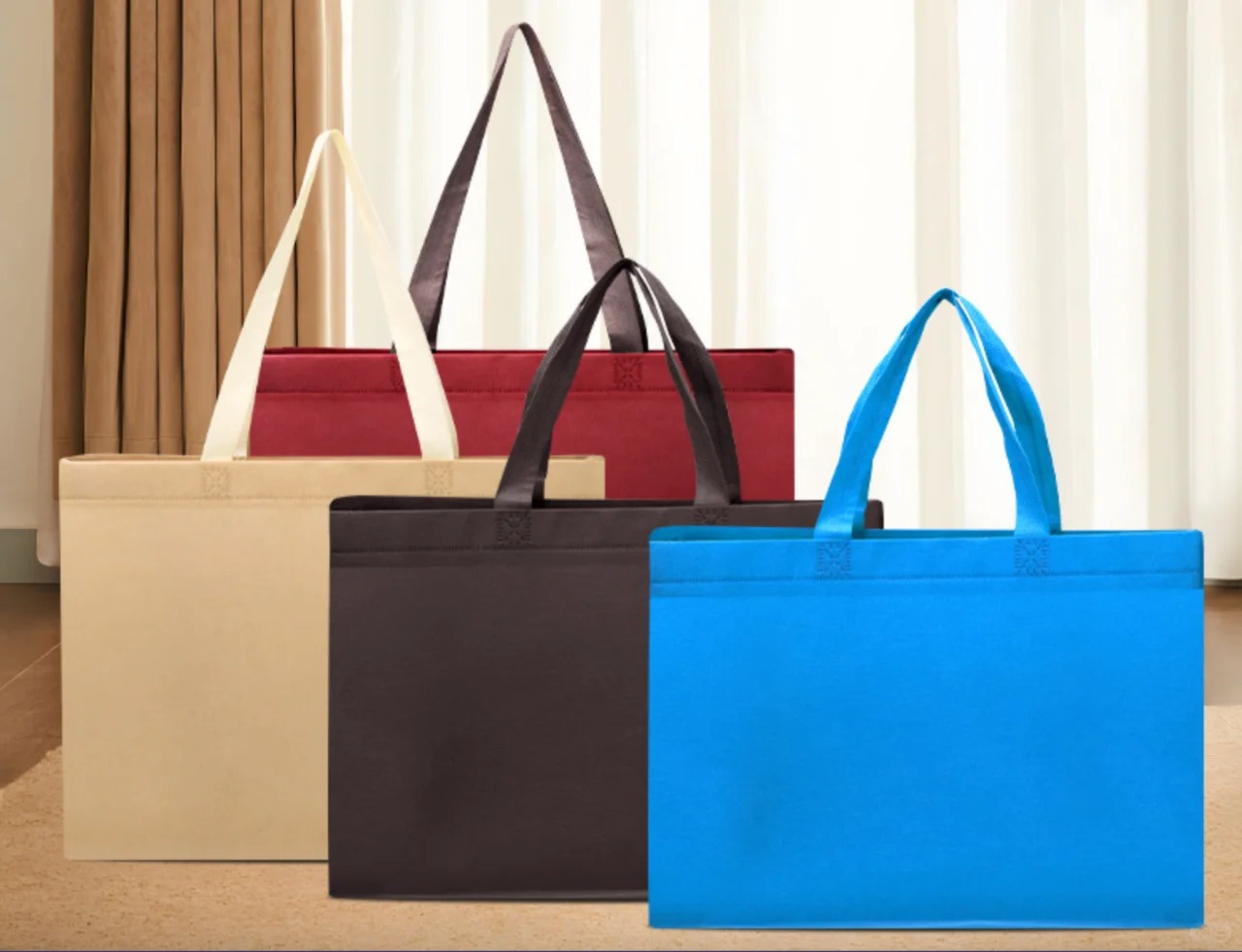
Compare tote, drawstring, non-woven, paper or other formats by kit fit, carry duration, opening speed, branding area and after-event use. PackMK puts this milestone on one backward schedule with an owner, input, approval deadline and recovery option. Event dates do not move, so uncertainty must be closed while alternatives still exist.
Pack the full high-case kit and rehearse the actual pickup, carry and access sequence. This prevents format selection based only on sponsor logo space. Keep the result beside the live specification so quoting, sampling, production, inspection and repeat orders use the same evidence.
T minus 8 weeks: collect sponsor assets
Issue file format, color, minimum size, clear-space, hierarchy and approval rules with one submission deadline. PackMK puts this milestone on one backward schedule with an owner, input, approval deadline and recovery option. Event dates do not move, so uncertainty must be closed while alternatives still exist.
Place late or unapproved sponsors in a defined fallback rather than repeatedly reopening the production file. This prevents informal logo swaps causing version mistakes. Keep the result beside the live specification so quoting, sampling, production, inspection and repeat orders use the same evidence.
T minus 7 weeks: approve the physical sample
Check dimensions, handles or cords, seams, closure, print, filled shape, comfort and carton packing on a representative sample. PackMK puts this milestone on one backward schedule with an owner, input, approval deadline and recovery option. Event dates do not move, so uncertainty must be closed while alternatives still exist.
Have event operations, brand and procurement sign the same coded reference with documented exceptions. This prevents separate teams approving different ideas. Keep the result beside the live specification so quoting, sampling, production, inspection and repeat orders use the same evidence.
T minus 6 weeks: release artwork and quantity
Freeze artwork versions, colors, quantities by venue or group, carton marks and contingency allocation before the production slot. PackMK puts this milestone on one backward schedule with an owner, input, approval deadline and recovery option. Event dates do not move, so uncertainty must be closed while alternatives still exist.
Reconcile totals against the participant forecast and record who can authorize a post-release change. This prevents manufacturing beginning with moving inputs. Keep the result beside the live specification so quoting, sampling, production, inspection and repeat orders use the same evidence.
T minus 5 weeks: confirm first production output
Compare first units with the signed bag for construction, print, filled performance and version identity. PackMK puts this milestone on one backward schedule with an owner, input, approval deadline and recovery option. Event dates do not move, so uncertainty must be closed while alternatives still exist.
Stop and correct critical problems while only a limited quantity has been produced. This prevents the full run repeating an early setup error. Keep the result beside the live specification so quoting, sampling, production, inspection and repeat orders use the same evidence.
T minus 4 weeks: inspect and reconcile
Check material, dimensions, handles, seams, artwork, quantities, variants, bundles and cartons across production periods. PackMK puts this milestone on one backward schedule with an owner, input, approval deadline and recovery option. Event dates do not move, so uncertainty must be closed while alternatives still exist.
Match accepted, rejected, reworked and packed quantities to the venue allocation before shipment. This prevents a complete total concealing a shortage in one version. Keep the result beside the live specification so quoting, sampling, production, inspection and repeat orders use the same evidence.
T minus 3 weeks: dispatch with buffer
Choose transport and buffer from destination, customs or receiving constraints, weather and the cost of late arrival. PackMK puts this milestone on one backward schedule with an owner, input, approval deadline and recovery option. Event dates do not move, so uncertainty must be closed while alternatives still exist.
Send carton counts, labels, packing lists and tracking to the named receiver before goods reach the venue network. This prevents production completion being mistaken for delivery readiness. Keep the result beside the live specification so quoting, sampling, production, inspection and repeat orders use the same evidence.
T minus 2 weeks: stage the volunteer workflow
Arrange bags, kit items, tables, labels, completed stock and exception areas in packing sequence. PackMK puts this milestone on one backward schedule with an owner, input, approval deadline and recovery option. Event dates do not move, so uncertainty must be closed while alternatives still exist.
Time a short rehearsal with new volunteers and use one visual standard showing every item and orientation. This prevents a simple kit requiring expert memory. Keep the result beside the live specification so quoting, sampling, production, inspection and repeat orders use the same evidence.
T minus 1 week: allocate by distribution point
Move sealed, labeled quantities to each venue, entrance, session or participant group with a controlled reserve. PackMK puts this milestone on one backward schedule with an owner, input, approval deadline and recovery option. Event dates do not move, so uncertainty must be closed while alternatives still exist.
Count transfers and name who can release contingency stock when attendance or damage differs from plan. This prevents extras disappearing before the busiest handoff. Keep the result beside the live specification so quoting, sampling, production, inspection and repeat orders use the same evidence.
Event day: control issue and exceptions
Give teams a clear method for eligibility, group identification, damaged kits, missing items, late registration and stock counts. PackMK puts this milestone on one backward schedule with an owner, input, approval deadline and recovery option. Event dates do not move, so uncertainty must be closed while alternatives still exist.
Capture issue pace and shortage signals early enough to transfer reserve cartons between points. This prevents queues growing while unused stock sits elsewhere. Keep the result beside the live specification so quoting, sampling, production, inspection and repeat orders use the same evidence.
T plus 1 day: close the evidence loop
Reconcile unused bags, opened cartons, damage, participant feedback, volunteer time and sponsor or venue observations. PackMK puts this milestone on one backward schedule with an owner, input, approval deadline and recovery option. Event dates do not move, so uncertainty must be closed while alternatives still exist.
Store the approved file, sample, quantities, packing map and lessons before the event team disperses. This prevents the next event repeating avoidable assumptions. Keep the result beside the live specification so quoting, sampling, production, inspection and repeat orders use the same evidence.
Put fixed and flexible decisions on one timeline
| Decision | Freeze point | Recovery |
|---|---|---|
| Bag format | Before sample | Alternate stock format |
| Sponsor layout | Artwork release | Insert card or digital |
| Quantity | Production release | Controlled reserve |
| Venue allocation | Before dispatch | Labeled transfer |
| Kit contents | Packing rehearsal | Exception station |
Allocate bags by operational demand
| Demand | Basis | Control |
|---|---|---|
| Registered | Current count | Venue split |
| Walk-in | Scenario range | Reserve owner |
| Staff | Roster | Separate cartons |
| Replacement | Risk rate | Issue log |
| Post-event | Approved use | Inventory record |
Use event material and process guidance responsibly
External frameworks can inform reduction, reuse and disciplined operations, while actual participant behavior and event conditions control the decision. Review EPA materials management hierarchy and ISO quality management principles as useful context. Order acceptance still depends on the actual product, materials, route and documented conditions.
Plan event promotional bags backward from distribution
For event promotional bags, record event date, kit contents, participant forecast, sponsor artwork, sample approval, production slot, freight buffer, volunteer packing, distribution point, contingency stock. The controlled file also identifies PackMK, EPA, ISO, SKU, QR code, carton, tote bag, drawstring bag. This vocabulary turns a search phrase into fields that suppliers can quote and inspectors can verify.
Prepare event promotional bags with PackMK
PackMK can develop event promotional bags from brief and samples through production, quality checks and export packing. Send PackMK the intended use, product, artwork, quantity, variants, destination and required date to request a structured quotation for event promotional bags.
- Explore PackMK event bag formats
- Review PackMK OEM and ODM support
- Request an event promotional bag quotation
Event promotional bag planning questions
What is needed to quote event promotional bags?
For event promotional bags, provide the date, venues, kit contents, filled weight, format, artwork, quantities by group, packing, destination and approval schedule.
When should event bags be ordered?
Work backward from venue receiving and volunteer packing through freight, inspection, production, sampling and sponsor approval, then add realistic buffer.
How should bag size be selected?
Pack the confirmed and high-case item lists and rehearse opening, loading, carrying and distribution with the largest object and full weight.
How are sponsor logos controlled?
Issue file, hierarchy, color and deadline rules, use one approved artwork master and define a fallback for late assets.
How many extra bags should an event order?
Base contingency on forecast uncertainty, walk-ins, staff, multiple venues, damage and the approved plan for unused stock.
Can colors identify participant groups?
Yes, when quantities, proofs, bundles, carton labels, distribution tables and contingency stock are controlled by color.
What should volunteers rehearse?
Rehearse station layout, item order, bag opening, packing, checking, closing, labeling, completed-stock movement and exception handling.
What should event-bag inspection cover?
Inspect material, dimensions, construction, handles or cords, print, filled use, versions, quantities, bundles and destination cartons.
How should remaining bags be handled?
Count and identify them, record condition and artwork relevance, then assign an approved reuse, storage, redistribution or disposal route.
How does PackMK support fixed-date events?
PackMK can align the bag brief, sponsor artwork, samples, timeline, production, inspection, destination packing and repeat-event records.