

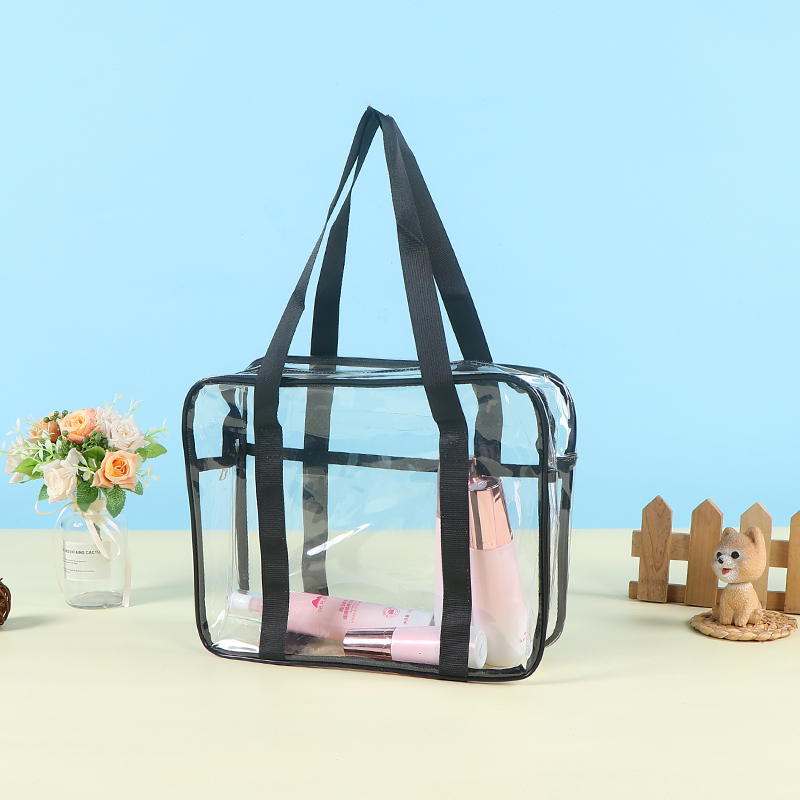
Custom PVC packaging bags make the product visible, but that visibility also reveals scratches, haze, seam alignment and poor packing. PackMK evaluates the clear panel, trim, closure, handles, printing and carton protection as one system rather than approving transparency in isolation.
This risk-control guide is intended for cosmetic sets, travel kits, promotional packs and other non-food retail uses where a transparent bag supports inspection or display. Material and market requirements must be confirmed for the specific product, user group and destination before production.
1. Define why the package needs a clear panel
Decide whether visibility helps shoppers compare colors, confirms kit contents, supports security checks or simply creates a light visual appearance. The reason controls how much of the bag should be clear and which product faces must remain visible.
If full visibility is not useful, a smaller window or mixed-material structure may reduce surface marking and provide more space for branding. Avoid choosing a fully transparent bag only because it appears modern in an empty sample.
2. Map users and situations before construction
List who loads, closes, carries, opens and stores the bag. A retail gift set may be handled briefly, while a travel organizer may be opened repeatedly. Children's products, cosmetics, tools and promotional kits also create different compliance and construction concerns.
State what the bag is not intended for, including product contact, prolonged outdoor exposure or heavy loads unless those uses have been specifically designed and reviewed.
3. Measure the complete product set in its packed arrangement
Arrange all bottles, accessories, cards and internal trays as they will be sold. Measure the occupied width, depth and height, then allow loading and closure space. Extra volume should be intentional rather than an arbitrary allowance.
Pack the heaviest and largest permitted combination. A bag that closes when empty may distort, stress the zipper or bow at the seams when the final set is inserted.
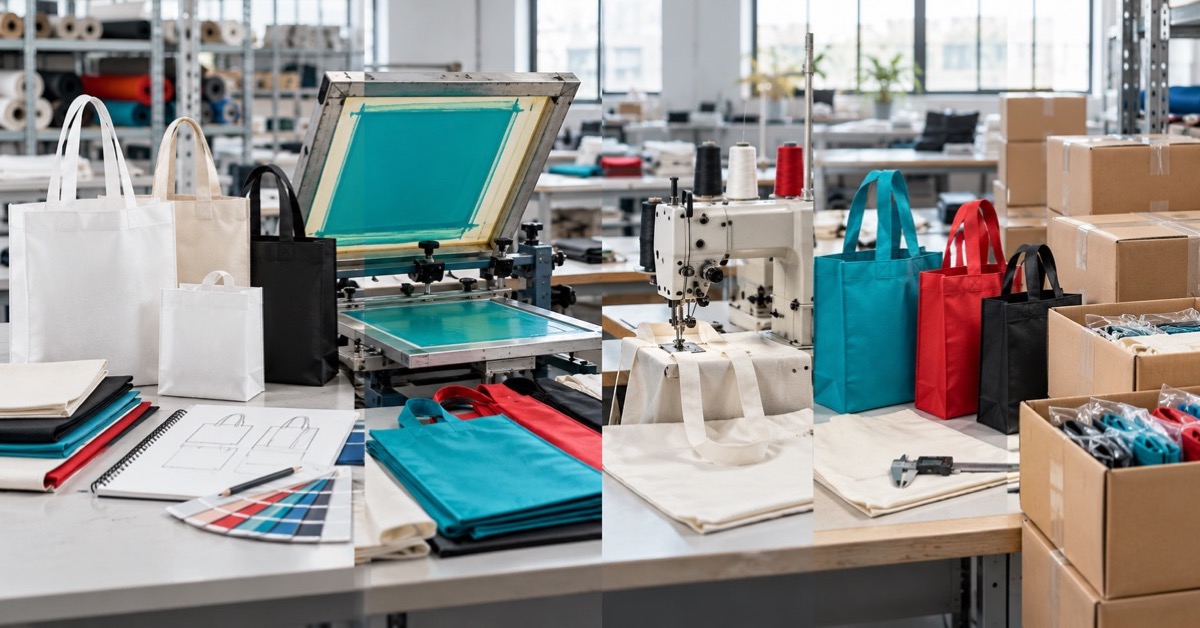
4. Build a construction specification for custom PVC packaging bags
| Component | Decision | Sample evidence |
|---|---|---|
| Clear panel | Thickness, flexibility, surface and color cast | Filled viewing sample |
| Trim or binding | Material, color and edge coverage | Seam inspection |
| Closure | Zipper, snap or other method | Repeated cycle test |
| Handle | Width, drop and reinforcement | Loaded carry test |
| Printing | Position, ink, coverage and abrasion | Finished applied proof |
| Packing | Fold, separator, inner pack and carton | Packed recovery test |
5. Judge clarity under realistic viewing conditions
View the filled sample under store lighting, daylight and the lighting used for product photography. Record haze, reflection, distortion, scratches and any yellow or blue color cast. Compare samples at the same thickness and background.
ASTM's haze and luminous transmittance standard provides technical context for transparent materials. A project does not necessarily require laboratory measurement, but buyers should define what acceptable clarity means for their use.
6. Design seams and edges for visible workmanship
Clear panels make seam width, stitch spacing, welding, binding and trapped contamination easy to see. Mark customer-facing edges and agree on alignment and cosmetic tolerances. Inspect corners where panels change direction and stress concentrates.
Flex the bag after filling and observe whitening, cracking, distortion or seam movement. The panel and edge construction should recover without exposing sharp or unfinished areas.
7. Select and cycle the closure
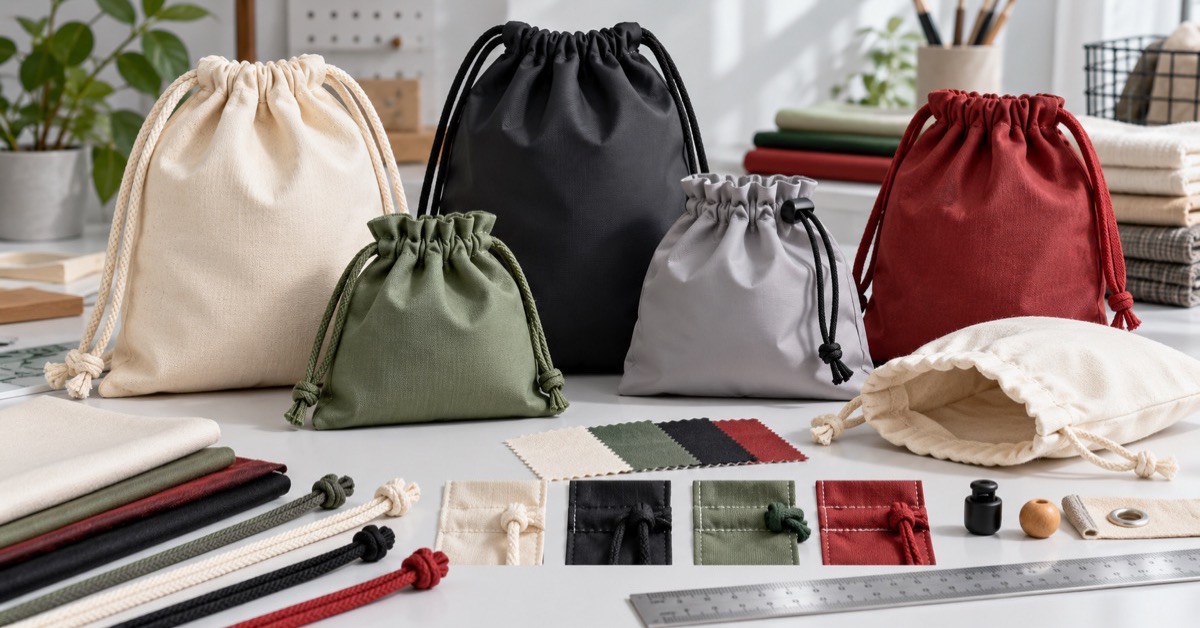
Choose the opening width around the packing sequence. A zipper may look appropriate but become difficult when the product set is close to the top edge. Test pulls, end stops, alignment and the seam attaching the zipper to the clear panel.
Run repeated open-close cycles, then fill, carry and reopen the bag. Record snagging, separation, panel stress and whether users can operate the closure without holding the bag in an awkward position.
8. Treat handles as part of the load path
Handle material, drop and attachment should match the final load. Observe how force travels from the handle through the trim and clear panel. Reinforcement should distribute stress without creating a visually bulky patch.
Carry the filled sample by hand and, if relevant, over the wrist. Inspect comfort, elongation, seam movement and shape after the test. Do not approve handles using an empty bag.
9. Position printing for visibility and abrasion control
Keep fine text and small logos away from seams, folds and areas rubbed by products or hardware. Transparent backgrounds change color perception, so approve the artwork with the actual contents behind it.
Rub the printed area after handling and packing. Separate ink damage from panel scratches. If a protective treatment is proposed, confirm its effect on clarity and flexibility.
10. Review compliance responsibilities before material approval
Requirements depend on the product, destination, intended user and contact conditions. The U.S. Consumer Product Safety Commission provides business guidance resources for regulated consumer products, but buyers need qualified advice for the actual market and use.
Define who supplies declarations, testing and restricted-substance evidence. PackMK can provide production and material records within the agreed scope; the product owner should approve the applicable compliance plan and claims.
11. Compare transparent bag concepts by risk
| Concept | Visibility | Brand area | Main risk | Best use |
|---|---|---|---|---|
| Fully clear zipper bag | Maximum | Printed panel or trim | Scratches and visible seams | Complete retail kits |
| Clear front with fabric back | Front product view | Larger back panel | Material join alignment | Branded organizers |
| Clear window pouch | Selective | High | Window edge construction | Gift and accessory sets |
| Flat clear sleeve | High | Limited | Product fit and closure | Documents or thin products |
| Structured clear case | High | Trim and labels | Higher assembly complexity | Reusable travel kits |
12. Protect clear surfaces during export packing
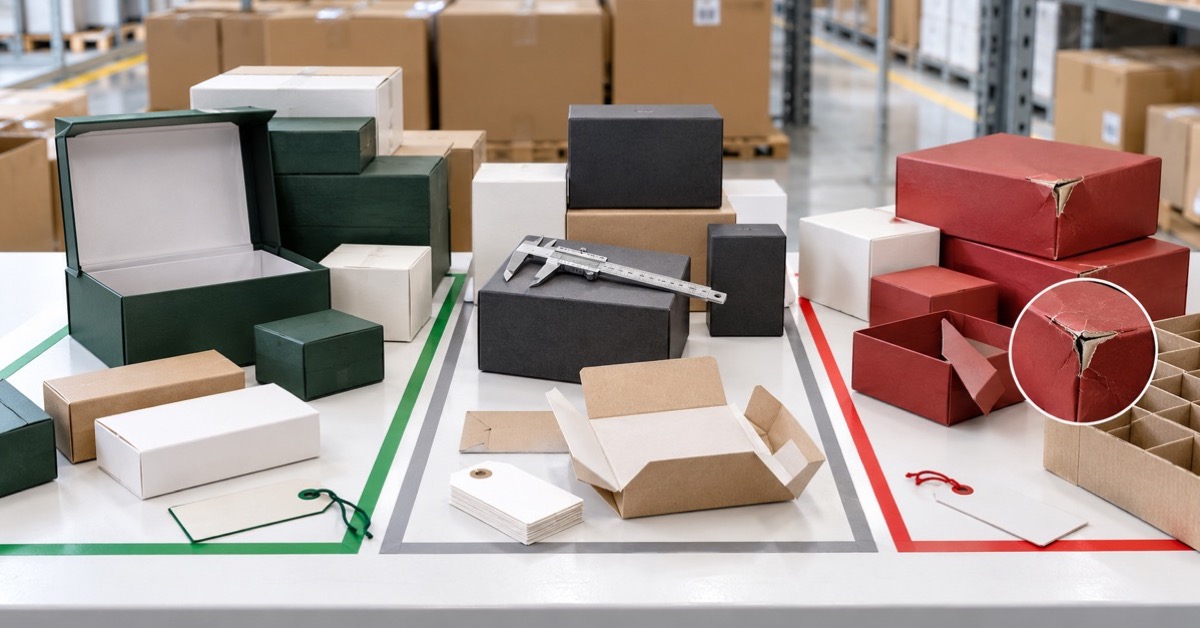
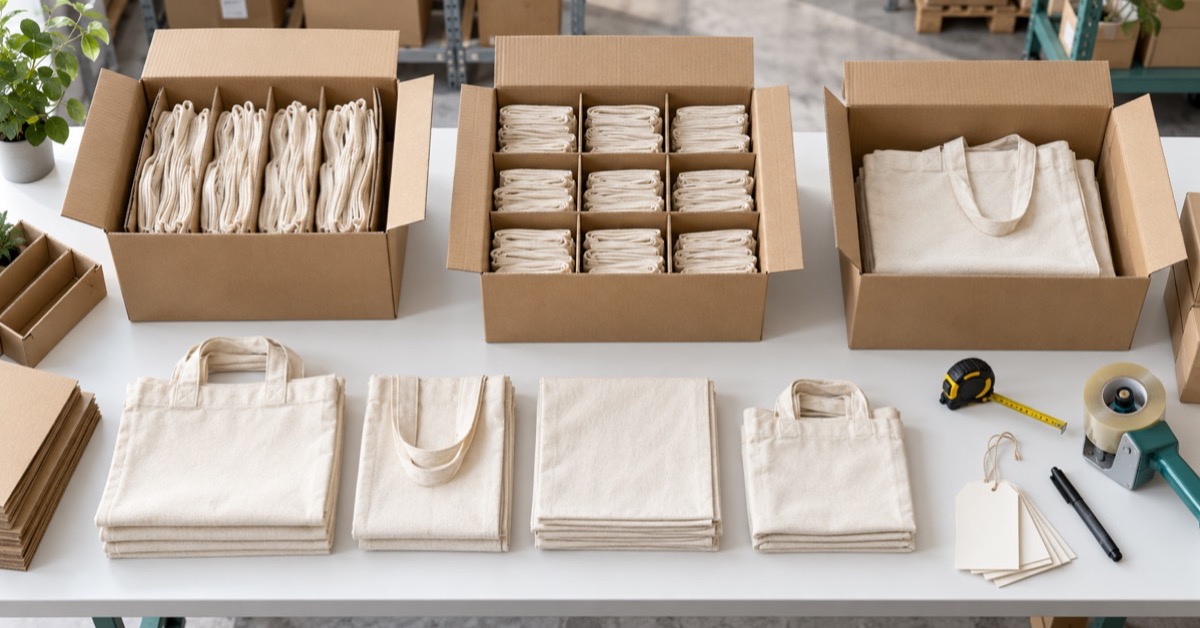
Control folding so zippers, handles and hard trims do not press into clear panels. Use separators or sleeves when necessary, and confirm pieces per inner pack and carton. Inspect surface recovery after the bag has remained packed for a realistic period.
Carton testing should include movement, stacking and unpacking. A loose approved sample is incomplete evidence because most visible damage is created by contact between finished bags during transport.
13. Source repeatable custom PVC packaging bags from PackMK
PackMK can develop custom PVC packaging bags with coordinated panels, trims, closures, handles, printing and packing. The retained reference should show the bag both flat and filled so construction and presentation remain controlled.
Approve a pilot quantity in the final inner pack and master carton. Inspect bags immediately after unpacking and again after they recover at room conditions. Record surface marks, odor, panel shape, zipper operation and whether printed areas contacted neighboring hardware during transport.
Give receiving teams a simple inspection sequence: verify carton identity, count the inner packs, inspect flat construction, fill the sample, cycle the closure and view it under retail lighting. Consistent receiving evidence makes supplier feedback faster and prevents isolated impressions from driving the decision.
For repeat orders, log any change to panel formulation, thickness, trim, zipper, ink or packing. A seemingly small substitution can alter clarity, flexibility, seam behavior or appearance, so PackMK should receive written approval before the reference changes.
Send PackMK the complete product set, target dimensions, visibility requirement, closure, artwork, quantity, delivery market and compliance scope. A project quotation can then connect the proposed construction to the actual use and inspection plan.
- View PackMK clear PVC cosmetic bags
- Review PackMK custom packaging development
- Request a custom PVC packaging bag quotation
Custom PVC packaging bag buyer questions
What details are needed to quote custom PVC packaging bags?
Provide the product set dimensions, finished bag size, panel preference, trim, zipper or closure, handles, printing, quantity, packing method and destination market.
How should buyers judge the clarity of a PVC bag?
View a production-equivalent sample with the actual products inside under retail and photographic lighting. Inspect haze, distortion, scratches, reflection and color cast.
How much extra space should a clear bag include?
Allow enough depth and opening width for loading and closure without stretching the panels. Confirm the space by packing the complete product set, not isolated items.
What should be tested on a zipper PVC bag?
Cycle the zipper, inspect alignment and end stops, load the bag, carry it, reopen it and check the seam where the zipper joins the clear panel.
Can custom PVC packaging bags be printed?
Yes. Printing may be placed on clear panels or colored components, but artwork, ink, surface preparation, seam positions and expected abrasion must be reviewed together.
What compliance information should buyers confirm?
Requirements depend on product, market, user group and intended contact. Buyers should define the use and obtain qualified compliance advice before approving materials or claims.
How can surface scratches be reduced during shipping?
Control folding, separators, protective sleeves, hardware position, pieces per inner pack and carton movement. Test the actual packed configuration.
What makes a clear bag look yellow or hazy?
Material formulation, thickness, lighting, age, storage and surface condition can affect appearance. Approve a physical reference and define realistic viewing conditions.
Should PVC bags be approved flat or filled?
Both. Flat inspection reveals construction and surface defects, while filled inspection shows shape, visibility, stress, closure behavior and the real customer presentation.
How does PackMK control repeat PVC bag orders?
PackMK can retain panel, trim, zipper, artwork, construction, sample and packing references so later production can be checked against documented evidence.