

A buyer evaluating a custom printing factory China supplier should trace one real job from artwork intake to packed cartons. A machine list shows capacity, but the production route reveals where files, colors, materials and approvals can change.
Define the finished output before discussing equipment
Start with the product, final dimensions, substrate, print colors, surface finish, quantity and acceptance standard. The same artwork may require different preparation for a paper box, fabric bag, pressure-sensitive label or booklet.
Trace one order through seven control gates
| Control gate | Evidence to request | Typical risk |
|---|---|---|
| Artwork intake | File checklist and revision name | Wrong version or missing fonts |
| Prepress | Final-size proof and separation review | Unexpected trapping or fine detail loss |
| Material release | Approved substrate reference | Surface or color variation |
| Printing | Press standard and first-piece approval | Color drift during the run |
| Finishing | Sequence and setup sample | Cracking, shift or scuffing |
| Inspection | Order-specific check record | Defects accepted by vague criteria |
| Packing | Bundle and carton specification | Damage after production |
Ask how color moves from screen to production
Identify whether artwork uses process color, spot color or both. Confirm the physical color reference and viewing conditions used for approval. The International Color Consortium color management resource provides context for profile-based color workflows, but the order still needs an agreed production reference.
Review ink and substrate as one system
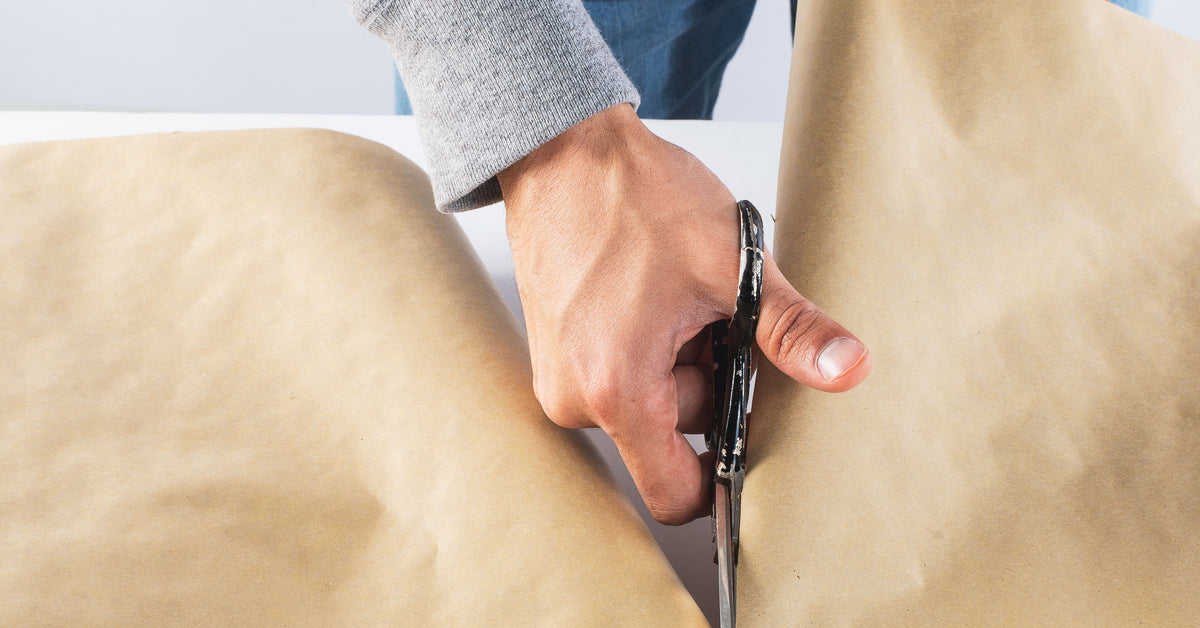
Ink appearance changes with coated paper, kraft paper, film, woven fabric and non-woven fabric. Ask the factory to print on production-equivalent material. A proof on white coated stock cannot approve color on brown kraft or textured textile.
Sequence finishing before approving the artwork
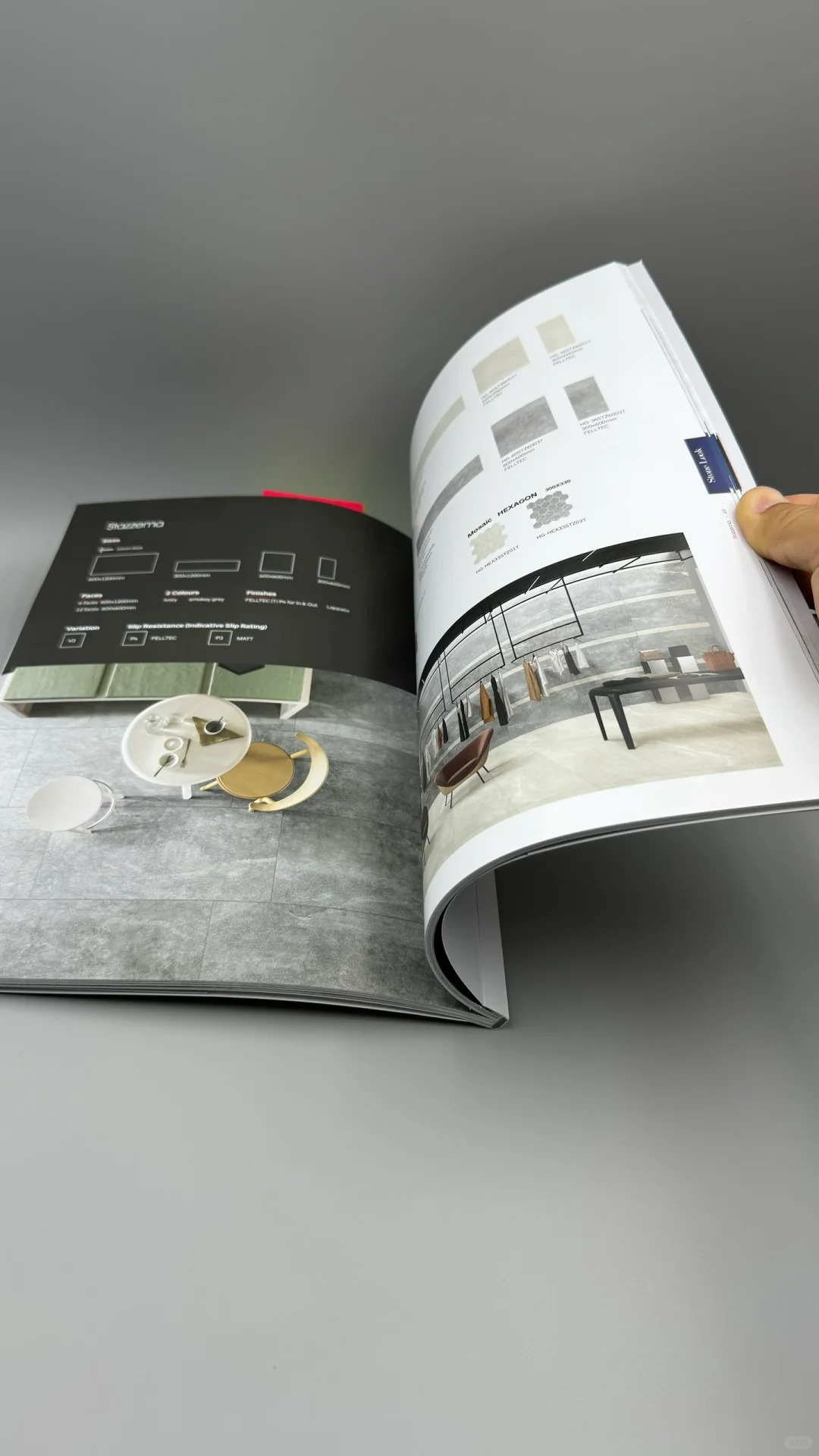
Lamination, foil, embossing, die cutting, folding and binding interact with printed elements. Keep fine text away from folds and cutting tolerance. Test whether the finish scratches, cracks or shifts after the product is formed.
Make the sample follow the intended bulk route
A handmade sample can confirm size and concept while using a different print or finishing method. Record which details are representative and which are not. For critical appearance, request a production-equivalent proof before bulk release.
Use revision control as a supplier test
Issue one controlled artwork change and confirm that the proof, quotation, production sheet and inspection reference update together. A reliable custom printing factory China partner should identify the current version without searching through chat messages.
Inspect packing as the final production process
Printed surfaces can rub, transfer or dent inside cartons. Confirm drying or curing, interleaving when needed, bundle pressure, carton size and handling marks. The finished product is only acceptable if it arrives in the approved condition.
- Review PackMK custom development
- Explore printed packaging categories
- Discuss a printing and packaging project
A capable custom printing factory China supplier controls the complete route, not only the press. Buyers should approve how artwork, material, printing, finishing and packing connect.
Custom printing factory questions
What files should buyers send to a custom printing factory?
Send editable vector artwork when available, linked images, font information, final dimensions, color references and a clearly named revision.
Why can the same color look different on packaging materials?
Substrate color, coating, texture, ink system and finishing all influence the final appearance.
Is a digital sample enough for bulk approval?
It may confirm layout, but buyers should identify differences from the intended bulk printing and finishing route.
What records help with repeat printing orders?
Keep approved artwork, material references, physical color standards, samples, finishing details, packing specifications and inspection records.