

Why a custom printed Tyvek bag with logo keeps showing up in exhibitions and retail campaigns
A custom printed tyvek bag with logo sits in an awkwardly useful middle ground: it looks cleaner than a disposable giveaway bag, but it does not carry the cost or bulk of a heavy fashion tote. That is exactly why sourcing teams keep circling back to it for trade shows, product launches, pop-up retail, and event merchandise. If you need a bag that can carry documents, small samples, cosmetics, or light shopping while still putting your brand front and center, this format is worth a serious look.
The appeal is not only visual. Tyvek-like bags are often chosen because they feel lightweight, fold flat, and can be printed with bold graphics. In practice, that makes them useful for brand teams that want a bag to do double duty: function as packaging on the day of the event, then remain in use afterward as a visible branded item. That second life matters. A bag that stays in circulation keeps the logo moving around a hall, office, campus, or city street.
What buyers are usually trying to solve
Most buyers searching for logo printed tyvek bags are balancing three things at once: appearance, usability, and cost discipline. The bag needs to look intentional, not flimsy. It also needs to survive normal carry use without drawing complaints from attendees or customers. And because these are often ordered in batches for promotions, the buyer has to avoid over-specifying a bag that will be overbuilt for the job.
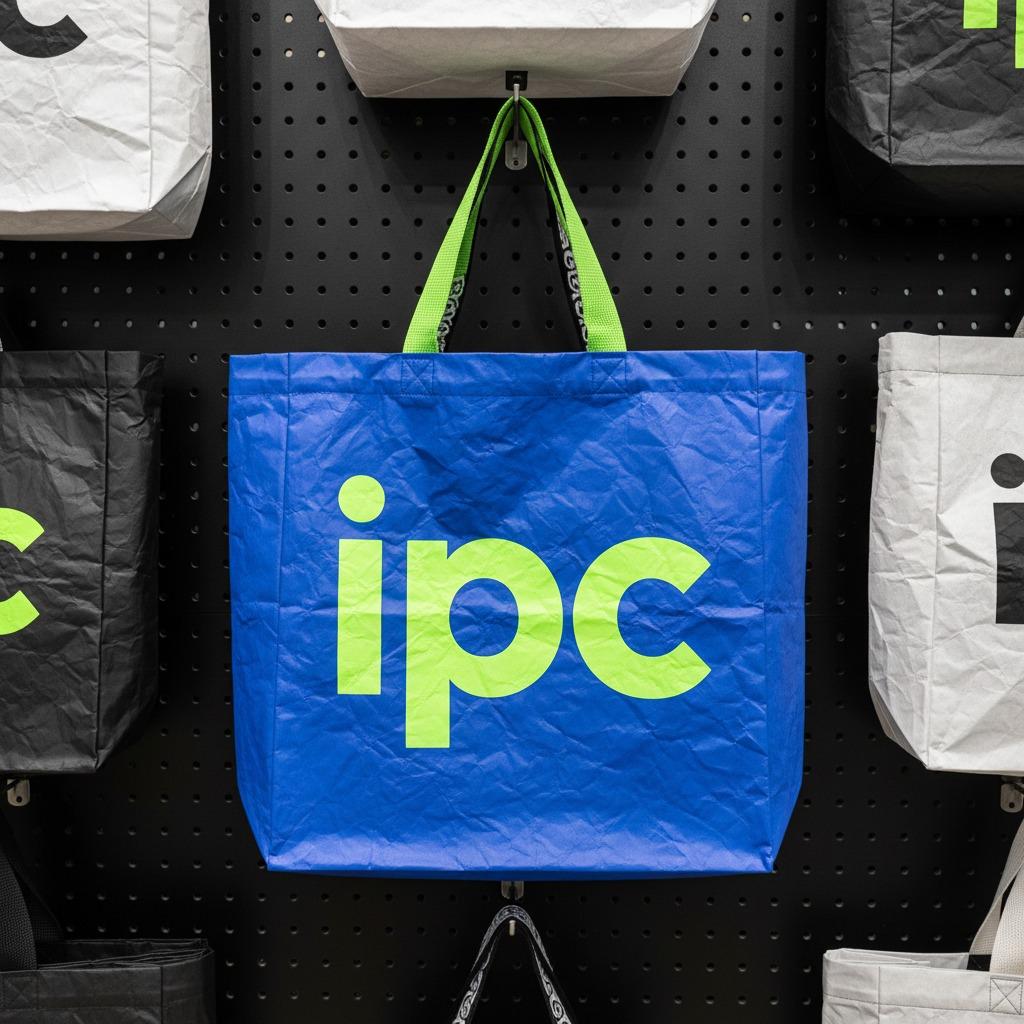
The product style described in the supplied reference data points to a structured tote with a boxy base, wide opening, and reinforced-looking webbing handles. That combination is practical. A bag with a shaped base stands upright better on a table, which helps at events and in retail handoff. A wide opening is simply easier for people loading brochures, notebooks, or sample kits. The visible hardware at the handle attachment points also suggests a bag designed with presentation in mind, not just utility.
Material and construction: what can be inferred, and what cannot
The supplied information indicates a Tyvek or Tyvek-like appearance, but that is not something to assume from a photo alone. DuPont paper, Tyvek, PVC, TPU, laminated synthetic sheet, and other lookalike substrates can all produce a similar visual effect depending on print and finishing. For procurement, the safer path is to treat the material as a specification item, not a guess.
If the bag is truly Tyvek-based, buyers usually value the paper-like texture, low weight, and the ability to hold full-surface graphics well. If it is another synthetic sheet, the same general benefits may still apply, but the feel, stiffness, and long-term wear can differ. That matters when a campaign depends on a certain tactile impression. A bag meant for a premium brand launch may need a cleaner surface finish; a bag for a campus giveaway may prioritize toughness and print area instead.
Construction is the other major variable. The reference bag appears to use a cut-and-sew tote structure with a gusseted or boxed base, plus woven webbing handles. That is a common and sensible arrangement. It supports daily carry better than a bag with only minimal reinforcement, and it gives the product a more finished retail appearance. Still, the exact stitching, sealing, and attachment method should be confirmed before ordering at scale.
Printing choices that affect the final result
Custom printed tyvek bag with logo projects usually live or die on print execution. Full-front graphics can look sharp and energetic, especially on a light or translucent body. The supplied examples suggest full-surface printing, which is often the right choice when the bag itself is part of the campaign identity. Think of it less as decoration and more as brand real estate.
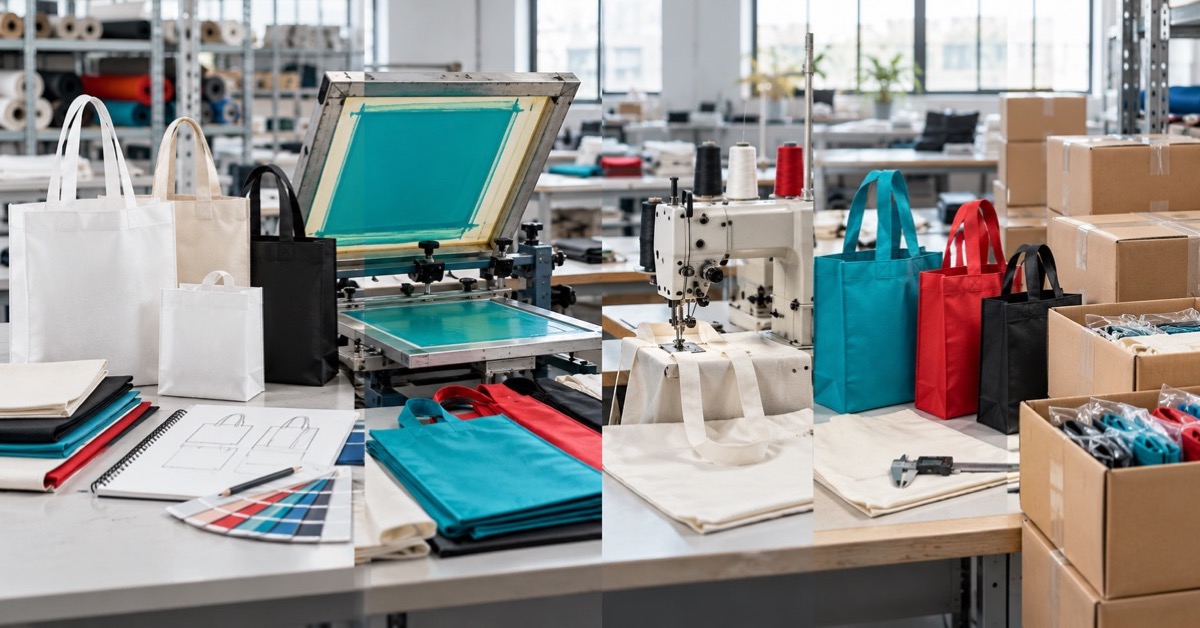
Common print routes for this kind of bag may include digital printing, heat transfer, or screen printing, depending on substrate and design complexity. The right choice depends on how many colors are in the artwork, how much of the bag must be covered, and what the buyer expects from edge detail. A large, bold logo can tolerate one process; a detailed portrait graphic, fine text, or gradient-heavy design may require another.
One practical caution: full-coverage artwork can make proofing harder. Colors may shift slightly on textured or synthetic surfaces, and logos that look perfect on screen can flatten if the base material is too glossy or too wrinkled. Ask for a physical sample or at least a high-quality production proof when the bag is tied to a launch date.
How to evaluate a custom bag supplier
When comparing logo printed tyvek bags, buyers should focus on the points that affect field use, not just catalog photography. Start with the body material and ask for a clear description of the substrate. Then check the bag shape: is it truly boxy and self-standing, or only loosely rectangular? That difference matters in retail and event work.
Handle length and attachment style deserve attention as well. A bag with shoulder-length handles may be more versatile for attendees leaving a venue, while shorter handles can be fine for hand carry but less convenient once the bag is filled. Hardware can add visual polish, but it should not become a weak point. If the handles are decorative-looking, make sure they are still practical.
Finally, confirm the print area. Some suppliers advertise custom branding but only allow a narrow front panel. Others can do near full-surface coverage. If your logo, event artwork, or campaign message needs the whole bag to work as a visual panel, that must be settled early.
Common mistakes buyers make
The most common mistake is treating a Tyvek-style tote like a generic shopping bag. It is not. Once the bag becomes a branded object, printing accuracy, color consistency, and surface finish matter more than they would on a plain utility sack.
Another frequent error is overloading the spec with unnecessary extras. Buyers sometimes ask for heavyweight construction when the bag will only hold brochures and a small gift. That adds cost without improving the user experience much. On the other hand, under-specifying the handles or base can create the opposite problem: a bag that looks good in photos but feels shaky in use. The sweet spot is usually somewhere in the middle, and it depends on the intended load.
Also, do not assume the same sample bag will suit every use case. A retail gifting bag, an exhibition hand-carry bag, and a fandom merch bag may share the same general form, but they serve different expectations. The artwork, finish, and handle style should match the context.
Practical buying advice before you place an order
For sourcing managers and product teams, the cleanest path is to define the use case first. Is this a promotional handout, a retail purchase bag, a souvenir, or a reusable carry piece for documents and small personal items? Once that is clear, material selection and print method become easier to narrow down.
Ask the supplier for sample photos, a description of the bag structure, and confirmation of the printing approach. If the bag is meant to represent your brand in public, insist on artwork approval before mass production. That sounds obvious, but it is where many projects slip: the bag is simple enough to order quickly, then expensive enough in quantity to regret a rushed decision.
Quick FAQ
Is a Tyvek-style bag better than a basic plastic tote?
Often yes, if your goal is a more premium look and a better branded impression. It depends on the exact material and construction.
Can these bags be used for events and retail gifting?
Yes. That is one of their strongest use cases, especially when the bag itself is part of the campaign identity.
What should I confirm before ordering?
Confirm the substrate, print area, handle style, bag structure, and whether the sample reflects the final production method.
Next step for buyers
If you are comparing options for a custom printed tyvek bag with logo, start with a sample request and a clear artwork brief. A good supplier should be able to show how the bag will look as a finished branded item, not just as a flat material swatch. That small bit of discipline saves time, and usually money too.