

Why buyers search for a custom printed Tyvek bag with logo
A custom printed tyvek bag with logo is usually not a fashion purchase. It is a practical branding decision. Buyers look for this kind of bag when they need something lightweight, reusable, and easy to print in full color, but they also want the finished piece to feel more durable than ordinary paper packaging. That matters for trade shows, product launches, retail handouts, and event swag, where the bag itself becomes part of the presentation.
Tyvek-like materials are often chosen because they sit in a useful middle ground: they look crisp, have a paper-like character, and can handle repeat use better than many disposable bags. For sourcing managers, the real question is not just whether the bag carries items. It is whether the surface will hold the artwork, whether the handles suit the load, and whether the overall look matches the brand story.
What the bag style tells you at a glance
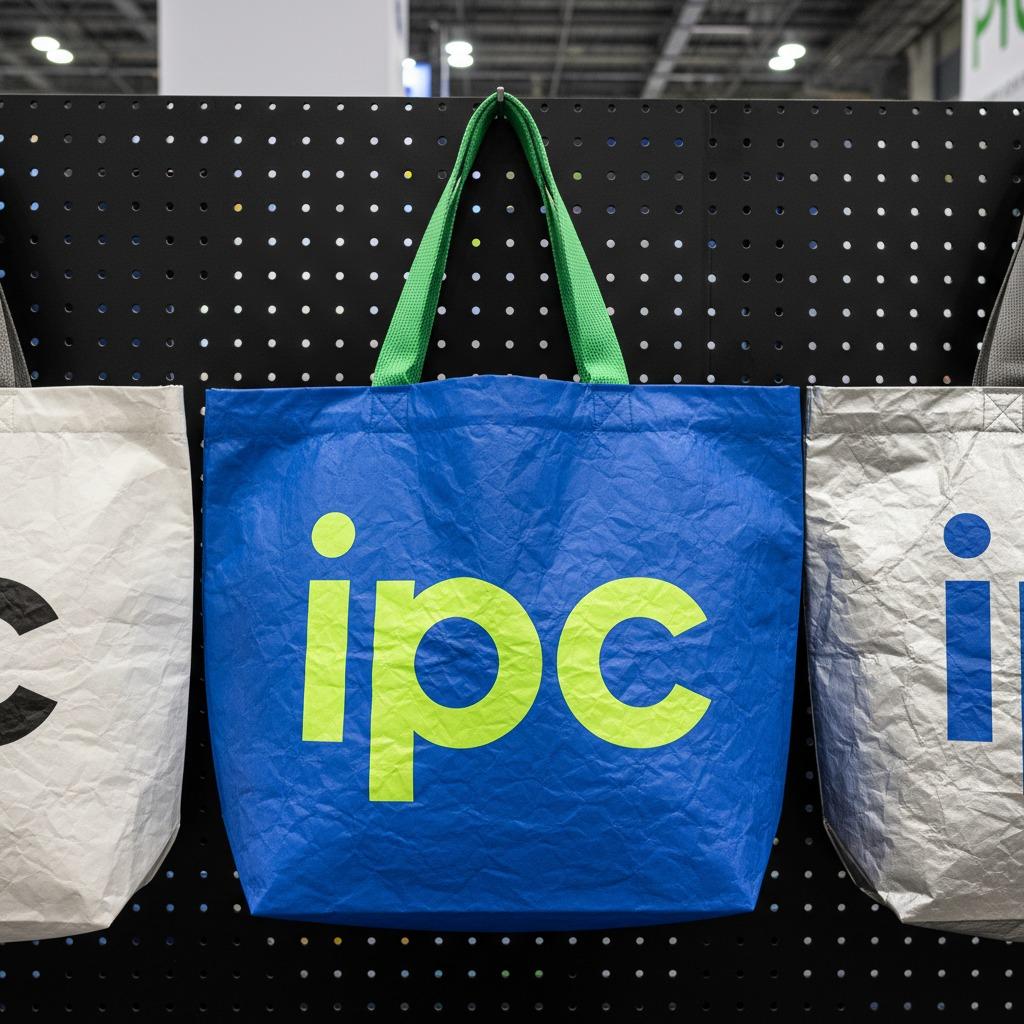
In the samples described here, the bag format is a large rectangular tote with an open top and shoulder-length handles. That is the classic shape for exhibition handouts and retail promotion. The body appears to have a matte, wrinkled texture that reads like DuPont paper or a Tyvek-like nonwoven paper material. That texture is not a flaw; in many cases it is exactly what buyers want because it makes the bag feel distinct from glossy plastic totes.
The visible printing is full-surface and highly custom. That usually means the artwork is doing most of the selling. For branded bags, the logo is not just decoration; it is the entire reason the item exists. If you are comparing logo printed tyvek bags against standard paper bags or fabric totes, the deciding factors tend to be print clarity, perceived value, and how the bag behaves after handling.
Where custom printed Tyvek bags fit best
These bags are commonly used for trade shows, conference kits, retail packaging, event giveaways, and product launches. They also work well for fan merchandise and limited-edition gifts when the design needs to carry a strong graphic identity. A tyvek shipping bag with logo can be useful when the buyer wants a reusable carrier that still feels lightweight enough for bulk distribution.
That said, they are not the answer for every program. If the contents are heavy, sharp-edged, or likely to get wet, you should slow down and confirm the material and construction. Tyvek-like bags can be a smart promotional format, but they are not automatically the same as a rugged utility tote.
Quick buyer comparison: what usually matters most
1. Print method and artwork fidelity
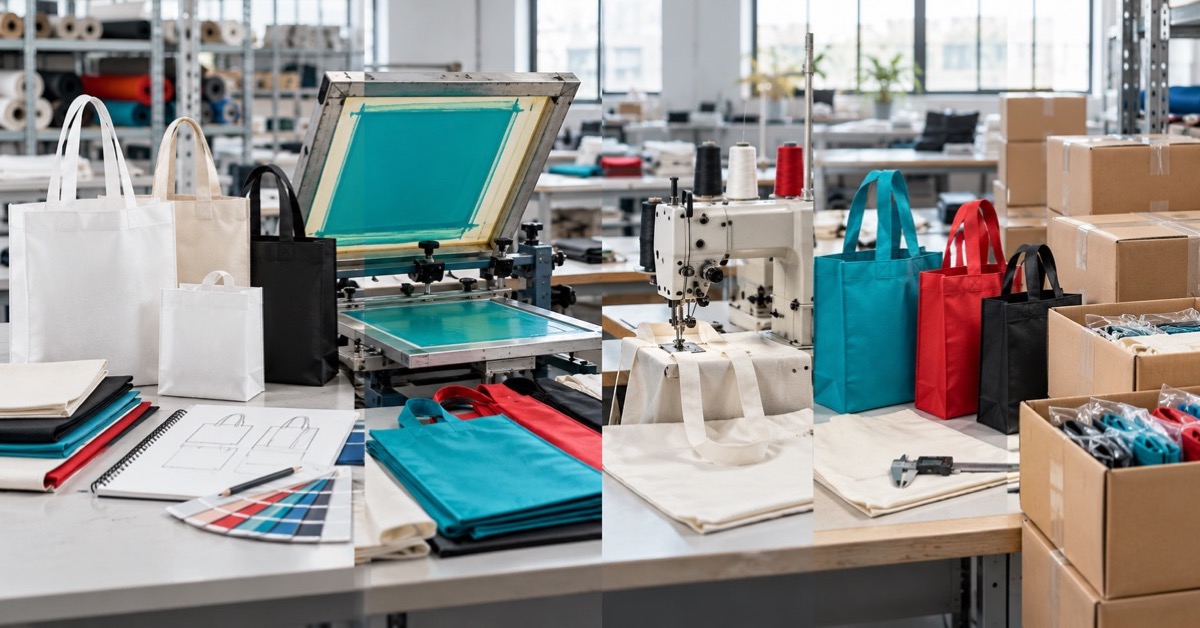
Because these bags often carry logos, graphics, and text across a large front panel, the print quality is central. Depending on the factory, the decoration may be screen print, digital print, heat transfer, or another custom bag printing method. The exact process should be confirmed before ordering, because the result affects color consistency, edge sharpness, and how the printed surface ages.
2. Handle construction
Look closely at the handle attachment points. In the sample description, the handles are long webbing straps with reinforced areas near the bag body. That is a sensible feature for a tote intended to be carried on the shoulder. For buyers, handle comfort is often overlooked until the first event day, when staff have to carry the bag for hours.
3. Overall geometry
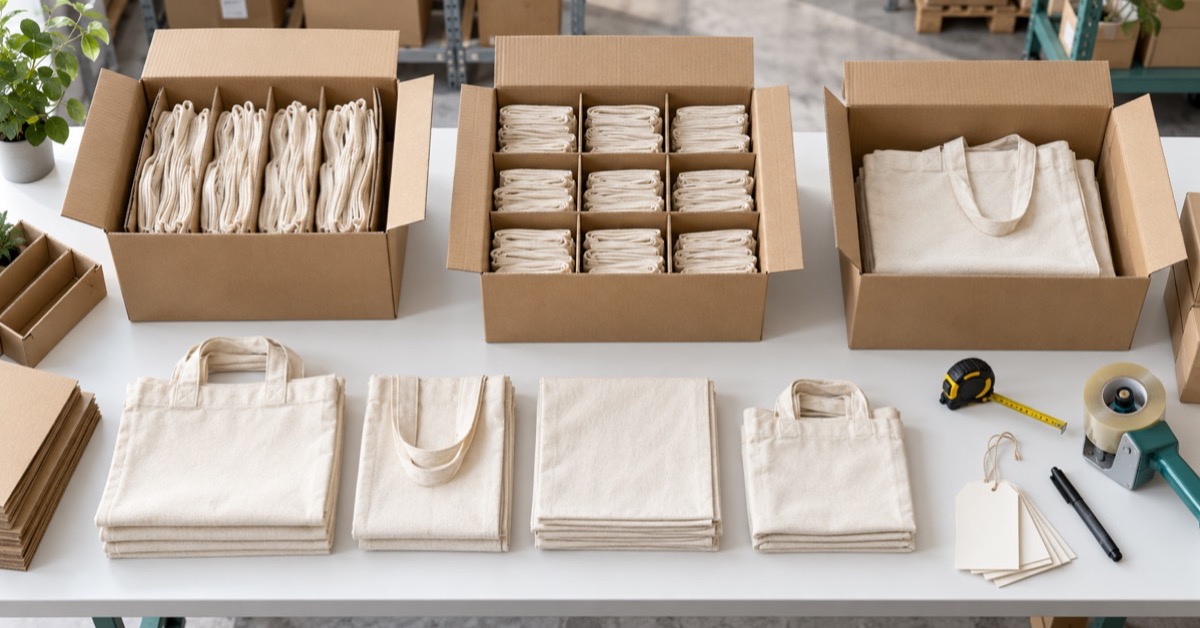
A boxy tote with a flat bottom is easier to pack, stack, and display. It also presents the logo better than a soft, collapsing bag. If the bag is being used for retail or event packaging, shape matters nearly as much as print.
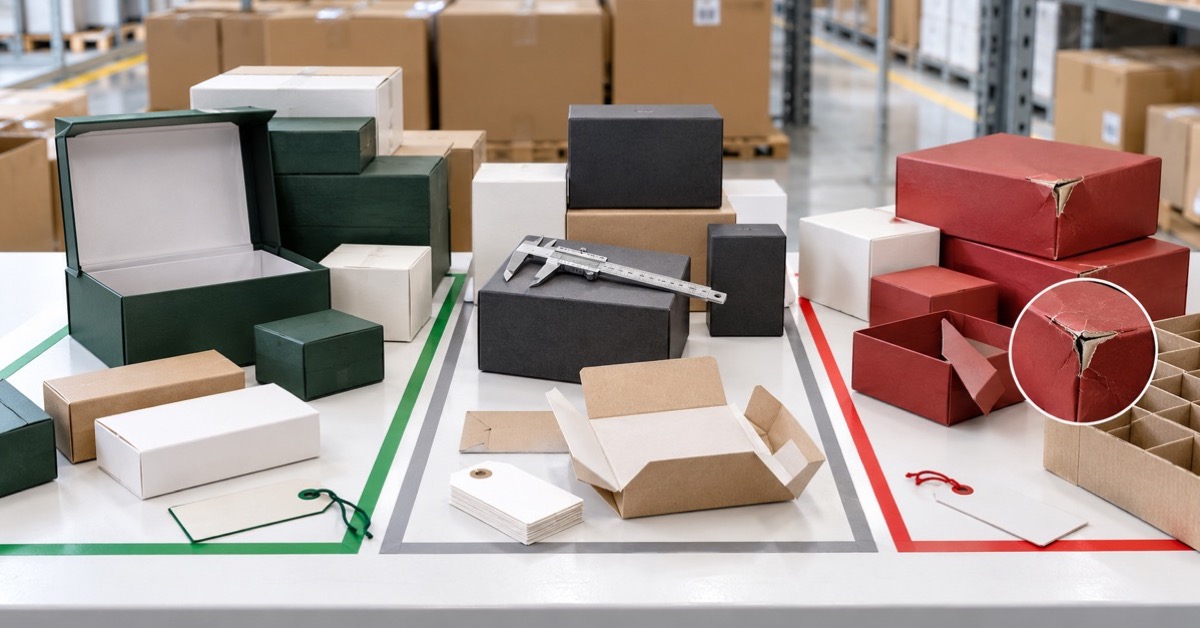
Common mistakes when sourcing these bags
The first mistake is assuming that “Tyvek” alone guarantees performance. It does not. Buyers still need to ask about thickness, seam reinforcement, and expected use. Another common miss is approving artwork without checking how it sits on a creased or textured surface. A design that looks sharp on screen may lose a bit of crispness on a matte, wrinkled substrate.
Also, do not treat every sample as a finished production promise. The product notes here suggest sample or display pieces, and that means the final run may differ in finishing details, print registration, or hardware. It is a small but important caution, especially for brands planning a coordinated event rollout.
Practical advice for buyers
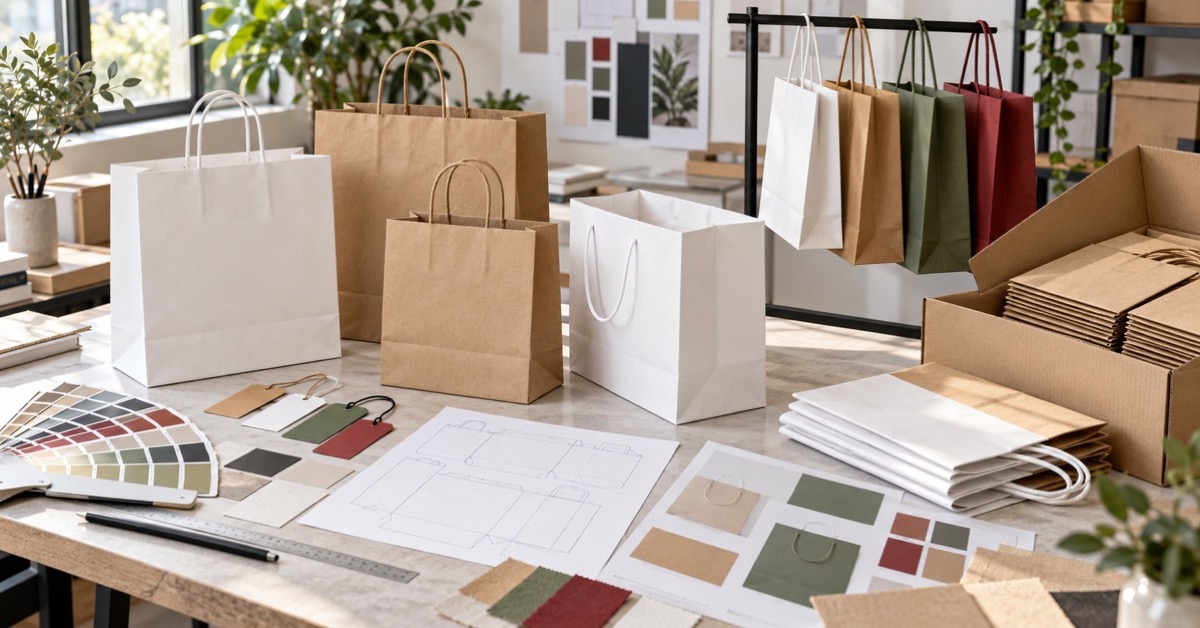
Start with the use case. If the bag is for light merchandise, documents, or giveaways, prioritize appearance and print quality. If it will be reused often, give more attention to handle comfort and seam strength. If the bag is part of premium packaging, ask for a sample that shows the final print against the actual material, not just a flat mockup.
For procurement teams, the cleanest path is to request confirmation on material composition, available sizes, print area, and reinforcement details before moving into artwork approval. Those are the fields that prevent surprises later. A bag can look excellent in a photo and still be awkward in hand if the proportions are off.
FAQ
Is a custom printed Tyvek bag with logo reusable?
Yes, that is usually the main appeal. The point is to move beyond disposable packaging and create a carry item that can be used again.
Can these bags be used for retail display?
Yes. Their structured shape and custom print make them suitable for retail counters, event tables, and gift presentation.
What should I confirm before ordering?
Ask about material, print method, handle construction, size, seam reinforcement, and whether the sample reflects final production. Those details matter more than most catalog descriptions admit.
Next step for sourcing teams
If you are evaluating custom printed tyvek bags with logo for an event or promotion, ask for a production sample or a clearly specified pre-production proof. That will tell you more than a polished render ever will. The right bag should do two jobs at once: carry the contents cleanly and carry the brand without looking forced.