

Why a custom printed Tyvek bag with logo still gets attention
A custom printed tyvek bag with logo is one of those promotional items that earns its keep in real use, not just on a mockup. Buyers usually look at it for the same reason they look at any branded carry bag: it has to hold things, travel well, and keep the brand visible without feeling disposable after one event. That sounds simple, but in practice it forces a few decisions about material, print style, handle construction, and how the bag will actually be used on the floor of a trade show or in a retail environment.
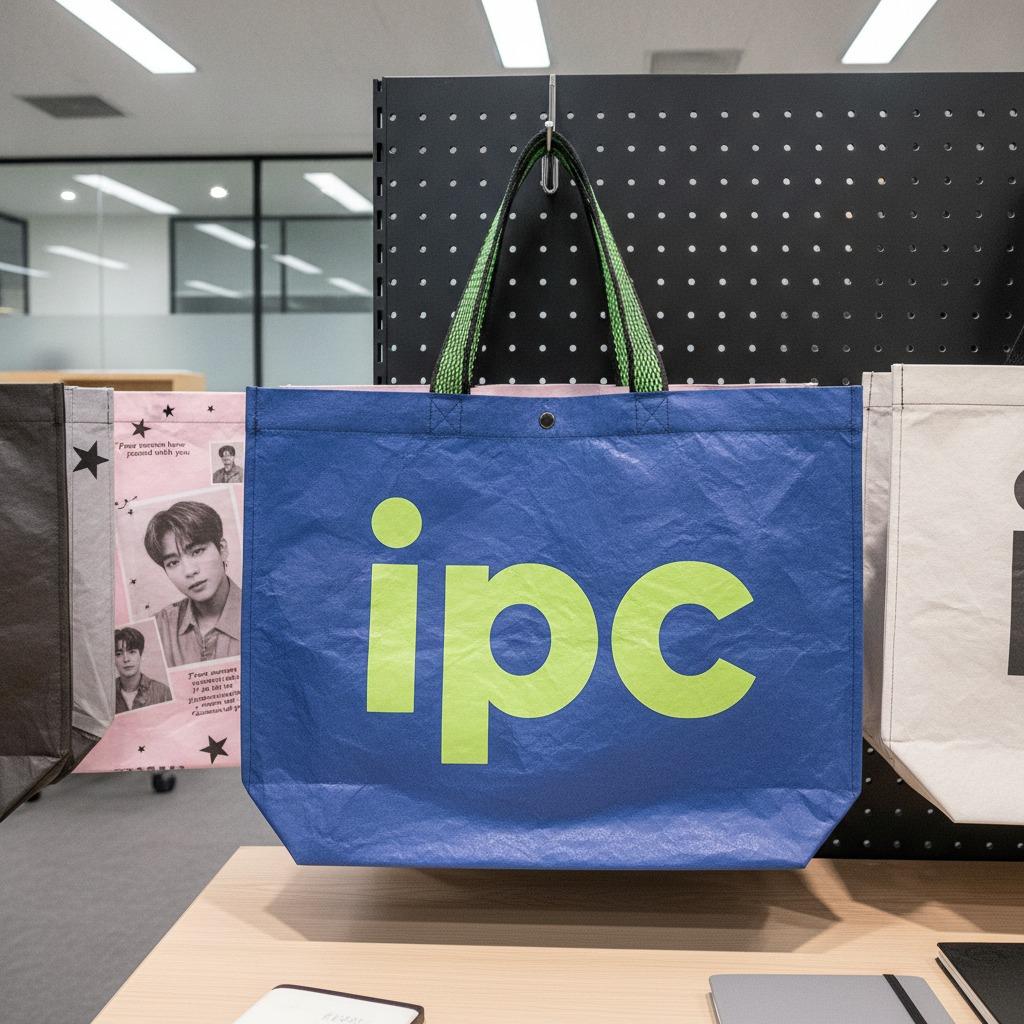
The image data here points to a tote-style bag with a large printable front panel, long woven handles, and a clean rectangular shape. The exact sheet material is not fully verifiable from the image alone, so it is safer to think in terms of a Tyvek-style or similar synthetic promotional bag rather than assuming a specific substrate. That caution matters. Sourcing teams can run into trouble when a supplier uses “Tyvek” loosely for several different bag constructions.
What buyers are really comparing
When people search for logo printed Tyvek bags or a Tyvek shipping bag with logo, they are usually trying to choose between presentation, durability, and cost. A bag for event merchandise is not the same as a mailer or shipping pouch, even if the print requirement looks similar on paper.
For a hand-carry tote, the questions are practical:
Will the printed surface hold a large graphic cleanly?
Are the handles reinforced enough for repeat use?
Does the bag have enough body and opening width to carry brochures, product samples, or a few retail items without sagging awkwardly?
The bag shown in the source data has several features buyers tend to value: a large front panel for branding, a visible structured base, and shoulder-length webbing handles. Those are the details that make the bag feel suitable for events, pop-ups, and promotional gifting rather than one-time packaging.
Tyvek-style bags versus other promotional bags
For sourcing purposes, it helps to separate the visual effect from the actual construction. A Tyvek-style tote is often chosen because it can deliver a crisp printed look with a lightweight feel and a more technical appearance than cotton or canvas. But depending on the exact material, the bag may behave very differently in hand.
A simple way to think about the tradeoff:
Tyvek-style sheet bags
Lightweight, visually distinctive, and often used for branding-heavy applications. They can work well for events where appearance and portability matter.
Plastic film totes
Usually more transparent or glossy, which can be useful when visibility of the contents is part of the design.
Fabric totes
Often better for a softer retail look, but they do not always deliver the same sharp printed surface or structured appearance.
The right choice depends on whether the bag is meant to be a giveaway, a merch bag, a shopping bag, or a packaging component. That distinction sounds minor until the first sample arrives and the team realizes the bag looks right but carries wrong, or vice versa.
Print coverage and brand visibility
One of the strongest features in the supplied product details is the large print area. Full-panel graphics, bold contrast, and clean logo placement give a promotional bag its value. A custom printed tyvek bag with logo works best when the artwork is designed for the shape of the bag, not just pasted on as an afterthought.
A common mistake is treating the logo as the only content that matters. On a carry bag, the surrounding color field, typography, and image placement matter just as much because the bag is seen from a distance and often in motion. If the bag is meant for an event crowd, the design should read quickly. If it is for retail merchandise, it may need a more premium visual rhythm.
The source image also suggests hardware-backed handle attachment points. That is a small detail, but a useful one. Reinforced connection points can improve the perceived quality of the bag and reduce the “throwaway promo item” look that buyers often want to avoid.
What to confirm before placing an order
Because the exact material and print process are not confirmed, buyers should ask for samples or a technical spec sheet before committing. A practical sourcing checklist would include:
Bag substrate and whether it is true Tyvek or a Tyvek-like synthetic sheet
Handle material, length, and attachment method
Whether the bag is open-top or includes a closure
Print method and whether the artwork is single-sided or full-panel
Reinforcement at the base and seams
Intended use case: retail, event, packaging, or light carrying
That last point is easy to skip, but it saves a lot of disappointment. A bag optimized for giveaway items may not be the right choice for repeated daily carrying.
Common buyer mistakes
The first mistake is over-specifying the graphic and under-specifying the structure. A beautiful front print does not help if the handles feel flimsy.
The second is assuming all “Tyvek” bags are the same. They are not. Sellers may use the term loosely, and the buyer ends up comparing products that look similar in photos but perform differently in hand.
The third is ignoring how the bag will be packed. If the bag is meant to hold documents or merch bundles, width and base shape matter more than the headline material claim.
Who this kind of bag suits best
This type of product fits brands that need a visible, reusable-looking promotional bag for exhibitions, fan merchandise, retail launches, or corporate events. It is especially useful where the bag itself is part of the brand experience. If the bag will be photographed, carried in public, or handed out alongside premium merchandise, the large printed area and shoulder-length handles can do more than plain packaging ever will.
Next step for sourcing teams
If you are evaluating a custom printed tyvek bag with logo, start with a sample request and ask the supplier to confirm the exact material, print method, handle construction, and seam details in writing. That is the fastest way to separate a genuinely workable promotional bag from a visually similar prototype.
For buyers, the decision is not just about print. It is about whether the bag can carry the brand well, carry the contents safely, and still make sense when someone uses it twice."}