

Why a custom printed Tyvek bag with logo keeps showing up in promotions
A custom printed tyvek bag with logo is one of those packaging and giveaway items that sits between a paper bag and a reusable tote. That middle ground is exactly why buyers keep coming back to it. For event teams, retail brands, and merch planners, the bag has to do more than carry a few items home. It needs to look branded on the table, survive a full day of handling, and not feel disposable the moment it leaves the booth.
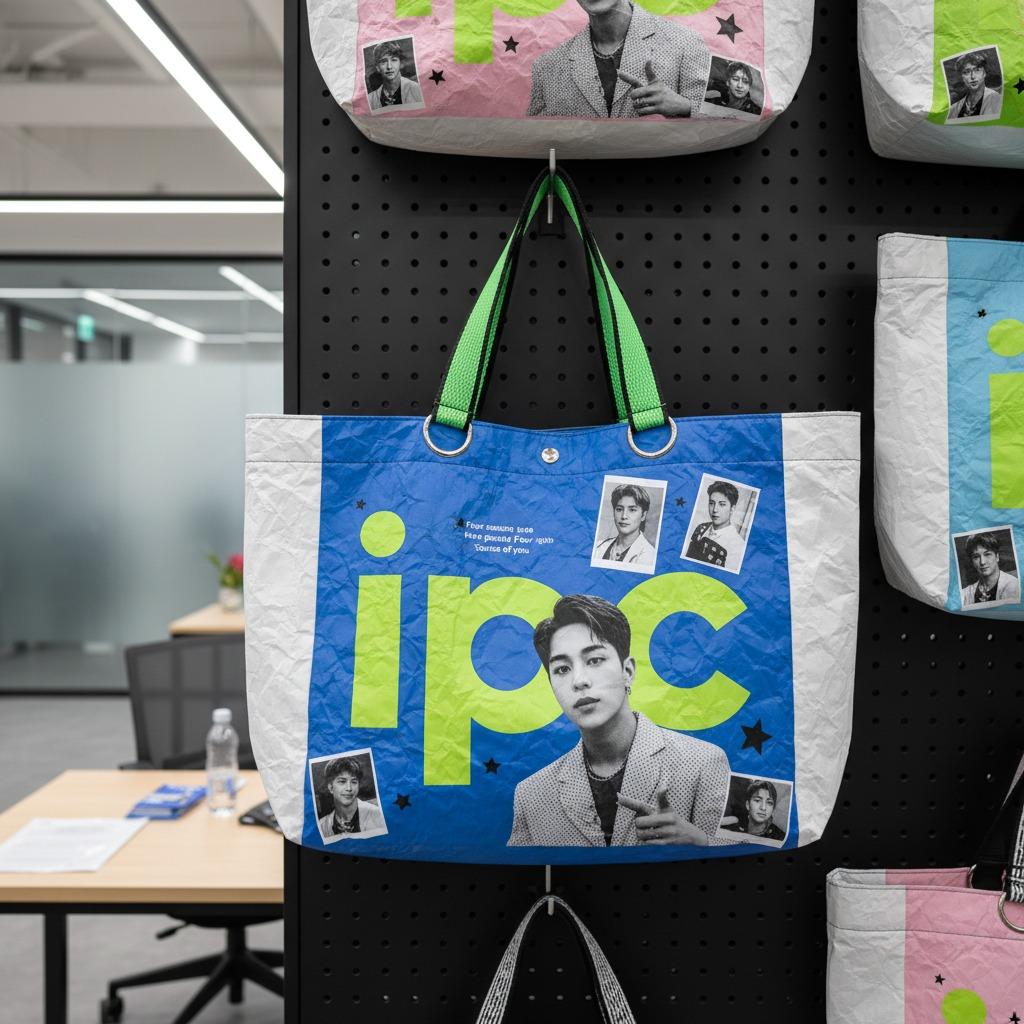
The product described in the supplied material is a boxy tote with an open top, flat bottom, and webbing handles. The body appears to use a Tyvek- or DuPont paper-like sheet material with a wrinkled, paper-texture finish. That combination is common in promotional bags because it gives a clean printed surface while keeping the bag lightweight and visually distinct from ordinary cotton or PP totes.
What buyers usually want to solve
Most sourcing decisions around this bag type come down to three practical questions: does it carry the right image, does it handle daily event use, and does it fit the budget for a campaign or retail run. A bag that looks good in photos but collapses at the first load change is a poor trade. On the other hand, a heavy laminated tote can be overkill if the purpose is handouts, gift packaging, or fan merchandise.
The supplied examples point to two common use cases. One is a fan or commemorative bag with portrait-style graphics and text. The other is a trade show tote with full-surface branding, the kind that is handed out at exhibitions or used as a lightweight shopping bag. In both cases, the bag is doing brand work before and after the purchase.
Tyvek-style material: what it offers, and where to be careful
Tyvek-style sheet material is valued because it has a paper-like texture but behaves more like a synthetic sheet in use. That gives designers a surface that accepts bold graphics well, especially when the goal is a sharp logo or a full-bleed print. It also tends to create a more premium, slightly technical look than a plain paper gift bag.
Still, buyers should be careful with assumptions. The supplied notes do not confirm whether the bag is genuine DuPont Tyvek or a similar synthetic paper. That distinction matters if your spec, compliance review, or customer expectation is tied to a named material. If the vendor cannot verify the base substrate, ask for material samples and a written description rather than relying on marketing language.
Common visual and functional features
From the provided product information, the bag appears to have a rectangular structure, reinforced seams or edge binding, and two loop handles made from woven webbing. Those details matter because they suggest the bag is intended to stand upright when filled and to carry light to medium personal items, documents, gifts, or retail merchandise without looking flimsy.
The printed designs mentioned in the notes are also telling. One example uses monochrome portrait collage graphics with star motifs; another uses a bold “ipc” treatment on a blue field. That means the product category works well for both artistic branding and high-contrast corporate graphics. A flat, integrated print is usually the right approach here, especially when the bag itself is part of the message.
Choosing the right print approach
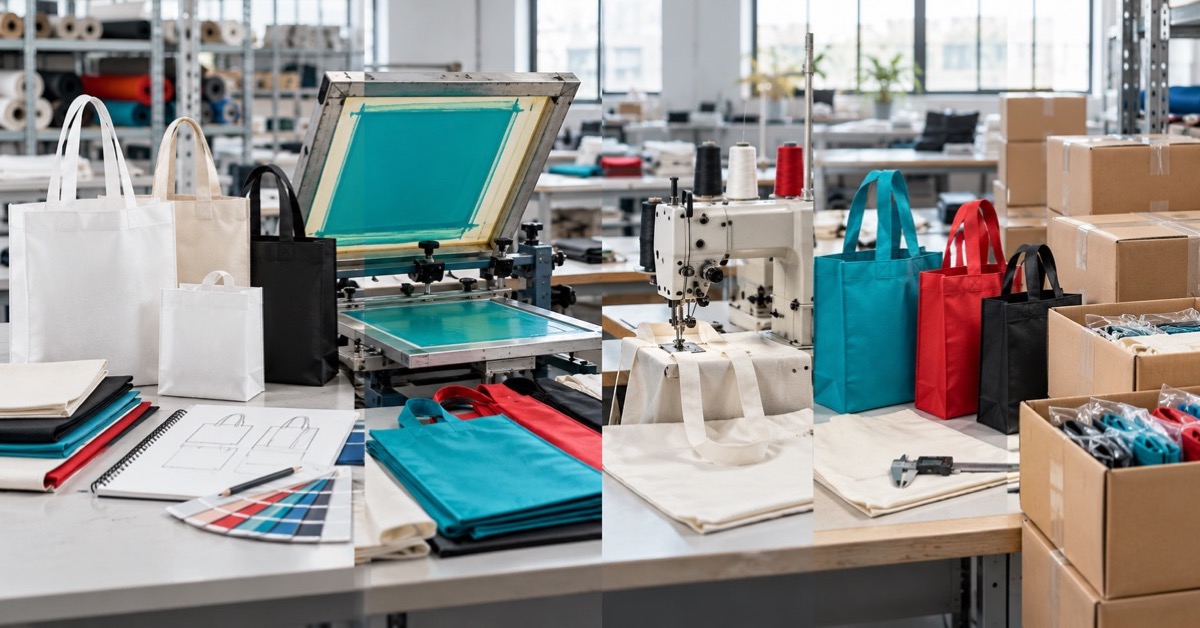
For logo printed tyvek bags, the print method should match the artwork and the expected visual effect. Screen print, digital print, and transfer print are all plausible routes for this kind of product, but the exact process should be selected based on color count, coverage, and order volume. Full-surface graphics push the bag toward a more controlled production setup, while simpler logo placement may be better for smaller runs or faster turnaround.
Buyers often focus on the front panel only, but on a tote like this, the side gussets, seam lines, and handle attachment points matter too. Artwork that runs too close to edges can be lost in stitching or folding. It is a small point, but it causes avoidable surprises in production proofs.
When a Tyvek shipping bag with logo makes sense
The phrase tyvek shipping bag with logo is sometimes used loosely, but in practice this style is most useful when you need a lightweight branded carrier rather than a true mailer. Think trade shows, conference handouts, retail merchandise, festival goods, and gift packaging. If the bag will be re-used by the recipient, the logo continues to travel after the event.
That reuse factor is worth more than it sounds. A bag that is kept for errands or document carry can extend brand exposure well beyond the first touchpoint. It is not a miracle channel, just a practical one. People keep useful bags.
Buyer checks before placing an order
Before ordering, clarify the exact substrate, print coverage, handle material, and top opening style. The supplied data does not confirm closure type, waterproofness, thickness, or load-bearing capacity, so those should not be assumed. If the bag is meant for merchandise with sharper corners or heavier contents, request a sample or at least a production-ready mockup.
Also check whether the artwork is one-sided or all-over. The product notes mention full-surface printing in one example, but that does not guarantee every version is printed on all panels. For brand launches, the difference can matter more than the base material itself.
Practical advice for sourcing teams
If your goal is a premium giveaway, emphasize print quality, handle finish, and structure. If your goal is cost control, simplify the artwork and keep the bag dimensions as standard as possible. Either way, ask suppliers to confirm the bag’s intended use category. A bag sold as a retail shopping tote may be built differently from one meant purely for event giveaways.
One final caution: because “Tyvek” is often used broadly in buying conversations, do not assume all paper-texture synthetic bags are identical. Two bags can look similar in a photo and perform very differently in hand.
What to ask next
If you are sourcing this type of bag, request a sample, confirm the material description in writing, and review a print proof against the actual panel layout. That will tell you more than any polished product shot. If you need help matching the bag to a trade show, retail, or fan-merch use case, the next step is to compare substrate, print method, and handle construction before you lock the order.