

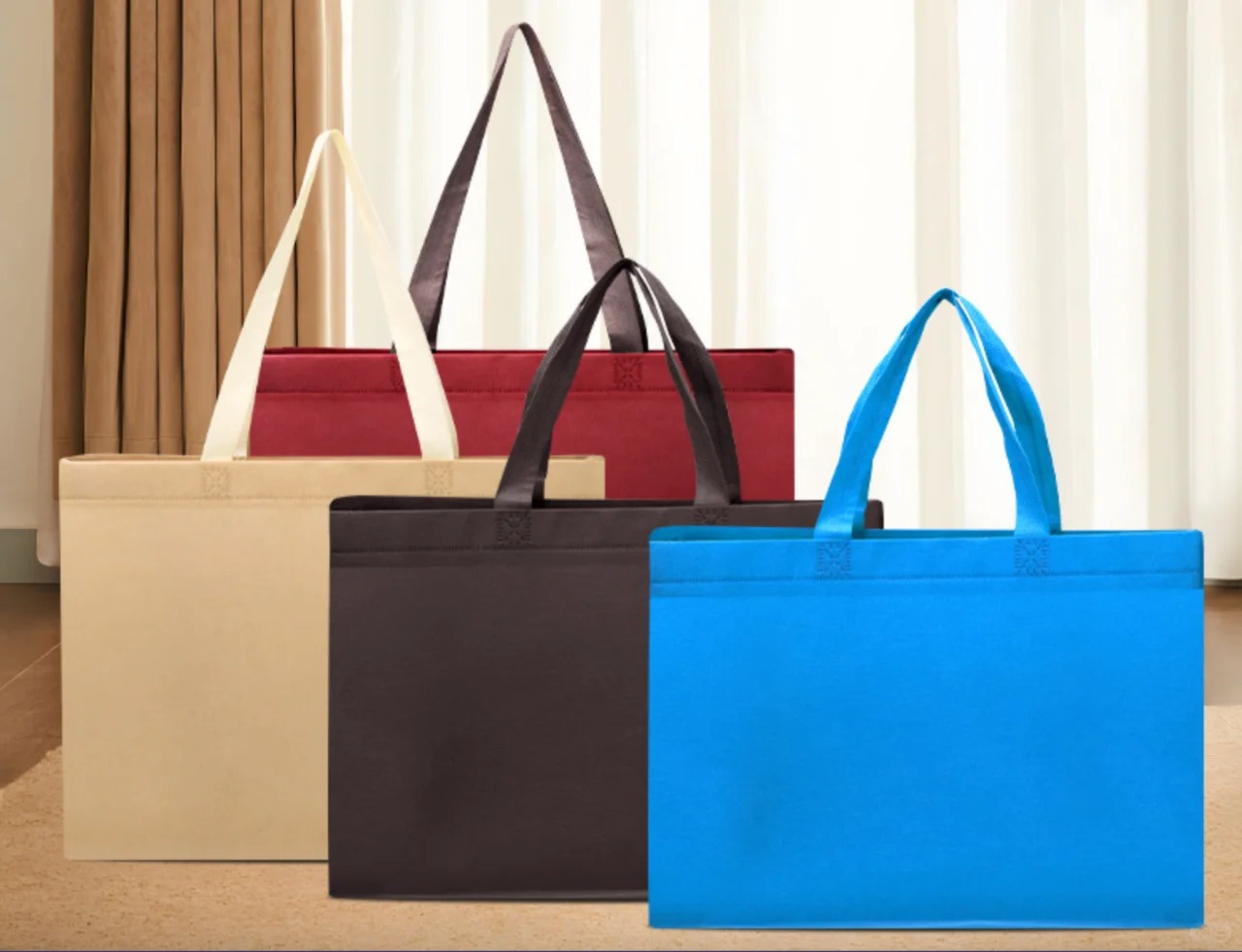
Wholesalers rarely need one perfect package. They need an assortment that can be quoted, stored, mixed, replenished and sold across many customers. Custom packaging for wholesalers therefore starts with SKU architecture and reorder logic, not only a logo or one hero sample.
PackMK helps buyers make the tradeoffs explicit: more variants can improve sales relevance but increase artwork, minimums and inventory exposure. A controlled packaging system keeps those choices visible.
PackMK makes the active brief visible to procurement, development, production and inspection. Every recommendation below names the evidence a buyer can request before committing to volume.
Map the assortment before design
List products, sizes, channels, customer segments, seasonal versions, language needs and expected volume.
Group common dimensions and shared components so the range has a manageable base system. This prevents every variant becoming a separate development project and leaves a usable record for the next quotation or repeat order.
Choose what should be common
Decide which bag, box, label or insert dimensions can serve several SKUs without hurting fit.
Test the largest and smallest products and record the commercial reason for every exception. This prevents standardization creating poor fit or waste and leaves a usable record for the next quotation or repeat order.
Set pack-size logic
Define units per inner, bundle, carton and pallet alongside the sales unit and warehouse unit.
Rehearse picking and replenishment with real cartons and mixed customer orders. This prevents a package selling well but handling badly and leaves a usable record for the next quotation or repeat order.
Build a version code
Give every artwork, material, color, language and customer option a clear code and owner.
Print and inspect the code on proof, production file, carton and receiving record. This prevents similar-looking variants being mixed and leaves a usable record for the next quotation or repeat order.
Balance customization and inventory
Separate core stock, configurable decoration and fully bespoke components in the offer.
Model reorder frequency, lead time, minimums and obsolete-stock risk before approving variety. This prevents a sales promise creating stranded stock and leaves a usable record for the next quotation or repeat order.
Set wholesale-ready artwork
Define logo hierarchy, legal copy, barcode, blank areas, language and customer-specific fields.
Use a master file with locked common elements and controlled variable fields. This prevents each customer edit reopening the whole file and leaves a usable record for the next quotation or repeat order.
Select materials by channel
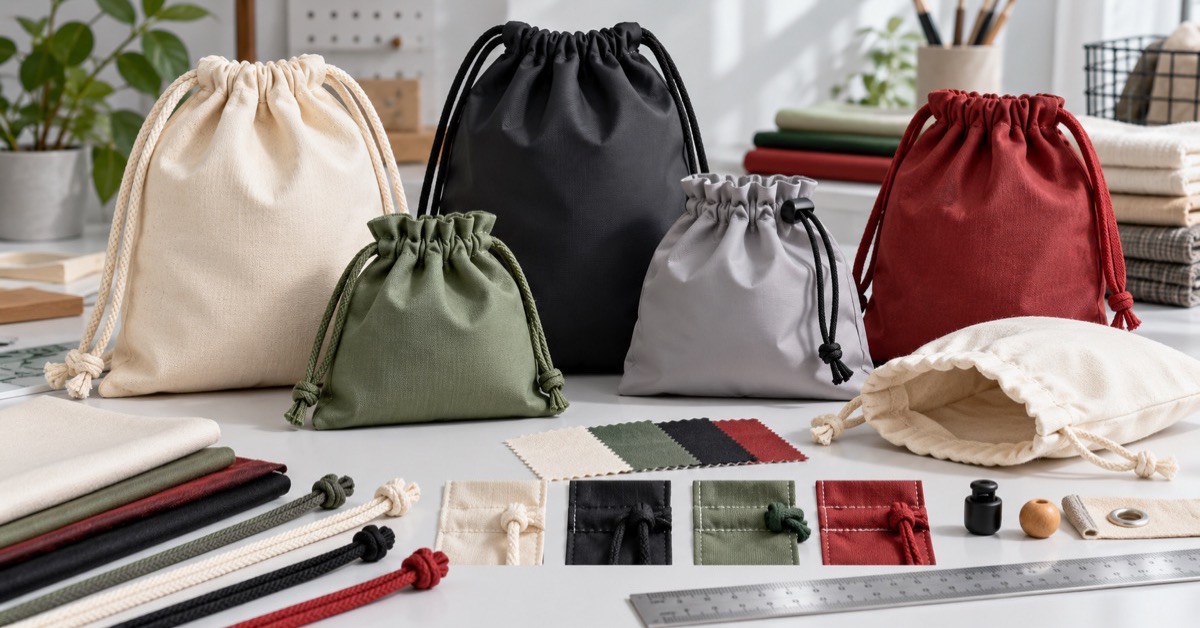
Match paper, cloth, film or composite material to product weight, retail display, transit and price tier.
Compare samples after filling, stacking and handling, not only on a display table. This prevents one material being forced across incompatible channels and leaves a usable record for the next quotation or repeat order.
Design cartons for mixed orders
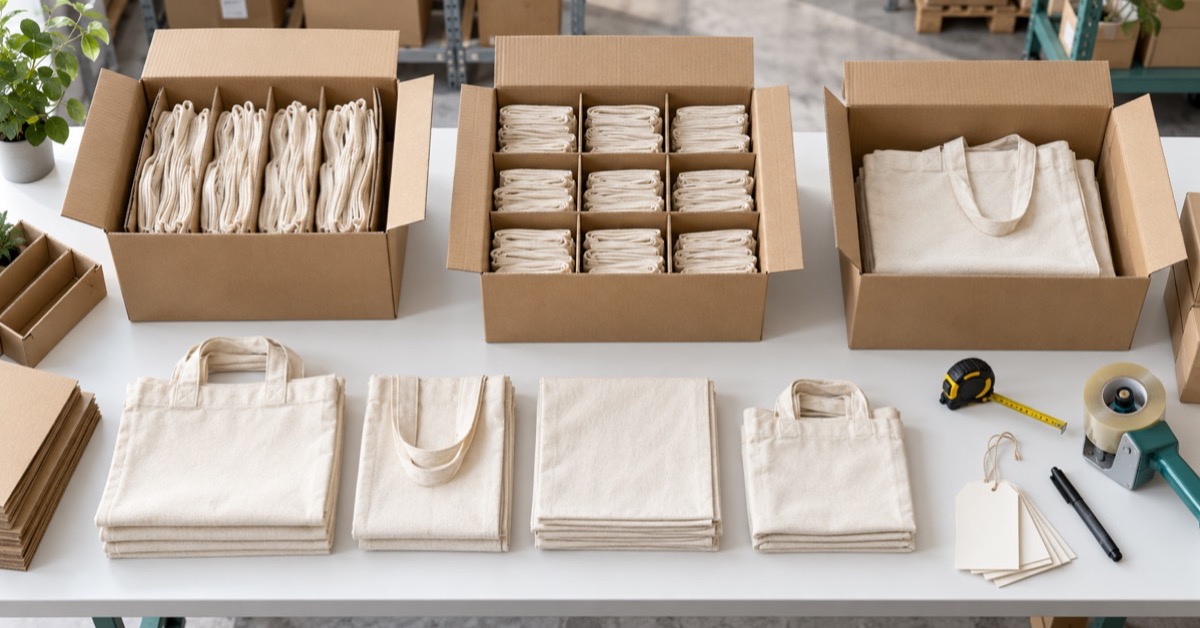
State dividers, inner packs, SKU marks, carton dimensions, weight, cube and pallet arrangement.
Pack a mixed-order simulation and check pick speed, count accuracy and protection. This prevents cartons that are difficult to identify or split and leaves a usable record for the next quotation or repeat order.
Normalize the unit economics
Separate tooling, setup, running cost, packing, storage, freight, minimums and changeover by SKU.
Compare a core-plus-options model with an all-custom model at realistic order mixes. This prevents a low unit price hiding high fixed or obsolete cost and leaves a usable record for the next quotation or repeat order.
Create a replenishment signal
Define reorder point, forecast window, safety stock, approval owner and the data that triggers a run.
Test a fast-moving and slow-moving SKU against available capacity and lead time. This prevents stockouts and overstock being managed by guesswork and leaves a usable record for the next quotation or repeat order.
Inspect variants, not just totals
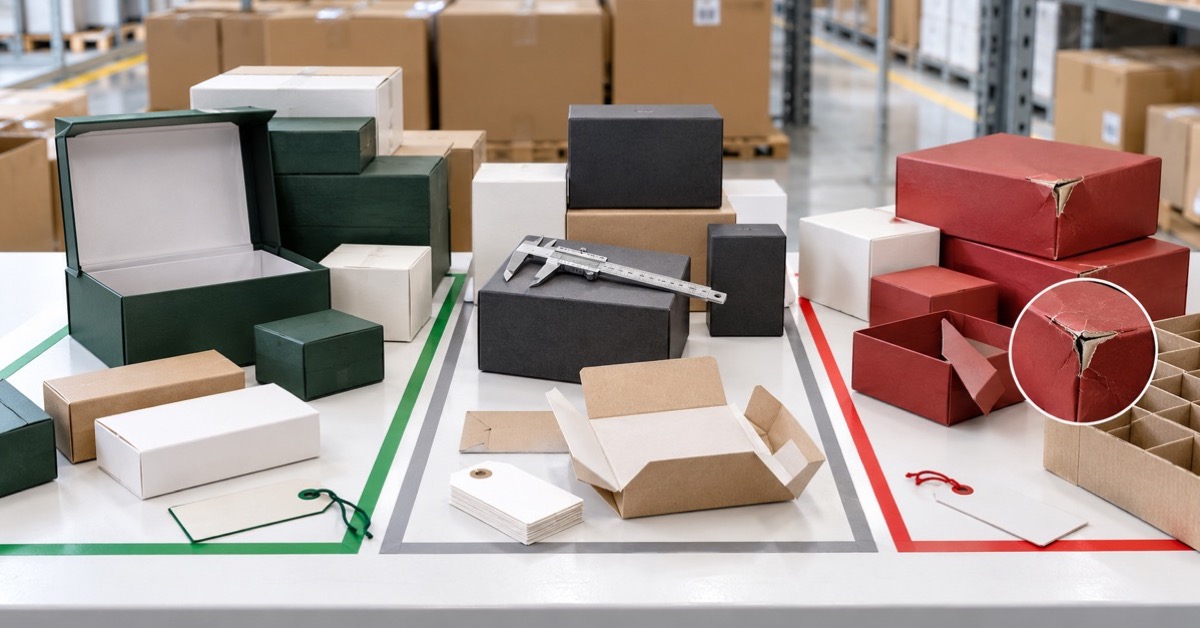
Check material, dimensions, artwork, labels, quantity, carton marks and separation for each version.
Sample cartons from different production points and reconcile the SKU count. This prevents a correct total hiding one wrong variant and leaves a usable record for the next quotation or repeat order.
Prepare customer-facing evidence
Keep approved photos, samples, specifications, application notes, care guidance and lead-time assumptions.
Give sales and distributors the same reference used by procurement and quality. This prevents sales materials promising a different product and leaves a usable record for the next quotation or repeat order.
Plan seasonal changes
Identify dates, artwork cutoffs, old-stock disposition, reserve quantity and the changeover rule.
Run a calendar review before peak season and freeze the first wave early. This prevents seasonal packaging arriving after the campaign and leaves a usable record for the next quotation or repeat order.
Close the assortment loop
Review sell-through, damage, complaints, picking errors, repeat timing and obsolete stock after shipment.
Use the evidence to simplify, expand or retire a variant before the next quotation. This prevents the range growing without learning from operations and leaves a usable record for the next quotation or repeat order.
A wholesale packaging system in five layers
| Layer | Decision | Control |
|---|---|---|
| Range | Which SKUs? | Assortment map |
| Design | What is common? | Master artwork |
| Pack | How are units grouped? | Carton trial |
| Stock | When to reorder? | Signal and owner |
| Review | What changes? | Sell-through record |
Compare core, configurable and bespoke options
| Model | Benefit | Risk | Best control |
|---|---|---|---|
| Core | Lower stock | Less differentiation | Shared dimensions |
| Configurable | Flexible | Version errors | Locked master |
| Bespoke | Strong fit | Minimums | Demand gate |
| Mixed | Range balance | Planning effort | SKU scorecard |
Use packaging and quality references as boundaries
Circularity and quality principles can inform material and process conversations, while wholesaler demand, warehouse handling and customer evidence decide the final system. Review EPA materials management hierarchy and ISO quality management principles for context, then apply the limits to the actual PackMK brief, sample and destination.
Make custom packaging for wholesalers easier to reorder
For custom packaging for wholesalers, record SKU architecture, assortment, pack size, artwork version, inventory exposure, carton mark, reorder point, quality standard, mixed shipment, sales channel. The same file identifies PackMK, wholesaler, SKU, MOQ, carton, OEM, ODM, FIFO, so a search phrase becomes a set of fields that can be quoted, sampled and inspected.
Buyers should also mark what cannot change without approval: the active material reference, finished dimensions, artwork version, packing count and the acceptance method. Those boundaries give a supplier room to plan while protecting the result that the customer actually ordered.
Ask each quotation to return assumptions in writing. A short note about a substitute, tolerance, lead time, minimum or excluded service is more useful than a broad promise because it tells procurement what must be verified in the next sample or cost comparison.
Use the first shipment as evidence for the next one. Record which checks predicted the receiving result, which observation surprised the team and which field should be tightened. PackMK can convert that learning into an update to the brief rather than leaving it as an isolated complaint.
This buyer-question method keeps custom packaging for wholesalers practical: a decision has an owner, a physical or written reference, a defined tradeoff and a recovery path. It also gives sales, sourcing, quality and warehouse teams one consistent story when a repeat order is discussed.
Before approval, ask whether the evidence reflects the intended quantity, variant mix and delivery route. A small sample can answer fit or appearance, but it cannot automatically prove run consistency, carton protection or receiving speed. Mark those open questions and assign the next check so the project moves forward with a known level of confidence.
That final note keeps the decision usable for the whole team.
Plan custom packaging for wholesalers with PackMK
PackMK can develop custom packaging for wholesalers from buyer brief through sample approval, production checks and export packing. Send the intended use, size, artwork, quantity, variants, destination and deadline to request a structured quotation for custom packaging for wholesalers.
- Explore PackMK wholesale packaging formats
- Review PackMK OEM and ODM support
- Request a custom packaging for wholesalers quotation
Custom packaging for wholesalers questions
What information is needed for custom packaging for wholesalers?
Provide product range, sizes, channels, customer versions, forecast, pack sizes, destination, artwork and replenishment timing.
Should every wholesale customer get a unique package?
Not always. A shared base with controlled variable fields can reduce minimums and inventory risk.
How are many artwork versions controlled?
Use codes, locked master elements, variable-field owners, proof approval and carton-level version marks.
How can mixed cartons be tested?
Simulate a real customer order and check picking, counting, protection, identification and split handling.
What is a useful reorder signal?
Combine demand rate, lead time, minimum quantity, safety stock, campaign date and a named approval owner.
How should unit cost be compared?
Separate fixed setup, running, packing, storage, freight, minimum and changeover cost by SKU.
Can common packaging serve different products?
Only after filled fit, protection, display and handling trials for the range extremes.
How are seasonal versions planned?
Set artwork cutoff, first-wave quantity, old-stock plan, reserve and changeover dates before the campaign.
What does variant inspection include?
Material, dimensions, artwork, labels, quantity, carton marks, separation and reconciliation for each version.
How does PackMK support wholesalers?
PackMK builds the assortment map, controls artwork and samples, plans cartons and keeps replenishment evidence.