


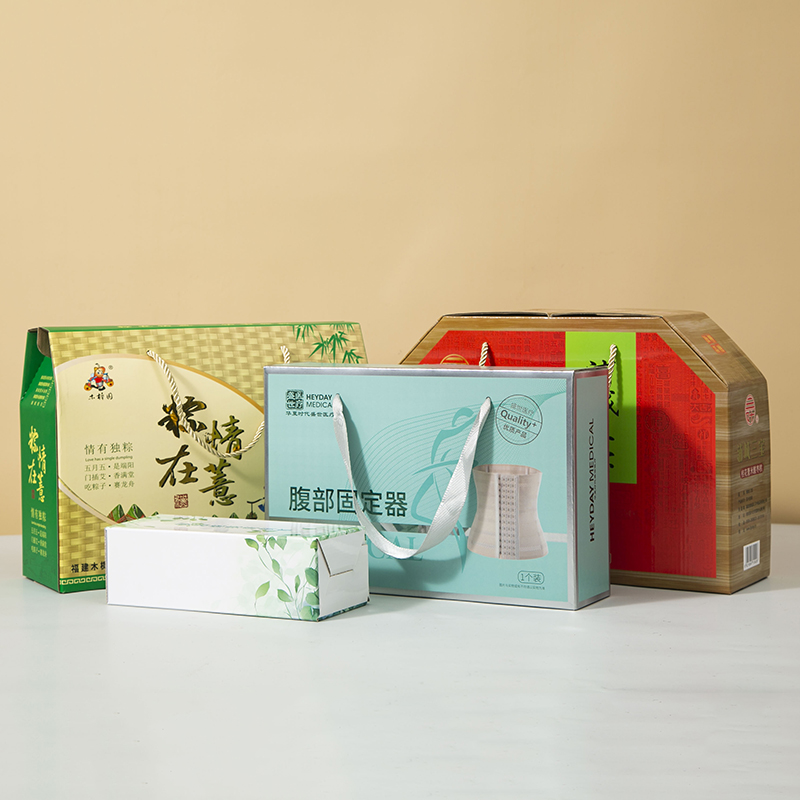
The best custom packaging for small business does not begin with every component fully customized. It begins with a controlled system that protects the product, supports fulfillment and can become more distinctive as order patterns become clearer.
Stage 1: launch with the fewest committed components
Use proven structures and concentrate customization on the element customers see first, such as a label, sleeve, card or printed bag. Keep sizes shared across products when possible. This reduces inventory exposure while the business learns which SKUs and channels will last.
Stage 2: standardize the products that earn repeat demand
After several sales cycles, record the actual folded dimensions, damage issues, packing time and customer feedback for top SKUs. Replace temporary decisions with a written specification and approved sample. Avoid redesigning slow products simply because the best seller is ready to scale.
Stage 3: add custom structure where it removes real friction
A custom insert, box or bag should solve a measurable problem: excess void, product movement, slow packing, weak presentation or poor retail display. Prototype the change and compare total packed cost, not only the new component price.
| Stage | Primary goal | Typical packaging move | Decision evidence |
|---|---|---|---|
| Launch | Validate product and channel | Standard structure plus custom label or card | Orders, returns and packing observations |
| Standardize | Make repeat orders predictable | Written size, material, artwork and carton spec | Stable SKU volume and approved sample |
| Scale | Improve cost or experience | Custom structure, print or coordinated system | Forecast, cash plan and process trial |
Measure cash tied up by SKU and component
A low unit price can create expensive inventory when one printed item serves only one slow SKU. Calculate the value and storage space of labels, boxes, bags and inserts by version. Shared components can protect cash even when their individual price is slightly higher.
Include packing labor in the design decision
Time ten normal orders. Note folding, taping, label placement, inserts and rework. A structure that saves thirty seconds per order may be more valuable than a small unit-price reduction, especially during a launch or seasonal peak.
Build a reorder trigger before stock becomes urgent
Record normal usage, supplier lead time, approval time and a realistic buffer. Review the trigger when sales mix changes. The EPA materials management hierarchy provides useful context for considering reduction and reuse before disposal.
Keep brand flexibility inside the system
Use stable core packaging with changeable labels, cards, tissue or sleeves for campaigns. This allows custom packaging for small business to look current without leaving obsolete seasonal boxes or bags in storage.
Practical custom packaging for small business grows in stages: validate first, standardize what works and customize structures only when the operational and commercial evidence is ready.
Small business packaging questions
How should a small business start custom packaging?
Start with proven structures and customize a limited number of visible components while product demand and fulfillment needs are still being tested.
When is a fully custom box worth considering?
Consider it when stable volume and testing show that a custom structure improves protection, packing speed, shipping efficiency or customer presentation.
How can a small business avoid obsolete packaging?
Share sizes across SKUs, keep core artwork stable and use replaceable labels, cards or sleeves for changing campaigns.
What should be saved for packaging reorders?
Keep the approved sample, dimensions, material, artwork revision, packing method, carton details, lead time and order history.