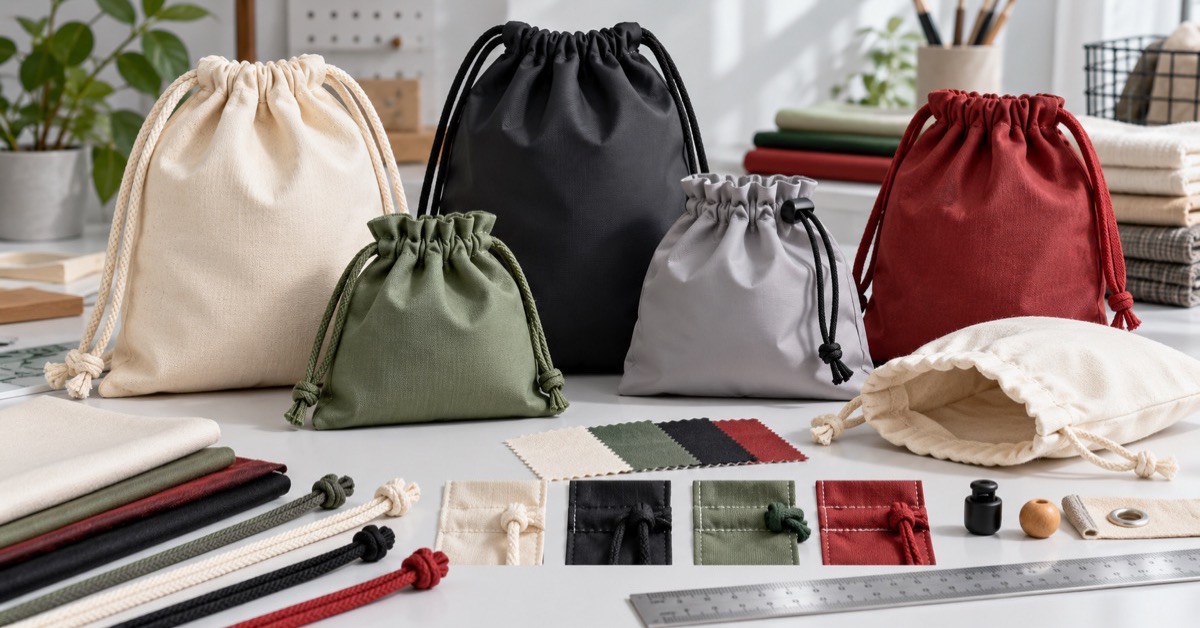


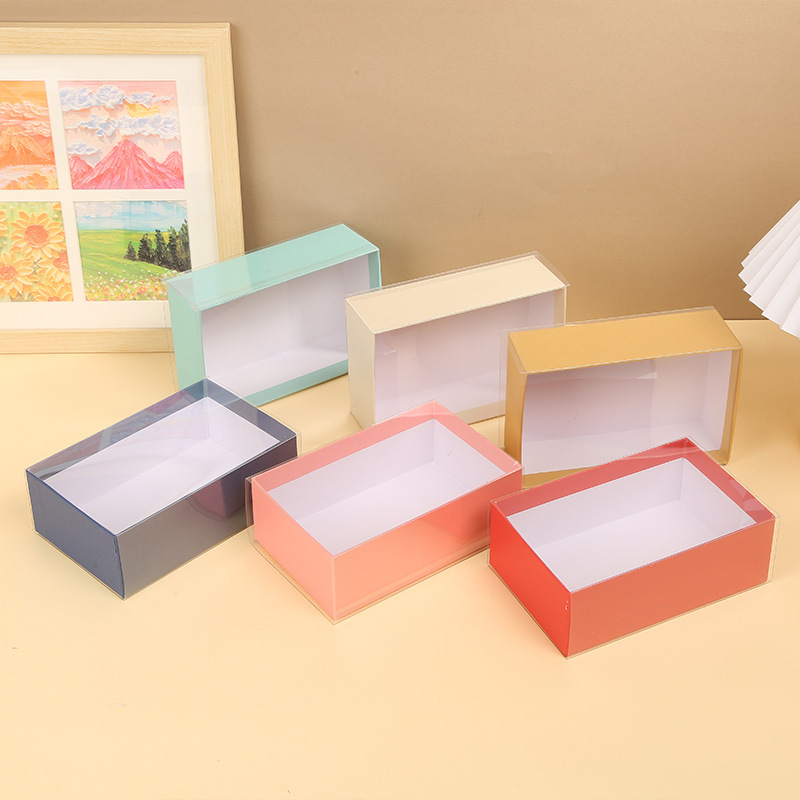
PackMK designs custom packaging for retailers as an operating system connecting product protection, shelf presentation, checkout speed, store allocation and repeat ordering. A package that looks good but slows staff or fragments inventory is incomplete.
Map every point where packaging enters the retail journey
List receiving, backroom storage, shelf display, gift wrapping, checkout, ecommerce fulfillment and customer returns. The same product may need different outer components at each point while retaining one brand system.
Create a retail packaging ladder
| Level | Role | Control point |
|---|---|---|
| Product label | Identity and required information | SKU version |
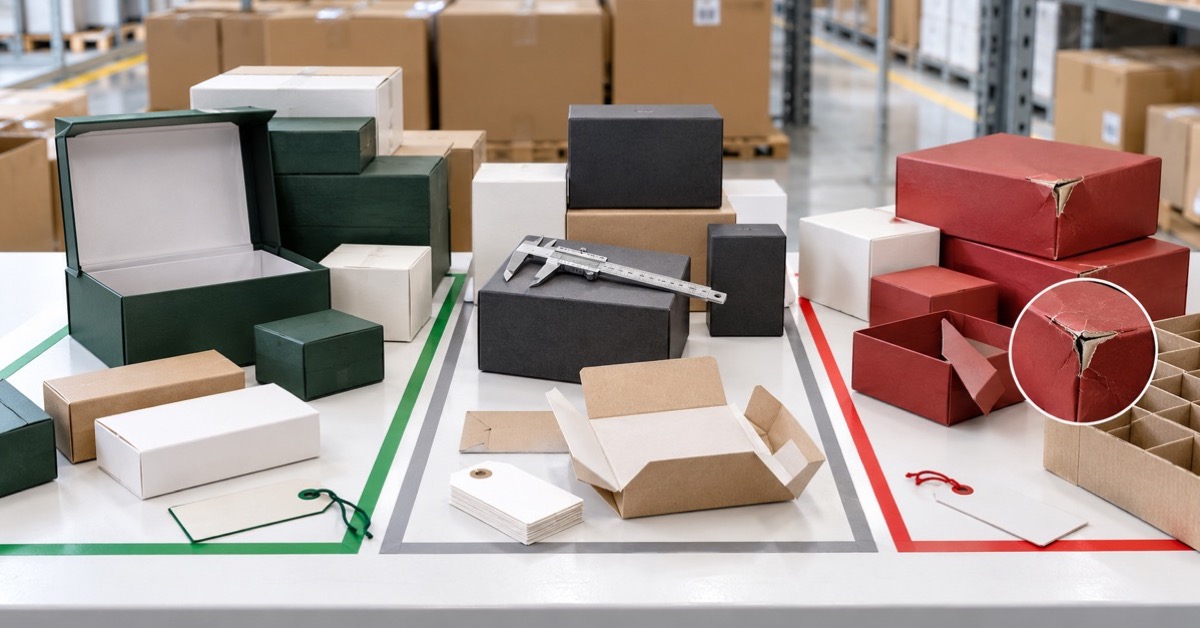
| Primary box or pouch | Fit and presentation | Product specification |
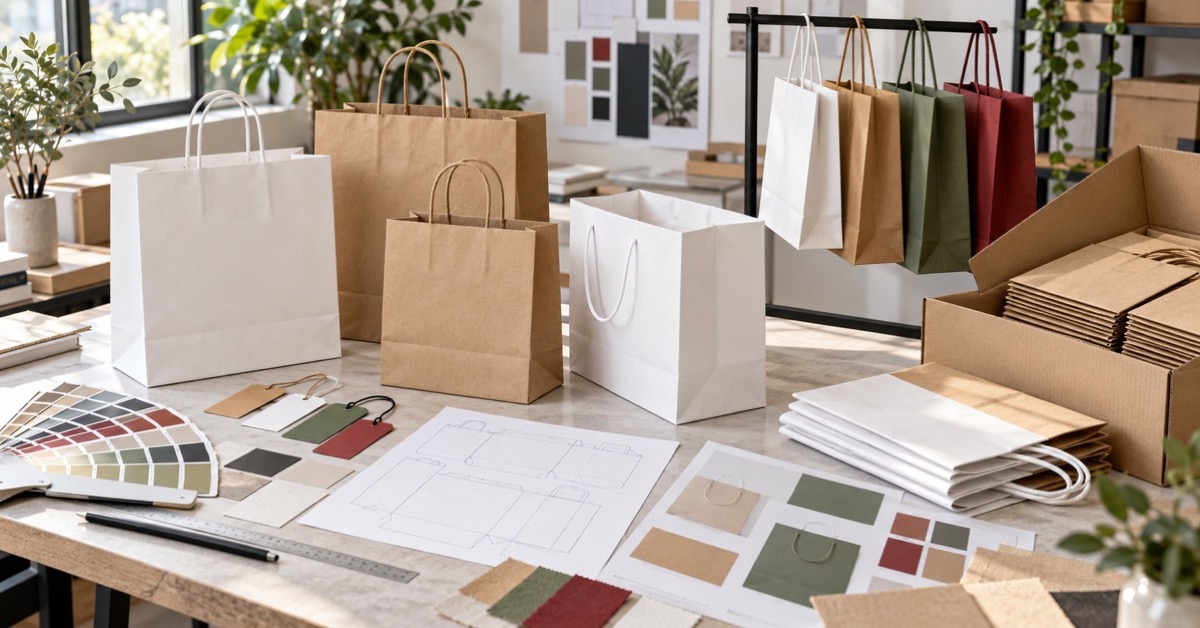
| Shopping bag | Checkout and carrying | Size and load |
| Gift layer | Optional presentation | Seasonal inventory |
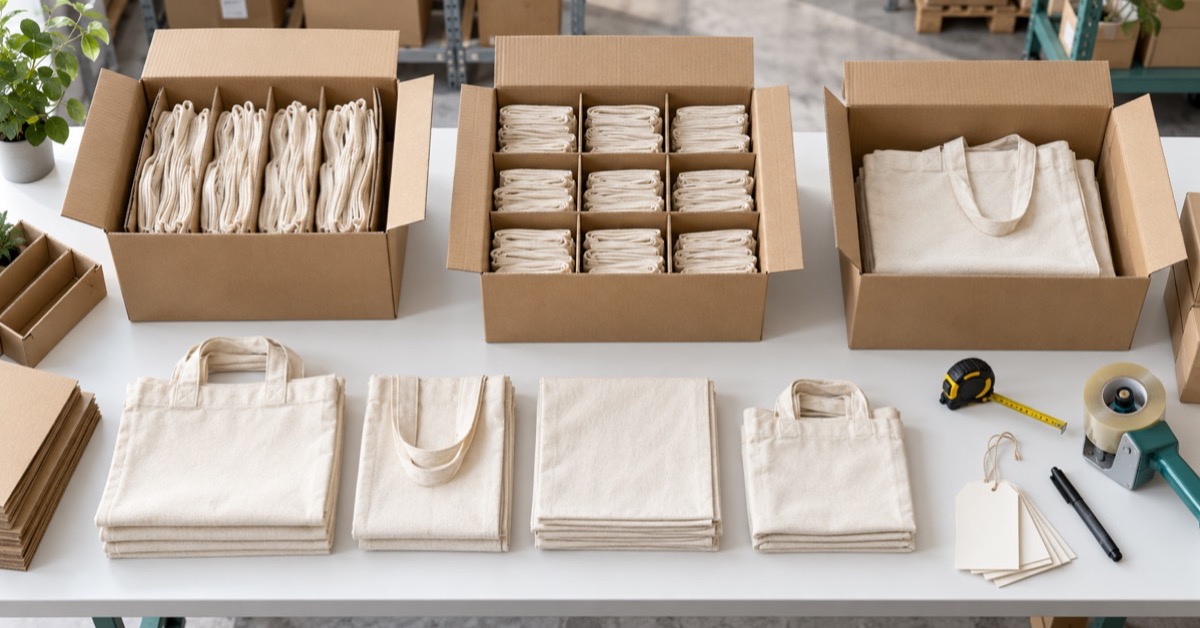
| Shipping protection | Ecommerce handling | Channel packing rule |
Use product families instead of one package per SKU
Group products by size, fragility and handling needs. A small number of shared structures can reduce minimum quantities and simplify storage. Use labels, sleeves or inserts to manage variants.
Test the checkout workflow at normal speed
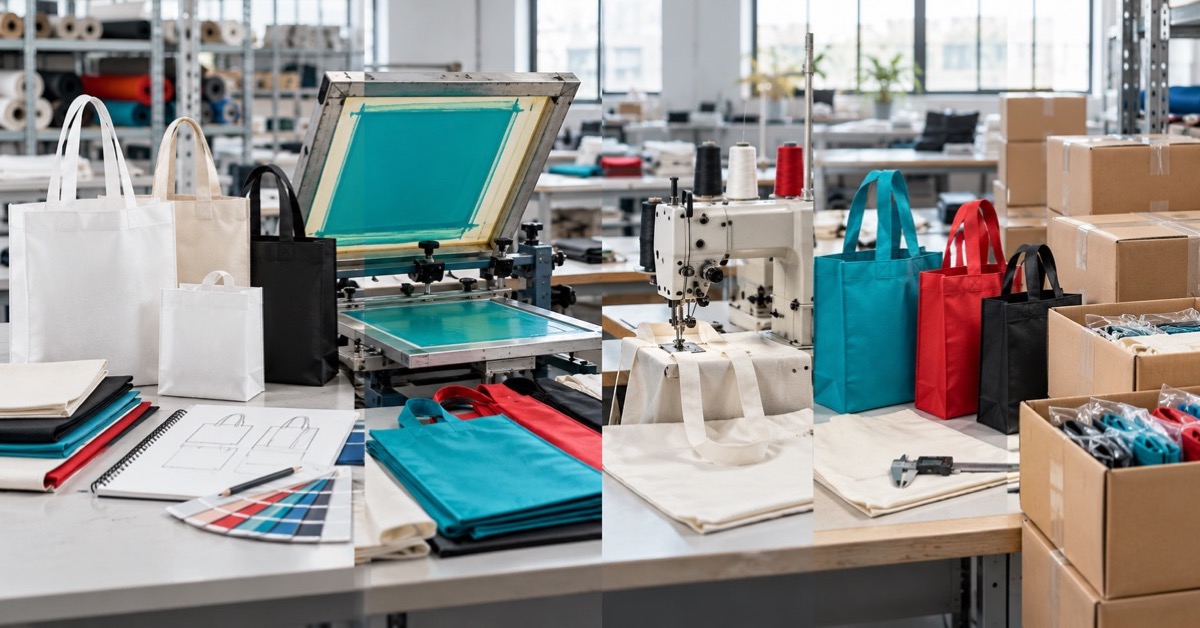
Observe how staff select, assemble, fill and close packaging. Place components in use order and check whether receipts, labels or gift messages can be added quickly without damaging presentation.
Separate permanent branding from campaigns
Stable bags and boxes can use replaceable seasonal cards, labels or tissue. This allows custom packaging for retailers to change without leaving large quantities of dated inventory.
Plan retail and ecommerce protection independently
Store purchases and shipped orders face different handling. Keep the branded core consistent while adding channel-specific sealing, cushioning or outer protection. Document each packing bill by channel.
Allocate packaging by store demand
Track sales, remaining stock, campaign dates and lead times by location. Cartons should identify size, version, quantity and destination. Mixed store requirements may justify pre-sorted deliveries.
Use practical reduction and reuse decisions
The EPA materials management hierarchy provides broad context. PackMK focuses on useful sizes, controlled stock and accurate claims rather than decorative sustainability language.
Build a replenishment trigger for every component
Set minimum stock, reorder quantity, supplier lead time and authorized artwork for each component. Review slow-moving seasonal stock separately from permanent packaging.
Coordinate retail packaging through PackMK
PackMK can combine bags, boxes, labels and printed inserts into custom packaging for retailers. The best system supports brand recognition while remaining easy to store, use, allocate and reorder across changing store demand.
- Explore PackMK retail packaging formats
- Review PackMK packaging development
- Plan a retail packaging system
Retail packaging questions
How many packaging sizes should a retailer carry?
Use the smallest practical family that covers most products, then add a size only when repeated sales data shows a clear gap.
Can store and ecommerce packaging share components?
Yes. The branded core can be shared while ecommerce receives additional sealing, cushioning or shipping protection.
How can seasonal packaging avoid obsolete stock?
Keep core structures permanent and use controlled labels, cards, sleeves or tissue for dated campaign messages.
What information supports retail packaging reorders?
Track component stock, store demand, approved artwork, size specifications, campaign expiry, carton quantity and lead time.