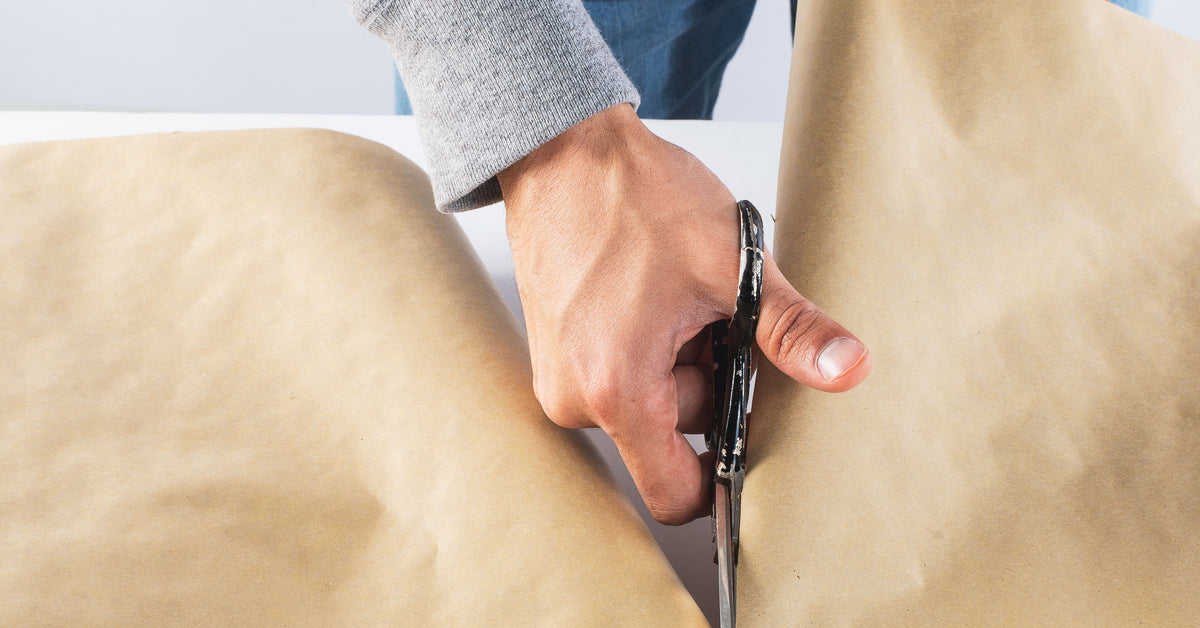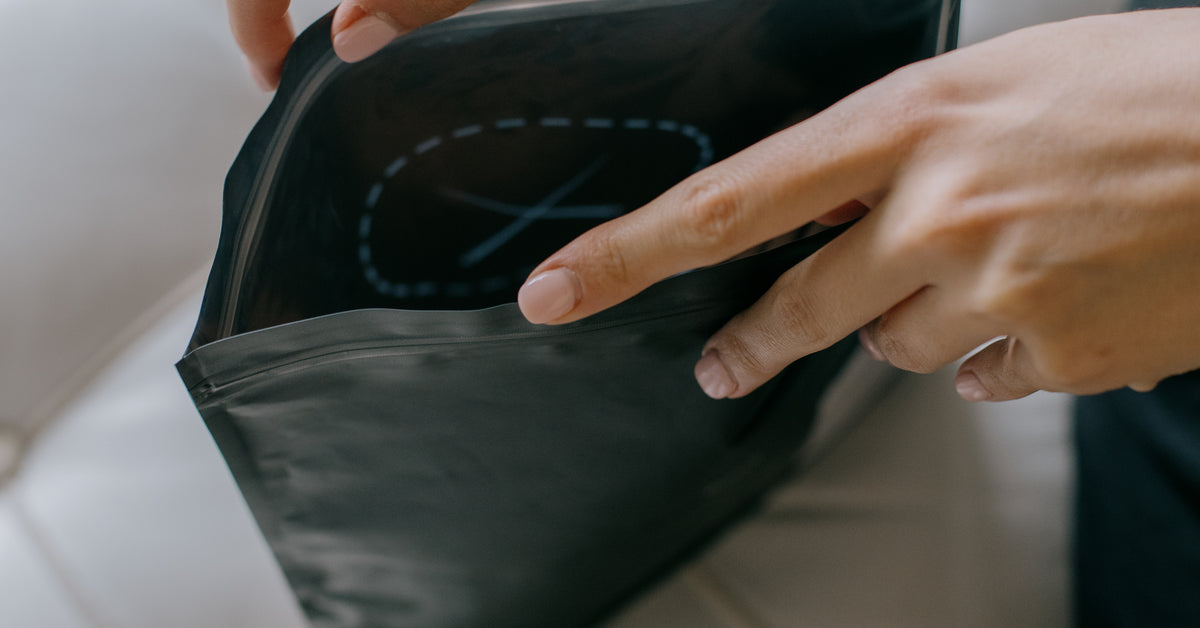


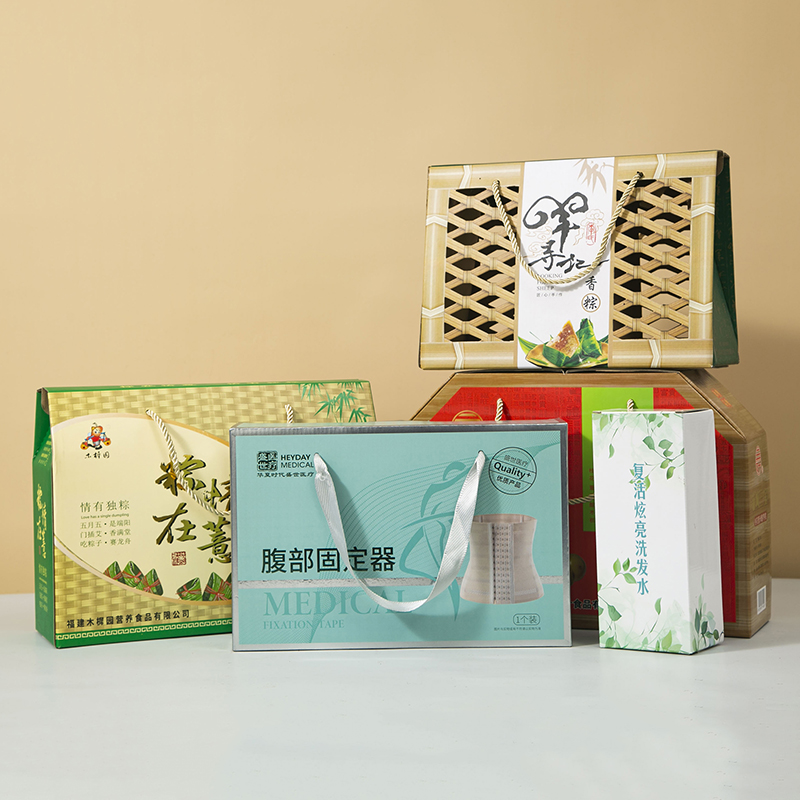
A fashion collection can include folded garments, delicate accessories, retail purchases and ecommerce orders. Designing a separate package for every SKU creates high minimums and difficult reorders. Practical custom packaging for fashion brands uses a small family of structures with flexible branding layers.
Start with product families rather than individual SKUs
Group products by folded dimensions, protection needs and sales channel. One garment bag may serve several sizes, while jewelry or rigid accessories need a separate structure. A family map shows where shared packaging is realistic.
| Product family | Base package | Flexible brand layer |
|---|---|---|
| Folded apparel | Protective bag or sleeve | SKU label and tissue sticker |
| Small accessories | Compact box or pouch | Insert card or belly band |
| Retail purchase | Shopping bag | Seasonal tissue and tag |
| Ecommerce order | Protective mailer or carton | Branded inner packaging |
| Gift presentation | Reusable bag or rigid box | Ribbon, card or campaign sleeve |
Separate permanent branding from seasonal artwork
Keep the logo, core colors and structural dimensions stable. Put collection names, campaign graphics and promotional messages on labels, sleeves, cards or tissue. This reduces obsolete stock when a season changes.
Test the package against fabric and finish risks
Dark garments may transfer color, embellished products can snag and delicate fabrics can crease. Pack production-equivalent items and store them under realistic pressure. Check tissue, closures and interior surfaces after removal.
Let retail and ecommerce share what they can
The inner garment bag, label and care card may be common across channels even when the outer carrier differs. Shared components simplify purchasing and preserve the brand experience without forcing one package to solve every shipping problem.
Build size logic that staff can follow
Name packaging sizes clearly and map them to product groups. Avoid two bags that look identical but differ slightly. Fulfillment and store teams should select the correct format without measuring each order.
Document material and sourcing claims
If the system uses certified forest-based paper, the FSC chain-of-custody overview explains how verified material is tracked. Confirm that claims and marks apply to the actual supply chain and order.
Plan the reorder before launching the collection
Record artwork versions, dimensions, materials, finishes, carton quantities and the SKUs assigned to each package. Track stock by component. A stable base bag with a new seasonal label should not require rebuilding the entire specification.
- Explore PackMK packaging categories
- Review PackMK OEM and ODM development
- Discuss a fashion packaging system
Effective custom packaging for fashion brands feels consistent across products and channels while remaining flexible enough for seasons, collections and repeat orders.
Fashion packaging questions
What packaging do fashion brands need?
The system may include garment bags, boxes, shopping bags, labels, tissue and shipping protection based on products and channels.
Can several fashion SKUs share one package size?
Yes, when their folded dimensions and protection needs are compatible. Test the smallest and largest items in the group.
How can seasonal packaging waste be reduced?
Keep structures and core branding stable while using labels, sleeves, cards or tissue for changing campaign artwork.
What should be saved for repeat fashion packaging orders?
Keep approved samples, artwork revisions, dimensions, materials, finishes, SKU maps, carton packing and inspection criteria.