

Choosing between folding, collapsible and rigid custom packaging boxes is partly a logistics decision. PackMK compares how each format moves through supplier packing, freight, warehouse storage, assembly, product loading and the customer's opening experience.
A rigid box may simplify retail presentation but consume more freight volume. A flat format may ship efficiently but move labor to the fulfillment location. The right answer depends on where cost, space and quality risk sit in the full workflow.
Begin with the point where the box becomes three-dimensional
Identify whether the supplier, co-packer, warehouse, store or customer forms the box. That location determines labor rate, training, space, equipment and quality responsibility. A flat box is not operationally free; its assembly work happens later.
Film several assemblies and record time, tools, adhesive, locking tabs and common mistakes before approving the structure.
Use rigid boxes when presentation must arrive ready
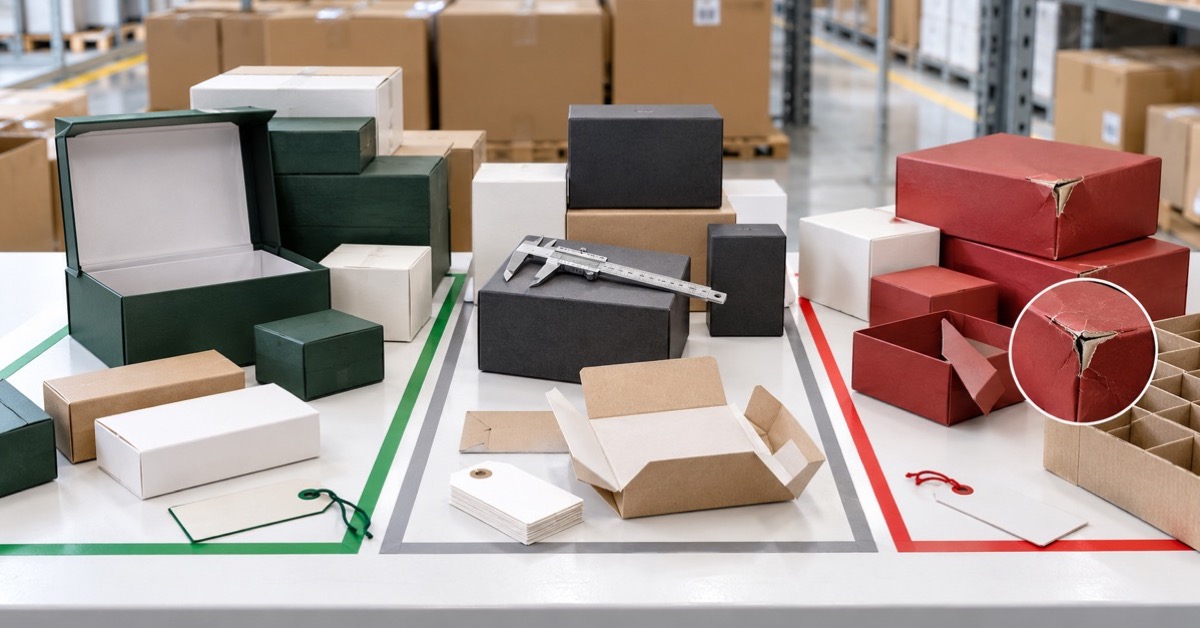
Rigid setup boxes can deliver stable geometry, strong edge definition and a controlled opening experience. They may suit premium sets or products packed at a central location. Their main logistics tradeoff is cube because they usually travel in finished form.
Review nesting limits, surface protection and pieces per carton. Empty internal volume can become expensive across a large shipment.
Use folding cartons when efficient transport matters
Folding cartons can ship flat and assemble near the packing line. Board, grain, crease, glue and locking design influence forming speed and appearance. The structure must still support the product and distribution route.
Test repeated opening if the customer will reuse the carton. Thin panels or difficult locks can weaken after initial packing.
Use collapsible rigid formats with an assembly plan
Collapsible boxes can combine a premium appearance with reduced shipping volume, but hinges, tape, magnets and folding panels add controls. Check squareness after assembly and whether operators apply consistent pressure.
Compare the actual cube reduction with added materials, labor and defect risk. A complex collapsible design should solve a measurable logistics problem.
Let product risk set the minimum structure
Map crush, vibration, abrasion, movement, puncture, moisture and tampering risks. The retail box may need help from an insert, shipping carton or cushioning. Do not make the decorative box carry every transport load if an outer package can do that job more efficiently.
Test the product, insert, retail box and shipper as one system.
Compare box formats across the logistics chain
| Format | Shipping state | Assembly owner | Space profile | Primary control |
|---|---|---|---|---|
| Rigid setup | Assembled | Supplier | High cube | Surface protection |
| Folding carton | Flat | Packing site | Low cube | Forming method |
| Collapsible rigid | Collapsed | Packing site | Medium cube | Hinge and squareness |
| Sleeve and tray | Mixed | Supplier or packer | Medium cube | Component match |
| Corrugated mailer | Flat | Fulfillment | Efficient | Closure and transit |
Calculate usable internal dimensions
Board thickness, folds, liners and inserts reduce internal space. Measure the final product with accessories and tolerances, then verify fit in a production-equivalent sample. Avoid sizing from nominal outside dimensions.
Allow a practical loading route. A product can fit after forceful manipulation and still be unsuitable for an efficient packing line.
Design the insert for both retention and removal
Paperboard, corrugated, molded pulp, foam and fabric-covered inserts have different logistics and presentation effects. Check product movement during handling and the customer's ability to remove it without damage.
Number compartments or add visual cues when packers handle several accessories. An insert should prevent omissions as well as hold the product.
Keep artwork clear of structural stress
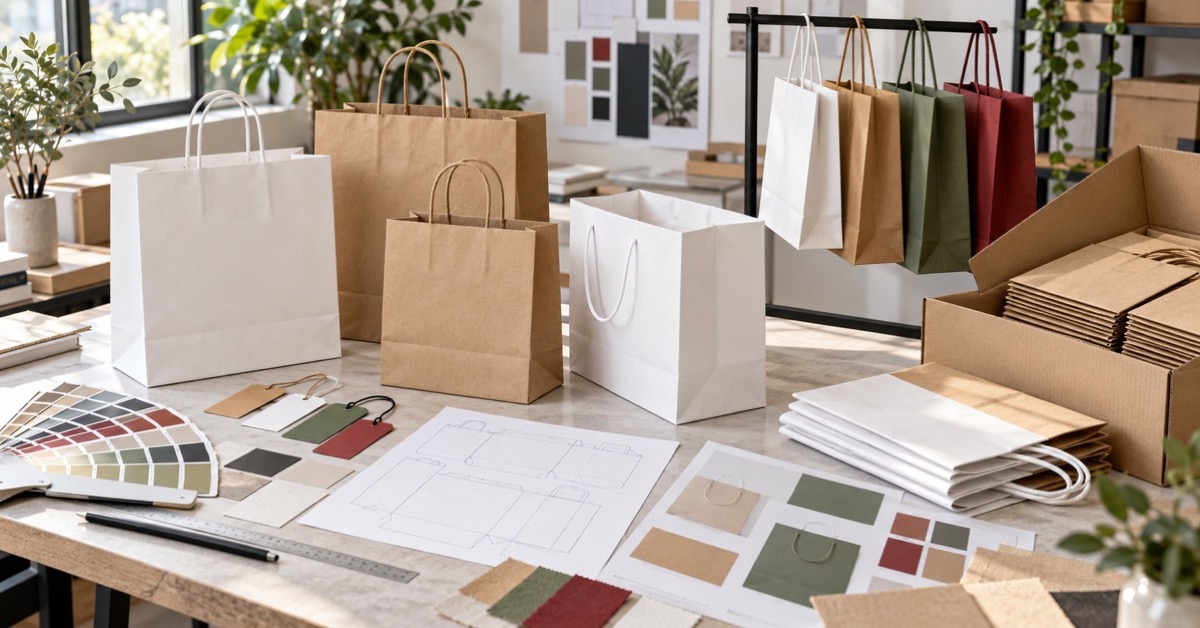
Mark cuts, creases, glue areas, folds, corners and insert contact on the dieline. Place critical text and fine decoration away from areas likely to crack or rub. Review artwork at actual size on the final material.
Assign a revision code to the dieline and artwork together so a graphic update does not accidentally use an outdated structure.
Approve printing and finishes after conversion
Color, lamination, foil, embossing and coatings should be inspected on a formed box, not only a flat printed sheet. Corners and creases reveal cracking, lifting and registration issues. Define acceptable position for critical finishes.
For paper sourcing claims, review supplier scope and documentation using the FSC chain-of-custody overview.
Measure assembly labor as part of unit cost
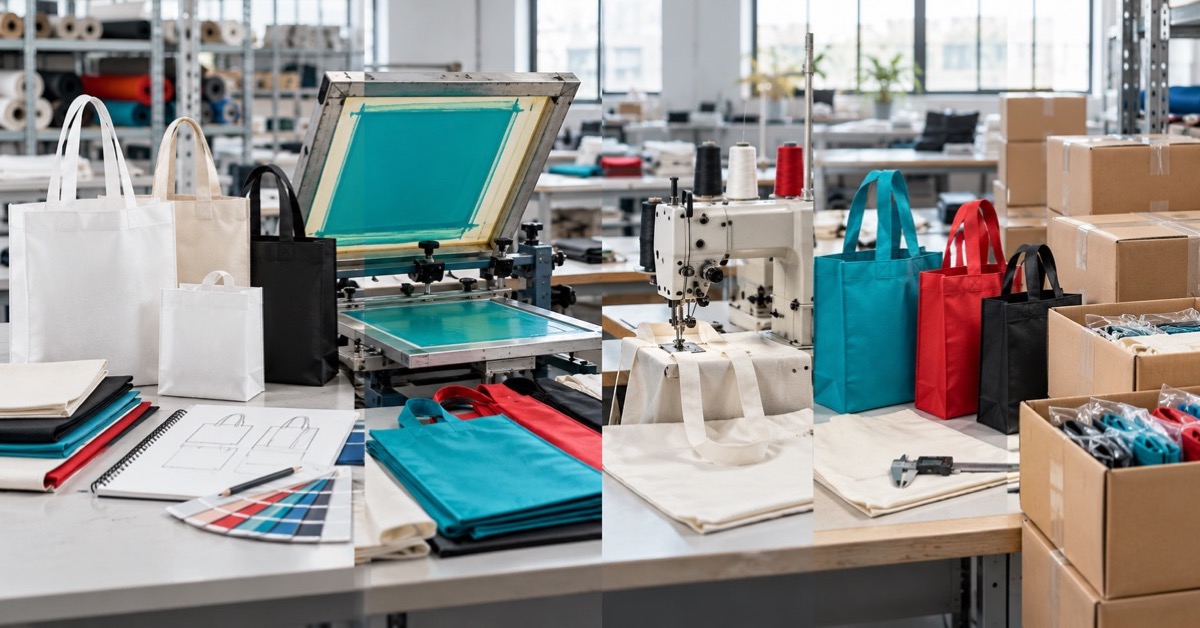
Record average assembly time, training, tools, consumables, work-in-progress space and rework. Compare these costs with the freight and storage savings of flat packing. Use the actual fulfillment location rather than a generic labor estimate.
Include cleaning and protective-film removal if those steps are needed before product loading.
Model warehouse space before placing the order
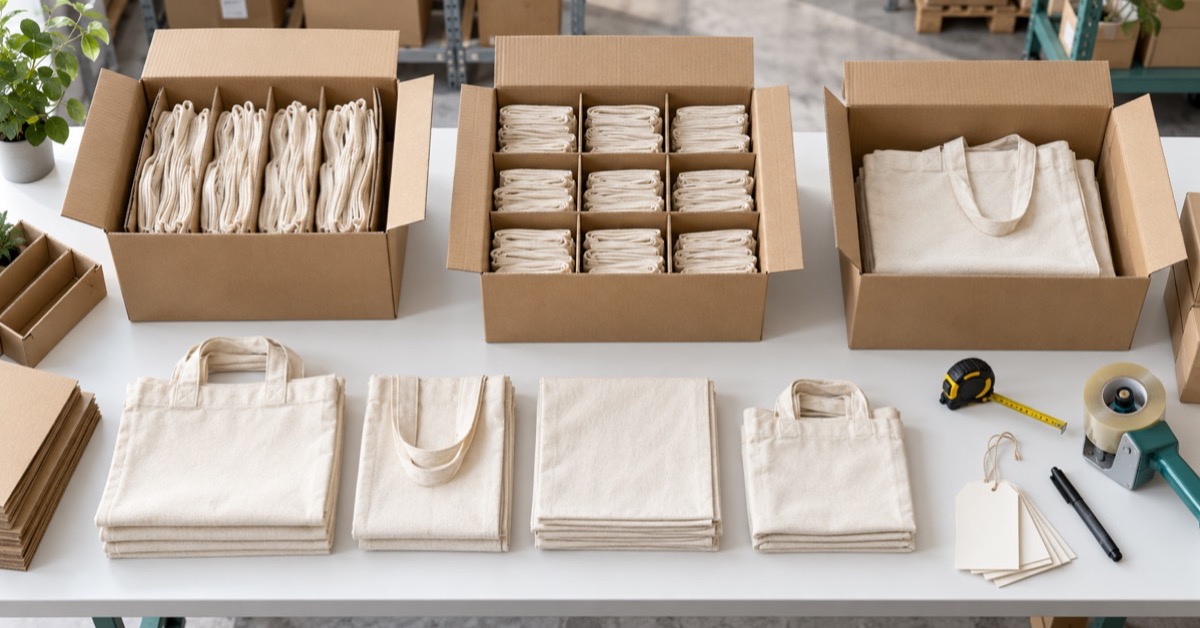
Request supplier carton dimensions, gross weight and pieces per carton for each proposed format. Estimate pallet positions, shelf use and the amount of work-in-progress created during assembly. Check whether cartons can stack safely.
Large MOQ savings can disappear when boxes occupy expensive space or become damaged during long storage.
Run a packed carton and parcel trial
Pack production-equivalent boxes in the proposed inner protection and export cartons. Simulate handling appropriate to the route, then inspect corners, surfaces, closures, inserts and products. Test both top and bottom layers.
The trial should verify recovery after unpacking for flat or collapsible formats and presentation for assembled rigid boxes.
Inspect the complete logistics promise
Check material, dimensions, structure, print, finishes, assembly, insert fit, product loading, quantity and carton packing. The ISO quality management principles offer process context, but acceptance points must match the specific order.
Sample across cartons and production periods rather than approving only selected top pieces.
Normalize quotes with landed workflow costs
Compare tooling, samples, unit production, assembly location, inserts, inner protection, carton cube, freight, storage, packing labor and defect risk. List one-time and recurring charges separately.
Ask suppliers to quote the same product fit and artwork. A cheaper structure is not comparable if it transfers unpriced assembly or protection work to the buyer.
Use a pilot to expose operational bottlenecks
Run a limited quantity through receiving, storage, assembly, loading, sealing and shipping. Record time, damage, missing components and operator feedback. Inspect customer-ready packs rather than only empty boxes.
The pilot is especially valuable when multiple warehouses or co-packers will assemble the same design.
Preserve the approved logistics baseline
Keep the dieline, paperboard or corrugated board specification, insert drawing, artwork, formed sample, assembly instruction, carton test, pallet plan and inspection criteria. State MOQ by version and retain authorized change records.
These records make repeat order comparisons for custom packaging boxes objective.
Build custom packaging boxes with PackMK
PackMK can develop custom packaging boxes across folding, rigid, collapsible and shipping-ready formats. The process can connect product fit, printing, inserts, assembly, inspection and export packing.
Send PackMK the product, distribution route, assembly location, artwork, quantity and destination to request comparable format options and a quotation.
Write the logistics vocabulary into the brief
For custom packaging boxes, state flat packing or rigid box, assembly labor owner, product protection, freight volume, warehouse storage, insert fit, printing proof, carton test and repeat order controls. Include the dieline, MOQ and pallet assumptions.
This detail lets suppliers quote equivalent custom packaging boxes rather than different interpretations.
Choose with a balanced scorecard
| Decision area | Rigid | Folding | Collapsible | Question |
|---|---|---|---|---|
| Presentation | High | Configurable | High | What must arrive ready? |
| Freight cube | High | Low | Medium | Where is volume costly? |
| Assembly | Low at buyer | Higher | Medium | Who forms the box? |
| Storage | High | Low | Medium | How much space exists? |
| Control risk | Surface | Forming | Hinge | Which defect is most costly? |
- Explore PackMK packaging box formats
- Review PackMK box structure development support
- Request a custom packaging box quotation
Custom packaging box logistics questions
Should custom packaging boxes ship flat or assembled?
Choose according to structure, freight volume, warehouse space, assembly labor, presentation and quality risk. Test both logistics cost and the final customer-ready result.
What product information is needed for a box quote?
Provide final dimensions and weight, accessories, protection risks, desired structure, artwork, inserts, quantity, assembly location, packing route, destination and timing.
How are internal box dimensions calculated?
Account for board thickness, folds, liners, inserts and product tolerances, then verify usable space and the loading route with a production-equivalent sample.
When is a rigid box appropriate?
Rigid boxes can suit premium presentation and centralized packing when the opening experience justifies their assembled freight and storage volume.
What is a collapsible rigid box?
It is a structured box designed to fold down for transport and be assembled later, requiring controls for hinges, adhesive, magnets, squareness and operator method.
How should a box insert be approved?
Load the final product and accessories, simulate transport, inspect retention and scuffing, and confirm the customer can remove every component comfortably.
What should a box assembly trial measure?
Measure time, tools, consumables, training, work space, common errors, rework, finished squareness and consistency across several operators.
How are packaging boxes inspected?
Inspect materials, dimensions, structure, print, finishes, folds, glue, insert fit, assembly, product loading, quantities, protection and cartons against approved evidence.
What records support a repeat box order?
Keep the approved sample, dieline, material specification, insert drawing, artwork, finishes, assembly guide, tests, inspection criteria and carton or pallet plan.
How can PackMK compare box formats?
PackMK can develop production-equivalent options and compare product fit, appearance, assembly, carton volume, inspection and total workflow requirements before quotation approval.