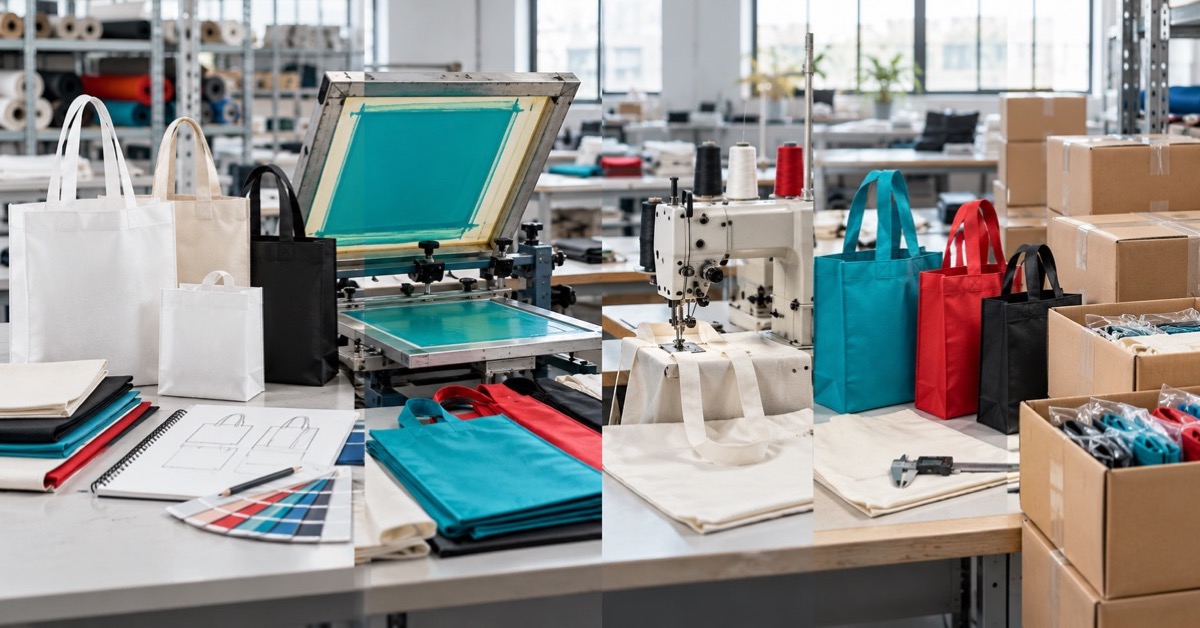



PackMK develops custom oxford cloth bags around expected load, handling frequency, surface feel and construction. The fabric name alone does not define performance; coating, seams, handles and shape must work as one system.
Start with the load path through the bag
Identify the heaviest contents and how they press against the base, side panels and handles. A flat document bag, equipment tote and retail kit distribute weight differently. Use the final contents during sample approval.
Specify fabric and coating by required behavior
| Requirement | Specification question | Sample check |
|---|---|---|
| Structured shape | What fabric and reinforcement hold the profile? | Filled standing test |
| Easy wiping | What surface treatment is proposed? | Cleaning trial |
| Repeated carrying | How are stress areas reinforced? | Loaded carry cycle |
| Lightweight use | Can unnecessary layers be removed? | Weight and hand-feel review |
| Outdoor handling | Which exposure limits should be stated? | Use-condition review |
Inspect seams where panels change direction
Corners, gussets and base joins concentrate stress. Check stitch spacing, binding, backstitching and exposed thread. A strong fabric cannot compensate for weak construction at the load path.
Test handles as part of the bag body
Confirm handle width, drop length, reinforcement and comfort. Load the bag and watch the attachment area for distortion. Shoulder and hand-carry versions may need different proportions.
Choose closures from access frequency
Zippers support containment, hook-and-loop closures allow faster access, and open totes simplify packing. Test whether the closure interferes with bulky contents and whether staff can use it at normal working speed.
Position printing on a stable surface
Coating, texture and seams affect logo reproduction. Keep fine text away from folds and high-friction zones. PackMK reviews artwork against the assembled bag before approving custom oxford cloth bags.
Define cleaning expectations without vague promises
State whether the surface needs light wiping, occasional cleaning or repeated commercial handling. Material guidance from the Textile Exchange materials resources can support broader sourcing discussions, but the actual bag still needs project-specific testing.
Run a loaded sample sequence
Pack the heaviest expected contents, carry the bag, set it down, open it and repeat. Inspect handle stretch, base sag, seam movement, closure alignment and print scuffing. Photograph the approved condition.
Control folding and carton recovery
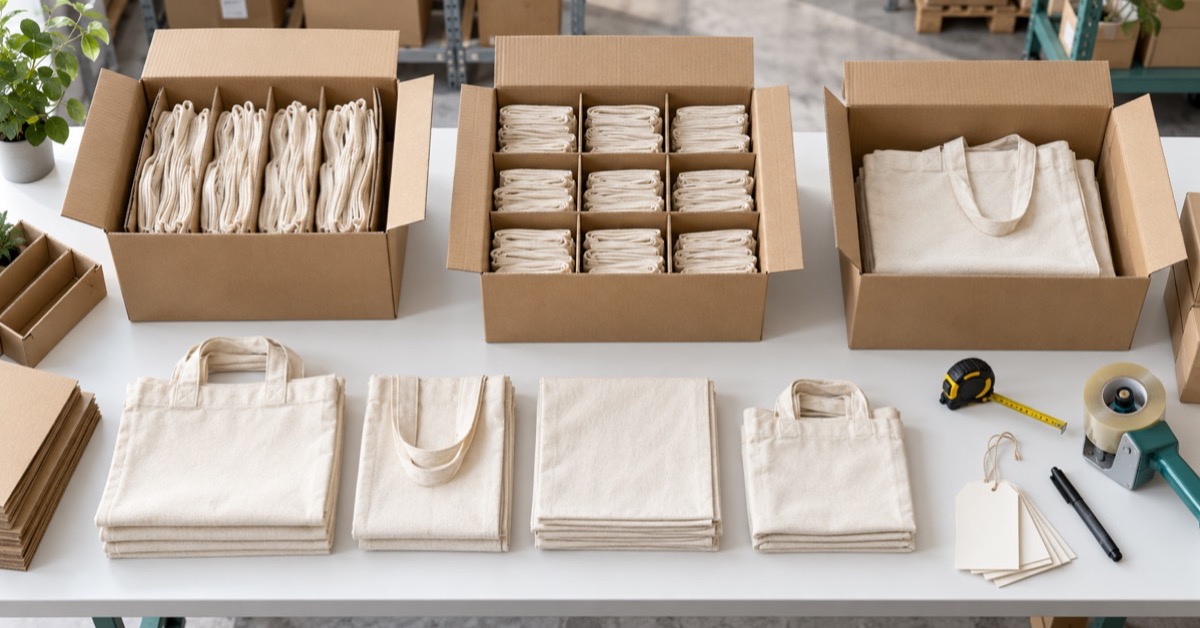
Structured bags can crease during export packing. Agree on folding method, pieces per carton and recovery expectations after unpacking. Allow receiving teams time and space to restore the intended shape.
Order durable bags through PackMK
PackMK can produce custom oxford cloth bags with controlled fabric, coating, construction, handles, printing and packing. A complete specification makes later orders easier to compare and repeat.
- Explore PackMK custom bag options
- Review PackMK bag development support
- Request an Oxford cloth bag quote
Oxford cloth bag questions
What information is needed to quote Oxford cloth bags?
Provide dimensions, contents, load, fabric preference, coating feel, handles, closure, artwork, quantity and delivery market.
Should the sample be tested with real contents?
Yes. Actual contents reveal stress, shape, handle comfort and closure problems that an empty sample cannot show.
Can detailed logos be printed on Oxford cloth?
Possibly, but the result depends on surface texture, coating, print process, artwork size and color requirements.
What should be checked after carton unpacking?
Check creases, shape recovery, coating marks, handle position and whether the printed area was protected during transport.