

Why a custom gift box still matters in snack packaging
Even though the product in question is a custom gift box-style snack package rather than a rigid carton, the buying logic is the same: packaging has to do more than hold a product. It has to protect it, display it cleanly on shelf, and give the brand a reason to be remembered after the first purchase. For snack brands, dry foods, candies, nuts, and small retail items, that decision often comes down to whether the pack looks like a generic pouch or a custom printed gift box experience that feels intentional.
That is why buyers should look at packaging not just as a cost line, but as part of the product itself. A package that supports branding, QR code printing, and shelf appeal can help a small launch look more established, while still working for practical retail and e-commerce use. The caution, of course, is that design should never outrun performance. A beautiful pack that fails in sealing, storage, or transport is just expensive waste.
What this packaging format is really solving
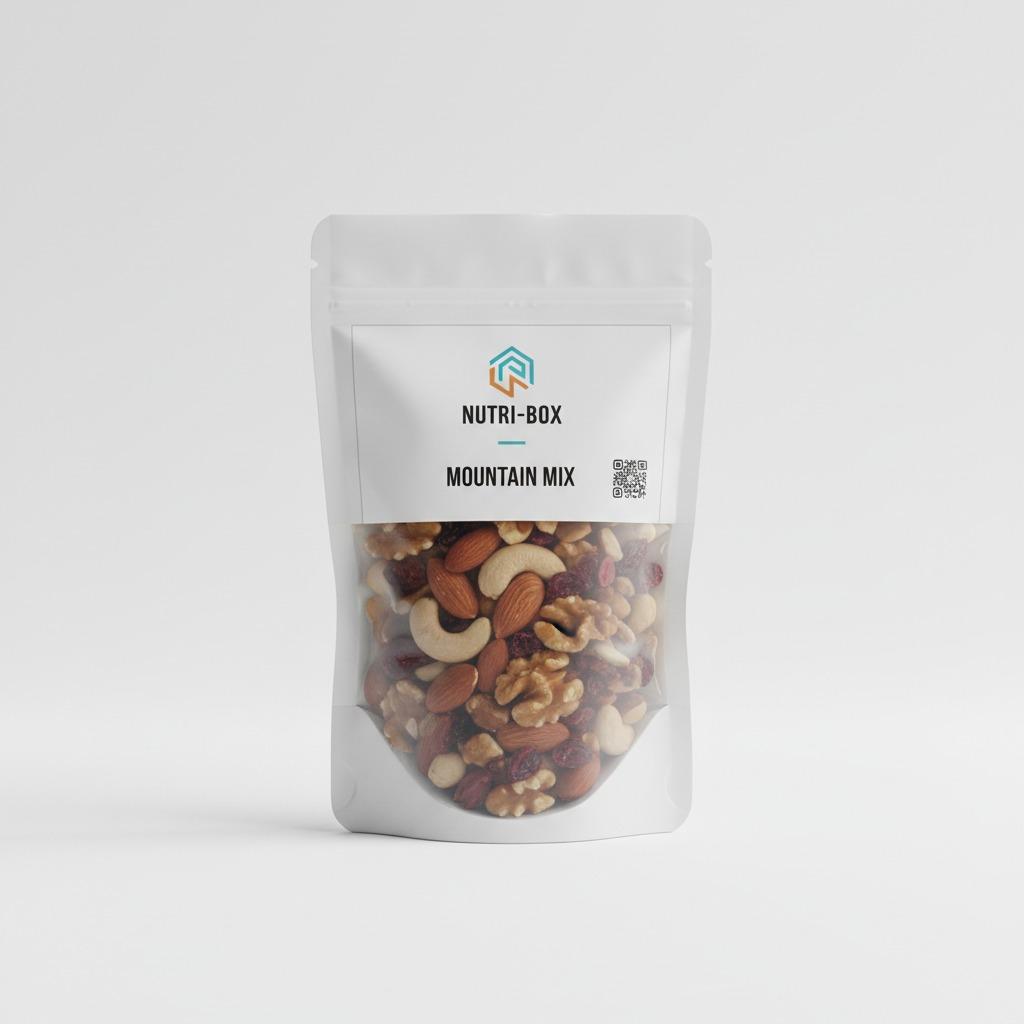
The format shown here is a stand-up pouch style package with a flat bottom or gusseted base, a transparent lower section, and a printed upper section. That combination solves a common retail problem: buyers want to see the product, but they also want enough print area for branding, regulatory text, and a promotional message. In other words, it behaves like a custom cardboard gift box in terms of presentation, while keeping the flexibility of a pouch.
This is especially useful for brands that sell snacks or dry foods in small to medium retail quantities. A clear window or clear lower body gives shoppers a direct view of the contents. The printed panel above that can carry logos, patterns, seasonal art, product names, or barcode and QR code information. For gift packaging, that visual split can be more persuasive than a fully opaque bag because it signals both freshness and brand identity.
Quick-reference comparison: when to choose this style
Best for
Snack products, candies, nuts, dried foods, promotional food packs, local specialty items, gift sets, and e-commerce orders where presentation matters.
Less ideal for
Products that need a rigid premium carton structure, very high puncture resistance, or a display format that must stack like a traditional box.
What buyers gain
Flexible freight handling, strong branding area, product visibility, and easier adaptation for multiple SKUs or seasonal artwork.
Material and structure considerations
From the image, the bag appears to be made from glossy laminated plastic film or a similar multi-layer food packaging structure. That is a common choice for retail pouches because it supports print quality and can provide the right balance of form, sealability, and presentation. The exact material composition is not visible, so buyers should not assume barrier performance, food-contact compliance, or recyclability without supplier confirmation.
The visible structure suggests a heat-sealed top area, possibly with a zip or slider-style closure, though that is not fully clear. This matters because closure design affects user experience. A resealable feature can improve convenience for snacks, but it also changes cost, sealing workflow, and sometimes the available print area. If a brand wants a premium unboxing feel, the closure should be part of the design brief from day one, not an afterthought.
How to evaluate a custom printed gift box supplier
When sourcing a custom printed gift box solution like this, the first question is not “Can you print it?” Most suppliers will say yes. The better question is “Can you print it consistently, in the right format, and with the right customization controls for my product line?” The image text indicates support for LOGO, patterns, and QR code printing, which is a useful starting point for OEM/ODM buyers.
Ask whether the supplier can handle small batch orders, emergency orders, or pricing flexibility if your demand fluctuates. Those claims are attractive, but buyers should still request clear confirmation in writing. If a launch is time-sensitive, a supplier’s real value often shows up in how they handle sampling, revision cycles, and order communication, not in the artwork mockup alone.
Common mistakes buyers make
The biggest mistake is treating all packaging that looks “giftable” as interchangeable. A logo custom gift box concept for food is not the same thing as a rigid paper box, and it is not the same thing as a high-barrier medical pouch. Each format has different strengths. Another common mistake is overfilling the pack. A pouch with a gusseted base can stand well, but only if the fill volume matches the structure. Too little product and the bag looks empty; too much and shelf stability suffers.
Buyers also sometimes focus on artwork before checking the handling requirements. Will the bag need to survive shipping vibration? Will it sit on retail shelves for weeks? Does the product release oil, dust, or moisture that may affect film selection? These are practical questions, and they usually decide whether the packaging works in the real world.
Practical buyer advice for food brands and product teams
If you are launching a new snack or gifting line, start with the product behavior first: dry or oily, brittle or soft, short shelf life or long display period. Then define the visual role of the package. Do you need full gift appeal, more retail transparency, or a balanced look with a clear section and strong printed branding? That choice will guide everything from structure to artwork layout.
For a custom cardboard gift box alternative in snack retail, a printed pouch may be the more efficient route when shipping cost, storage space, and production flexibility matter. It is not always the most luxurious option, but it is often the more practical one. For many brands, that is the right trade-off.
FAQ
Can this style support branding and QR codes?
Yes, the supplied product description indicates custom printing for logos, patterns, and QR codes.
Is it mainly for food?
The described use case is food-oriented, especially snacks, dry foods, candies, and nuts, though it may also suit other small retail items if material and compliance fit the application.
Should I assume it is resealable?
No. The closure type is not fully clear from the image, so buyers should confirm whether it uses a heat seal, zipper, slider, or another closure.
Next step for sourcing teams
If you are comparing pouch-style packaging against a custom gift box or a custom printed gift box format, build your shortlist around three things: print quality, structure, and supplier responsiveness. Ask for samples, verify the film structure, and make sure the artwork system can support your logo and product information without crowding the panel. That is usually where the real difference shows up.
For brands that want a logo custom gift box look without the weight and cost of rigid cartons, this kind of printed stand-up pouch is worth a serious look. The key is to match the format to the product, not the other way around.