

Why a custom gift box matters more than many buyers expect
A custom gift box is rarely just packaging. For many brands, it is the first physical signal that tells a customer whether the product inside is ordinary or worth keeping, giving, and remembering. That matters in retail, seasonal promotions, corporate gifting, and private-label launches, where presentation can influence perceived value long before anyone opens the package.
Although the product data supplied here points to flexible packaging rather than rigid cartons, the buying logic is similar: a custom gift box decision is really a decision about brand display, handling, and shelf impact. If you are comparing a custom printed gift box, a custom cardboard gift box, or a logo custom gift box, the central question is the same: what kind of packaging will best support the product, the budget, and the way the item is sold or handed out?
What the supplied product data suggests
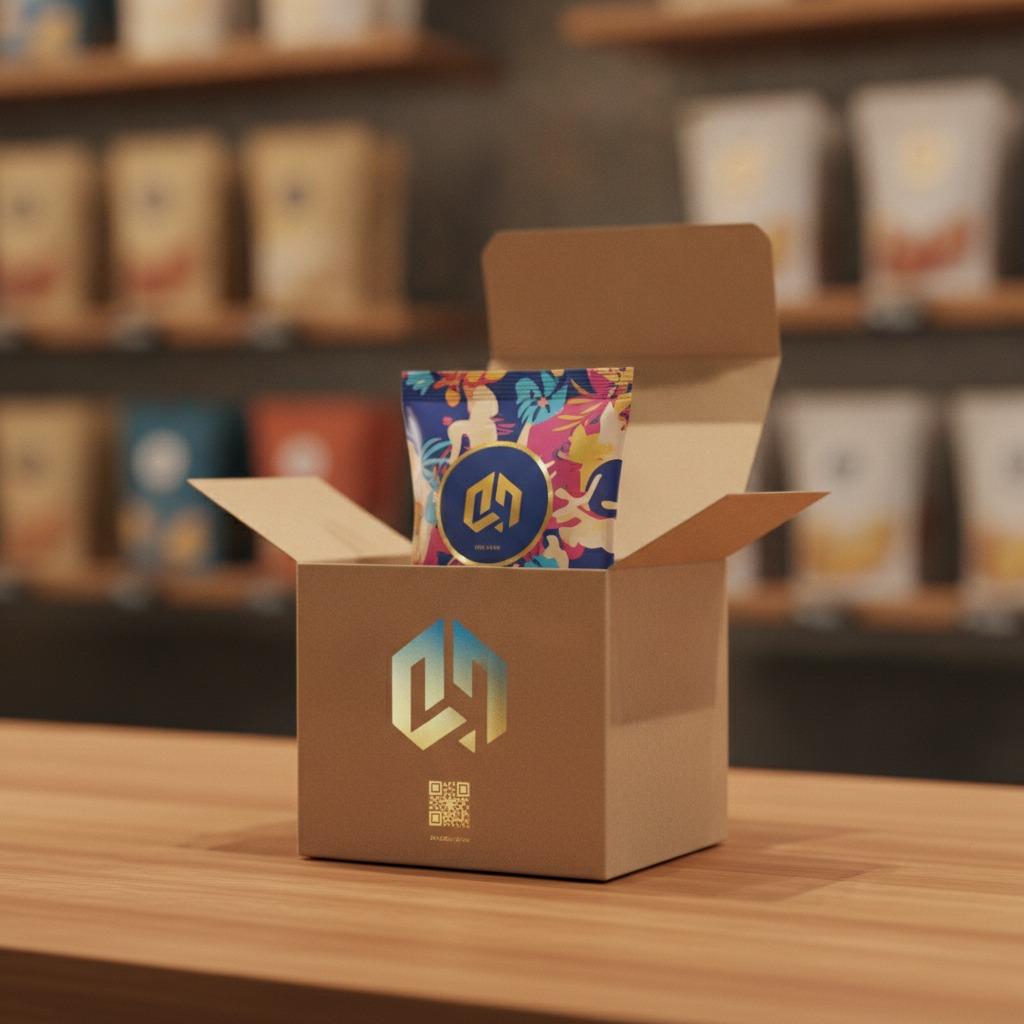
The available product details describe upright snack packaging pouches with a stand-up or flat-bottom style, a white top sealing or zipper area, a transparent lower section, and a large opaque printed front panel. In practice, this is the sort of format often used for snacks, dried goods, small food items, promotional products, and giftable retail items. The key commercial feature is not the exact bag shape alone, but the fact that the supplier supports custom printing, including logos, graphics, and QR codes.
That makes the packaging relevant for brands that want a gift presentation with strong visual identity, even when the format is not a rigid carton. Some buyers are looking for a classic box; others need a package that feels gift-ready, ships efficiently, and still carries a polished printed face. A pouch can do that job surprisingly well, provided the artwork and structure are chosen carefully.
Choosing between box-style packaging and printed flexible packaging
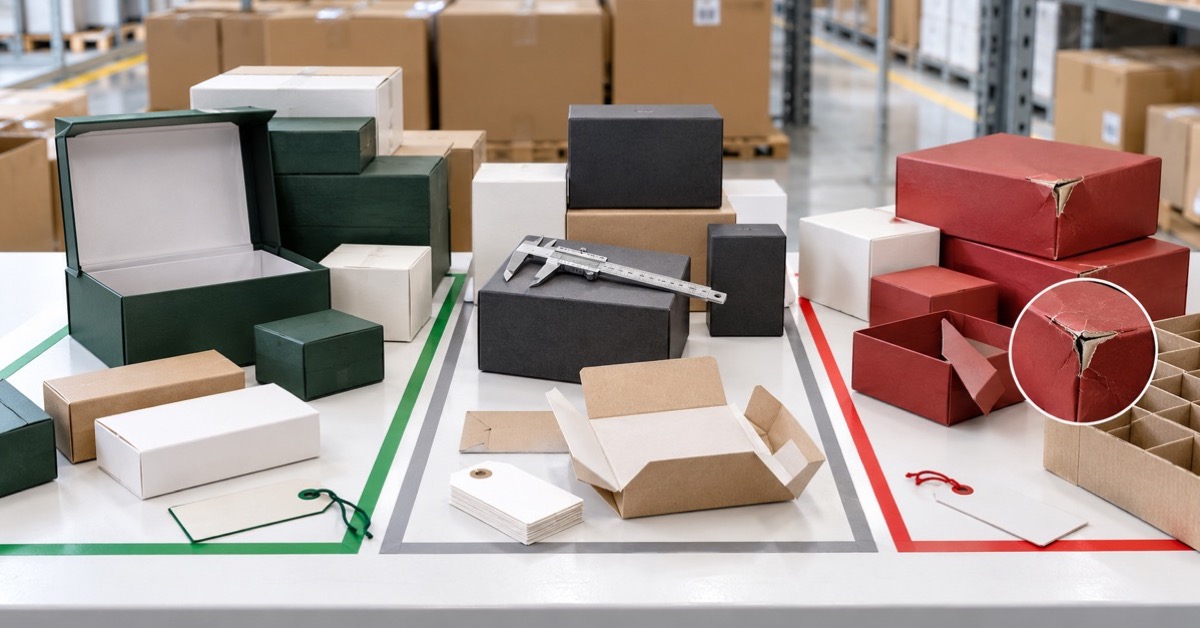
Buyers often compare cardboard cartons and flexible packs as if one were automatically better. It is not that simple. A cardboard box gives a more traditional unboxing feel and better stacking rigidity. A printed pouch is lighter, often more material-efficient, and easier to adapt for smaller portions or food products. If the product is a snack or dried good, the pouch format may actually be the more practical gift package.
For gift use, the decision usually comes down to three points: how the product will be displayed, how much protective structure it needs, and whether the customer is supposed to keep the package after opening. A box is easier to archive on a shelf or gift table. A pouch is often easier to produce in multiple artwork versions, especially when different campaigns need their own graphics or QR codes.
Key design elements that affect buying decisions
Front-panel artwork
The visible panel is where the brand does most of its work. The supplied notes mention full-color printing, Chinese text, illustrated figures, and QR code placement. That tells us the supplier’s service is aimed at brand storytelling, not just plain product containment. For gift packaging, the printed front can carry seasonal graphics, product usage notes, a campaign code, or a short message.
Material and finish
The image notes indicate a glossy printed film on the front, with a clear lower section. Exact film construction is not confirmed, so buyers should not assume barrier performance, food-contact approval, or recyclability without documentation. That is an important caution. In packaging, appearance can be easy to judge from a sample; protective performance cannot.
Closure and handling
The top sealing strip or zipper area suggests the package is meant to be opened and handled more than once, though the exact closure type is not verified. If the item is being sold as a gift, this can improve convenience. If it is a retail food pack, it may also help the consumer keep contents organized after first opening.
Common mistakes buyers make
The first mistake is treating artwork approval as the only step that matters. It is not. Printed packaging can look excellent on screen and still disappoint if the structure, opening method, or filled appearance does not suit the product.
The second mistake is ordering without confirming dimensions, filling weight, and how the bag stands once filled. A small-format package can look premium when full and awkward when underfilled. That is a practical issue, not a design theory problem.
The third mistake is assuming every custom printed gift box or pouch supplier offers the same level of flexibility. The supplied notes mention direct factory supply, urgent orders, and flexible quantity or price terms. Those are useful commercial signals, but buyers still need to check print file requirements, proofing steps, and whether the supplier can keep repeat orders consistent.
What engineers and sourcing teams should ask before placing an order
Start with the basics: what material structure is being offered, what size range is available, and what print method is used. If the package will hold food, ask specifically about intended application and any available compliance documents. If the package is for gifts or promotions, ask how the printed finish will hold up during transport and shelf handling.
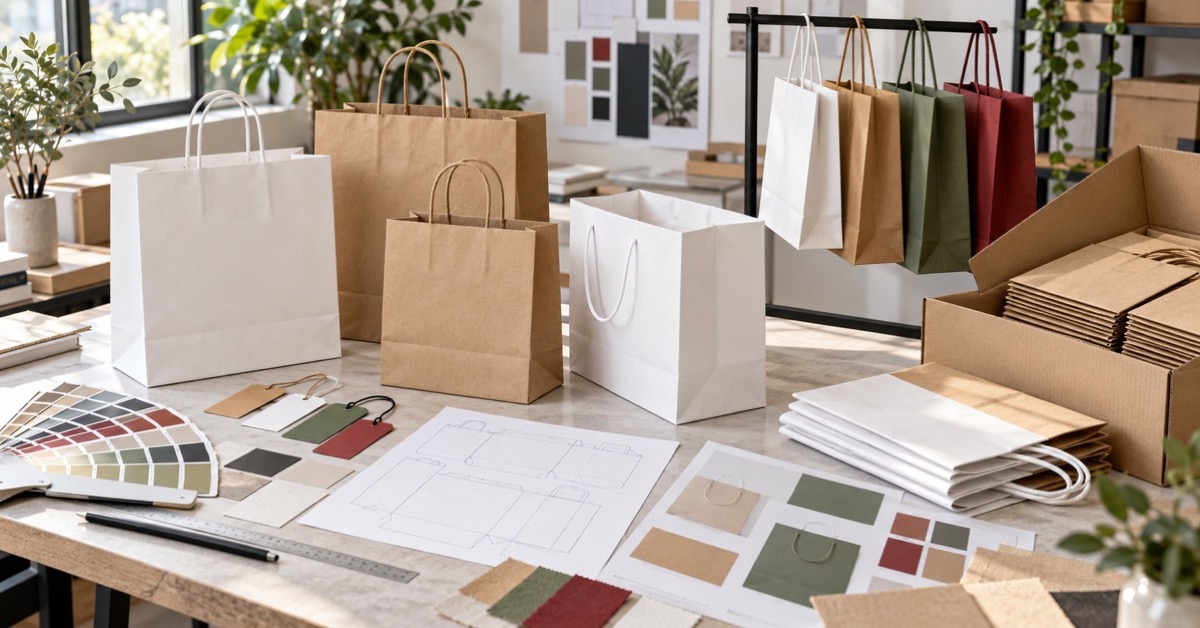
It also helps to request a sample or proof with the actual logo, since logo placement often changes the entire look of the pack. A logo custom gift box concept works only when the branding is visible from a reasonable distance and still readable after the package is filled and sealed. Small text, low contrast, and crowded artwork are common causes of weak shelf performance.
Practical buyer advice
If you are sourcing for snacks, dried goods, or small promotional items, a printed pouch format can deliver much of the same branding value people seek in a gift box, without the weight and rigidity of carton packaging. If your product is positioned as a premium giveaway, focus on the visual hierarchy first, then the physical construction.
For teams comparing a custom cardboard gift box with a flexible printed package, the right answer may be to test both in the same campaign. Put them on the table, fill them properly, and see which one better matches the product story and logistics. Packaging choices are often clearer in the hand than they are in a spec sheet.
FAQ
Can this kind of packaging be used as a gift package?
Yes, especially for snack gifts, small food items, and promotional retail products, as long as the artwork and structure support the presentation.
Can logos and QR codes be added?
According to the supplied notes, yes.
Is the exact material confirmed?
No. The notes indicate a likely plastic film structure, but the exact film type, barrier properties, and certification details are not supplied.
Next step
If you are evaluating a custom gift box format for snacks or small retail products, start by defining the product weight, the display goal, and the artwork you want on the front panel. Then request a sample or proof from the supplier and check whether the package actually fits the way you plan to sell it. That small step usually saves more time than any later redesign.