

What a custom gift box does for a snack brand
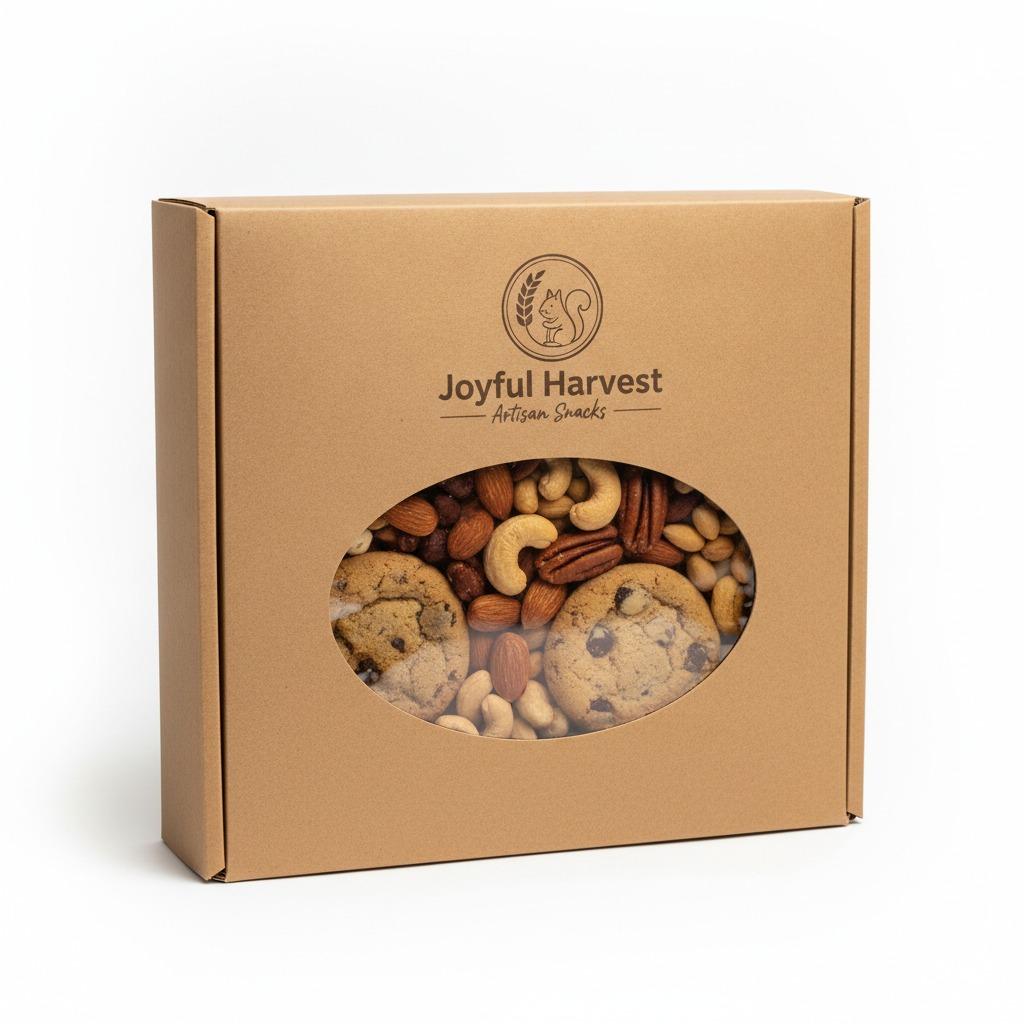
A custom gift box is more than a nice outer shell. For snack brands, confectionery makers, dried fruit sellers, and local specialty producers, it is often the first piece of packaging a buyer notices and the part that decides whether a product feels like a commodity or a gift. That matters when you are selling through retail, at holiday counters, online bundles, or corporate channels where presentation carries real weight.
In practice, a well-planned custom gift box helps a product do three jobs at once: protect the contents, support branding, and justify the price point. If the box is flimsy, awkward to stack, or visually disconnected from the product inside, the whole package can feel less trustworthy. If it is designed with the right structure and print, the product looks more deliberate, and that can make a difference for sourcing teams comparing similar items.
Box, pouch, or sleeve: choosing the right format
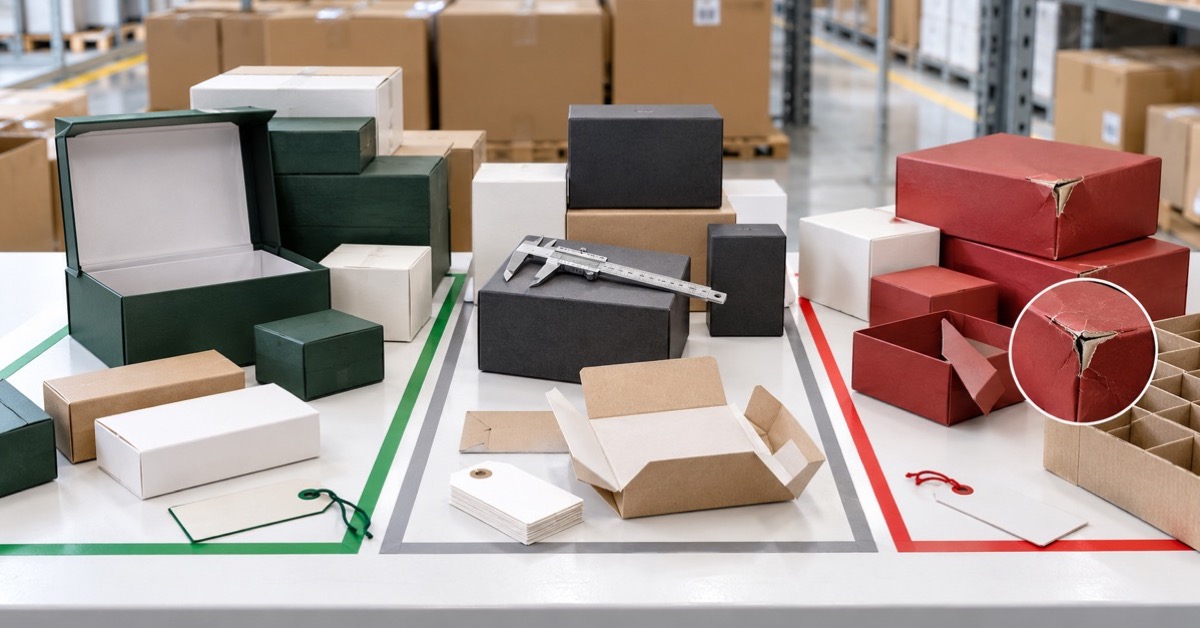
Not every “gift” package needs the same construction. Some products need a rigid custom cardboard gift box. Others work better in a smaller carton, a sleeve, or a flexible pouch placed inside a larger presentation pack. The right choice depends on the product format, shipping method, and how the customer will open it.
For snack packaging, the visible examples here point to customized flexible packaging rather than a rigid box. The bags shown have printed front panels, a transparent lower section, and stand-up display behavior. That is useful context for buyers who may be comparing a custom printed gift box with flexible retail packaging: the decision is not only visual, but operational. Flexible packs can be lighter and easier to store, while a cardboard box may feel more premium for gifting or multi-item assortments.
If your product line includes mixed items, such as cookies, nuts, dried fruit, or regional specialties, a logo custom gift box can also help create a consistent shelf story across different SKUs. The packaging system matters as much as the artwork.
What customization usually covers
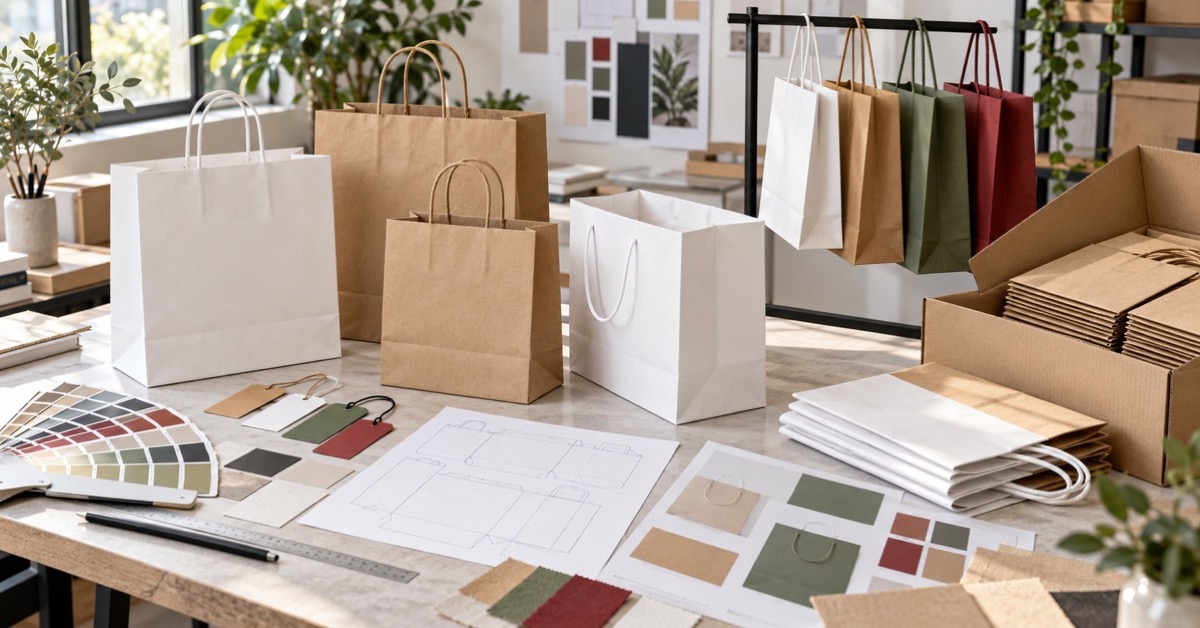
The sample packaging notes mention logo printing, pattern printing, and QR code printing. That is the practical part buyers care about. A branded pack should carry the essential identity without overloading the panel.
Common customization points include:
Front-panel branding
A clear logo, product name, and flavor or variety cue. For a gift-oriented package, this is where the design needs to do the heavy lifting.
Graphic storytelling
Illustrations, product scenes, seasonal artwork, or local-cultural elements. This is especially useful for gift sets and regional foods, where the packaging is part of the story.
Functional information
QR codes, promotional messages, and product handling details. These are not decorative extras; they can support traceability, campaign traffic, or simple buyer engagement.
The printed examples shown use multiple colors, including blue, red, and green versions. That suggests the packaging can be adapted for different flavor lines or sales seasons without changing the overall format.
What to check before placing an order
Buyers often focus on print first and overlook the basics. That is a mistake. A good-looking pack that is hard to fill, seals poorly, or does not fit the shelf plan becomes a problem quickly.
Before ordering, clarify the following:
Product size and fill weight
You need the pack size matched to the actual snack volume, not just the graphic design.
Opening and reseal needs
The notes indicate resealable or heat-sealed use, but the exact closure type is not confirmed. That is worth checking early, especially for foods that may be eaten over several servings.
Material and barrier requirements
The visible sample appears to use a plastic film pouch structure, but the exact layers are not identified. For dry snacks, that may be sufficient; for more sensitive products, ask for the proper material specification rather than assuming.
Printing boundaries
Confirm what can be printed, where the seams will sit, and whether the QR code remains scannable after forming.
Factory-direct ordering and small-batch reality
The packaging notes indicate factory-direct supply and acceptance of rush orders, with pricing depending on quantity. That is typical in custom packaging, but it comes with a buyer-side caution: speed and flexibility are useful, yet they should not replace sample checking.
If you are working on a launch, a seasonal promotion, or a short-run gift series, ask for a pre-production sample or at least a clear proof. Small runs often expose problems that mockups hide, especially when text is dense or the product needs to stand upright in display.
Common mistakes buyers make
One common mistake is treating gift packaging as a pure design exercise. Another is specifying too much information on the face panel and leaving no breathing room for the logo. A third is selecting a format that looks elegant but is inconvenient for packing line workers.
For snack brands, the better approach is usually balanced: clean branding, readable product information, and a structure that suits retail handling. If the package is going to sit next to a competitor’s product, the panel must be legible at a glance. If it is going into a gift set, the outer presentation should feel intentional, not crowded.
FAQ for sourcing teams
Is a custom gift box always better than a pouch?
Not always. A box can elevate perception, but a pouch may be more practical for food, especially when cost, weight, and storage matter.
Can I print my logo and QR code?
Yes, the provided information says logo, pattern, and QR code printing are available.
What kinds of products fit this packaging style?
Snack brands, confectionery, dried fruit, nuts, cookies, and local specialty foods are all plausible use cases.
Next step for buyers
If you are sourcing packaging for a retail snack line or a seasonal food gift set, start with the end use, not the artwork. Define the product weight, the display format, and the branding elements you need. Then ask for a sample or proof that reflects the real pack structure. That is the quickest way to avoid a box or pouch that looks good on screen but disappoints on the line.