

Why a custom gift box is more than packaging
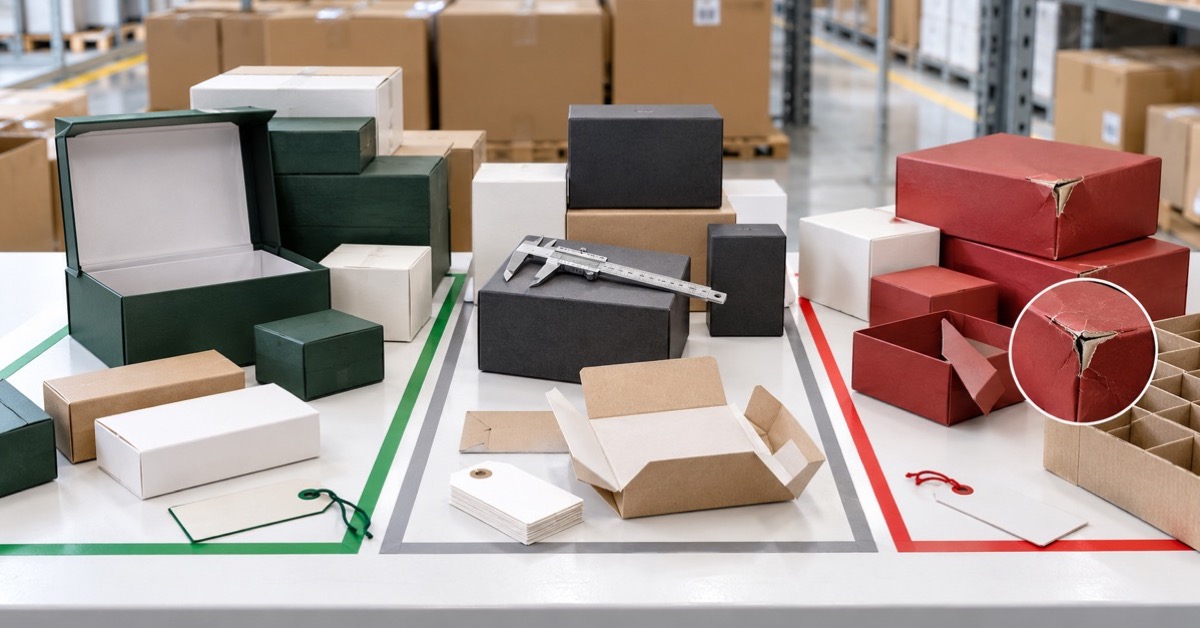
A custom gift box does a job that ordinary cartons cannot. It protects the product, sets the tone before the box is opened, and quietly tells the buyer whether the brand cares about detail. For sourcing teams, that makes the choice more than a design exercise. It is a packaging decision that affects shelf appeal, handling, resale value, and how well the product survives the trip from packing line to customer hands.
In practice, buyers often compare a custom gift box with a custom printed gift box or a custom cardboard gift box, then realize the real question is not the label on the quote sheet. The real question is: what kind of presentation and protection does the product need, and how much branding space can the package carry without becoming expensive or awkward to assemble?
The packaging example provided here is a bit unusual in that the product shown is actually a stand-up snack pouch rather than a rigid carton. That matters, because many brands now mix formats. A logo custom gift box may be used for premium presentation, while a printed pouch handles freshness and visibility. Buyers in food, gift, and retail channels often pair the two instead of choosing only one.
Quick takeaways for buyers
If you are trying to choose packaging for snacks, dry foods, small gifts, or promotional products, the main decision points are straightforward. Do you need a rigid box for presentation, or a flexible package for storage and display? Is the product better served by a window, a fully printed surface, or both? Will the customer keep the packaging after opening, or is the package mainly a first-impression tool?
The sample packaging here shows a stand-up pouch with a flat bottom gusset, a resealable top closure, and a transparent lower section. That combination is common in retail snack packaging because it balances brand graphics with product visibility. The same logic often applies when designing a custom gift box: the outside must sell the item, but the package still has to be practical for filling, stacking, and shipping.
How to think about structure, material, and presentation
Rigid box or flexible pouch?
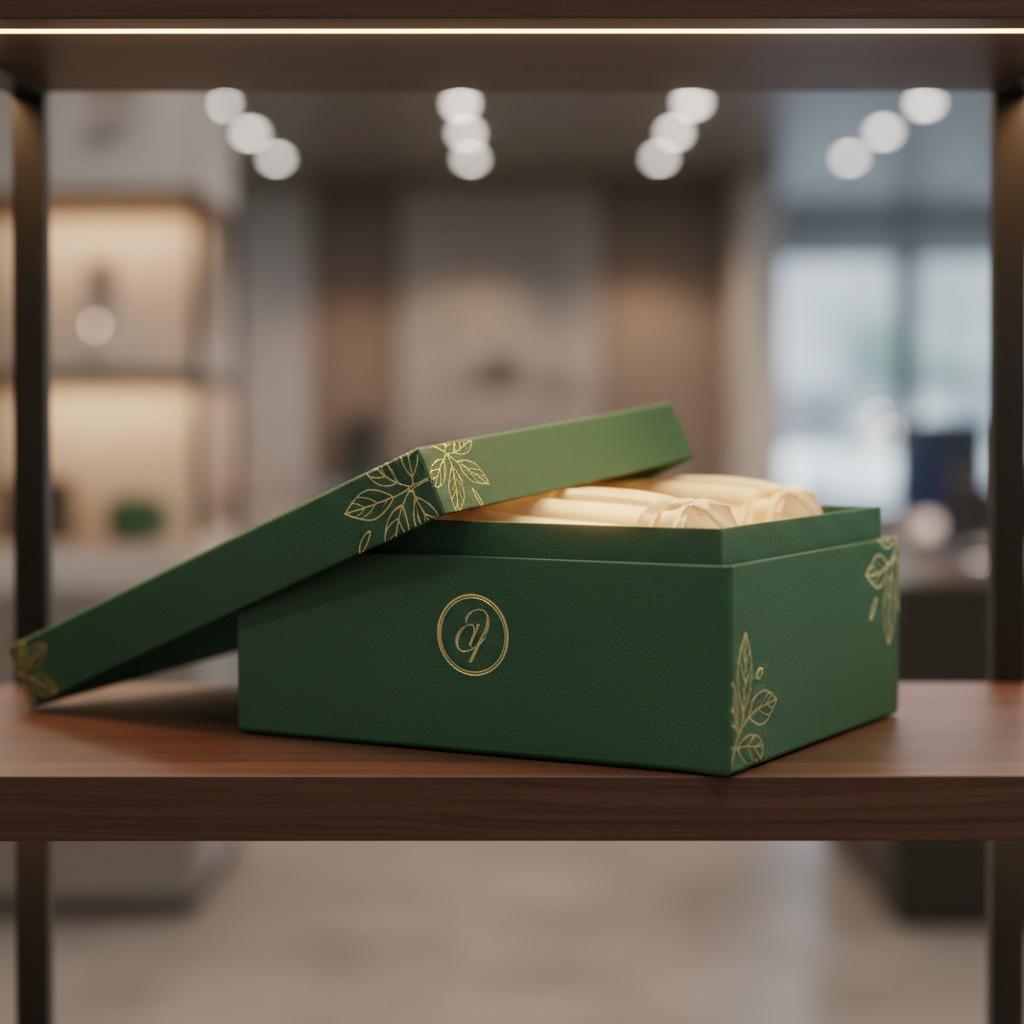
A custom cardboard gift box is usually the better choice when the product needs a premium unboxing moment, added crush resistance, or a strong “giftable” feel on the shelf. It also gives more room for inserts, layered presentation, and a clean unboxing sequence. Flexible pouches, by contrast, are lighter, often easier to store, and more efficient for products that need resealing or frequent handling.
That is why snack brands, dried fruit suppliers, and small food producers often use stand-up pouches with custom printing. The format shown in the reference material has a rectangular front face, sealed side seams, and a clear lower section for visibility. It is a practical format for shelf display, and it gives designers a broad printable area for logos, artwork, QR codes, and product copy.
Printed surfaces and window design
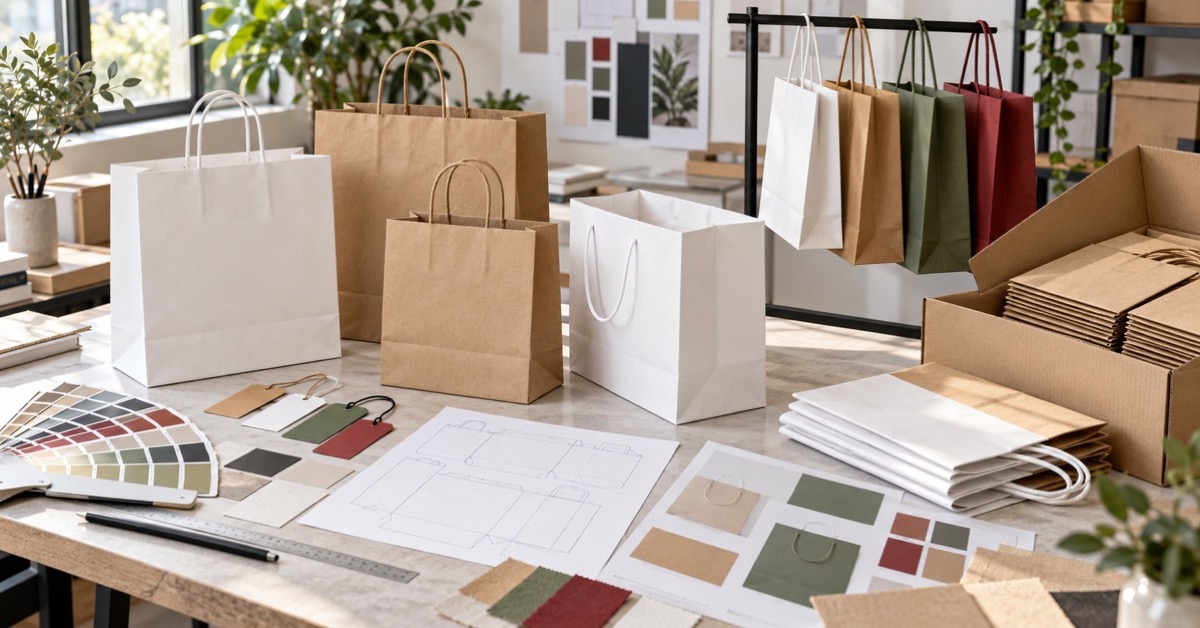
One advantage of a custom printed gift box is the amount of surface area available for storytelling. You can show brand color, product claims, seasonal graphics, and care instructions in a controlled layout. The same is true of a custom printed pouch, though the design rules are slightly different. With flexible packaging, high-contrast printing and a thoughtful window area matter more because the package may curve, wrinkle, or reflect light under store lighting.
The sample bags here use a transparent lower section with a colored printed upper panel. That is a useful format when the product itself should be visible. For food buyers, the warning is simple: visibility helps selling, but too much empty window space can make the package look underfilled if the product level varies from batch to batch.
What buyers should ask before ordering
First, clarify the product category. A gift box for apparel, candles, or cosmetics has different priorities from packaging for snacks or dry foods. Second, confirm whether the package is meant for retail shelf display, shipping protection, or a gift set. Third, ask how artwork will be handled. If the package needs logo printing, QR code placement, or seasonal graphics, the print file requirements should be settled early.
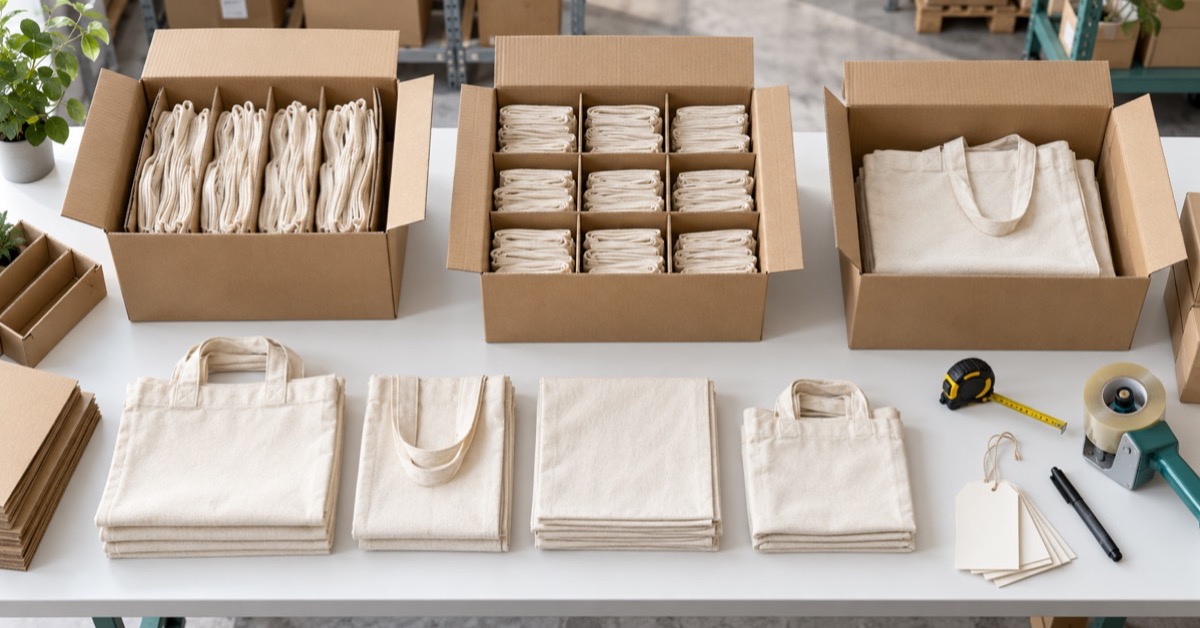
Fourth, do not assume all “custom” packaging is the same. A custom cardboard gift box, a rigid box with insert, and a laminated food pouch are all built differently. They may look similar in a mockup, but they behave differently during filling, transport, and opening. Buyers sometimes approve a beautiful structure and then discover it slows down packing or wastes too much space in transit. That is the kind of mistake that shows up late and costs real money.
Common mistakes in custom packaging projects
The most common error is designing for the render instead of the product. Packaging should fit actual item dimensions, handling conditions, and retail display needs. Another mistake is overprinting every surface just because the space is available. Good packaging leaves room for the eye to rest.
Another practical issue is ignoring closure behavior. For flexible packs, resealability affects customer experience. For boxes, the opening style affects perceived value and reusability. If you want a box to feel like a keepsake, that should be designed in from the start, not added at the last minute with a sticker.
How this applies to snack and gift brands
The provided product information points to factory-direct custom snack packaging bags, with urgent orders accepted and pricing by quantity. While that does not tell us everything about the production setup, it does suggest the kind of sourcing environment many brand owners work in: short development cycles, artwork revisions, and quantity-based pricing decisions.
For a snack brand, the pouch format may be the right answer. For a premium gift set, a custom gift box may still be the outer layer that creates the right impression. In some projects, the smartest solution is hybrid packaging: an attractive box on the outside, and a printed pouch or bag inside for the actual food product. That approach can improve shelf presence and still keep the product practical.
Buyer-facing checklist before you request a quote
Have your packaging supplier review the product type, desired format, artwork elements, and expected use case. Confirm whether you need a box, a pouch, or both. Ask for advice on surface finish, window placement, and print layout. If the package will carry food, make sure the supplier understands the intended application and does not overstate the material’s performance.
And if your goal is a logo custom gift box for a launch, promotion, or seasonal release, build in enough lead time for artwork approval and sample review. A packaging decision made too late usually becomes a compromise, and packaging compromises have a habit of showing up right on the shelf.
Next step
Start with the product itself: size, fragility, sales channel, and how you want the customer to feel at opening. Then choose the format that supports that experience, whether that is a custom gift box, a custom cardboard gift box, or a printed pouch with strong shelf appeal. If you are sourcing at scale, ask for a structure recommendation before you lock the artwork. That small step often saves more time than any design revision later.