

Why a custom gift box decision is really a packaging decision
A custom gift box is rarely just a box. For most brands, it sits at the point where product protection, shelf presentation, and unboxing experience all meet. That matters whether you are shipping a premium snack set, a seasonal promotion, or a small retail bundle that needs to look finished the moment it lands in a customer’s hands.
Buyers often start with appearance, which is understandable, but the better question is more practical: what packaging format helps the product survive handling, sell through clearly, and match the brand story without driving up waste or cost? If you are sourcing for a launch or a refresh, that is the decision this guide is meant to support.
What the market usually means by custom gift box packaging
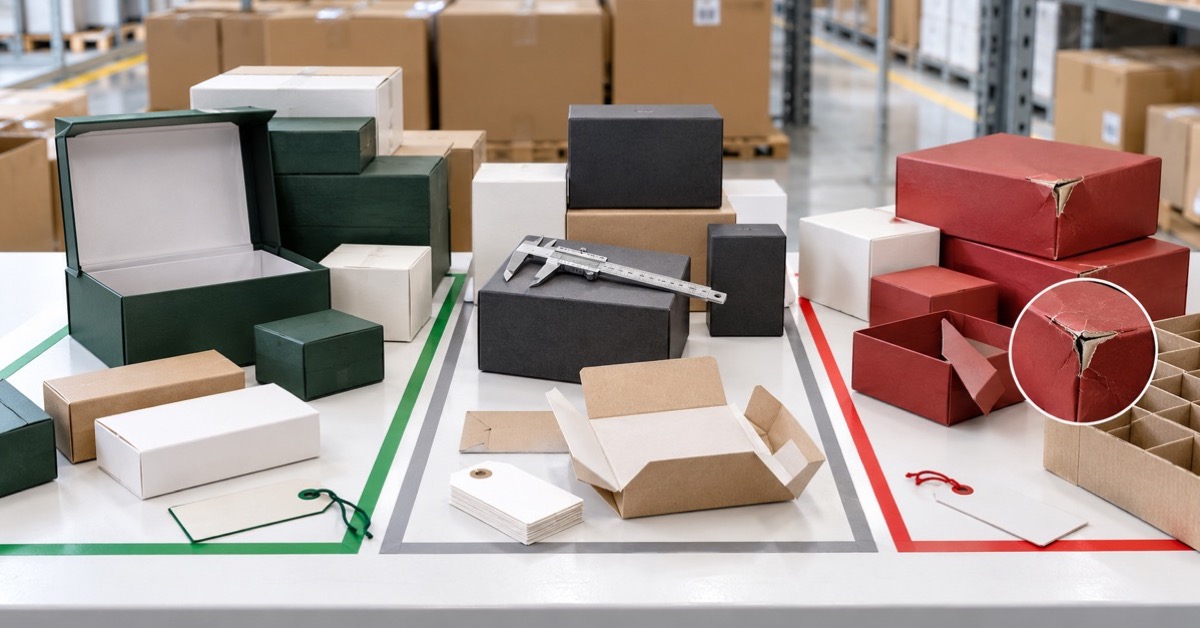
In day-to-day sourcing language, a custom gift box can refer to a rigid carton, a folding carton, or a printed retail presentation box. In some categories, brands use the term more loosely for gift-ready packaging that carries logo artwork, pattern design, and product-specific messaging.
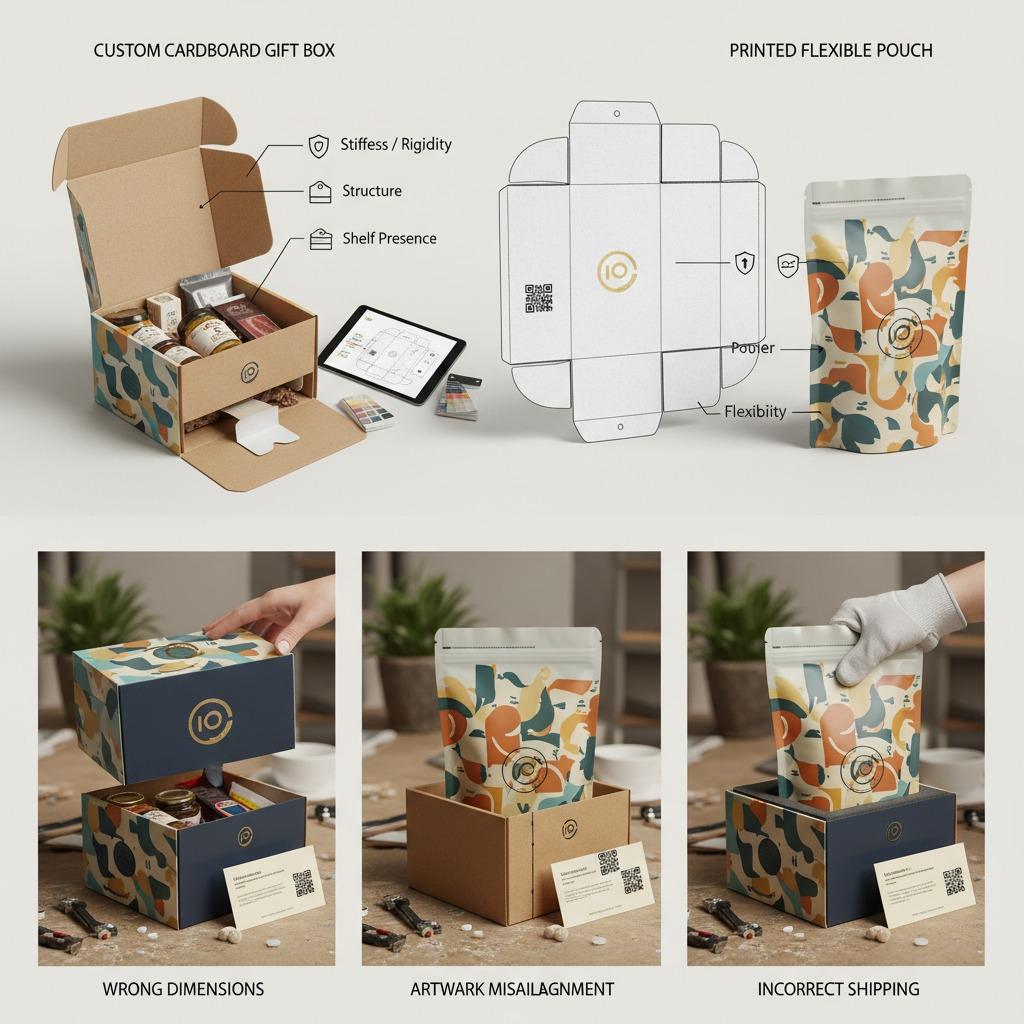
The provided product information points to a different but related packaging format: a custom printed flexible pouch used for snack packaging or dry goods. That is worth noting because many buyers compare these formats side by side. A box tends to emphasize structure and presentation. A pouch tends to emphasize sealing, shipping efficiency, and visible shelf graphics. Both can be branded. Both can serve gift-style merchandising. They just solve different problems.
Quick comparison: box or pouch?
If you are deciding between a custom cardboard gift box and a printed pouch, the right answer depends on how the product will be sold.
A box is usually stronger for premium unboxing, multi-item sets, and rigid protection. It also leaves more room for inserts, dividers, and layered presentation. But it takes up more storage space and can add converting steps.
A pouch is often better for snacks, dried goods, and e-commerce packaging where seal integrity and display visibility matter. The product information describes an upright rectangular pouch with a stand-up style base, a clear or translucent lower section, and a large printed upper panel. That kind of structure is common in retail food packaging because it offers shelf presence without the bulk of a carton.
For some brands, the best answer is a hybrid: a printed pouch inside a gift box. That gives you the premium look of a box and the sealing convenience of flexible packaging.
Design points that matter before you approve artwork
Brand teams often focus on the front panel and overlook the practical limits of packaging conversion. That can lead to expensive rework.
If you are ordering a custom printed gift box or a logo custom gift box, check the following early:
1. Structure and opening method
The box or pouch should match how the customer accesses the product. A gift box may open from the top, side, or as a tuck-end style carton. A snack pouch may use a heat-sealed top area or resealable feature. If the pack is meant for repeated use, closure design matters more than people expect.
2. Print area and logo placement
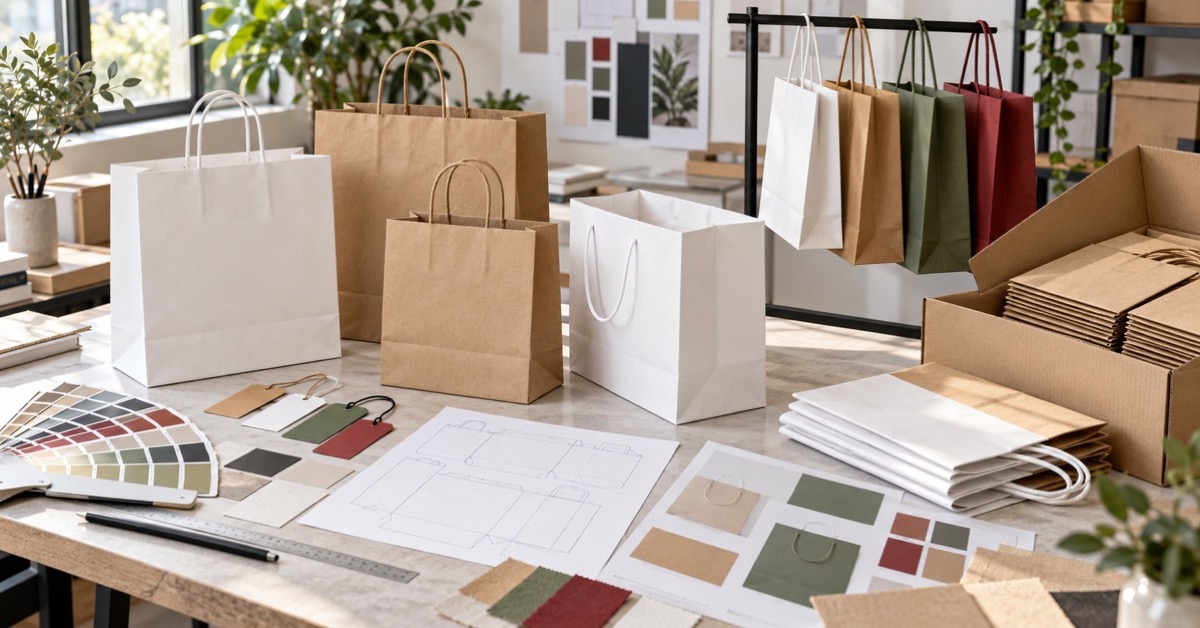
The visible product description mentions full-color artwork and support for logo, pattern, and QR code printing. That is useful, but only if the layout avoids distortion around folds, seals, and closure zones. Design teams should always request a dieline or print template before final sign-off.
3. Material choice
For carton formats, a custom cardboard gift box is often chosen for stiffness and brand value. For snack packaging, laminated film or composite flexible material is more typical. The exact structure should be confirmed with the supplier; do not assume barrier performance just because the exterior looks glossy and professional.
Common mistakes buyers make
The first mistake is treating packaging as a late-stage item. It is not. If the box or pouch is finalized after product dimensions are locked, you may end up with wasted headspace, crushed corners, or artwork that no longer fits.
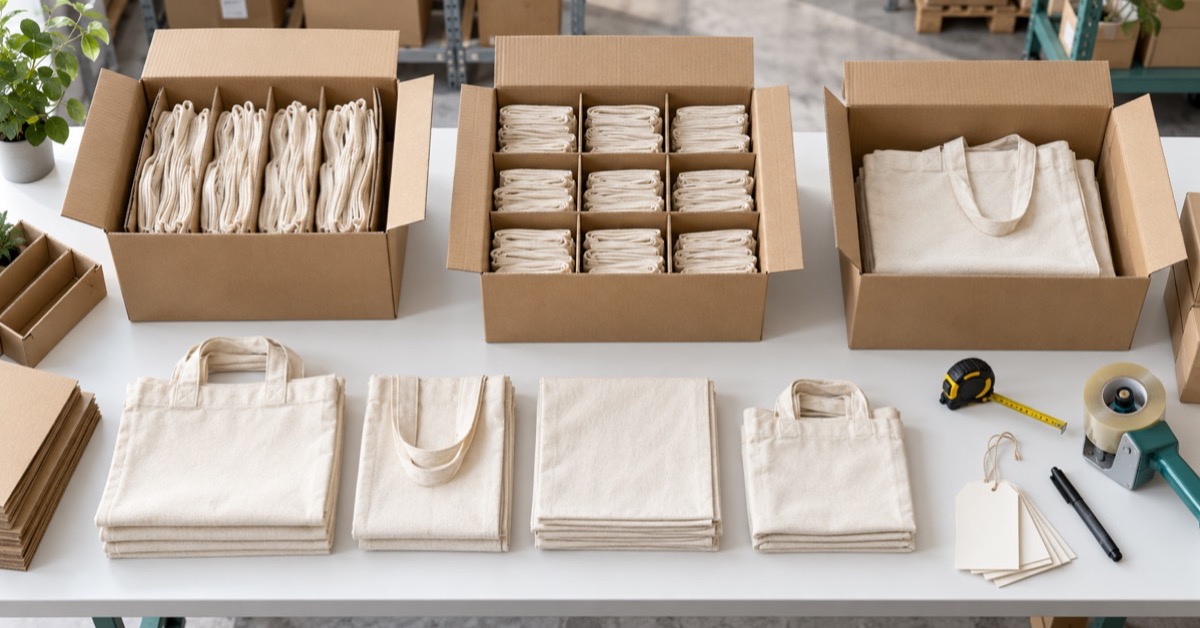
The second mistake is overdesigning for the wrong channel. A box that looks elegant in a showroom may be awkward in warehouse picking or postal shipping. A pouch that works beautifully for shelf display may not create the perceived value a gift set needs.
The third mistake is skipping practical supplier questions. The promotional information supplied here mentions direct factory supply, rush orders, and quantity-based pricing. Those are useful commercial signals, but they do not replace the basics: ask about material structure, printing method, sample approval, and shipping packout before committing.
When a custom printed gift box makes sense
A custom printed gift box is usually the better choice when the packaging itself is part of the product value. Seasonal gift sets, influencer kits, corporate giveaways, and premium retail bundles all benefit from a box that feels deliberate.
It also makes sense when the contents are mixed sizes or need internal support. A rigid box can hide less-than-perfect shapes and create a more polished customer experience. That said, if the product is a single snack SKU or dry good, a printed pouch can often do the job more efficiently.
Buyer advice for sourcing teams
Before you request quotes, define three things in writing: product size, selling channel, and desired presentation level. Those three details usually determine whether you need a custom cardboard gift box, a logo custom gift box, or a pouch-based alternative.
Ask for a sample or proof when possible. Even a simple paper mockup can reveal problems with panel balance, closure alignment, or shelf footprint. And if the product will be used for food, confirm the compliance requirements directly with the supplier rather than assuming a generic “packaging” answer covers everything.
FAQ
Can a gift box be used for snacks?
Yes, but for loose or moisture-sensitive snacks, many brands prefer a sealed inner pouch and then place that pouch into a box.
Is a custom gift box always more premium than a pouch?
Not always. Premium perception depends on print quality, structure, finish, and how the product is presented. A well-designed pouch can outperform a cheap box.
What should I send to the supplier first?
Product dimensions, target quantity, artwork files, and your preferred packaging style. If you already know whether you want a custom printed gift box or a flexible pouch format, say so up front.
Next step
If you are weighing packaging options for snacks, gifts, or branded retail kits, start by deciding whether your priority is presentation or product handling. Once that is clear, the right custom gift box format becomes much easier to specify, quote, and approve without avoidable revisions.