

What Buyers Usually Mean by a Custom Gift Box
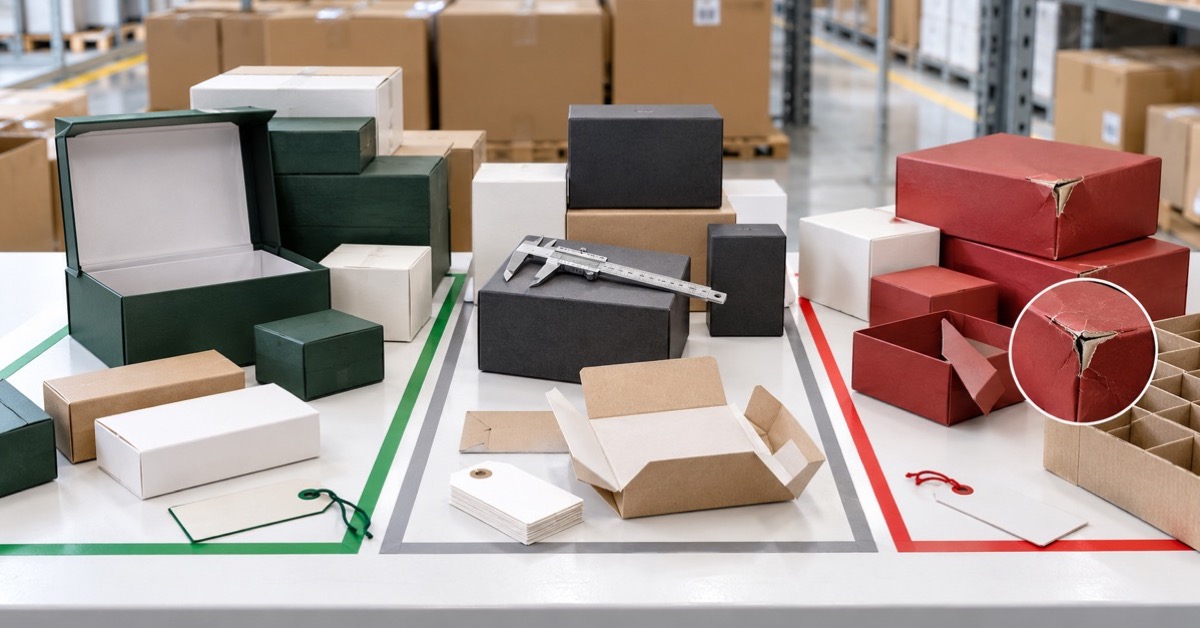
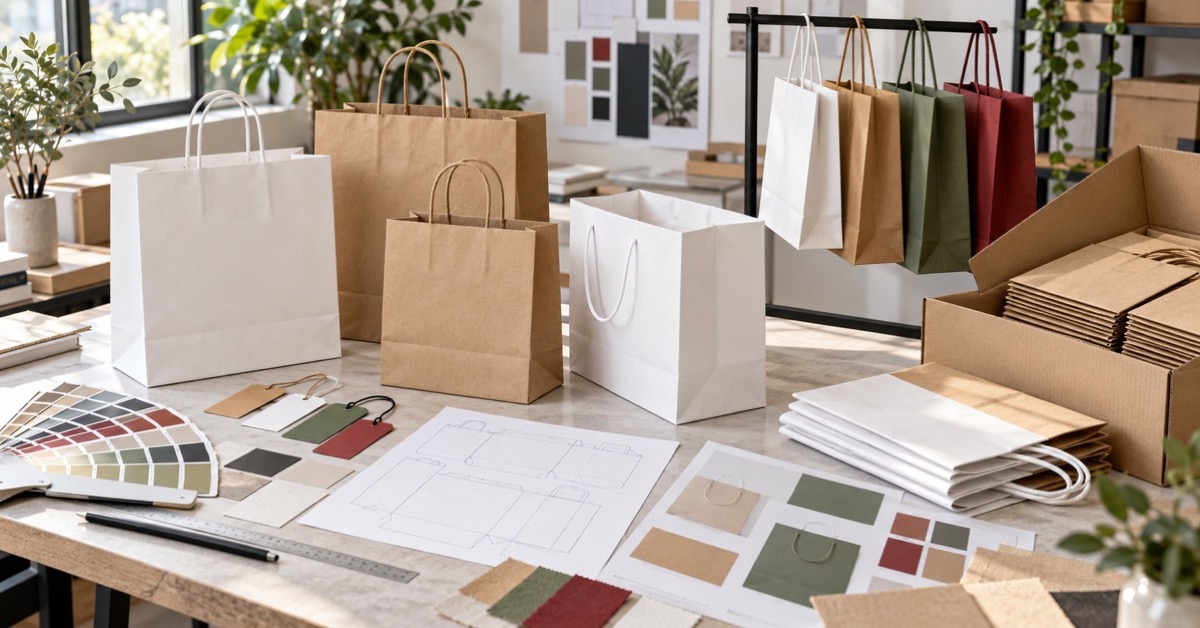
A custom gift box is rarely just a carton with a logo on it. For most buyers, it is the first physical cue that a brand understands presentation, protection, and the unboxing moment. In food, retail, and promotional packaging, that can mean a rigid box, a folding carton, or even a branded flexible pack if the job is to present a product cleanly and make it feel giftable. The image data provided here points most directly to custom snack packaging bags and pouches, so this guide treats the topic from that practical angle: how to choose a branded package that behaves like a gift box on shelf and in the customer’s hands.
That distinction matters. A package can look attractive in a mockup and still fail in the warehouse, on a retail peg, or during shipping. Buyers need something that supports branding, product visibility, and efficient packing without overcomplicating production. The decision is less about decoration than about whether the package fits the product, the route to market, and the cost structure.
Why Presentation and Function Need to Line Up
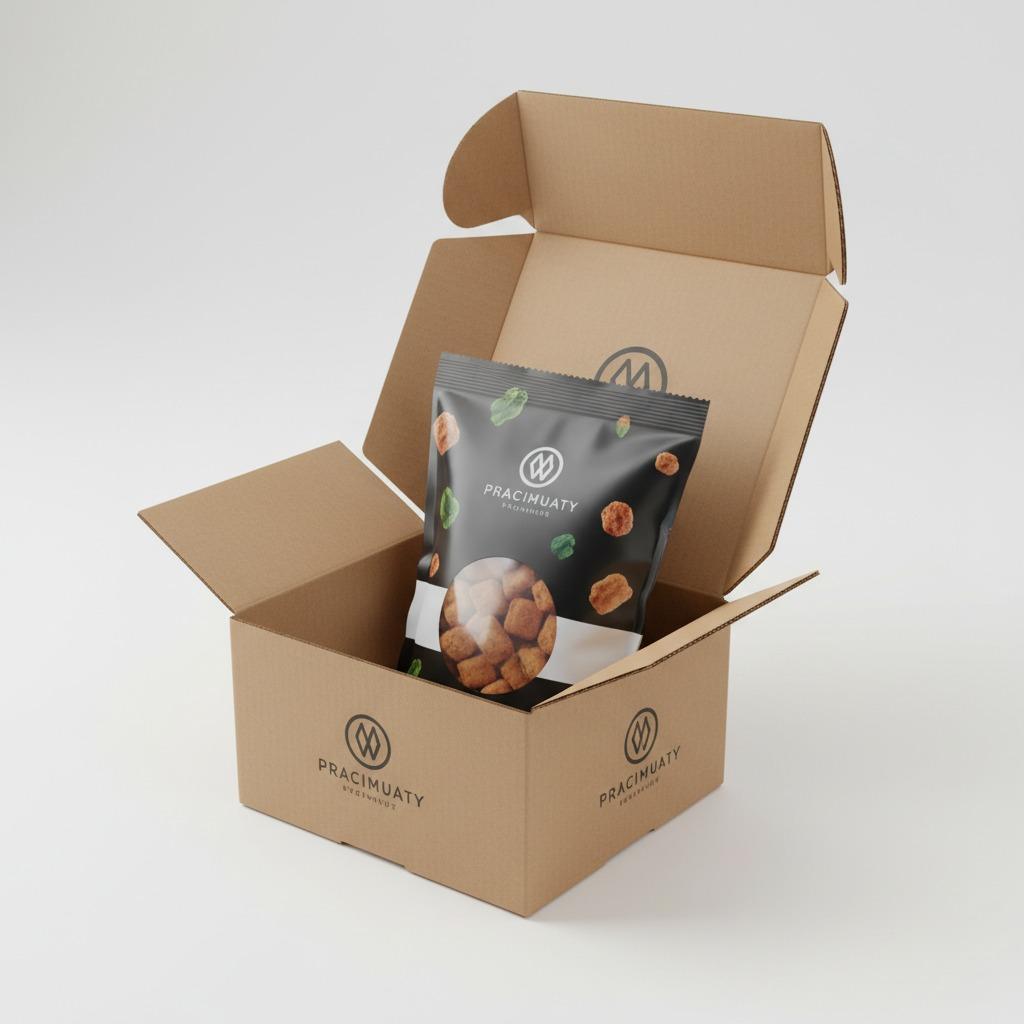
Packaging for snacks, candies, nuts, and similar retail foods often carries a double burden. It must protect the contents and also sell the product in a crowded environment. The product information describes a stand-up or flat-bottom pouch with a wide front face, a lower transparent section, and full-color printing on the upper panel. That combination is useful because it gives buyers both branding space and product visibility. In other words, the package can act like a custom cardboard gift box in terms of presentation, while still using flexible packaging for efficiency and shelf fit.
For sourcing teams, the practical question is not whether the package is “nice.” It is whether it communicates quality fast enough to justify the shelf space and whether it survives handling. A box may be better for premium gifting, while a pouch may be more efficient for lightweight snacks. The right answer depends on the product and the route it takes to the customer.
Quick Buyer Comparison: Box, Pouch, or Hybrid Presentation
Rigid or folding gift box
Best when the item needs a premium, structured feel, or when the set includes multiple pieces. Boxes usually create a stronger unboxing experience, but they add material and packing steps.
Branded stand-up pouch
Useful when shelf presence, shipping efficiency, and product visibility matter. The visible front panel and upright form can still deliver a gift-like appearance if the artwork is handled well.
Hybrid approach
Some brands use a pouch inside a printed carton sleeve or outer box. That gives you a more premium feel without forcing every SKU into a rigid pack.
What the Provided Product Details Suggest
The packaging shown appears to use a glossy printed upper panel with a translucent lower section. That design is common in custom flexible packaging because it balances brand graphics with a windowed view of the product. For snack brands, that visual check matters more than people sometimes admit. Buyers want to see the nuts, candies, or dried snacks, not just a photo of them on the artwork.
The product data also mentions the possibility of custom logo printing, graphics, and QR codes. That is a useful reminder that modern packaging is not only a container. It can carry recipe ideas, traceability links, campaign pages, or simple brand storytelling. A logo custom gift box serves a similar purpose: it turns packaging into a brand surface rather than just a shipping expense.
Selection Criteria That Actually Help
Start with the product itself. Is it dry, fragile, oily, chunky, or likely to be resealed after opening? Next, think about the retail context. A clear window can help on shelf, but too much transparency may reduce the space for artwork. Then look at logistics. Flexible packs usually store and ship differently from cartons, and that can change your carton count, pallet pattern, and labor time.
Material choice also deserves care. The product information suggests a laminated film structure such as PET/PE, but that is not confirmed. In buyer terms, the point is simple: confirm the exact structure, barrier needs, and food suitability before you approve artwork. A pretty print file cannot rescue the wrong film specification.
Common Mistakes in Custom Packaging Projects
One common mistake is designing for the mockup instead of the filling line. Another is assuming every branded package needs maximum coverage. Sometimes a transparent lower panel does more selling than a fully printed face. A third mistake is ordering artwork before the technical details are settled. That leads to rework, and rework is expensive in packaging, even when the supplier is accommodating.
Buyers should also avoid vague language like “premium feel” without defining what that means. Is it matte finish, sharper print, a gusseted bottom for standing display, or simply better structure? The more concrete the brief, the less risk later.
How to Brief a Supplier Clearly
When requesting a custom printed gift box style package, even if the final format is a pouch, give the supplier the essentials: product type, fill weight or volume, display requirements, whether a window is needed, what information must fit on pack, and where the pack will be sold. If you need QR code placement or multiple color variants, say so early. The image data suggests the printed area can support branding and codes, which is helpful, but only if the layout is planned with those elements in mind.
Ask for samples, proofing, and material confirmation before you commit to a production run. That sounds basic, but in packaging it is where many programs succeed or stall.
FAQ
Is a pouch really a gift box?
Not literally. But for snack and retail food brands, a well-designed pouch can perform many of the same branding and presentation duties.
Should I choose a windowed design?
If product appearance helps sell the item, usually yes. If freshness, brand graphics, or light protection matter more, the answer may be different.
Can I add a logo and QR code?
Yes, the provided product information indicates those customization options are supported.
Next Step for Buyers
If you are comparing packaging options for a snack line, giftable retail product, or promotional food item, start by deciding whether you need the structure of a box or the efficiency of a flexible pouch with custom branding. Then brief the supplier around function first, decoration second. That usually gets you to a better package faster than chasing a catalog style that looks good but does not fit the job.