

A cosmetic label often has to carry a brand name, product identity, quantity, directions, ingredients, warnings, business details and batch information on a small curved surface. Effective cosmetic packaging labels begin with information hierarchy and regulatory review before decoration.
Layer 1: identify the product at a glance
The front panel should make the brand and product identity easy to find. Decide which benefit statement or variant name is secondary. Too many equal-sized messages create visual competition and reduce quick recognition.
Layer 2: reserve space for required information
Labeling requirements vary by product and market. For products sold in the United States, the FDA's Cosmetics Labeling Guide provides official context. Confirm current requirements and claims with qualified regulatory advisers before printing.
| Information group | Layout risk | Proof check |
|---|---|---|
| Brand and product identity | Competes with decorative claims | Read from normal shelf distance |
| Net contents | Placed near a curve or seam | Apply to the production container |
| Directions and warnings | Text becomes too small | Print at final size and review physically |
| Ingredients | Long copy overruns the panel | Lock approved copy before prepress |
| Batch or date code | No clear variable-print area | Test the coding process and readability |
Layer 3: design for the container shape
A flat artwork file does not show how text wraps around a bottle or tube. Keep critical information away from tight curves, label overlaps and areas covered by caps. Apply a full-size paper mockup before preparing the final die.
Layer 4: match adhesive to filling and storage
Ask whether the label is applied before or after filling, whether the surface is plastic, glass or coated paper, and whether products face oil, water or refrigeration. Test labels after the adhesive has had time to build its intended bond.
Layer 5: make small text physically readable
Print the proof at 100% scale. Check type weight, contrast, line spacing and the effect of a glossy laminate under light. A screen zoom can make text look more comfortable than it will be on the package.
Layer 6: protect variable data and scanning areas
Batch codes, dates, barcodes and QR codes need clear zones and suitable surface finish. Test the actual coding and scanning equipment. Avoid placing critical marks where the container flexes or the label seam overlaps.
Approve both the roll and the applied label
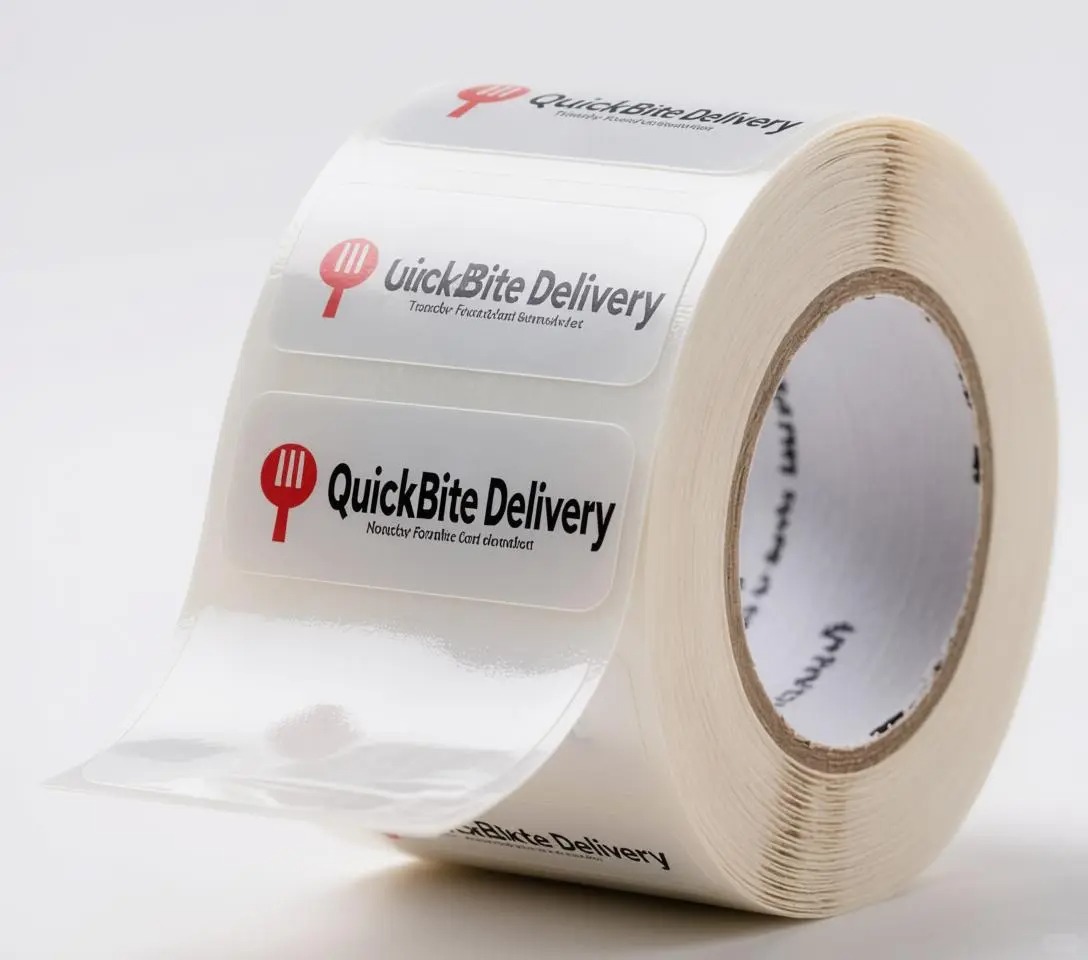
Roll direction, core size and winding affect the labeling process. The buyer should approve color and cutting on the roll, then inspect cosmetic packaging labels after application, filling, handling and expected storage.
- View PackMK custom adhesive labels
- Explore PackMK special printed labels
- Send a cosmetic label application brief
Reliable cosmetic packaging labels connect correct approved content with a readable layout, suitable material and tested application process.
Cosmetic label questions
What information goes on cosmetic packaging labels?
Content depends on the product and market. Confirm product identity, quantity, ingredients, directions, warnings and business information with a qualified adviser.
Why should label artwork be tested on the container?
Curves, seams, caps, transparency and viewing angles can hide or distort information that looks correct in a flat file.
Which label material works for cosmetics?
The choice depends on the container, filling process, oil, water, refrigeration, desired finish and required durability.
What should be specified for label rolls?
Specify finished size, material, adhesive, finish, cut, roll width, core, winding direction, quantity and application method.