

Card Printing for Tarot Decks: What Buyers Should Look For Before They Order
Card printing is one of those manufacturing jobs where the surface detail does a lot of the selling. In tarot and oracle products, the print quality on the cards, the tuck box or rigid box, and even the way the artwork reads under retail lighting all shape whether a deck feels collectible or forgettable. If you are sourcing a new line, or refining an existing one, the real question is not just “Can this be printed?” but “Will the finished set look coherent, survive handling, and justify its shelf presence?”
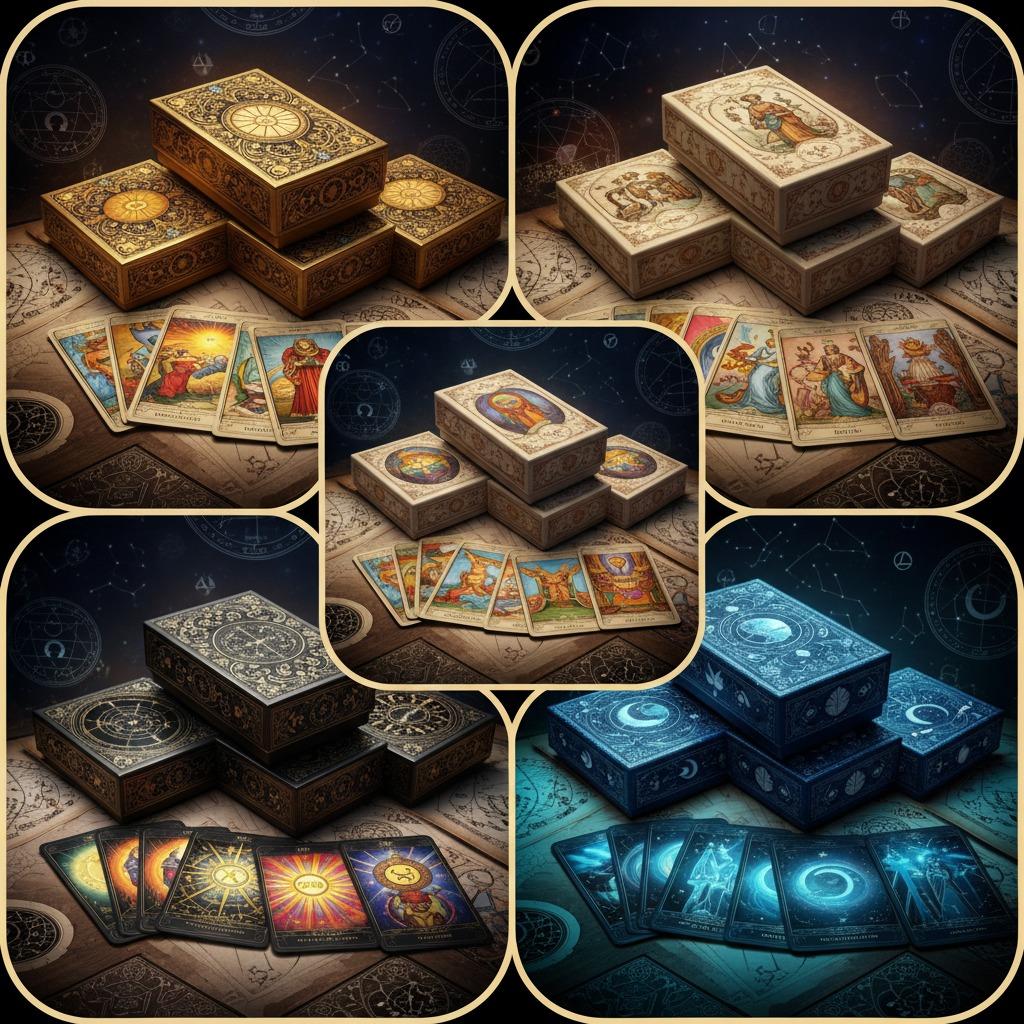
The image here points to a familiar package format: compact deck boxes with ornate graphics, metallic-looking accents, and printed card faces or backs. That makes sense for spiritual gift products, collectible decks, and small-batch retail runs. It also highlights a practical reality buyers sometimes underestimate: with custom card printing, the box and the cards have to be designed together. A beautiful deck in a weak package can still disappoint at the point of sale.
Why card printing matters more than the artwork file
Design teams often focus on the illustration set first, which is understandable. But in production, the artwork file is only one part of the job. Print method, substrate, coating, color consistency, and finishing all affect how the deck feels in hand and how it presents in a store or unboxing video. For professional card printing, the details that matter most are usually the ones buyers see in the first five seconds: edge sharpness, color fidelity, registration, and whether the box closes cleanly.
That is especially true for tarot deck packaging. These products live in a visual category, so a slight mismatch between box design and card art can make the whole set seem less premium. On the other hand, a well-controlled printed box with foil-style decoration, crisp typography, and a clean fit can carry a lot of perceived value even before the cards are shuffled.
Common card printing formats used in deck products
Printed cards
Tarot and oracle cards are typically printed on cardstock or similar paper-based sheet materials, then cut and finished for handling. The exact thickness, coating, and stiffness depend on the product position. Some decks are made for frequent use, while others are designed more as collectible items. Since those specifications are not visible from a photo, buyers should confirm them directly rather than assuming one deck feels like another.
Card boxes and presentation packaging
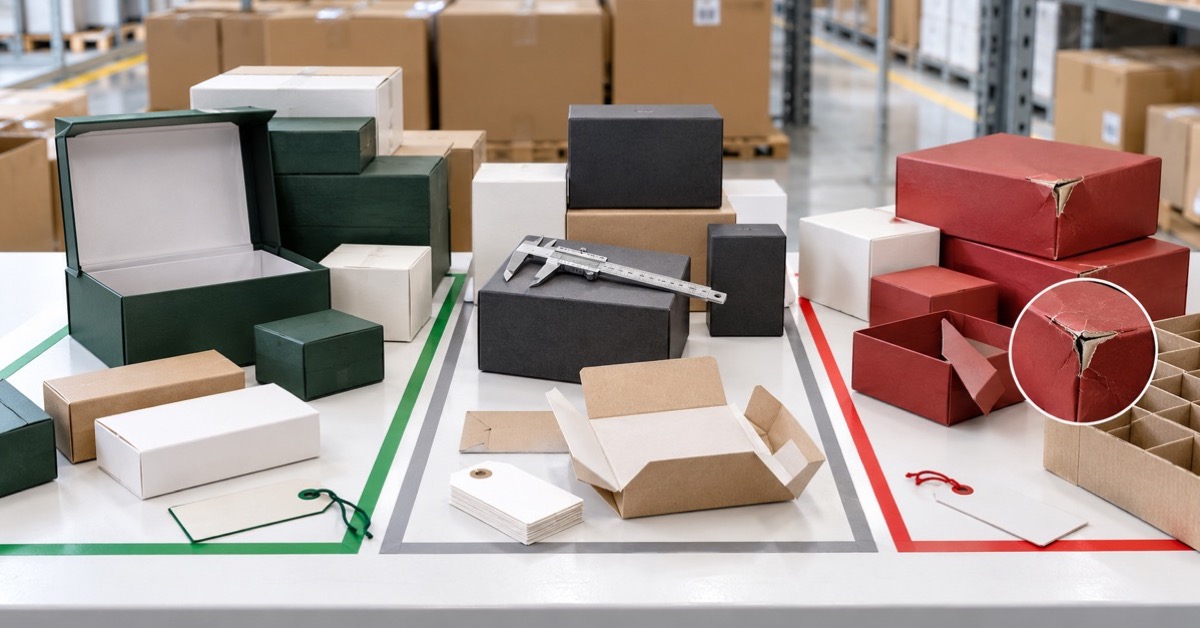
The packaging shown in the reference image appears to be a mix of small rectangular tuck-style or rigid-style boxes with printed outer decoration. That is a standard approach for custom card printing projects, especially when the deck is meant for gift retail or e-commerce fulfillment. Paperboard and rigid cardboard are common choices because they print well and support premium finishing options such as lamination, foil stamping, or embossing-like effects.
A buyer-facing caution here: fancy surface effects can hide problems if the underlying box structure is weak. A deck box may look excellent in mockups, but if the fit is loose or the walls are too thin, the customer experience drops fast.
What to compare when sourcing business card printing or deck printing services
Even though tarot decks are not business cards, many of the same production questions apply. When comparing business card printing and similar short-format print services, look beyond the headline claim of high quality card printing. Ask how the printer manages color control, edge consistency, finishing, and packaging conversion. Those are the issues that determine whether a sample run scales cleanly into a retail product.
For professional card printing, it helps to compare suppliers on a few practical points:
Artwork handling: Can they manage full-bleed art, repeated patterns, and dark backgrounds without banding or muddiness?
Finishing options: Are lamination, foil-style decoration, or spot effects available, and are they applied consistently?
Box conversion: Can the vendor produce the packaging as a complete unit, not just the cards alone?
Sampling process: Will they provide a physical proof or pre-production sample before the full run?
Format flexibility: Can the supplier support different colorways and packaging variants without forcing a complete redesign each time?
Selection criteria for custom card printing projects
For custom card printing, the best supplier is not always the one with the broadest claims. It is usually the one that understands the product category. Tarot decks need artwork clarity, good tonal range, and packaging that feels intentional. If the set is meant for retail shelves, the front panel has to read quickly. If it is meant for online sales, the box needs to photograph cleanly from several angles.
Buyers should also consider whether the card backs and box graphics are designed as a unified system. In the image, the multiple deck designs and colorways suggest how much visual variety a manufacturer can support. That variety is useful, but it can also create inconsistency if each version is handled as a one-off without production discipline.
Common mistakes that cost money later
One frequent mistake is treating the packaging as an afterthought. Another is choosing metallic or glossy effects without testing how they behave on the final substrate. Decorative graphics that look rich on-screen may print flatter than expected, especially on dark backgrounds. A third mistake is ordering a sample that looks good individually but fails when stacked, shipped, or displayed beside other products.
There is also a temptation to over-specify. Buyers sometimes ask for every premium effect at once, then discover that the finished deck looks busy rather than refined. In card printing, restraint often improves the result. A clean hierarchy of title, artwork, and accent detail usually reads better than a crowded surface.
Practical buyer advice before you place an order
If you are sourcing a tarot deck, ask for both card and box mockups together. Review them under normal light, not just on a bright screen. Check whether the artwork still reads when reduced to actual size. If your line includes multiple editions, confirm that colorway changes are intentional and controlled, not just the result of loose file management.
For branded retail products, professional card printing should support the product story rather than compete with it. That means clear typography, consistent print on the cards, and a box format that fits the sales channel. A compact presentation box may work well for gift shops and online orders, while a more rigid package may suit higher-end collectible positioning.
FAQ: What buyers ask most often
Is offset printing always better than digital printing?
Not always. Offset printing is often favored for larger runs and consistent color, while digital printing can be practical for shorter runs or faster iterations. The right choice depends on volume, artwork complexity, and the supplier’s actual capabilities.
Can the same supplier handle both the cards and the box?
Ideally, yes. One source for both usually reduces alignment problems and packaging surprises. It also makes it easier to control quality across the full set.
What should I ask for in a sample?
Ask for a sample that reflects the final card stock, finish, and box structure as closely as possible. A loose mockup is better than nothing, but it should not be mistaken for production reality.
A sensible next step for sourcing teams
If you are preparing a deck launch or refreshing an existing line, start with a print brief that covers the card format, box style, artwork treatment, and target market. Then compare suppliers on how they handle the complete package, not just the printed sheets. In this category, the right card printing partner will help you protect the look of the artwork, the feel of the deck, and the shelf appeal of the box at the same time. That combination is what usually turns a pretty concept into a product buyers actually keep.