

Card Printing for Deck Products: What Buyers Need to Decide Before They Order
Card printing looks straightforward until you try to turn a deck concept into something that survives handling, stacks neatly in a box, and still feels worth paying for. That is true whether you are sourcing business card printing, custom card printing for a promotional pack, or a more specialized project like tarot card deck packaging. The real decision is not just who can print the artwork. It is who can print the right card, on the right stock, with the right finish, and package it in a way that matches the product’s market position.
For sourcing managers and product teams, the challenge is usually a mix of appearance and durability. A deck that looks good in a mockup can fail in the hand if the coating scuffs too easily, the cards warp, or the tuck box opens too loosely. On the other side, overbuilding the product can push costs and waste material without improving the customer experience. That balance is where professional card printing earns its keep.
What the product format tells you
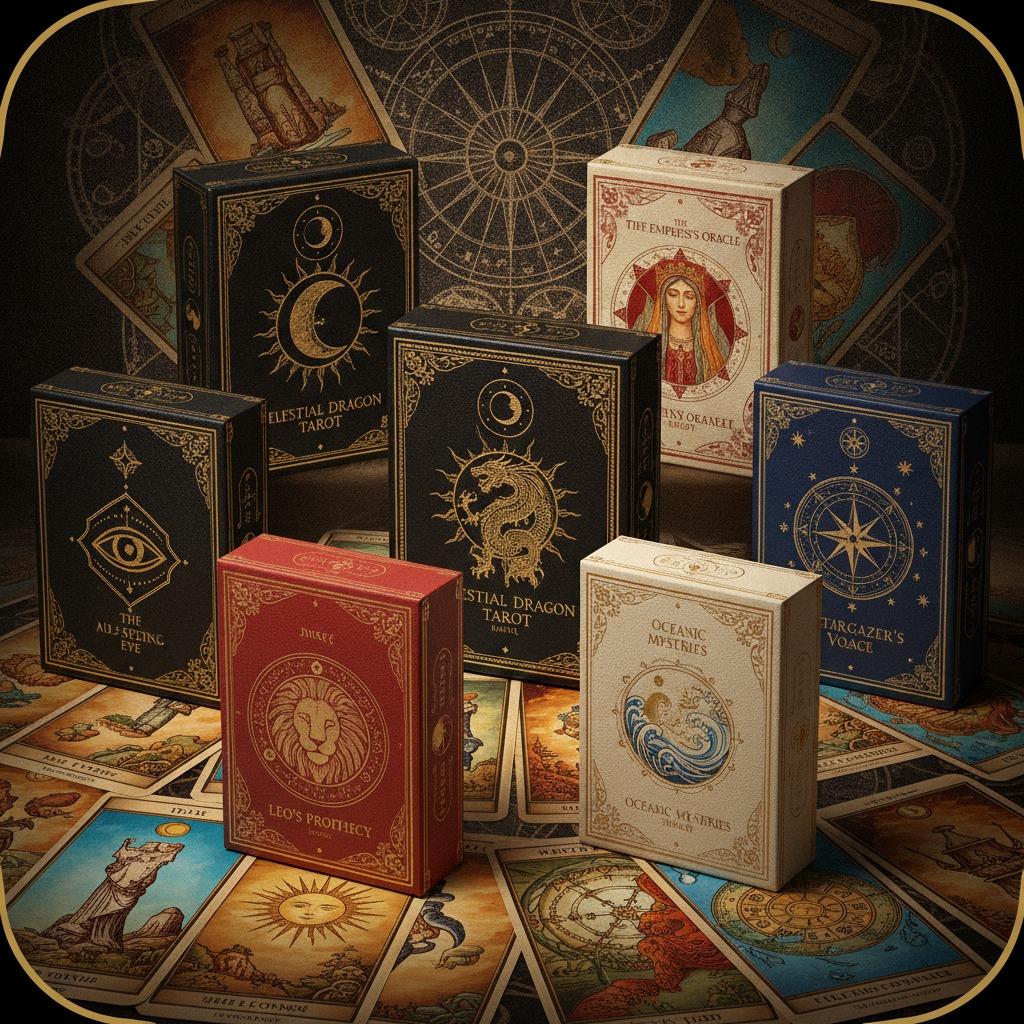
The tarot-style decks and printed card sets in the reference material point to a familiar packaging approach: rectangular cards, compact tuck-box style storage, and full-color decoration across both cards and outer packaging. Some box mockups show matte looks, others suggest metallic or foil-like accents, and a few use strong symbolic artwork with clear labels such as “Tarot Cards” or “The Fool.”
That mix matters because it shows how much the final buying decision depends on presentation. A card deck is not only a printed object; it is a retail product, often sold on shelf or shipped direct to customer. In that context, packaging is part of the value proposition. Buyers comparing high quality card printing options should think about the box and the deck as one system, not two separate jobs.
Quick reference: the choices that affect the final deck
1. Print method
Offset printing is often favored for larger runs because it can handle rich color and repeatability well. Digital printing can be the more practical route for shorter runs, prototypes, or frequent artwork changes. The right choice depends on run size, artwork complexity, and how many variations you need.
2. Surface finish
A finish can change both the feel and the life of the product. Matte can give a softer, more premium look. Gloss can sharpen color and contrast. Foil, embossing, or spot UV can add shelf appeal, though they should be used with restraint. Decorative effects are easy to overdo on a concept sheet and harder to justify on a costed product.
3. Box style
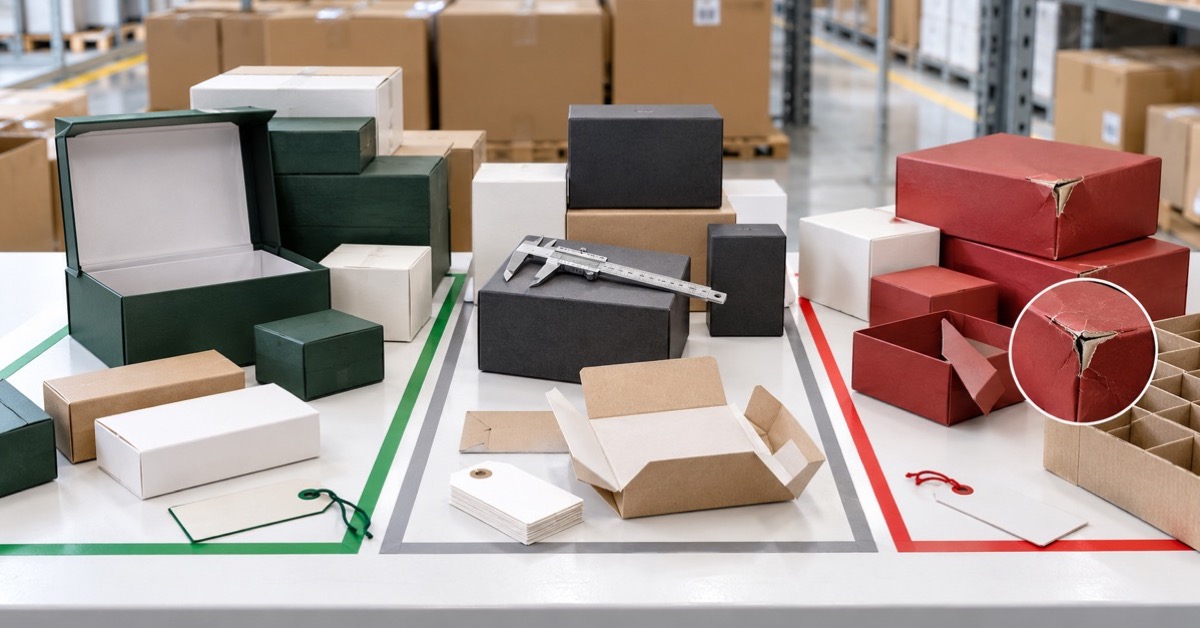
Tuck boxes are common for compact decks because they are simple, familiar, and efficient to ship. They also create limits: if the deck is thick, laminated heavily, or includes inserts, the fit may need adjustment. A snug box is good; a box that fights the buyer is not.
Where buyers get into trouble
One common mistake in business card printing and deck production is treating the artwork as the whole job. It is not. Card size, corner radius, stock thickness, coating choice, and pack-out all influence how the finished product behaves in a retailer’s hands or a customer’s mailbox.
Another recurring issue is assuming every decorative effect adds value. Metallic ink, foil stamping, embossing, and heavy black coverage can all look impressive in mockups. But unless the brand story supports that finish, the result can feel busy or fragile. A cleaner design often sells better, especially when the product is meant to be handled repeatedly.
Custom card printing also needs practical file discipline. Borders must be managed carefully, dark fields should be checked for scuff visibility, and text should stay readable after trimming. Those are boring details until they become expensive ones.
How to choose a supplier for professional card printing
Start with the end use. Is the deck a retail tarot product, a promotional give-away, a collectible set, or a sample pack? A supplier that understands one category may not automatically understand another. Ask for evidence of similar work, not vague assurances.
Then examine production flexibility. Can they handle multiple box designs in one program? Can they support card faces, backs, and packaging without forcing you to split the order across too many vendors? For branded products, simplification usually saves more than it costs.
Buyers should also ask about proofing. A physical proof or well-controlled sample run can reveal issues that a screen mockup will hide, such as ink density, color shift, or box fit. It is a small step compared with a bad full run.
Practical advice for product and sourcing teams
If the deck is meant to feel collectible, put money into structure and finish before chasing novelty art. If it is meant to sell by volume, prioritize reliable card handling and consistent box assembly. If it is a launch item, build in time for sampling. Speed is useful, but a rushed first run can damage a product line before it starts.
For brands exploring card printing for the first time, the safest path is usually a staged one: define the deck format, confirm the packaging style, review a sample, and then lock the decoration choices. That sequence may feel slower, but it usually produces fewer surprises.
FAQ
Is card printing only for business cards?
No. The same production thinking applies to promotional packs, playing cards, tarot decks, collector sets, and custom-branded inserts. The requirements change, but the decision points are similar.
Do foil and embossing always improve the product?
Not always. They can improve perceived value, but only when they fit the design and the market. Used without purpose, they become cost without return.
What should I request before placing an order?
At minimum, request a proof, confirm box dimensions, review the finish, and verify how the deck will be packed for shipment. That is the practical baseline.
Next step
If you are planning a deck launch or comparing custom card printing suppliers, start with a sample-driven brief instead of a finished-artwork-only request. The strongest vendors will talk about structure, finish, and packaging together. That is usually the sign you are dealing with someone who understands the difference between a printed sheet and a sellable product.