

A factory visit tells you more when it follows the work instead of the sales script. On a canvas tote bag factory China trip, the useful moments arrive at specific hours: how rolls are identified before cutting, who signs the first-off, how a bar tack is tested, and what happens to a tote that fails inspection. One day observed in sequence exposes more than a shelf of perfect samples.
PackMK plans these visits as a timeline rather than a checklist. Every station has an input, a decision, an output and one piece of evidence. When the same order is traced from roll intake to the loading dock, gaps appear where they actually occur, and the buyer leaves with records instead of impressions.
Short answer: Walk the visit in production order, ask at each station what enters, what is decided and what is recorded, and leave with photographs, marked samples and a dated trail that a reorder can reuse.
Plan the canvas tote bag factory China walk
Before the visit, name the order you want to follow. Ask the supplier to schedule the walk during a run that matches your construction, canvas weight, print route and packing method. A comparable running job teaches more than a demonstration arranged for visitors, because the line carries normal pressures, normal waste and normal questions.
Bring the released drawing, artwork version, approved sample and packing instruction, together with the open items from your last shipment. PackMK recommends telling the host which records you expect to inspect. That single message turns a tour into a verification exercise, and it shows whether the factory can retrieve its own documents without a search party.
Visit plan at a glance
| Time | Station | What you are verifying | Evidence to collect |
|---|---|---|---|
| 07:30 | Roll intake | Material identity and condition | Roll lot label and receiving note |
| 08:15 | Cutting | Marker, count and usable area | Cut ticket and ply record |
| 09:00 | Printing | Color, registration and coverage | Marked print first-off |
| 10:00 | Stitching | Seam, bar tack and needle control | Tagged sample from the line |
| 13:00 | In-line check | Defect rules and segregation | Inline check sheet |
| 14:00 | Final inspection | Light, measurement and function | Final inspection record |
| 15:00 | Packing | Fold, count and carton identity | Carton photograph and mark copy |
| 15:30 | Loading | Carton condition and reconciliation | Loading count and seal record |
Print the plan and leave a copy with the host. PackMK keeps the same structure for every visit so that two candidate factories can be compared on identical terms.
07:30 Roll intake and material identity
Start where the material enters. Watch how a roll is checked against the purchase specification and how the remaining stock is stored. A canvas tote bag factory China that cannot show a roll lot label will struggle to explain a shade difference three weeks later, and the same weakness usually appears in fabric weight and width.
Ask what happens when a roll is short, dirty or the wrong weight. The answer tells you whether nonconforming material is quarantined or quietly fed into production. Record the lot reference, the measured width and the storage location for the order you are following.
08:15 Cutting: where a tote is won or lost
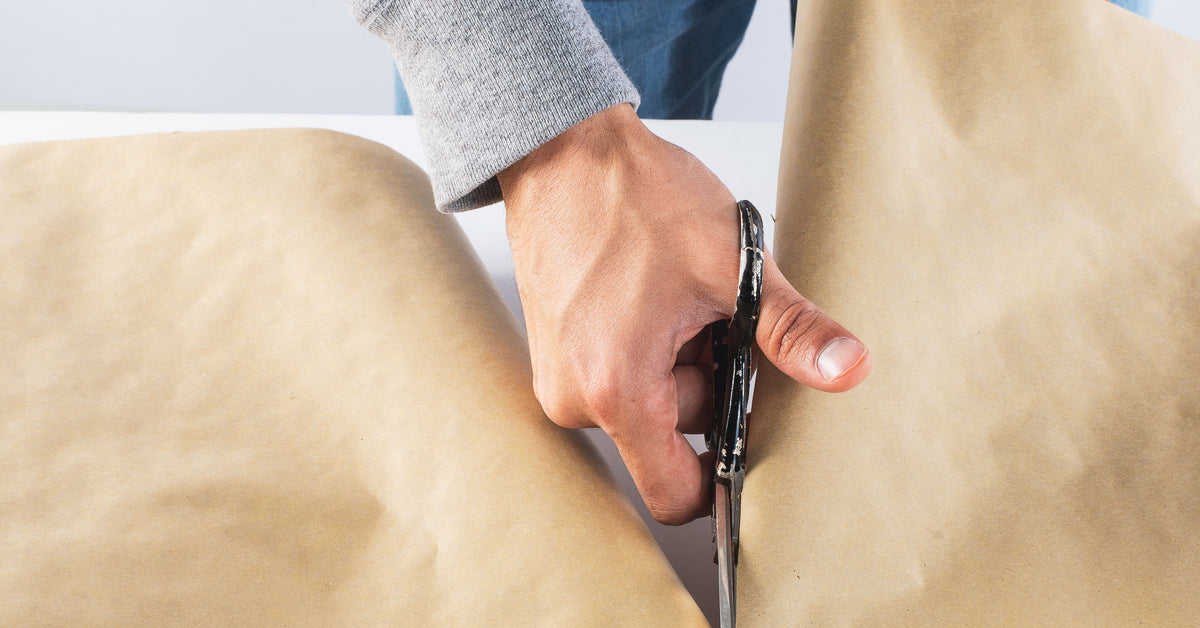
Cutting sets the finished dimensions, the balance of the body and the usable area for print. Watch the marker being laid, the ply count and how the operator handles fabric direction. Ask whether the pattern includes the gusset, the handle allowance and any turn of cloth needed after stitching.
Request the cut ticket and compare it with the released drawing. PackMK looks for three numbers on that ticket: planned quantity, actual cut quantity and waste. When waste is unexplained, the finished count is usually explained later by a shortage nobody wants to own.
09:00 Printing under the light it will actually live in
Print evaluation belongs on the line, not in a meeting room. Look at the press with the fabric running and compare the running sheet with the approved reference. Check registration at the seam, ink coverage on the textured surface and whether the operator has a target to aim at.
Ask how color is judged at the start of a shift and after a break. A factory that checks only the first piece will drift over a long run. Confirm that the marked print first-off stays with the job card and that the artwork version on the press matches the one on your order.
10:00 Stitching: handles, bar tacks and needle control
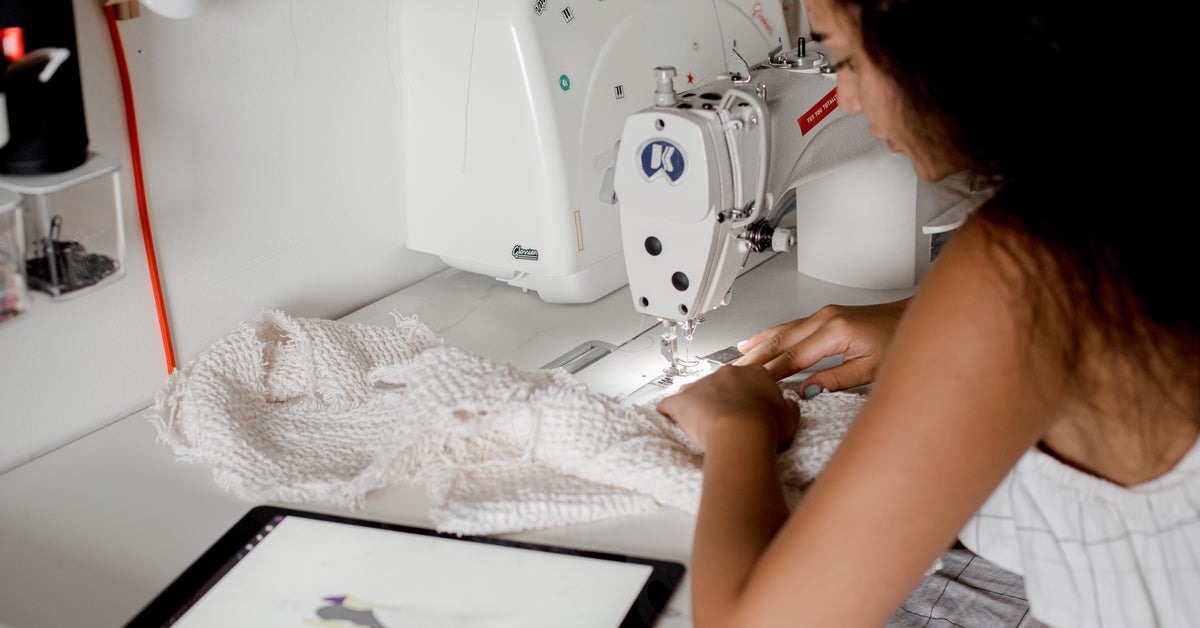
The stitching line reveals whether a construction is genuinely repeatable. Watch how the handle is positioned, how many stitches cross the stress point and whether a bar tack is verified by pull or by eye. Check the seam allowance on a finished piece against the drawing rather than against a neighbour.
Needle control deserves a direct question. Broken needles and skipped stitches belong in a log, and a factory that tracks both is usually more disciplined everywhere else. PackMK asks to see the replaceable-parts record and one tagged sample taken straight from the line.
13:00 In-line checks and the reject tray
A reject tray is the most honest object in the building. Ask what is in it, why each piece was set aside and how long those pieces have been sitting there. Then ask who decides whether a held tote is repaired, downgraded or scrapped, and where that decision is written down.
The inline check sheet should reference the same defect language you agreed before production. If inspectors describe problems in their own words, the final inspection will produce a fresh argument. PackMK asks for one filled sheet from the current run rather than a blank template.
14:00 Final inspection on the agreed table
Final inspection is a controlled comparison, so confirm the conditions: the light source, the working distance, the measurement tools and the sampling rule. Watch a full cycle from carton to decision, including how a measured dimension is recorded against the tolerance.
Ask to see a piece that failed and a piece that passed, side by side. This is the fastest way to learn whether the written rule matches the judgement on the floor. The final inspection record should carry the order, the version and the name of the person who signed it.
15:00 Packing, folding and carton identity
Packing decides how the tote arrives, not just how it leaves. Watch the fold method, the inner count and the way the carton is closed and marked. Compare the mark with the packing list while the carton is still open, because a hidden code cannot help receiving staff.
Ask how a partial carton is handled at the end of a run and whether leftovers are returned to stock or mixed into the next order. PackMK asks for a photograph of a sealed carton and a copy of the mark file for the record.
15:30 Loading, and the cartons that belong to another order
Loading is where segregation is proved. Look for cartons from other buyers, other versions or another destination staged in the same area. Ask how the loader confirms that each pallet matches the shipping instruction before it is wrapped or sealed.
Note the loading count, the seal reference and who closed the container or vehicle. A five-minute check at the dock is cheaper than a discrepancy discovered at the destination port, when the carton is already beyond anyone's reach.
What to photograph at each station
Photographs make the observations durable, so shoot with intent:
- the roll lot label beside the material being cut;
- the cut ticket against the released drawing;
- the running print sheet next to the approved reference;
- the handle and bar tack on a tagged line sample;
- the reject tray with the hold reason visible;
- the measuring tools used at final inspection;
- one sealed carton showing the full mark;
- the loading area with the pallet count visible.
PackMK stores these images with the visit note. A picture of a lot label is worth more at a reorder than a paragraph describing a good impression.
Questions a canvas tote bag factory China should answer immediately
Some questions should not need a colleague, a phone call or a walk to the office. Ask where the released drawing is kept, which version is in production today, who may approve a deviation and what the current yield is. Hesitation is information.
PackMK also asks what the factory would change if the order doubled. The answer usually identifies the real bottleneck, whether that is cutting capacity, a print supplier, a specific machine or a shortage of experienced stitchers.
Records to request before you leave
Ask for the roll lot reference, cut ticket, mark file, print first-off, inline check sheet, final inspection report and the loading count. Request one retained sample from the run and note the finished dimensions you measured yourself rather than the numbers printed on the drawing.
PackMK keeps this set in a single visit folder tied to the order. When the next purchase order is prepared, those records become the baseline for what should stay identical and what may reasonably change.
Read the day as a system
A single station can look impressive while the handoffs between stations remain weak. Judge the visit by how material, information and decisions move along the line. If the drawing is current but the cut ticket is stale, or the print first-off exists but the artwork version does not, the system has a gap.
PackMK scores nothing during the visit. We write down what was observed, photograph what can be photographed and note what could not be produced. That record then informs the brief, the quotation assumptions and the inspection plan for the order itself.
Read each observation as a question
| Observation | What it usually means | What to do next |
|---|---|---|
| The drawing on the line is not the latest version | Release control is informal | Withdraw the old file in writing and reissue |
| Cut ticket count cannot be reconciled | Waste is unmanaged | Ask for the reconciliation before the run ends |
| Rejected pieces are not separated | Quality decisions are delayed | Agree a hold area and a reason for each piece |
| Carton marks differ from the packing list | Records are maintained separately | Correct the mark file before loading |
| The operator cannot state the tolerance | The rule never reached the floor | Post the measured tolerance at the station |
| Loading area holds another buyer's cartons | Segregation is weak | Confirm the staging rule for your order |
PackMK writes the observation, the likely cause and the follow-up action in the same three columns, so the visit produces a task list rather than a set of opinions.
Case example: two handle specifications on one order
A retail brand orders reusable totes with a webbed handle for one market and a self-fabric handle for another. The logo and body size are identical, so the factory proposes one line run with a switch at the handle station.
PackMK would treat the two handles as separate released versions with their own bar tack specification, pull check and bag code. The visit would follow the changeover rather than the printed body, because that is where mixed handles become likely.
The record would note the number of handles pulled at each changeover, the first piece checked after the switch and how partially finished totes are separated while the switch is made. A retained sample for each version would travel with the order.
During a reorder, only the handle gate reopens if the body and artwork stay unchanged. That keeps the common work common and concentrates attention on the variable that actually caused risk.
Use recognized quality language as a reference
A documented factory observation benefits from common quality vocabulary and a clear division of responsibility between the buyer and the maker. Buyers can consult ISO quality management principles and ISO 780 packaging handling symbols reference for additional context. These references do not certify a particular PackMK order.
Write a canvas tote bag factory China brief
A practical canvas tote bag factory China brief should name roll lot reference, marker and cut ticket, print first-off, bar tack pull test, inline check sheet, final inspection record, fold method, carton mark, retained sample, reorder revision. It should also identify PackMK, canvas tote bag factory China, handle, gusset, master carton, inspection record, artwork, quotation, sample, packing list wherever they affect approval, production, packing or delivery. PackMK uses those fields to organize samples, quotation assumptions and release evidence.
Keep a single visit in proportion
One production day describes one order, one material and one shift. It is evidence, not a guarantee, and conditions can change with a different canvas, handle, print route, quantity or season. PackMK can structure the observation and the records, but product safety, labelling, customs and market requirements still need their own review.
Book a PackMK canvas tote bag factory China walk
Send PackMK the construction, canvas weight, handle type, print route, quantity and destination. We can organize a production-day visit, request the quotation assumptions in writing and prepare the inspection plan that follows.
Canvas tote bag factory questions
How long should a factory visit take?
Plan a full production day. A morning is enough only when you are confirming a familiar product with an existing supplier and a stable drawing.
Should I visit before or after placing an order?
A short visit before the first order reduces misreading of the drawing, and a second visit during production confirms how the line actually behaves.
What if the factory will not allow photographs?
Ask which areas are restricted and agree alternatives such as a written description, a marked sample or a measurement record made in front of you.
Which station matters most?
Cutting and stitching usually decide fit, balance and durability, while packing decides how the goods arrive at the warehouse.
How do I compare two suppliers fairly?
Follow the same order type, ask for the same records and record the same measurements at each factory on the same visit plan.
Do I need a formal audit?
Not always. A production-day walk with a written record is often more informative for a first order than a broad checklist scored from a distance.
What should I measure myself?
Measure the finished body, the handle length and the gusset, then compare them with the released drawing rather than with a second sample.
How do I handle a deviation found during the visit?
Write the observation, agree the correction, set a date and require a photograph or sample that shows the corrected state.
Can the visit replace inspection?
No. The visit verifies the process, and inspection verifies the goods, so both stay in the plan for a first order.
What should happen after the visit?
Issue a short note listing what was confirmed, what changed and what stays open, then attach it to the purchase order and the inspection plan.