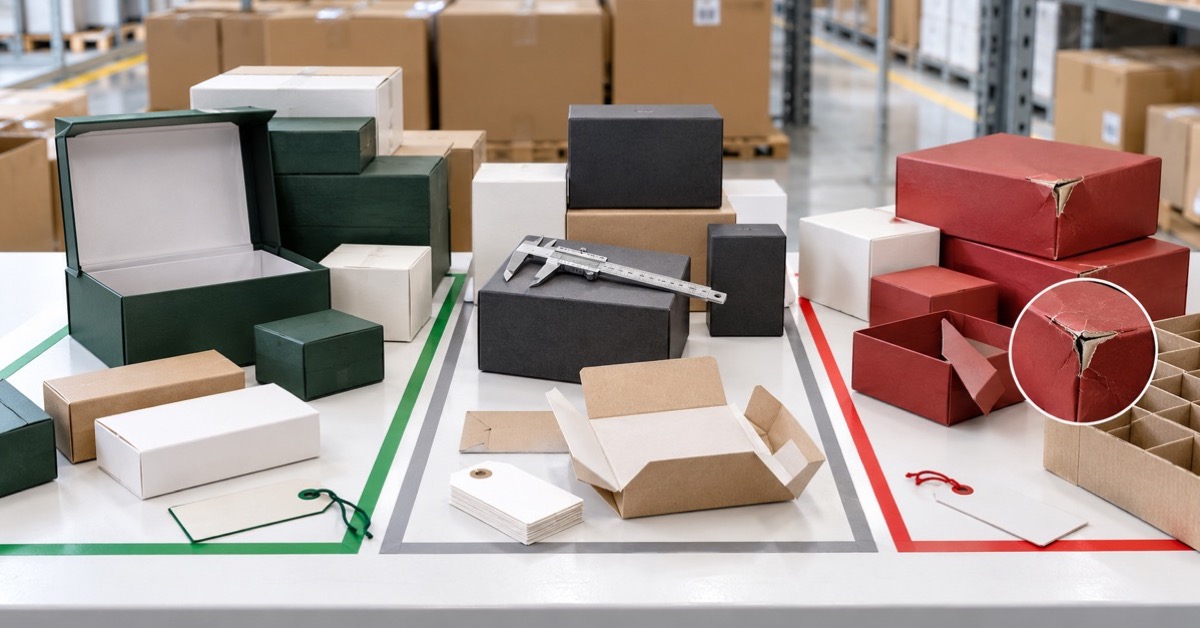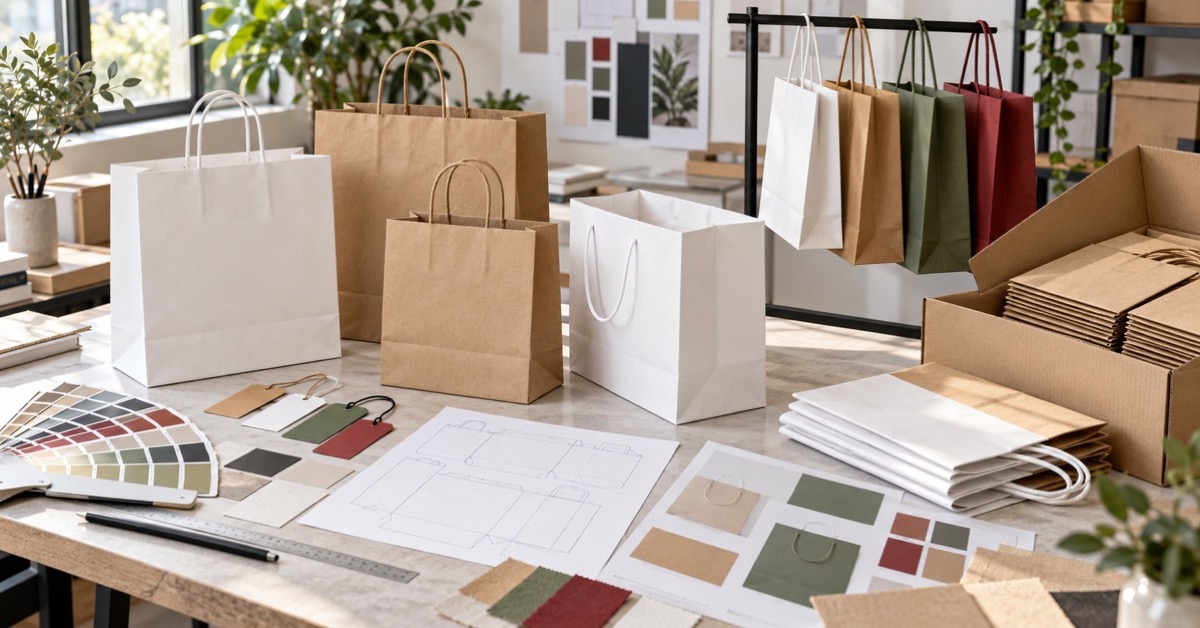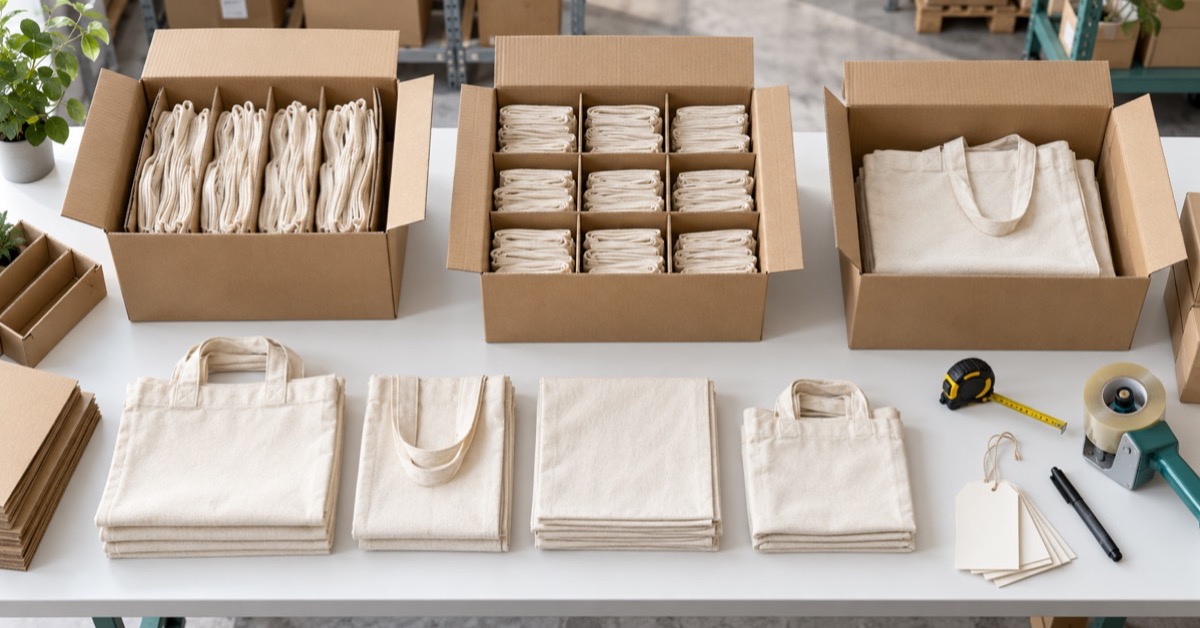


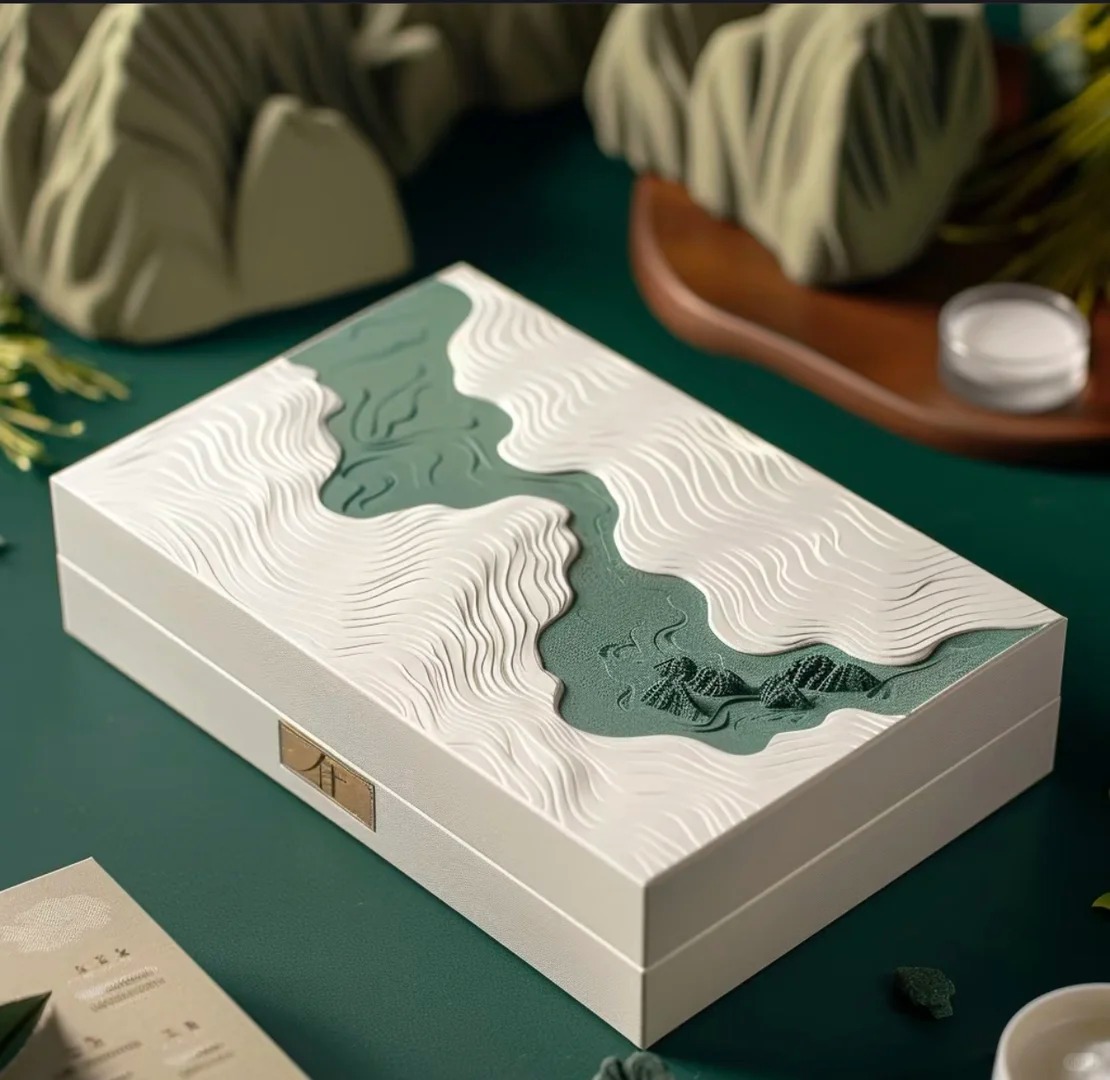
Large box runs fail when teams approve different things at different times. Bulk gift boxes need one release board that connects structure, material, insert, artwork, finish, tooling, first article and master carton before quantity amplifies a small error.
PackMK organizes the board around five sign-offs: product, brand, procurement, production and quality. Each team sees the same evidence and knows which change would reopen approval.
PackMK begins with the buyer's operating question and records the active brief, approver, physical reference and open risks before bulk release.
Sign-off 1: confirm the box assignment
Define whether the box is presentation, retail, storage or secondary packaging and what protection remains outside it. PackMK gives the decision an owner, reference and stop condition. A sample can close one question without being treated as proof of every production and transport risk.
Record product weight, orientation, opening frequency, channel and transport boundaries. This prevents a presentation box being expected to act as a shipper. Keep the evidence with the live specification so quoting, sampling, production, inspection and repeat orders use the same basis.
Sign-off 2: freeze the product set
Measure product, accessories, tolerances and vulnerable surfaces and define the opening sequence. PackMK gives the decision an owner, reference and stop condition. A sample can close one question without being treated as proof of every production and transport risk.
Load largest and smallest units and inspect removal, abrasion and movement. This prevents an insert being designed around an ideal item. Keep the evidence with the live specification so quoting, sampling, production, inspection and repeat orders use the same basis.
Sign-off 3: approve the architecture
Compare rigid lid-and-base, drawer, book style, folding carton or collapsible formats by experience and operations. PackMK gives the decision an owner, reference and stop condition. A sample can close one question without being treated as proof of every production and transport risk.
Score physical blanks for fit, assembly, cube, recovery and cost. This prevents a rendering deciding the structure. Keep the evidence with the live specification so quoting, sampling, production, inspection and repeat orders use the same basis.
Sign-off 4: lock board and wrap
Name grade, thickness, stiffness, grain, wrap, liner, color and substitutions. PackMK gives the decision an owner, reference and stop condition. A sample can close one question without being treated as proof of every production and transport risk.
Check formed samples because folding, wrapping and humidity change behavior. This prevents premium wording replacing material control. Keep the evidence with the live specification so quoting, sampling, production, inspection and repeat orders use the same basis.
Sign-off 5: release the insert
Specify material, cavity, clearances, finger access, orientation and retention. PackMK gives the decision an owner, reference and stop condition. A sample can close one question without being treated as proof of every production and transport risk.
Run movement, abrasion, packing and removal trials with tolerance extremes. This prevents a beautiful insert slowing packing or damaging product. Keep the evidence with the live specification so quoting, sampling, production, inspection and repeat orders use the same basis.
Sign-off 6: freeze the dieline
Issue coded cuts, creases, glue zones, magnets, windows and assembly notes. PackMK gives the decision an owner, reference and stop condition. A sample can close one question without being treated as proof of every production and transport risk.
Approve a blank and remove obsolete geometry from artwork circulation. This prevents graphics starting on a moving structure. Keep the evidence with the live specification so quoting, sampling, production, inspection and repeat orders use the same basis.
Sign-off 7: control artwork versions
Map brand, legal, product, language and SKU content to the correct dieline. PackMK gives the decision an owner, reference and stop condition. A sample can close one question without being treated as proof of every production and transport risk.
Use a master register and coded proofs for every version. This prevents the right design reaching the wrong box. Keep the evidence with the live specification so quoting, sampling, production, inspection and repeat orders use the same basis.
Sign-off 8: prove finishes physically
Set color, lamination, foil, embossing, varnish, texture and registration limits. PackMK gives the decision an owner, reference and stop condition. A sample can close one question without being treated as proof of every production and transport risk.
Rub, flex, stack and view formed samples under defined light. This prevents digital proofs hiding cracking or scuffing. Keep the evidence with the live specification so quoting, sampling, production, inspection and repeat orders use the same basis.
Sign-off 9: release tooling conditionally
List dies, foil blocks, embossing tools, magnets and jigs with ownership and revision. PackMK gives the decision an owner, reference and stop condition. A sample can close one question without being treated as proof of every production and transport risk.
Release irreversible spend only after structure and artwork signatures. This prevents tools being made for unstable files. Keep the evidence with the live specification so quoting, sampling, production, inspection and repeat orders use the same basis.
Sign-off 10: approve packing work
Define assembly sequence, glue cure, insert placement, cleaning and line reference. PackMK gives the decision an owner, reference and stop condition. A sample can close one question without being treated as proof of every production and transport risk.
Time a short packing rehearsal and inspect completed boxes from several operators. This prevents the design depending on one skilled packer. Keep the evidence with the live specification so quoting, sampling, production, inspection and repeat orders use the same basis.
Sign-off 11: compare the first article
Check initial production against structure, board, insert, artwork, finish, function and packing references. PackMK gives the decision an owner, reference and stop condition. A sample can close one question without being treated as proof of every production and transport risk.
Stop critical mismatches before bulk continues. This prevents sample-room quality failing on the production line. Keep the evidence with the live specification so quoting, sampling, production, inspection and repeat orders use the same basis.
Sign-off 12: inspect across the run
Sample beginning, middle and end output across shifts, variants and cartons. PackMK gives the decision an owner, reference and stop condition. A sample can close one question without being treated as proof of every production and transport risk.
Use named defect categories for structure, appearance, function, quantity and identity. This prevents good early boxes hiding later drift. Keep the evidence with the live specification so quoting, sampling, production, inspection and repeat orders use the same basis.
Sign-off 13: qualify the master carton
Set protection, count, orientation, dividers, moisture control, marks, cube and pallet plan. PackMK gives the decision an owner, reference and stop condition. A sample can close one question without being treated as proof of every production and transport risk.
Run a packed handling and receiving rehearsal on production cartons. This prevents approved boxes arriving rubbed, crushed or mixed. Keep the evidence with the live specification so quoting, sampling, production, inspection and repeat orders use the same basis.
Sign-off 14: close the release board
Store signatures, samples, dielines, artwork, tools, tests, deviations, inspection and packing data. PackMK gives the decision an owner, reference and stop condition. A sample can close one question without being treated as proof of every production and transport risk.
Add receiving feedback before the next release cycle. This prevents a reorder restarting approval from emails. Keep the evidence with the live specification so quoting, sampling, production, inspection and repeat orders use the same basis.
Give five teams a shared release view
| Owner | Approves | Evidence |
|---|---|---|
| Product | Fit and removal | Loaded sample |
| Brand | Artwork and finish | Physical proof |
| Procurement | Scope and cost | Normalized quote |
| Production | Assembly and tools | First article |
| Quality | Limits and packing | Inspection plan |
Know which change reopens approval
| Change | Reopen | Reason |
|---|---|---|
| Product size | Structure and insert | Fit |
| Board grade | Function and finish | Behavior |
| Artwork | Proof and tool | Identity |
| Finish | Durability | Process |
| Carton count | Packing | Protection |
Use paper and quality references as boundaries
Responsible sourcing and quality principles help frame decisions, while the approved box and production records control the order. Review FSC responsible forestry information and ISO quality management principles as context. The signed sample, actual route and documented conditions still control PackMK acceptance.
Release bulk gift boxes with shared evidence
For bulk gift boxes, record box structure, paperboard, insert, dieline, artwork version, surface finish, tooling, first article, final inspection, master carton. The controlled file also identifies PackMK, gift box, rigid box, folding carton, FSC, MOQ, ISO, carton. These terms turn a search phrase into fields that suppliers can quote and inspectors can verify.
Ask each supplier to return assumptions and exclusions in writing. A tolerance, substitution, minimum, lead-time condition or omitted service should become a sample question, cost option or release condition instead of remaining an informal promise.
Evidence must match the intended quantity, version mix and delivery route. A small sample may prove fit or appearance, but it cannot automatically prove run consistency, carton protection or receiving speed. Assign a later check for every risk the sample cannot close.
After receiving the first shipment, compare the outcome with the approved sample and inspection record. Note which check predicted the result, what surprised the team and which field needs revision. PackMK places that learning in the next brief rather than leaving it in an isolated message.
This buyer-question method keeps bulk gift boxes practical across sourcing, quality, sales and operations. Each major choice has an owner, evidence, a visible tradeoff and a recovery path when material, artwork, quantity or timing changes.
Produce bulk gift boxes with PackMK
PackMK can develop bulk gift boxes from brief and sampling through production checks and export packing. Send PackMK the product, intended use, artwork, quantity, variants, destination and required date to request a structured quotation for bulk gift boxes.
Bulk gift box release questions
What is needed to quote bulk gift boxes?
Provide product set, box format, dimensions, board, insert, artwork, finishes, quantity by version, packing and destination.
Why use a release board?
It keeps product, brand, procurement, production and quality decisions tied to the same current evidence.
When should a dieline be frozen?
After product fit, architecture and blank approval, before final artwork and tooling.
How is an insert approved?
Test tolerance extremes for retention, abrasion, removal, presentation and packing speed.
When can tooling be released?
After structure, material and artwork signatures identify the current revision and change owner.
What does the first article prove?
It proves transfer from approved development references to the live production route before bulk continues.
How are multiple versions controlled?
Use coded dielines, artwork proofs, production files, carton marks and a master version register.
What belongs in final inspection?
Structure, board, insert, artwork, finish, function, cleanliness, version, quantity, packing and cartons.
What protects gift boxes during shipping?
A qualified master carton with controlled count, orientation, dividers, moisture protection, marks and pallet plan.
How does PackMK support bulk gift boxes?
PackMK coordinates the release board, samples, tooling, first articles, inspection, export packing and reorder record.