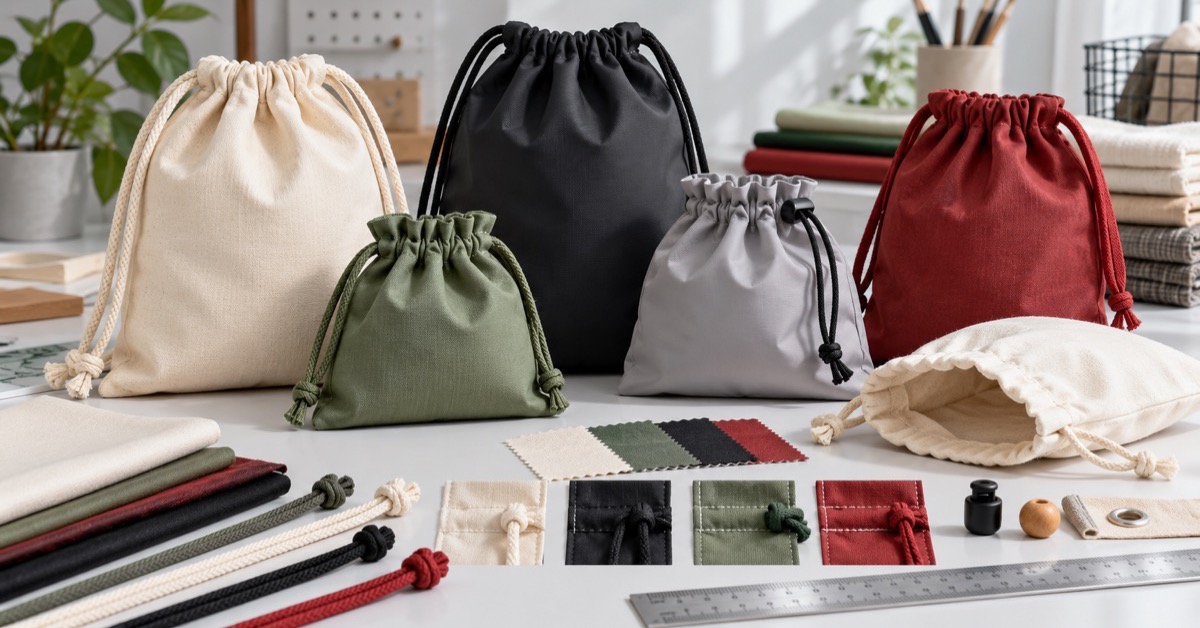


An ODM oxford cloth bags project begins with a bag that already exists. The shape, the pocket layout, the zip position and often the colour story come from a factory catalogue, and the buyer adapts them. That is the appeal: a known construction, a shorter development, a lower first-order risk.
The question that decides whether the project goes well is not how good the starting bag is. It is who owns the design at each stage, and what the buyer holds when the project ends. PackMK has watched brands lose a hard-won construction to a cheaper supplier because nobody wrote down where the design came from and where it stopped being borrowed.
Short answer: ODM oxford cloth bags pass through five gates: concept, construction drawing, print standard, pre-production sample, and release. Ownership is clearest when the buyer holds the signed drawing, the colour standard and a retained sample at each gate. Without those three artifacts the design stays effectively with the factory, however much it was adapted for you.
What ODM means for an oxford cloth bag
ODM means the factory developed the original pattern and offers it to more than one buyer. Your adaptation may be a size change, an extra pocket, a different zip, a lining, or simply print and colour. The more you change, the more of the design becomes yours, and the less of it stays shared.
Oxford cloth bags sit in an interesting place because the fabric is woven polyester with a recognisable hand. Small changes in yarn, coating and weave density produce bags that photograph alike and behave differently, which is exactly the kind of difference a construction drawing is meant to capture.
Design assets and who owns them
Before the first sample, agree which assets the project produces and who holds each one. The middle column is where most disputes start.
| Design asset | Default owner under ODM | How ownership changes |
|---|---|---|
| Base pattern and block | Factory | Changes only if you commission a new pattern |
| Your adaptations | Buyer once paid for | Name them in the development agreement |
| Graded size set | Depends on who paid | Pay for grading or accept factory sizes |
| Print artwork and colour | Buyer | Buyer holds the file and the approved target |
| Plates, dies and moulds | Factory | Buyer may buy and hold tooling instead |
The table is not a legal template. It is a prompt, and the answer to each row is short enough to fit in a development agreement without a lawyer rewriting the whole thing.
What each gate produces
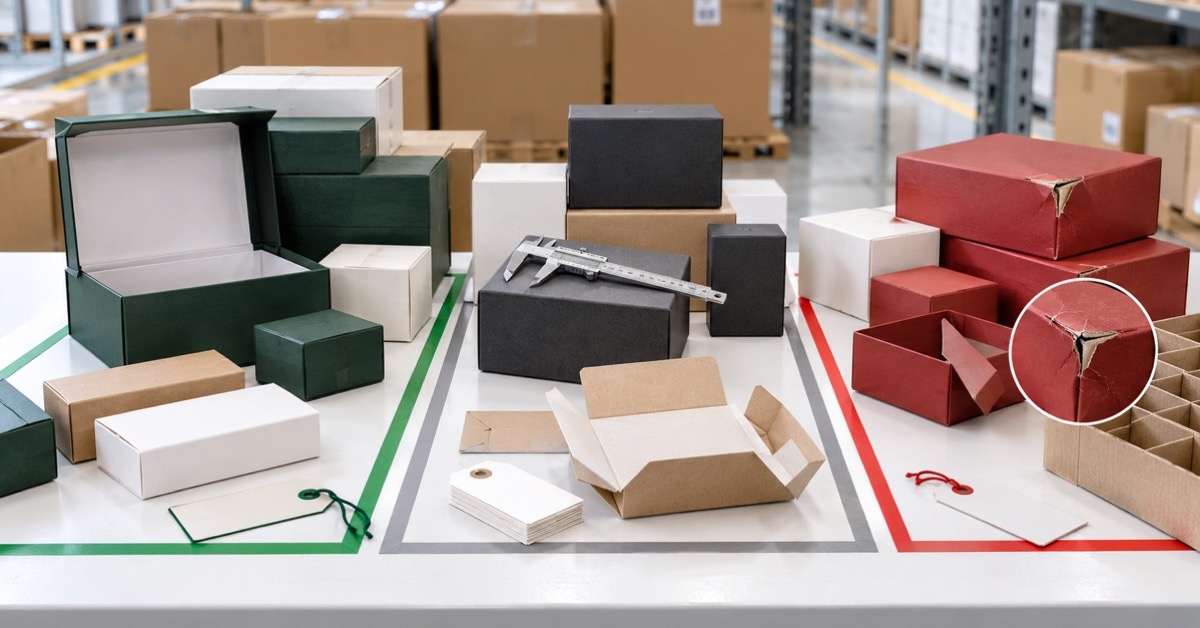
Five gates produce five artifacts. A project that skips a gate does not skip the work; it moves the work into the sample room, where it costs more.
| Gate | Question it answers | Artifact | Who holds it |
|---|---|---|---|
| Concept | What is the bag for | Concept file with a reference bag | Buyer |
| Construction | How is the bag built | Signed construction drawing | Factory, copy to buyer |
| Colour | How does the bag look | Approved standard on the fabric | Buyer |
| Sample | Does it match the drawing | Measured pre-production sample | Shared |
| Release | Is the design frozen | Handover pack and retained sample | Buyer |
Two of the five artifacts can be produced in a single week. The other three follow the sample, which is why an ODM oxford cloth bags schedule is usually limited by the sample rather than by the factory.
Gate one: the concept file
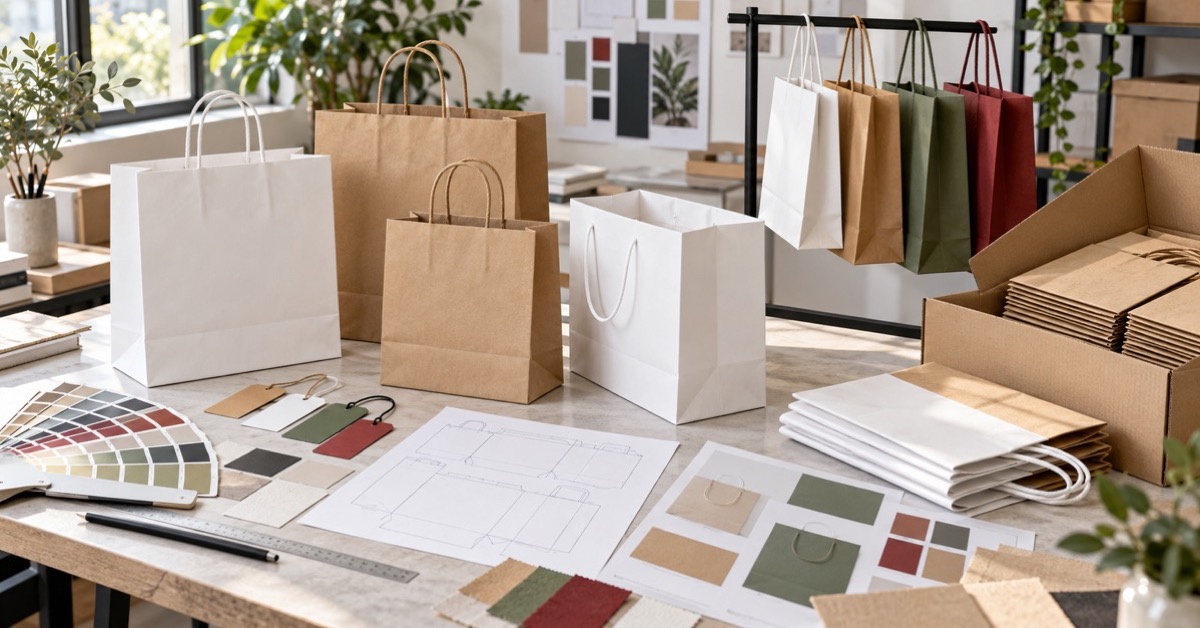
The concept file fixes what the bag is for, who carries it, what goes inside and how it is bought. Photographs and a reference bag belong here, along with the size you want and the two or three functions the bag must perform.
Write the reference bag down properly. A photograph of a similar bag on a shelf is thin evidence, and a factory that receives only a picture will guess at the construction. A physical reference, or a measured drawing of one, removes most of the guesswork at almost no cost.
Gate two: the construction drawing
The construction drawing is where an oxford cloth bag stops being a catalogue item. It records the finished dimensions, the panel sizes, the seam allowances, the pocket geometry, the zip type and where the webbing or shoulder strap is anchored.
Ask for the drawing as a file rather than as a photograph. A file can be checked against the sample and reused if you move supplier later. A photograph of a drawing on a table is a snapshot, and it is usually the only thing a buyer keeps when nothing else was agreed.
Gate three: the print and colour standard
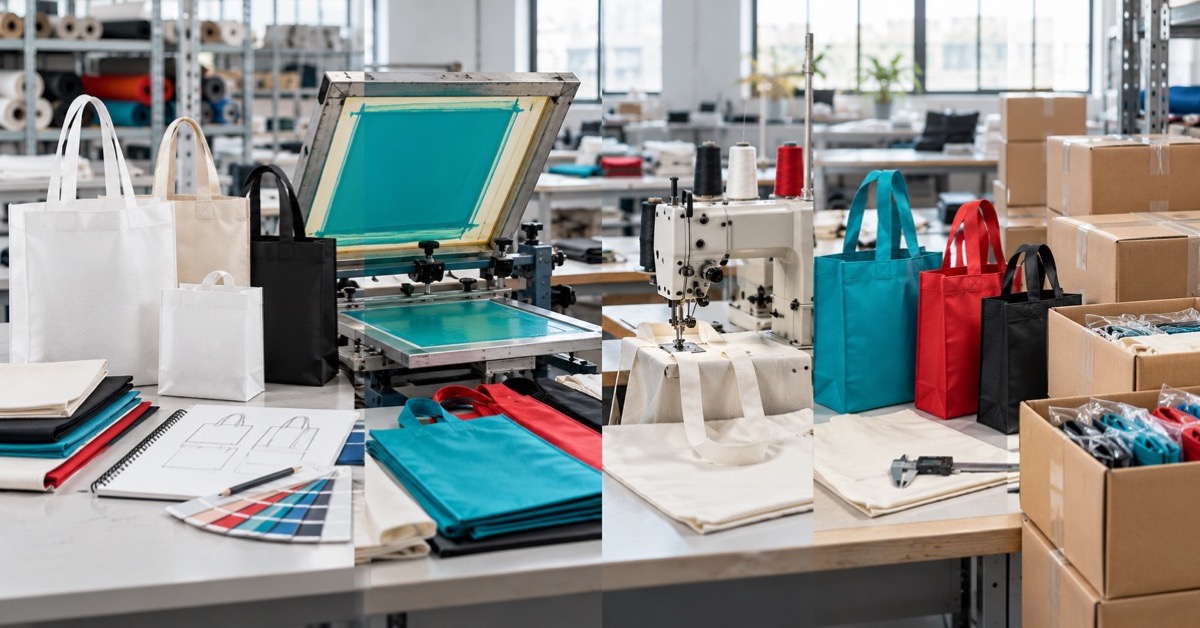
Oxford cloth takes print differently from cotton canvas. Ink sits on a coated surface rather than sinking into a woven one, and a colour that looks right on paper can shift on a coated bag.
Approve a colour standard on the actual fabric, and keep the approved piece. Where the design uses a Pantone reference, record whether the factory is matching to a coated or uncoated book and on which substrate the match was made.
Gate four: the pre-production sample
The pre-production sample is built with production material, production print and production stitching. It is the last point where a change is cheap, and the first point where the construction drawing can be tested rather than read.
Measure the sample against the drawing rather than against your memory of the concept. PackMK photographs each sample next to a ruler at three fixed angles, which turns a subjective approval into a record that can be compared with the next version.
Gate five: the release and handover
Release means the buyer says the construction is frozen. From that point the drawing, the colour standard and the approved sample stay with the order, and any later deviation is a change rather than a refinement.
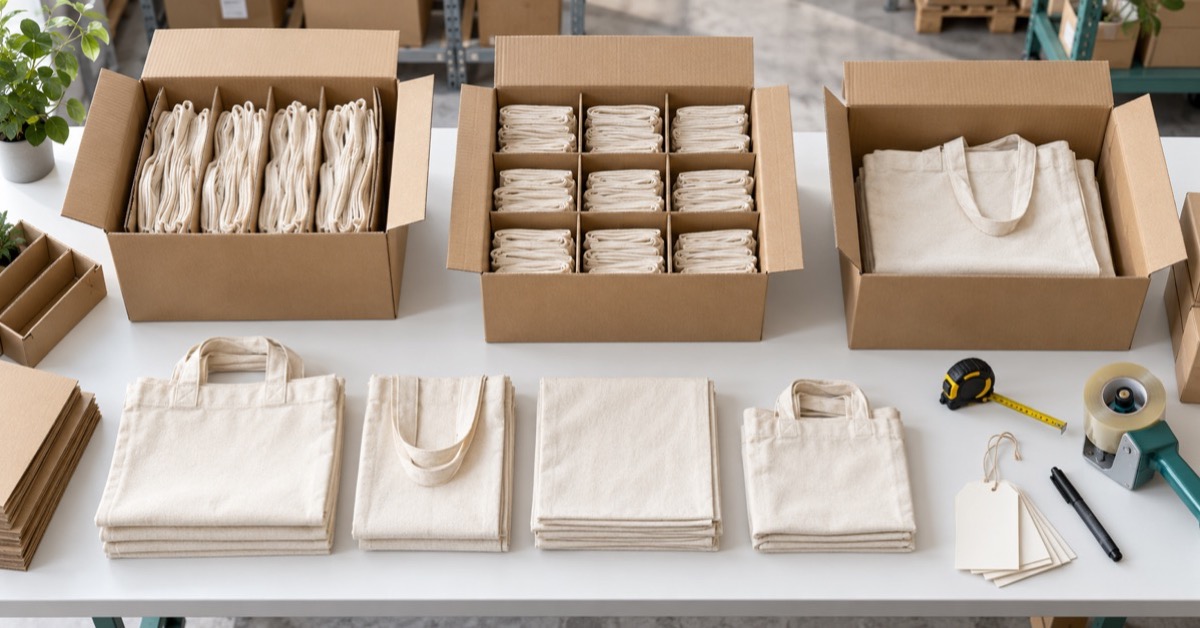
The handover is the useful half of that gate. At release PackMK returns the final drawing, the approved colour reference, the retained sample number and the packing specification to the buyer, so the design assets travel with the brand rather than staying in a factory folder.
What the buyer keeps at the end
A well-run ODM project leaves the buyer holding four things: the final construction drawing, the approved colour standard, a retained production sample and the bill of materials that names the fabric and trim.
Those four items are what make the next order cheaper. Without them, a second supplier starts from a photograph of the first supplier's bag and the slow, expensive guessing begins again.
Tooling, plates and moulds: who holds them
In most ODM arrangements the factory owns the plates and dies because they were made for a shared pattern. If your adaptation needed a dedicated die, say in writing whether you paid for it and whether you may collect it.
Printing plates are small and easy to hold; a cutting die is bulky and often tied to one press. A buyer who wants portability should buy the artwork file rather than the plate, and treat the die as the factory's business.
Development cost and how it is amortised
Development cost appears as sample fees, colour matching, grading and sometimes a pattern charge. Factories commonly refund part of it against the first production order, which is a reasonable arrangement as long as the refund conditions are written down.
Ask what happens to the development cost if the order is cancelled after gate four. The answer is usually a fair reflection of how much work has genuinely been done, and it is a good indicator of how the factory prices its own time.
Red flags in an ODM development
Five signals that a development is drifting away from a documented process.
- No construction drawing is offered, only a sample photograph.
- Colour is approved on screen rather than on the fabric.
- The sample is described as exactly like the catalogue item.
- Grading is promised verbally with no size set attached.
- Release is treated as the moment to raise a new price.
Each of these can be resolved with one short written exchange. Left alone, each tends to surface after the tooling is made.
How PackMK structures an ODM development
PackMK runs ODM oxford cloth bags work through the five gates and issues a short document at each one: the concept file, the drawing, the colour standard, the sample record and the release note. Nothing in the set is longer than two pages.
The value is in the sequence rather than the paperwork. A buyer who sees gate two before gate four can stop a project that is heading somewhere unhelpful, and a buyer who receives the handover documents at release can quote the same bag elsewhere, which is exactly the discipline that keeps a development honest.
Use a shared vocabulary for development
ODM, OEM, custom and white label are used loosely, and two factories will define them differently. Say what you are changing: an existing pattern with your print, an existing pattern with a new panel, or a pattern developed for you alone.
That sentence settles more than a definition does. It also tells the factory how to price the development, because a new panel means a new pattern block and a new pattern block means a new set of samples.
Case example: a brand that changed suppliers mid-development
A travel brand developed an oxford cloth weekender from a factory catalogue pattern. The adaptations were a wider base gusset and a second internal pocket, both settled by conversation rather than by drawing.
Two years later the brand wanted to quote the bag through a second supplier. It had photographs, a physical sample and nothing else, so the new factory measured the sample and rebuilt the pattern from scratch. The rebuilt bag was close, not identical, and the brand paid a second development fee for a design it had already funded once. PackMK now opens every ODM oxford cloth bags project by returning the construction drawing at gate two.
Where the development references come from
Development discipline borrows from general quality management rather than from a bag-specific standard, and the transport terms matter once samples start moving between countries. Buyers can consult ISO quality management principles and ICC Incoterms rules overview for additional context. These references do not certify a particular PackMK order.
Write an ODM oxford cloth bags brief
A practical ODM oxford cloth bags brief should name construction drawing, colour standard, retained sample, grading. It should also identify ODM, Pantone, bill of materials, Incoterms 2020 wherever they affect approval, production, packing or delivery. PackMK uses those fields to organize samples, quotation assumptions and release evidence.
Keep development proportionate
Not every ODM oxford cloth bags project needs a full drawing set. A brand buying a catalogue bag with its own logo may need nothing beyond a colour standard and a retained sample. The gates described here are worth running when the adaptation is structural, and they can be trimmed to two documents when it is not.
Start an oxford cloth ODM project with PackMK
Send PackMK the reference bag, the changes you want and the date you need a production sample. For an ODM oxford cloth bags project we will confirm which gates are needed, quote the development cost, and tell you what you will hold at release before any tooling is committed.
ODM oxford cloth bag questions
What does ODM mean for an oxford cloth bag?
The factory developed the original pattern and offers it to more than one buyer. You adapt size, pockets, trim, print or colour, and the more structural your adaptations, the more of the design becomes yours rather than shared with other buyers.
Can I sell an ODM bag under my own brand?
Yes, that is the normal use. What matters is whether a competitor can buy the same base pattern. If exclusivity is important, ask for it in writing and expect it to be tied to a volume commitment rather than to a handshake.
Who owns the construction drawing?
Usually the factory, unless you commission a new pattern. What you can always do is ask for a copy of the drawing for the version you paid to develop, which is enough to document the bag you are buying without claiming the factory's block.
Do ODM oxford cloth bags need a physical colour standard?
Yes. Oxford cloth is often coated, so ink sits on the surface and a colour that looks correct on a screen can shift on the fabric. Approve the colour on production fabric and keep the approved piece with the order record.
How many samples are normal?
Two or three in a structural development. One to test the concept, one to test the corrected construction, and one pre-production sample built with production material. More than four usually means the drawing was not specific enough.
What is a pre-production sample for?
It is built with production fabric, production print and production stitching, and it is the last cheap moment to change anything. PackMK measures it against the construction drawing so the approval rests on numbers rather than on impressions.
How long does an ODM development take?
Allow three to six weeks before production starts: one week for the concept and drawing, one to two weeks for sampling, and a further round if a structural change is needed. Print and colour approval usually runs alongside sampling.
Is a development fee normal?
Yes. Sample making, colour matching and grading all consume factory time. Many factories refund part of the fee against the first production order, and the refund conditions are worth writing down before the development begins.
Can I take the design to another factory later?
You can take what you hold. If the construction drawing, the colour standard and a retained sample are with you, a second supplier can rebuild the bag closely. Without them, the second supplier measures a sample and rebuilds from scratch at your cost.
What should an ODM oxford cloth bags brief include?
The reference bag, the changes you want, the finished size, the fabric and coating, the trim list, the print and colour route, and the date you need the first production sample. PackMK uses those fields to price the development rather than to price a guess.