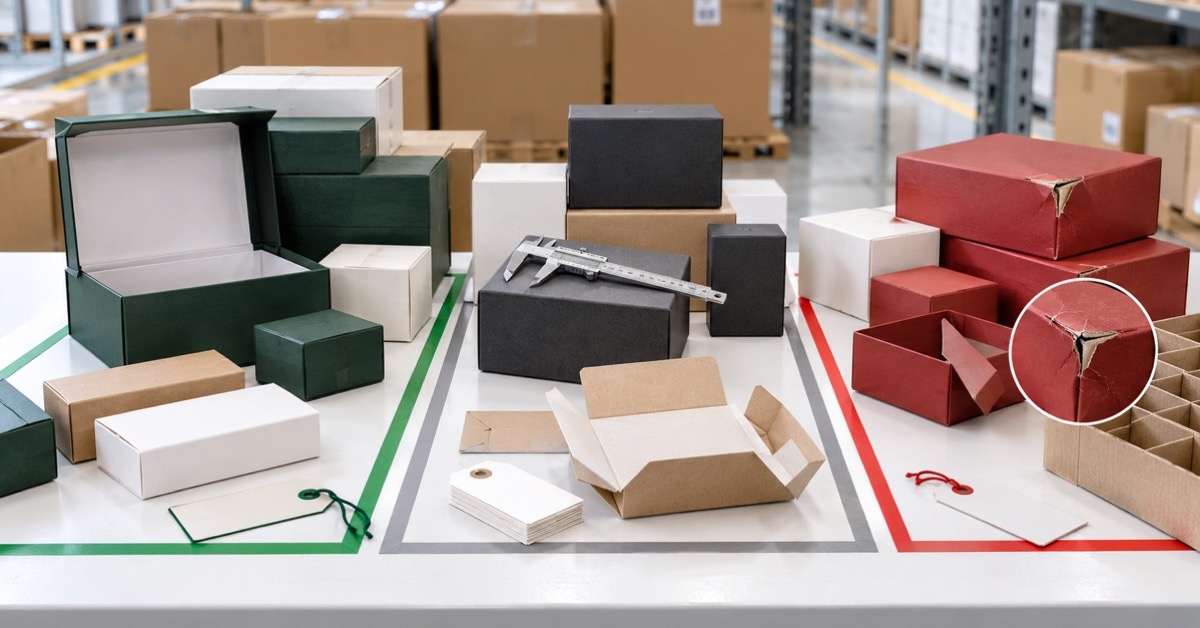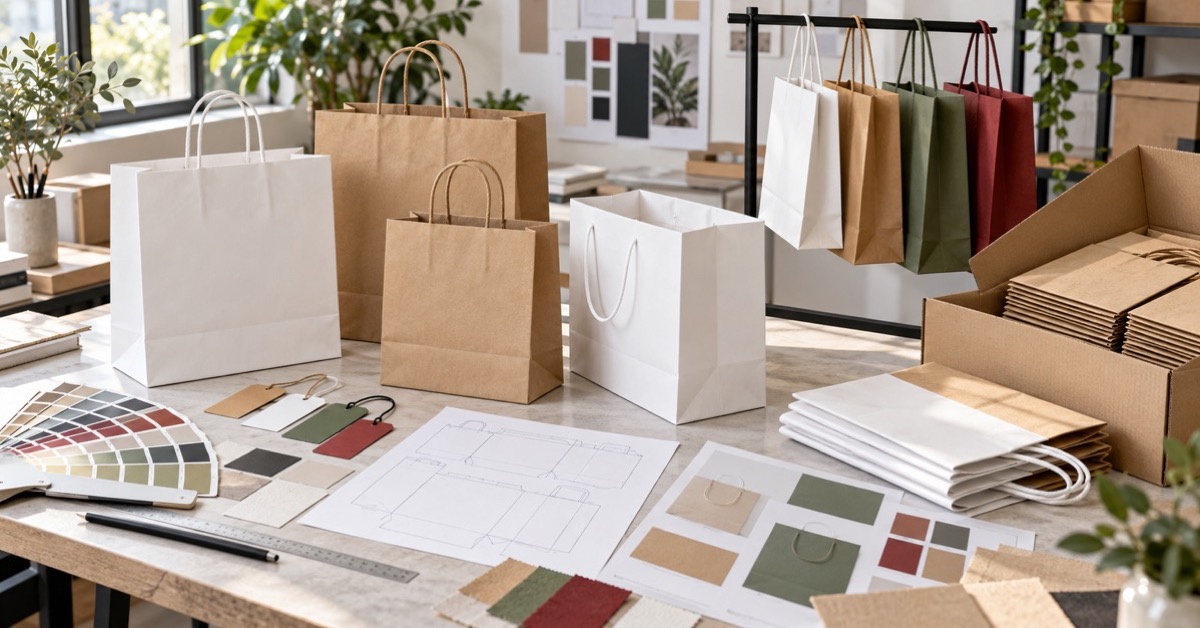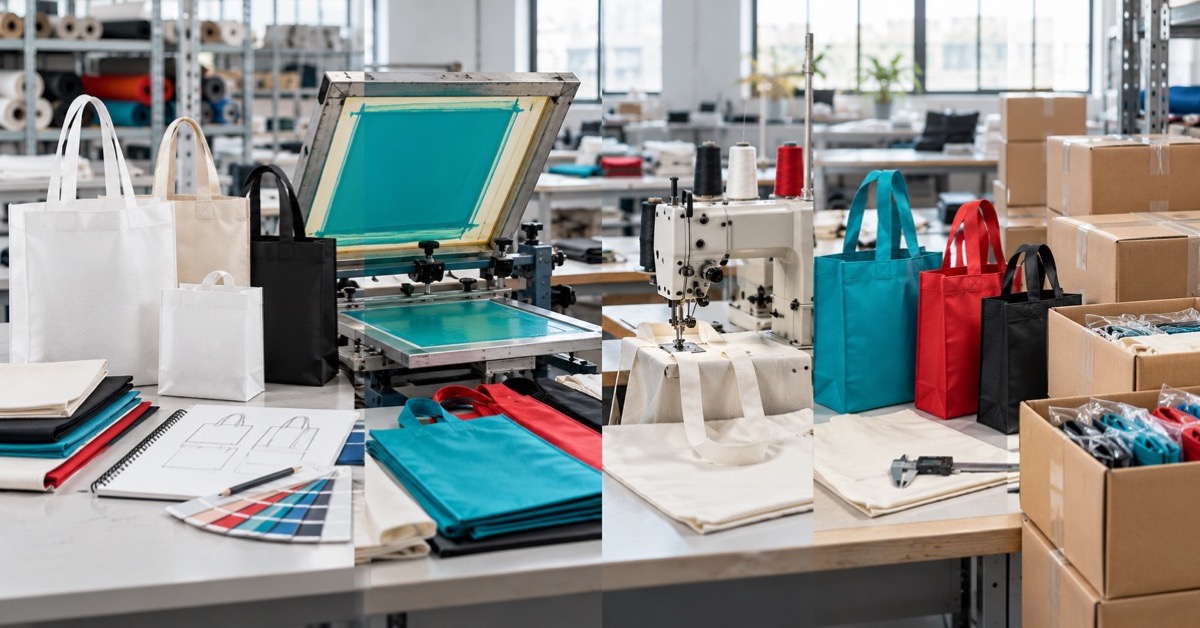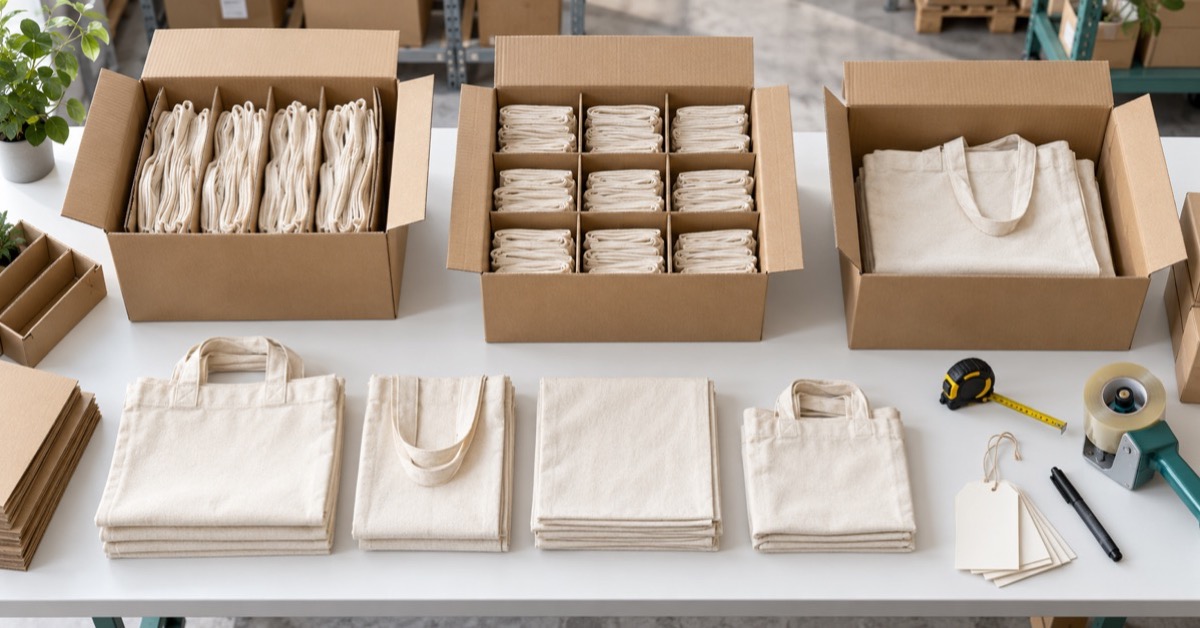



Most brands do not order a single ODM gift bags design. They order one, like it, and then ask for it in a second colour for spring, a smaller size for a promotion, and a sturdier board for a premium line. Within two seasons a base model has become a range, and the range has grown faster than the drawings.
That growth is where ODM projects lose their footing. Each version inherits some parameters from the base model and changes others, and a factory that is not told which is which will make its own decision. This is the version tree PackMK uses to keep a gift bag range readable to everyone who touches it.
Short answer: ODM gift bags grow as a version tree rather than as separate projects. A print version inherits the base structure, a size version inherits the print position, and a structure or material version starts a new branch that needs its own tooling. Naming each version and recording what it inherits is what keeps a range orderable.
How an ODM gift bag becomes a range
A range usually starts with a request that sounds like a colour change and turns out to be three changes. The colour needs a new plate, the new colour reads differently on the board, and the board is only available in one weight. Four emails later the factory has made three decisions on the brand's behalf.
The version tree is a way of slowing that down by one step. Before a version is quoted, it is placed on the tree, and the tree says which parameters it inherits and which it changes. The quote then reflects the branch rather than the request.
The version tree at a glance
Four levels cover most ODM gift bag ranges. The middle columns are what the factory needs in order to price the version without guessing.
| Level | What it is | What it inherits | What it may change |
|---|---|---|---|
| Base model | The original ODM construction | Nothing, it defines the rest | Everything, once |
| Print version | A colour or artwork change | Board, size, structure | Ink, plate and colour target |
| Size version | A new footprint or depth | Board and structure | Cutting die and print position |
| Material version | A different board or finish | Size and print position | Board, lamination and tooling |
A version that changes two levels at once is not a version. It is a new base model, and it should be priced and sampled that way.
The base model and the parameters that should not move
The base model is the drawing that defines the bag: finished dimensions, board grade, fold lines, handle type and the surface finish. Those five parameters belong to the base model and should not be edited by a seasonal version, because a change in any of them invalidates the tooling behind it.
Write them down as a numbered list on the drawing. A factory that receives a numbered base specification can tell at a glance whether a new request touches it, and a buyer can tell whether a quotation has quietly changed the board grade to make a date.
Version one: a print change
A print change is the cheapest version and the most common. The plate is new, the board and die stay, and the sample round can be short. The one parameter worth protecting is the print position, because a seasonal mark that sits two millimetres lower than the base version will look like a mistake when the two bags stand side by side.
Ask for the print position to be restated on every print version rather than assumed. It takes one line on the drawing and removes the most frequent cause of a second sample round.
Version two: a size change
A size change keeps the construction but moves the footprint. It needs a new cutting die, and it usually needs the print position to be re-derived rather than scaled, because a mark that fits a small bag looks lost on a large one.
Where a range uses three sizes, ask for one graded set of drawings rather than three independent ones. The graded set records what is proportional and what is fixed, which is what a factory needs when a fourth size is proposed a year later.
Version three: a structure change
A structure change is where a range should pause. A new lid, a new insert or a different closure changes the fold lines, the tooling and often the board grade, and it reopens the question of whether the bag still carries the product it was designed for.
Treat a structure change as a new branch rather than as a version. It needs its own base drawing, its own sample and its own approval, and it should not inherit anything except the brand's colour and mark conventions.
Version four: a material change
A material change is the quietest of the four and the one most likely to alter how a bag feels. Moving to recycled kraft board or adding lamination changes the surface, so the ink behaves differently and a colour that was approved on the base grade can shift.
Approve colour on the actual board instead of on a screen or a paper proof. PackMK keeps a retained piece from each material version so a later comparison starts from a physical reference rather than a photograph.
Which versions need new tooling
Tooling is where a version tree meets a budget. Three of the four rows below are cheaper than they look, and one is more expensive.
| Version | New cutting die | New print plate | Sample rounds |
|---|---|---|---|
| Print change | No | Yes | One |
| Size change | Yes | Position only | One to two |
| Structure change | Yes | Yes | Two to three |
| Material change | Usually not | Slightly different | One to two |
Ask which rows a proposed version touches before agreeing a date. A change that touches two rows will not run on the schedule of a change that touches one.
Naming versions so the factory cannot confuse them
Version names should be short, ordered and stable. A scheme such as base, then season plus sequence, is enough, as long as the name refers to one drawing and one approval record. Descriptive names such as the new one or the client's favourite version belong in conversation rather than on a drawing.
PackMK labels each ODM gift bags version, keeps the approved piece with it, and states which base parameters the version inherits. When a seasonal range returns the following year, the programme restarts from the drawing rather than from a sample someone kept in a drawer.
Red flags when a gift bag range grows
Five signs that a range is being extended faster than it is being documented.
- A version quoted without a drawing number.
- A colour approved on a screen rather than on the board.
- A size added after the print position was fixed.
- A structure change described as a small tweak.
- Two seasons of versions with no retained samples.
Each is simple to correct at the moment it appears and expensive to correct once tooling is on the shelf.
When a second base model beats a fifth version
There is a point where extending a range costs more than starting again. It usually arrives when the versions no longer share a board grade, when two of them need different fold lines, or when the smallest and largest sizes no longer read as the same family.
That is a commercial signal rather than a technical one. A second base model costs a fresh development fee and saves every subsequent version a negotiation, which is why PackMK raises the question before the fifth version is quoted rather than after.
Case example: a cosmetics brand and its ODM gift bags range
A cosmetics brand developed one ODM gift bag with a magnetic lid and asked for four seasonal versions across a year. The first two were print changes and cost little. The third added a smaller size, and the fourth moved to a recycled board.
The smaller size was quoted as a print version, which meant the print position was scaled rather than re-derived. The mark sat low on every small bag and the brand rejected the first sample. PackMK rebuilt the size as a graded drawing, restated the print position, and approved the recycled board version on its own printed piece rather than on the base board.
Where the range-planning references come from
Version control on a gift bag range borrows from general quality management, and the finish claims attached to a board or ink route are supported by published certification. Buyers can consult ISO quality management principles and OEKO-TEX textile safety standards for additional context. These references do not certify a particular PackMK order.
Write an ODM gift bags brief
A practical ODM gift bags brief should name base model, print position, cutting die, board grade. It should also identify ODM, Pantone, kraft board, lamination wherever they affect approval, production, packing or delivery. PackMK uses those fields to organize samples, quotation assumptions and release evidence.
Keep the ODM gift bags version tree proportionate
A brand ordering a single gift bag for one season does not need a tree. The structure earns its place once a second version is requested, because that is the moment a factory starts inferring what should be inherited. Two drawings, one naming scheme and retained samples cover most ranges.
Build an ODM gift bags range with PackMK
Send PackMK the base bag you like, the versions you expect over the next year, and the markets you sell into. We will return a version tree with the tooling each branch needs, so the second and third seasons are quoted from a drawing rather than from a memory.
Questions buyers ask about ODM gift bags
What does ODM mean for a gift bag?
The factory developed the construction and offers it to more than one buyer. You adapt the board, finish, size or print. The more of those you change, the more of the design becomes yours rather than shared with other buyers.
Is a colour change a new version?
Yes, and a cheap one. It needs a new plate and a colour approval on the actual board, but the die and the fold lines stay. Restate the print position on the new drawing even though it has not moved.
Do I need new tooling for a size change?
Usually a new cutting die, and sometimes a new print plate if the position has to move. A size change is the version most often underpriced, because the die is quoted and the re-derived print position is not.
When does a version become a new base model?
When it changes the fold lines, the handle construction or the board grade, or when it changes two levels at once. At that point it needs its own drawing, sample and approval rather than an entry on the existing tree.
How many versions can one base model support?
Three or four is a workable range. Beyond that the versions usually stop sharing a board grade or a fold line, and the negotiation cost per version starts to exceed the savings of staying on one tree.
How do I stop a factory scaling my print?
State on the drawing that the print position is fixed and must be re-derived for each size rather than scaled by percentage. It is one line in the specification and it prevents the most common rejection on a small size.
Should colour be approved on the board?
Yes. Kraft board, coated board and laminated board all take ink differently, so a colour approved on paper or on a screen can shift on the finished bag. Keep the approved piece with the version record.
What is a graded drawing set?
One drawing that shows several sizes together and marks which dimensions scale and which stay fixed. It is the cheapest way to add a fourth size later, because the relationships are already written down.
How long does a version take to sample?
A print change can be approved in a week. A size change takes one to two rounds because the die has to be made. A structure change takes two to three, and the schedule should reflect that before a launch date is promised.
What should an ODM gift bags brief contain?
The base bag reference, the versions you expect, the board grade and finish, the print position rule, the size set and the markets you sell into. PackMK uses those fields to place each version on the tree before quoting it.